Most Cargo E-Bikes Aren’t Built for Logistics—Here’s Why

Most Cargo E-Bikes Arent Built for LogisticsHeres Why

Most Cargo E-Bikes Aren’t Built for Logistics—Here’s Why

A cargo e-bike may look solid in a showroom.
But logistics doesn’t happen in a showroom.

It happens:

  • in stop-and-go traffic
  • under heavy loads
  • across long working hours
  • in rain, heat, and rough roads

And that’s exactly where most cargo bikes start to fail.

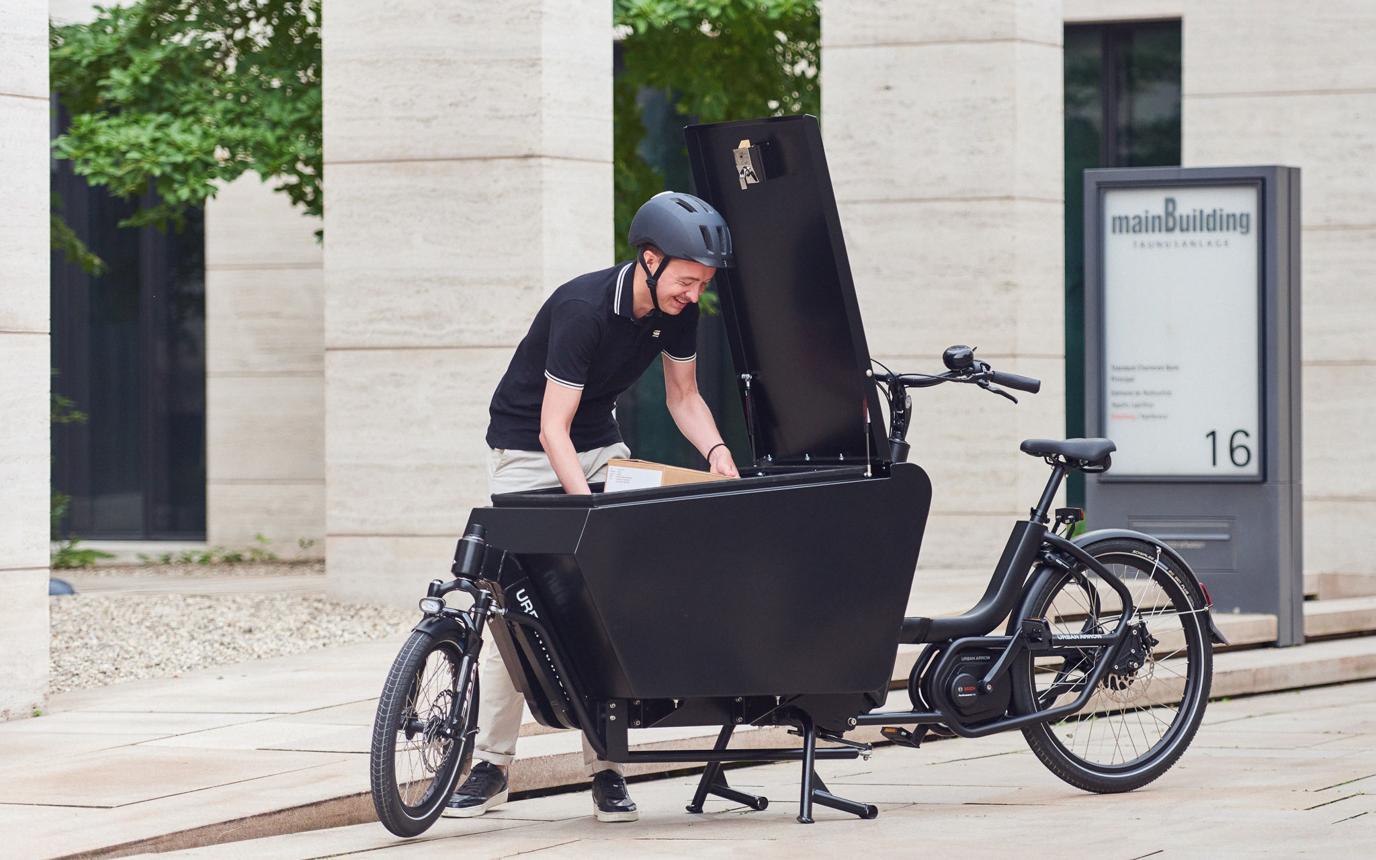
For companies searching for a reliable electric cargo bike for logistics, the biggest risk isn’t price—it’s choosing a product that wasn’t designed for real delivery work in the first place.


The Reality Gap: Spec Sheet vs Daily Operations

electric cargo bike for logistics

On paper, many bikes promise:

  • 100kg load capacity
  • 60km range
  • durable frame

In reality:

  • load becomes unstable above 25–30kg
  • battery drains faster with stop-start riding
  • frame stress increases dramatically over time

👉 That gap is where downtime, repairs, and cost begin.


Problem 1: Payload Is Misunderstood

Most brands list total load, not usable cargo load.

In logistics:

  • Rider: ~80kg
  • Cargo: 20–40kg
  • Equipment: additional weight

That leaves very little margin unless the bike is specifically engineered.

A true electric cargo bike for logistics must account for:

  • dynamic load during acceleration
  • braking pressure under weight
  • long-term structural fatigue

Problem 2: Battery Performance Drops Under Pressure

electric cargo bike for logistics

Delivery riding is energy-intensive:

  • constant acceleration
  • heavy payload
  • uneven terrain

That “advertised range” rarely survives a full shift.

This is why more operators now require:

  • dual battery systems
  • higher torque motors
  • optimized power curves

Problem 3: Frame Design Isn’t Built for Logistics

electric cargo bike for logistics

Many cargo bikes are simply modified commuter bikes.

That leads to:

  • poor balance under load
  • unstable steering
  • faster wear and tear

A proper logistics-ready design includes:

  • extended wheelbase
  • reinforced rear triangle
  • optimized center of gravity

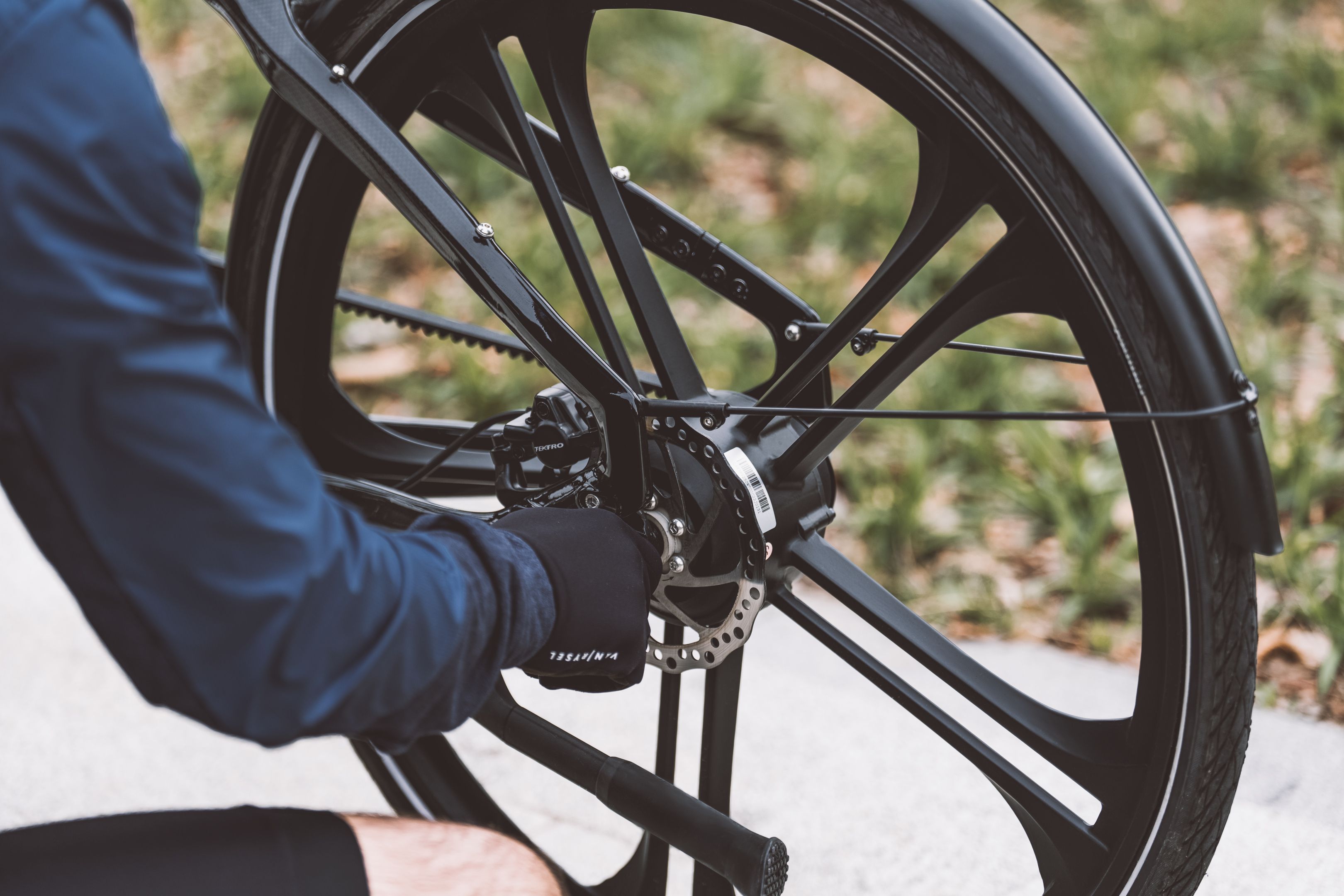
Problem 4: Components Are Not Commercial-Grade

A logistics bike runs:

  • 6–10 hours per day
  • multiple shifts
  • varying weather conditions

Yet many bikes still use:

  • light-duty brakes
  • standard spokes
  • basic connectors

These are fine for consumers—but not for operations.


What Actually Defines a Real Logistics Cargo E-Bike

A professional electric cargo bike for logistics should include:

  • ≥40kg dynamic cargo capacity
  • reinforced frame structure
  • high-torque motor (70–85Nm)
  • stable load distribution
  • weather-resistant wiring
  • long-range or dual battery support

This is not about features—it’s about survival under daily use.


Real Use Case: When Performance Becomes ROI

electric cargo bike for logistics

Many operators switch after experiencing:

  • frequent maintenance
  • broken racks
  • insufficient battery life
  • rider fatigue

After upgrading to properly engineered platforms like Jobo cargo bikes:

  • uptime increases
  • maintenance drops
  • delivery efficiency improves

👉 That’s where real cost savings come from.


💡 Sourcing for 2026? Skip the guesswork.
👉 Click here to contact us for the 2026 cargo e-bike product catalog and specifications


FAQ: What Buyers Often Overlook

Q1: Is listed payload the same as usable cargo?
No. Always ask for dynamic load performance.

Q2: Why is dual battery becoming standard?
Because real logistics requires full-shift reliability.

Q3: What’s the biggest hidden issue?
Frame design—not components—is often the root problem.


The Bottom Line

Logistics doesn’t forgive weak design.

A cargo e-bike that works for casual use will often fail under delivery pressure.
And every failure costs time, money, and reputation.

That’s why more businesses are moving toward purpose-built electric cargo bike for logistics platforms, where design, power, and durability are aligned from the start.

📦 Explore real-world ready cargo solutions:
https://www.joboev.com/products

📨 Or discuss your fleet requirements directly:
https://www.joboev.com/contact-us
Publisher
logo
Jinhua JOBO Technology Co., Ltd2026/04/17
Blog Categories

Related Articles

Folding E-Bike vs Regular E-Bike: Which One Is Better?

Folding E-Bike vs Regular E-Bike: Which One Is Better?

1.What Is a Folding E-Bike? 2.What Is a Regular E-Bike? 3.Folding E-Bike vs Regular E-Bike (Quick Comparison) 4.Real-Life Use Cases of Folding E-Bikes 5.When Should You Choose a Regular E-Bike? 6.When Is a Folding E-Bike the Better Choice? 7.Market Trends: Why Folding E-Bikes Are Growing 8.FAQ – Folding E-Bike vs Regular E-Bike 9.Final Verdict

Most Cargo E-Bikes Aren’t Built for Logistics—Here’s Why

Most Cargo E-Bikes Aren’t Built for Logistics—Here’s Why

1.Many cargo e-bikes look powerful but fail under real delivery conditions. 2.The gap between spec sheets and real-world logistics performance is often overlooked. 3.Key issues include weak payload design, unstable frames, and unrealistic battery expectations. 4.This article explains what truly defines a reliable electric cargo bike for logistics. 5.Learn how better engineering directly improves uptime, cost efficiency, and delivery performance.

How to Choose a Reliable Cargo E-Bike Manufacturer in China (2026 Guide)

How to Choose a Reliable Cargo E-Bike Manufacturer in China (2026 Guide)

1.Introduction 2.Why Choose a Cargo Ebike Manufacturer China? 3.Key Factors to Evaluate a Reliable Manufacturer 4.Cargo E-Bike Use Cases You Must Consider 5.Vital Operational Factors for B2B Importers 6.Quick Checklist Before You Decide 7.FAQ: Sourcing Cargo E-Bikes from China 8.Final Thoughts

Overloaded Racks, and Unstable Range: How Cargo Bikes for Delivery Companies Are Engineered for Real Workloads

Overloaded Racks, and Unstable Range: How Cargo Bikes for Delivery Companies Are Engineered for Real Workloads

Many delivery companies adopt cargo bikes expecting efficiency gains, but face structural fatigue, unstable loads, and inconsistent battery performance in daily operations. This article explains how JOBO engineers cargo bikes specifically for delivery companies, focusing on load distribution, frame reinforcement, and battery stability under high-frequency usage.

High-Frequency Use, Stop-and-Go Stress, and Battery Drain: How a Delivery Electric Bike Manufacturer Engineers for Real Urban Operations

High-Frequency Use, Stop-and-Go Stress, and Battery Drain: How a Delivery Electric Bike Manufacturer Engineers for Real Urban Operations

Delivery e-bikes face extreme daily usage—constant braking, acceleration, and heavy loads. Many fail not in design, but in real operations. This article explores how JOBO, as a delivery electric bike manufacturer, optimizes frame fatigue resistance, motor torque response, and battery stability for high-frequency urban logistics.

How Does an Electric Road Bike Perform? A Guide to Long-Distance Riding and Urban Commutes

How Does an Electric Road Bike Perform? A Guide to Long-Distance Riding and Urban Commutes

1.Quick Answer: What Is an Electric Road Bike Best For? 2.At a Glance: How Electric Road Bikes Compare 3.Why Electric Road Bikes Are Different from Traditional Road Bikes 4.Real-World Use Cases of Electric Road Bikes 5.Key Technologies Behind High-Performance Electric Road Bikes 6.What to Look for in a Reliable Electric Road Bike Manufacturer 7.FAQ: Electric Road Bikes 8.Contact & OEM Support 9.Final Thoughts