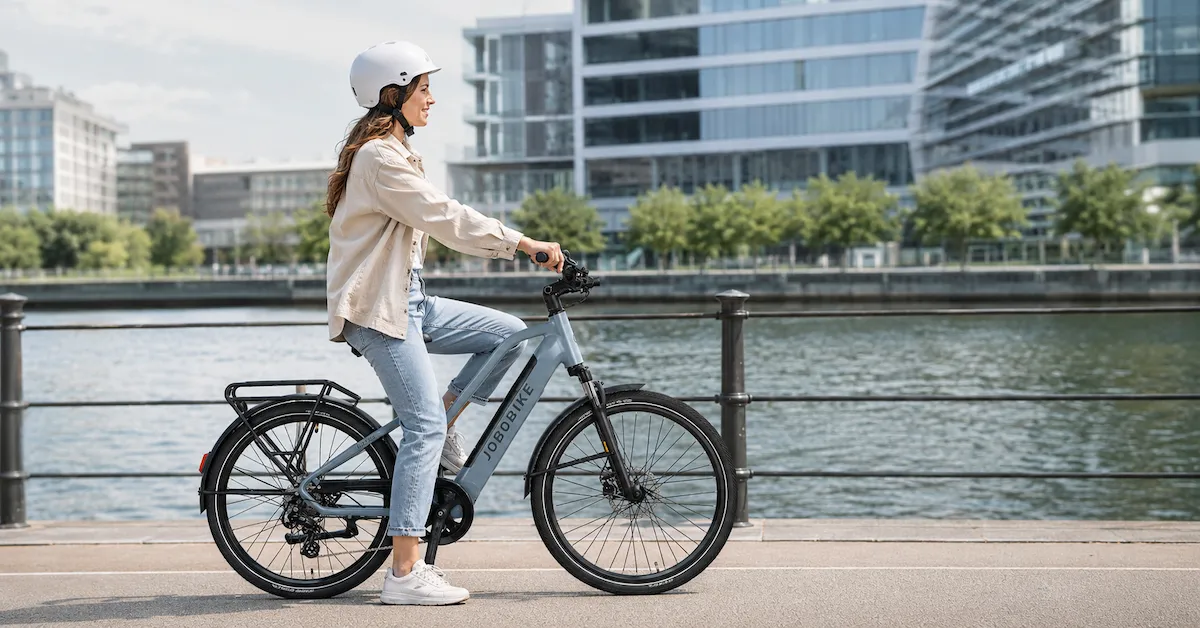
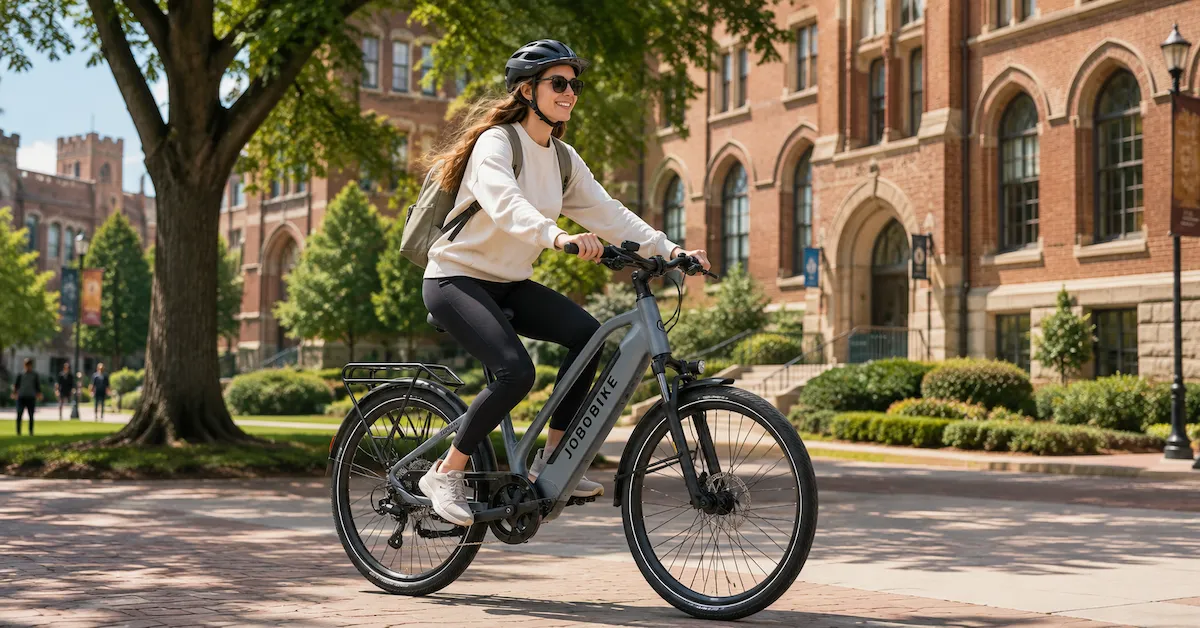
Choosing the right electric bicycle factory is one of the most important decisions for companies entering or expanding in the e-bike market. For global buyers, sourcing an electric bicycle is not only about finding a low-cost supplier. A reliable factory must provide stable production, consistent quality, technical support, customization capability, and long-term cooperation.
Many suppliers can provide similar-looking electric bikes, but the difference between factories is usually hidden behind the product. Battery quality, motor performance, frame strength, controller stability, assembly accuracy, packaging protection, and quality inspection processes all influence the final customer experience.
For importers, distributors, brand owners, and online sellers, choosing the right factory can reduce warranty problems, improve customer satisfaction, and create a stronger market position.
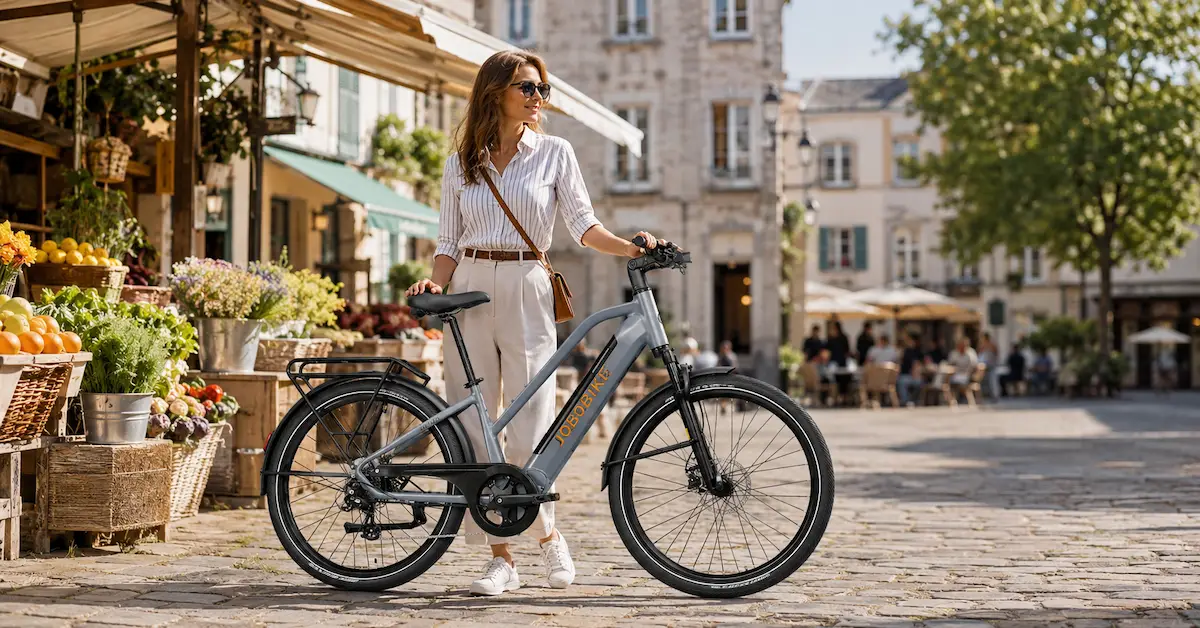
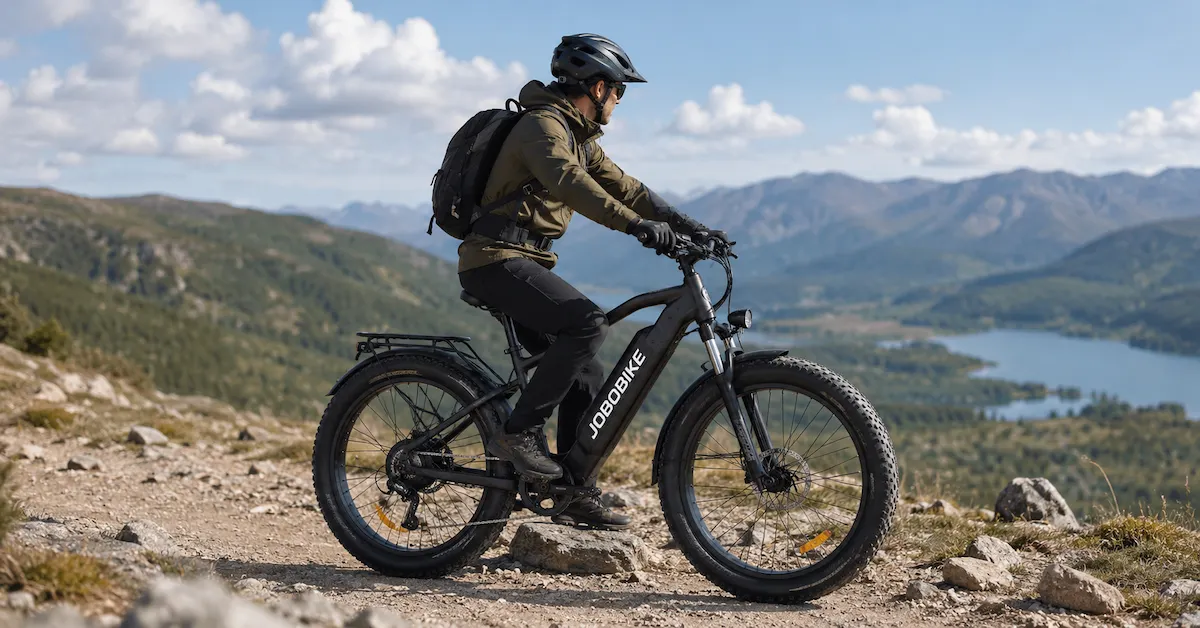
Joboev provides electric mobility solutions for global B2B buyers, including city electric bikes, folding electric bikes, cargo electric bikes, electric mountain bikes, off-road electric bikes, shared electric bikes, electric tricycles, electric motorcycles, kid electric bikes, and e-bike frames.
Buyers can explore Joboev product categories here:
https://www.joboev.com/products
Quick Answer: What Should Buyers Look for in an Electric Bicycle Factory?
A reliable electric bicycle factory should have:
- Complete e-bike product categories
- OEM and ODM customization capability
- Stable component supply chain
- Professional production process
- Strict quality control system
- Export experience
- Flexible order support
- Spare parts availability
- Clear communication process
For B2B buyers, the best factory is not always the cheapest supplier. A good manufacturing partner should help you build products that can be sold repeatedly and supported over time.
1. Why Choosing the Right Electric Bicycle Factory Matters
The electric bicycle industry has grown rapidly, creating many sourcing opportunities for international buyers. However, different factories have significant differences in manufacturing ability.
A professional electric bicycle factory can help buyers solve common sourcing challenges:
Product Consistency
For distributors and brand owners, receiving one good sample is not enough. The factory must ensure that every production batch maintains the same quality standard.
Customization Support
Brand owners often need:
- Custom logo
- Frame color
- Battery branding
- Packaging design
- Product labels
- User manuals
- Accessories
A factory without customization experience may create delays and additional costs.
Supply Stability
A reliable factory should have stable suppliers for:
- Battery cells
- Motors
- Controllers
- Frames
- Braking systems
- Displays
- Chargers
This helps prevent production delays caused by component shortages.
2. Electric Bicycle Factory vs Trading Company: What Is the Difference?
Many buyers are unsure whether to work with a factory or a trading company.
| Comparison | Electric Bicycle Factory | Trading Company |
|---|---|---|
| Production Control | Direct control of manufacturing | Depends on partner factories |
| Customization | Usually more flexible | May have limitations |
| Technical Support | Direct engineering communication | Often indirect |
| Pricing | Usually better for bulk orders | May include service margin |
| Quality Control | Factory-managed inspection | Depends on suppliers |
| Product Development | Stronger OEM/ODM ability | Usually limited |
For buyers planning long-term business development, working directly with an electric bicycle factory usually provides better control over product quality and customization.
3. Who Needs an Electric Bicycle Factory?
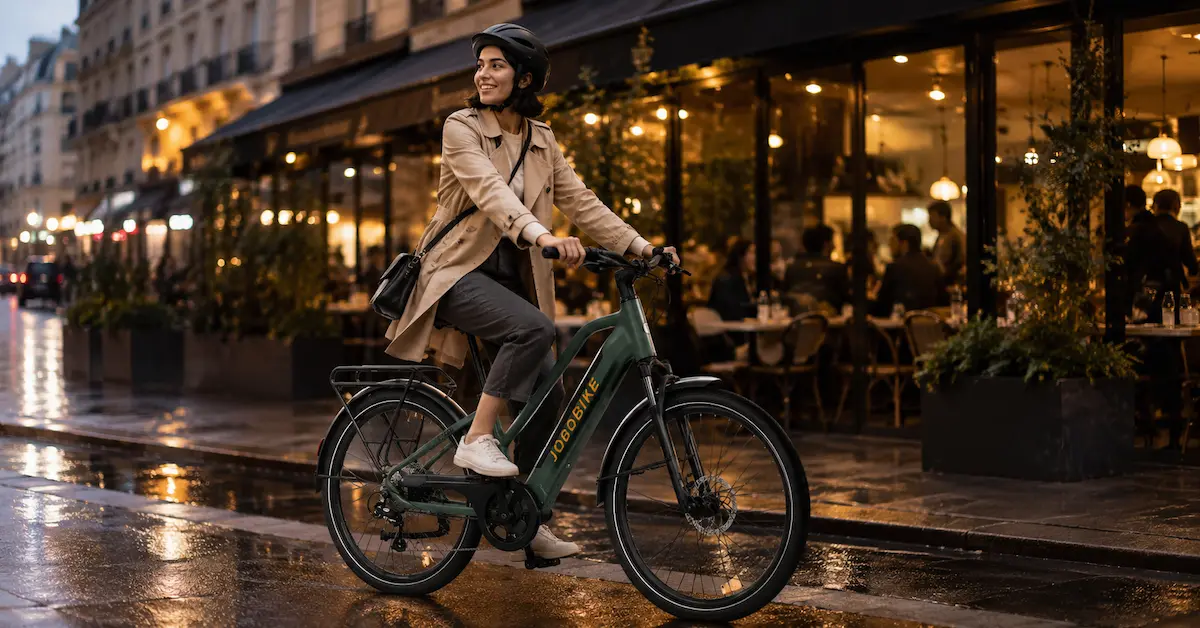
An electric bicycle factory is suitable for:
Brand Owners
Companies building their own e-bike brands need:
- Private label production
- Custom designs
- Brand packaging
- Stable repeat production
Importers
Importers need:
- Competitive factory pricing
- Export experience
- Reliable shipment schedules
- Product documentation
Distributors
Distributors require:
- Multiple models
- Consistent supply
- Spare parts support
- Dealer-friendly products
E-Commerce Sellers
Online sellers need:
- Attractive designs
- Reliable quality
- Strong packaging
- Lower return rates
Mobility Companies
Shared mobility and transportation companies often require:
- Durable structures
- Fleet-ready products
- Easy maintenance
- Long-term support
4. Main Electric Bicycle Categories from a Professional Factory
A capable electric bicycle factory should provide different product categories for different markets.
| Product Category | Features | Application |
|---|---|---|
| City Electric Bike | Comfortable commuting design | Urban transportation |
| Folding Electric Bike | Compact and portable | City travel, apartments |
| Cargo Electric Bike | High load capacity | Delivery and business use |
| Electric Mountain Bike | Strong performance | Outdoor riding |
| Off-Road Electric Bike | Fat tires, stronger structure | Trails and rough roads |
| Shared Electric Bike | Durable and easy maintenance | Rental projects |
| Electric Tricycle | Stable three-wheel structure | Commercial transport |
| E-Bike Frame | Custom structure development | OEM projects |
A good factory should help buyers choose models based on market demand rather than simply selling available products.
5. OEM and ODM Capability of an Electric Bicycle Factory
OEM and ODM capability is one of the biggest advantages of working directly with a factory.
Common customization options include:
Branding Customization
- Frame logo
- Battery logo
- Product name
- Packaging design
- User manual
- Warranty card
Product Customization
- Frame color
- Battery capacity
- Motor power
- Tire type
- Brake system
- Display system
- Accessories
Market-Specific Development
Different markets may require different configurations.
For example:
- European markets may focus on comfortable commuter bikes.
- Delivery companies may need cargo models.
- Outdoor markets may prefer mountain and off-road e-bikes.
A professional factory should provide technical suggestions based on the buyer’s target market.
6. Key Technical Components Buyers Should Evaluate
Before placing an order, buyers should understand the important components.
| Component | Why It Matters |
|---|---|
| Motor | Determines power, torque, and riding experience |
| Battery | Influences range, safety, and lifespan |
| Frame | Affects durability and riding comfort |
| Controller | Controls electrical performance |
| Brake System | Directly affects safety |
| Display | Improves user interaction |
| Tires | Influences terrain performance |
| Charger | Affects charging safety |
A reliable electric bicycle factory should clearly explain component specifications instead of only providing product photos.
7. Electric Bicycle Factory Production Process
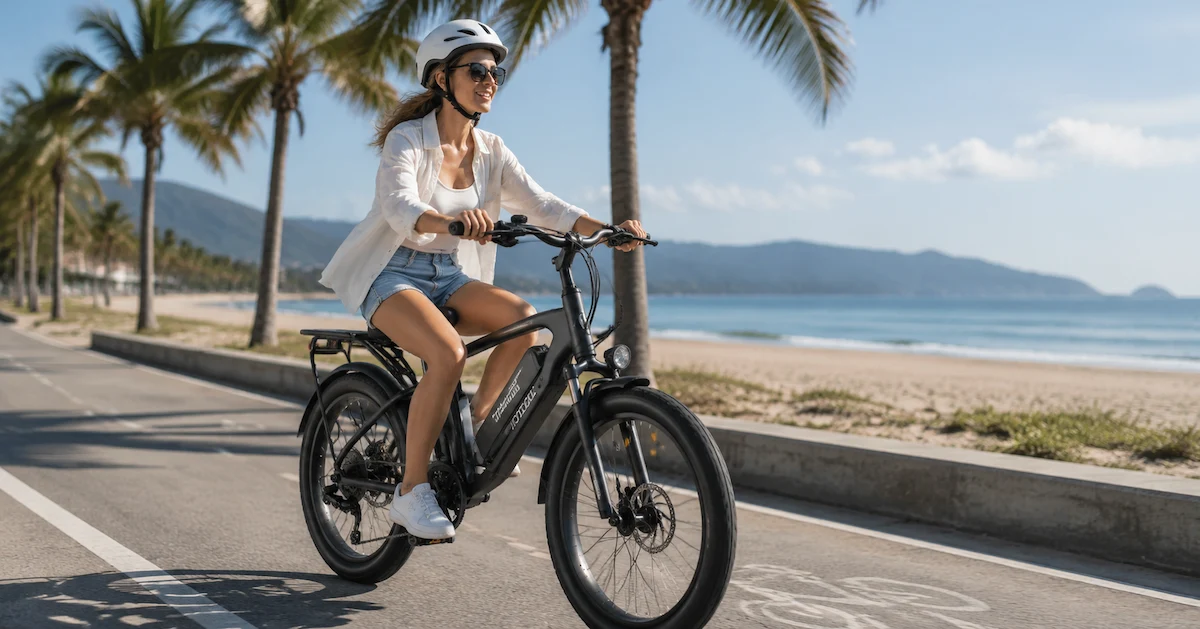
A professional production workflow usually includes:
Step 1: Requirement Confirmation
The buyer provides:
- Target market
- Product type
- Order quantity
- Price range
- Customization requirements
Step 2: Product Selection
The factory recommends suitable models based on market positioning.
Step 3: Specification Confirmation
Both sides confirm:
- Motor
- Battery
- Frame
- Color
- Accessories
- Packaging
Step 4: Sample Production
The factory produces a sample for testing and approval.
Step 5: Sample Adjustment
Changes can be made based on:
- Appearance
- Riding experience
- Components
- Branding details
Step 6: Mass Production
Production starts after final approval.
Step 7: Quality Inspection
The factory checks:
- Electrical system
- Frame quality
- Brake performance
- Battery function
- Assembly accuracy
Step 8: Shipment
Products are packed and prepared for export.
8. Quality Control Standards Buyers Should Check
Quality control is one of the most important factors when selecting an electric bicycle factory.
A professional factory should inspect:
Frame Quality
- Welding strength
- Surface finish
- Paint consistency
Electrical System
- Battery charging test
- Motor operation
- Controller inspection
- Wiring check
Riding Performance
- Brake testing
- Gear shifting
- Wheel alignment
- Road testing
Packaging Inspection
- Carton strength
- Foam protection
- Accessory completeness
For brand owners, quality problems directly affect their own reputation. Therefore, factory QC capability is more important than short-term price advantages.
9. Production Capacity and Lead Time
Before cooperation, buyers should understand production capability.
Important questions include:
- How many units can the factory produce monthly?
- Can the factory support repeat orders?
- How long does sample production take?
- How long does bulk production require?
Typical timeline:
| Stage | Estimated Time |
|---|---|
| Product discussion | 1-3 days |
| Specification confirmation | 3-7 days |
| Sample production | 7-20 days |
| Sample approval | 3-10 days |
| Bulk production | 25-45 days |
Actual time depends on product complexity, customization, and order quantity.
10. Common Mistakes When Choosing an Electric Bicycle Factory
Choosing Only Based on Price
The lowest quotation may result in:
- Lower battery quality
- Poor components
- Higher warranty costs
Ignoring Sample Testing
Samples help confirm:
- Product appearance
- Performance
- Branding
- Packaging
Not Asking About Spare Parts
After-sales support is important for distributors and brand owners.
Ordering Too Many Models
Starting with fewer models helps control inventory risk.
Ignoring Market Requirements
Different regions have different customer preferences and regulations.
11. How to Evaluate an Electric Bicycle Factory Before Ordering
Use this checklist:
| Evaluation Item | Questions |
|---|---|
| Product Range | Does the factory offer suitable models? |
| OEM Ability | Can they customize your brand? |
| Quality Control | Are inspection processes clear? |
| Production Capacity | Can they support future growth? |
| Packaging | Is export packaging reliable? |
| Spare Parts | Are replacement parts available? |
| Communication | Are responses professional? |
| Experience | Do they understand your market? |
12. Why Choose Joboev as Your Electric Bicycle Factory?
Joboev supports global B2B buyers with electric mobility products and manufacturing solutions.
Product categories include:
- City Electric Bike
- Folding Electric Bike
- Cargo Electric Bike
- Electric Mountain Bike
- Off-Road Electric Bike
- Shared Electric Bike
- Electric Tricycle
- Electric Motorcycle
- Kid Electric Bike
- E-Bike Frame
Joboev supports:
- OEM customization
- Private label projects
- Bulk orders
- Product selection support
- Market-specific configurations
For buyers looking for a flexible electric bicycle factory, Joboev can help develop suitable products for different markets.
Explore products:
https://www.joboev.com/products
Contact Joboev:
https://www.joboev.com/contact-us
FAQ
1. What does an electric bicycle factory produce?
An electric bicycle factory produces complete e-bikes, frames, and customized electric mobility products. Many factories also support OEM branding, packaging, and bulk production.
2. How do I choose a reliable electric bicycle factory?
Buyers should evaluate product range, OEM capability, quality control, production capacity, technical support, packaging, and after-sales service before ordering.
3. Can an electric bicycle factory customize my brand?
Yes. Many factories support logo customization, colors, packaging, manuals, accessories, and technical configurations.
4. What is the MOQ for electric bicycle factories?
MOQ depends on the model, customization level, and factory policy. Standard models usually require lower quantities than fully customized products.
5. How long does electric bicycle production take?
Production time depends on order quantity, customization requirements, and component availability. Sample approval is usually required before mass production.
6. What electric bikes are suitable for distributors?
City e-bikes, folding e-bikes, cargo e-bikes, and mountain e-bikes are common choices because they serve different customer groups.
7. Why work directly with an electric bicycle factory?
Direct factory cooperation usually provides better customization, communication efficiency, production control, and pricing advantages for bulk buyers.
8. Can electric bicycle factories provide spare parts?
Reliable factories usually provide batteries, chargers, displays, controllers, brakes, tires, and other replacement parts.
9. What should I check before placing a bulk order?
Check specifications, sample quality, production process, QC standards, packaging, delivery time, and after-sales support.
10. How can I start cooperation with Joboev?
Send your target market, preferred models, order quantity, customization requirements, and project details through the Joboev contact page.
https://www.joboev.com/contact-us
Conclusion
Choosing the right electric bicycle factory is the foundation of building a successful e-bike business. A reliable manufacturing partner should provide stable quality, flexible customization, professional production management, and long-term support.
For importers, distributors, and brand owners, the goal is not simply purchasing electric bikes. The goal is building a product line that customers trust and a supply chain that supports business growth.
Joboev provides OEM and bulk electric bicycle solutions for global buyers. Explore available products and start your project today: