Why Cargo Bikes Are Becoming a Smart Choice for Catering Delivery
Food delivery has become increasingly demanding. Catering companies, restaurants, hotels, and event food providers need transportation solutions that can handle frequent deliveries while maintaining efficiency, reliability, and predictable operating costs.
For many urban businesses, traditional delivery vehicles face challenges such as:
- Traffic congestion
- Parking limitations
- High fuel costs
- Vehicle maintenance expenses
- Restricted access in city centers
Cargo bikes for catering delivery provide a practical alternative for short-distance and medium-distance food transportation.
Unlike consumer e-bikes, commercial cargo bikes are designed as working vehicles. They need stronger frames, higher carrying capability, reliable braking systems, longer operating time, and easier maintenance because they are used repeatedly every day.
For catering businesses, the right cargo e-bike can support:
- Restaurant meal delivery
- Corporate catering transportation
- Hotel food service operations
- Event catering logistics
- Bakery and beverage delivery
- Campus food distribution
- Last-mile food transport
The objective is not simply replacing a delivery vehicle. It is creating a reliable delivery system that matches the company's routes, food volume, and operational model.
Who Needs Cargo Bikes for Catering Delivery?
Different food businesses have different delivery requirements.
Restaurants With Local Delivery Services
Restaurants operating within urban neighborhoods often need fast and flexible transportation.
Cargo e-bikes can help restaurants handle:
- Lunch delivery peaks
- Dinner delivery periods
- Short-distance customer orders
- Multiple deliveries in one route
Compared with motorcycles or vans, cargo bikes can provide advantages in areas with:
- Heavy traffic
- Limited parking
- Narrow streets
- Dense residential zones
Suitable applications include:
- Pizza delivery
- Meal box delivery
- Beverage delivery
- Takeaway food transport
Catering Companies
Catering businesses usually handle larger and more scheduled deliveries.
Examples include:
- Corporate events
- Private parties
- Conferences
- Weddings
- Outdoor activities
These operations often require:
- Larger cargo capacity
- Stable transportation
- Reliable range
- Better load management
A cargo e-bike can become part of a wider catering logistics system, especially for local venues and event locations.
Hotels and Resorts
Hotels often need internal and nearby transportation for:
- Room service support
- Event catering
- Guest activities
- Staff logistics
Cargo bikes can support hospitality operations by moving supplies and food items efficiently across large properties.
JOBO also provides electric mobility solutions for hospitality and commercial applications, including electric cargo bike platforms.
Food Service Providers and Cloud Kitchens
Central kitchens and food preparation companies often depend on predictable delivery routes.
Cargo e-bike fleets can help optimize:
- Delivery schedules
- Driver productivity
- Short-distance transportation
- Urban distribution
Common Catering Delivery Applications for Cargo E-Bikes
The best cargo bike configuration depends on what is being transported.
Restaurant Food Delivery
Restaurant delivery requires:
- Fast loading and unloading
- Stable riding performance
- Protection from weather
- Easy rider operation
Important considerations include:
- Cargo box design
- Insulation compatibility
- Battery capacity
- Brake performance
- Rider comfort
A delivery bike that is difficult to operate can reduce efficiency during busy periods.
Event Catering Transportation
Event catering often involves transporting:
- Prepared meals
- Drinks
- Table supplies
- Service equipment
Compared with standard delivery, event catering may require:
- Higher payload capability
- Larger cargo area
- Better stability under load
Front cargo bikes and heavy-duty cargo configurations can be valuable for these applications.
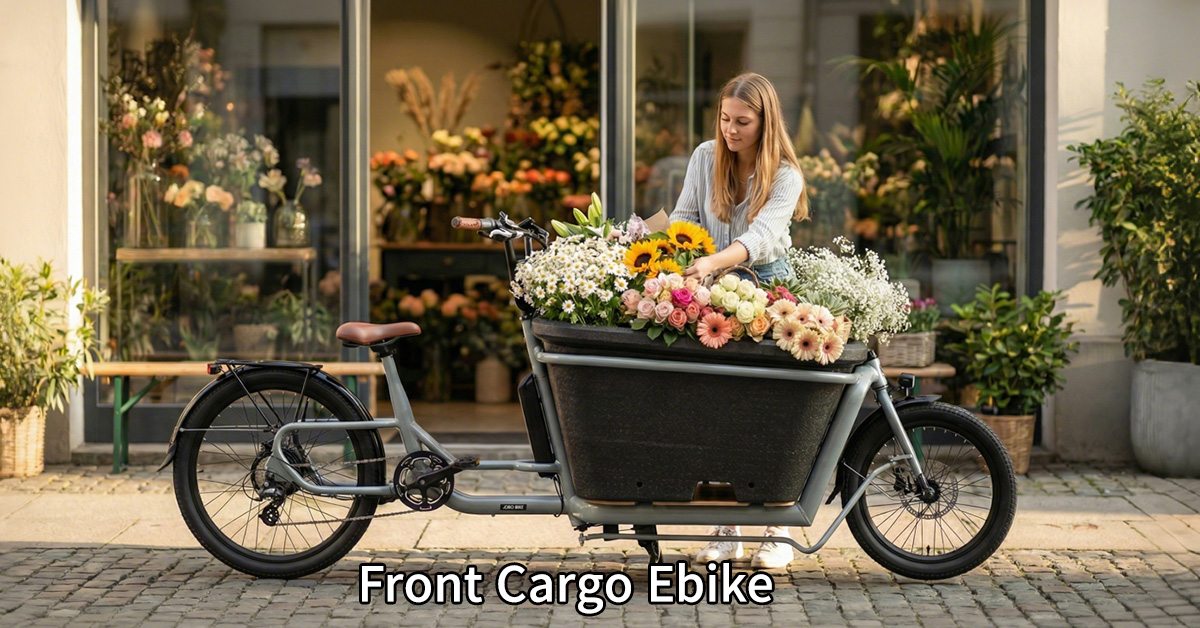
Bakery and Beverage Delivery
Bakeries, cafes, and beverage companies often deliver products that require careful handling.
Cargo bike selection should consider:
- Cargo protection
- Temperature control options
- Smooth riding performance
- Storage organization
A stable cargo platform helps reduce product damage during transportation.
Hotel and Resort Catering Support
Large hospitality properties may use cargo e-bikes for internal logistics.
Examples:
- Breakfast delivery
- Event preparation
- Restaurant supply movement
- Guest service operations
For these applications, low noise operation and easy maintenance are important advantages.
Choosing the Right Cargo Bike Configuration for Catering Delivery
Not every cargo bike is designed for the same delivery purpose.
| Cargo Bike Type | Best Applications | Advantages |
|---|---|---|
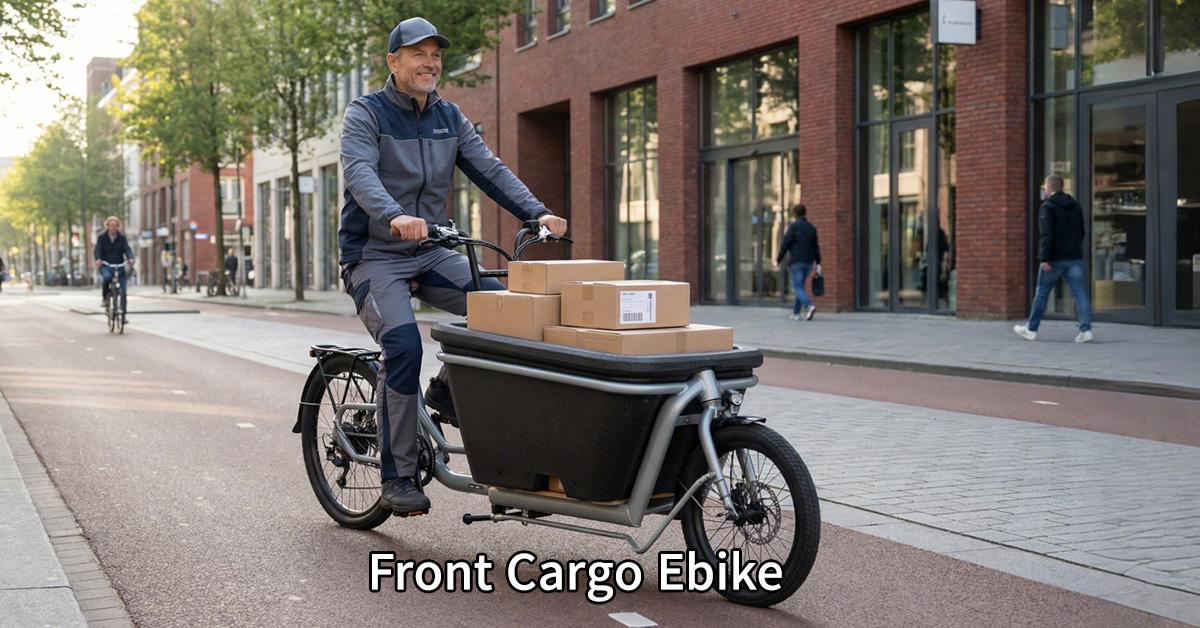
| Front Cargo Bike | Catering boxes, food transport, urban delivery | Large front loading space, easy visibility |
| Long Tail Cargo Bike | Restaurant delivery, equipment transport | Flexible cargo capacity,easier riding |
| Heavy Duty Cargo E-Bike | Large catering operations | Higher payload capability |
| Fat Tire Cargo Bike | Mixed surfaces, outdoor delivery | Better stability on uneven roads |
| Electric Tricycle Cargo Bike | Maximum stability and commercial transport | Strong load support |
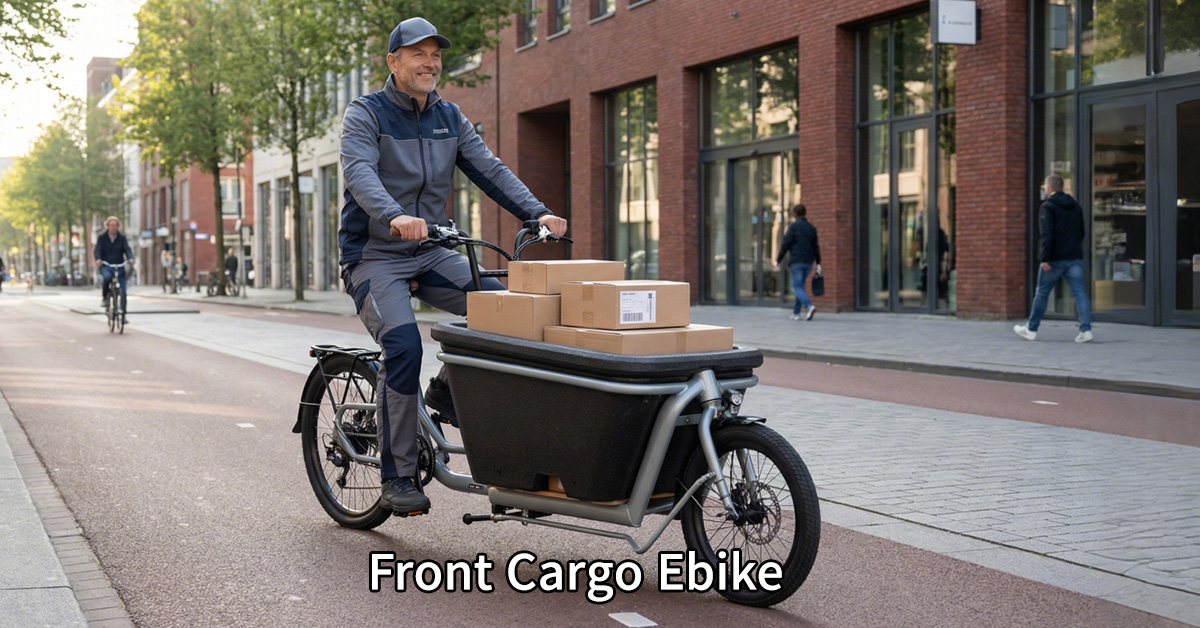
Front Cargo Bikes for Food Delivery
Front cargo bikes are popular in commercial delivery because they provide a dedicated loading area.
Benefits include:
- Large cargo space
- Easy branding opportunities
- Better cargo organization
- Suitable for delivery boxes
For catering businesses, front cargo designs can support:
- Food containers
- Beverage boxes
- Catering equipment
However, buyers should evaluate:
- Steering characteristics
- Turning radius
- Rider training requirements
- Cargo weight distribution
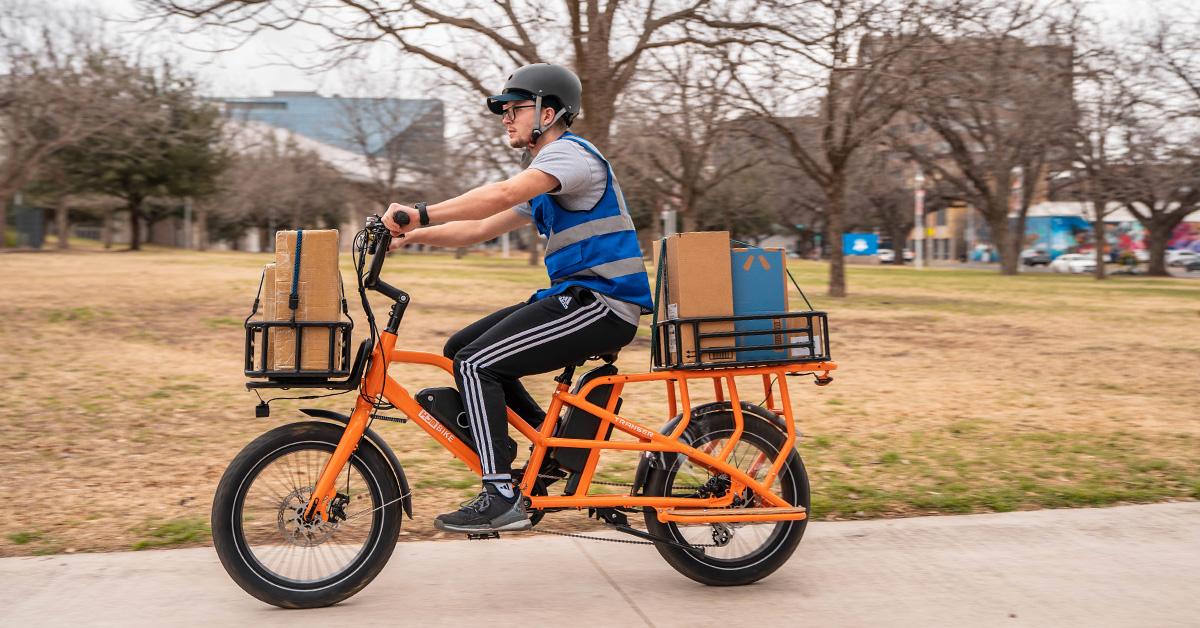
Long Tail Cargo Bikes for Flexible Delivery
Long tail cargo bikes combine a bicycle-like riding experience with additional carrying capacity.
They can be useful for:
- Restaurant deliveries
- Small catering orders
- Multiple package transportation
Advantages include:
- Easier storage
- Familiar handling
- Flexible accessory options
Electric Tricycles for Heavy Catering Operations
For businesses transporting larger loads, electric tricycles may provide additional stability.
They can support:
- Higher cargo volume
- Lower balance requirements
- Commercial transportation tasks
JOBO's Electric Tricycle category includes cargo-oriented configurations designed for commercial transportation needs.
Technical Factors to Evaluate Before Purchasing Catering Cargo Bikes
Payload Capacity and Cargo Design
Payload is one of the most important factors for catering applications.
Businesses should evaluate:
- Average delivery weight
- Peak delivery weight
- Cargo box dimensions
- Weight distribution
- Loading convenience
A higher payload rating does not automatically mean better performance. The frame, brakes, tires, and motor system must work together.
Battery Range for Delivery Routes
Commercial delivery requires predictable energy management.
Battery requirements depend on:
- Daily delivery distance
- Number of stops
- Rider weight
- Cargo load
- Road conditions
- Weather
- Assistance level
Fleet buyers should calculate range based on real delivery conditions instead of relying only on maximum advertised range.
Motor Performance and Route Conditions
Motor selection should match the delivery environment.
Urban flat routes may require different performance compared with:
- Hills
- Longer routes
- Heavy cargo loads
Important evaluation factors include:
- Torque output
- Motor type
- Efficiency
- Maintenance requirements
Braking Safety Under Load
A fully loaded cargo bike behaves differently from a standard bicycle.
Braking systems should support:
- Increased vehicle weight
- Frequent stops
- Wet conditions
- Downhill sections
Commercial buyers should evaluate brake durability and replacement availability.
Frame Strength and Manufacturing Quality
Cargo delivery creates repeated stress on the frame.
Important factors include:
- Frame material
- Welding quality
- Load structure
- Fatigue resistance
JOBO operates an in-house frame manufacturing facility with CNC processing and robotic welding capabilities to support customized e-bike development and production consistency. (joboev.com)
Cost Considerations for Catering Delivery Fleets
The purchase price is only one part of commercial cargo bike investment.
Businesses should consider:
Initial Investment
Including:
- Bike cost
- Accessories
- Cargo equipment
- Chargers
- Branding
Operating Costs
Including:
- Maintenance
- Spare parts
- Battery replacement
- Repairs
- Downtime
Business Efficiency
A reliable cargo bike can help improve:
- Delivery speed
- Route flexibility
- Driver productivity
- Customer service
The lowest purchase price is not always the lowest total cost solution.
Why Quality Control Matters for Commercial Cargo Bikes
Catering delivery fleets require consistent performance across multiple units.
A supplier should provide evidence of:
- Production control
- Component inspection
- Testing procedures
- Quality management
JOBO's quality system follows an IQC → IPQC → FQC → QA process, with testing capabilities covering frame fatigue, complete bike testing, battery performance, and motor performance. (joboev.com)
For catering businesses, this helps reduce operational risks caused by:
- Structural problems
- Electrical failures
- Inconsistent components
- Unexpected downtime
OEM Cargo Bikes for Catering Brands
Many catering companies and delivery operators need customized fleet solutions.
OEM customization can include:
Branding
- Frame colors
- Logos
- Decals
- Packaging
Functional Configuration
- Cargo box design
- Battery capacity
- Motor selection
- Accessories
- Delivery equipment
Fleet Standardization
For businesses operating multiple locations,standard configurations can simplify:
- Training
- Maintenance
- Spare parts management
- Expansion planning
JOBO supports OEM and ODM electric bike projects for businesses requiring customized commercial mobility solutions.
How to Choose a Cargo Bike Supplier for Catering Delivery
Before placing a bulk order,catering businesses should evaluate:
Manufacturing Capability
Ask:
- Does the supplier control key production processes?
- Can they support repeat orders?
- Do they have engineering capability?
Product Support
Evaluate:
- Spare parts availability
- Technical documentation
- After-sales support
Commercial Experience
Consider whether the supplier understands:
- Fleet applications
- Delivery operations
- Business requirements
Quality Management
Request:
- Product specifications
- Testing information
- Compliance documents
- Quality procedures
Why JOBO Supports Commercial Cargo Bike Projects
JOBO provides electric mobility solutions for businesses requiring reliable commercial transportation products.
The company offers:
- Cargo electric bikes
- Electric tricycles
- City e-bikes
- Folding e-bikes
- Shared mobility solutions
- OEM and ODM customization
With manufacturing capabilities including frame production, assembly, testing, and quality control, JOBO supports companies developing delivery and fleet mobility solutions.
Explore JOBO's electric bike products or contact JOBO through the contact page for commercial cargo bike projects.
FAQ
What are the best cargo bikes for catering delivery?
The best cargo bike depends on delivery volume, route conditions, and cargo requirements. Front cargo bikes suit food boxes and organized deliveries, while heavy-duty cargo bikes and tricycles may be better for larger catering operations.
Can cargo bikes replace delivery vans for catering businesses?
For short-distance urban delivery, cargo bikes can replace or reduce dependence on delivery vans. The suitability depends on delivery distance, cargo volume, local regulations, and operational requirements.
How much weight can a catering cargo bike carry?
Payload capacity depends on the specific model, frame design, components, and configuration. Buyers should confirm the rated payload with the supplier for the selected model.
Are electric cargo bikes suitable for restaurant delivery?
Yes. Electric cargo bikes are commonly used for restaurant delivery because they combine cargo capacity, flexible routing, and lower operational complexity in urban environments.
What battery size is recommended for catering delivery?
Battery requirements depend on daily distance, delivery frequency, terrain, and cargo weight. Commercial operators should calculate battery needs based on actual routes.
Can catering companies customize cargo bikes?
Yes. OEM projects may include branding, cargo configurations, battery options, accessories, colors, and other specifications depending on supplier capability.
What maintenance do catering cargo bikes require?
Regular maintenance includes checking brakes, tires, battery condition, electrical systems, fasteners, and cargo structures. Commercial fleets should establish inspection schedules.
Are cargo tricycles better than cargo bikes for food delivery?
Cargo tricycles provide greater stability and can support heavier loads, while two-wheel cargo bikes may offer better maneuverability.The choice depends on the delivery environment.
What should businesses check before buying cargo bikes in bulk?
Companies should evaluate supplier manufacturing ability, product reliability, spare parts support, certification requirements, customization options, and total operating costs.
Does JOBO manufacture cargo bikes for commercial delivery?
JOBO provides cargo electric bikes, electric tricycles, OEM/ODM customization, and manufacturing support for commercial mobility applications. Businesses can contact JOBO with delivery requirements for suitable model evaluation.
Conclusion
Cargo bikes for catering delivery are becoming an effective solution for restaurants, catering companies, hotels, and food service operators looking to improve short-distance transportation efficiency.
Successful fleet projects depend on choosing the right combination of:
- Cargo capacity
- Battery range
- Motor performance
- Brake safety
- Frame durability
- Maintenance support
- Supplier capability
For urban food delivery, event catering, hospitality operations, and commercial logistics, a properly designed cargo e-bike fleet can improve operational flexibility while reducing transportation challenges.
JOBO provides commercial cargo bike platforms, OEM/ODM customization, frame manufacturing capabilities, and quality control support for businesses building reliable delivery fleets. Contact JOBO to discuss your catering delivery requirements and fleet solution.