Why Electric Bikes Are Becoming a Practical Tourism Mobility Tool
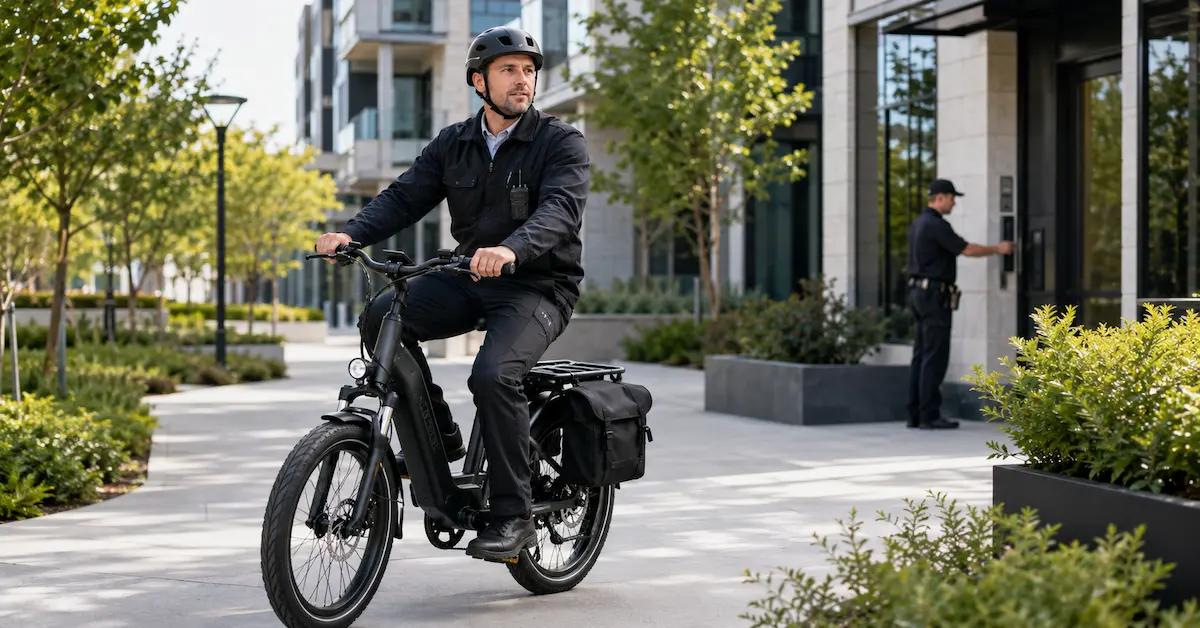
Electric bikes for tourism operators should be selected as commercial fleet assets, not simply as consumer bicycles offered for rent. A tourism fleet may serve dozens of different riders, operate repeatedly throughout the day, cover mixed terrain, and depend on seasonal staff for inspection and maintenance. That changes what matters during procurement.
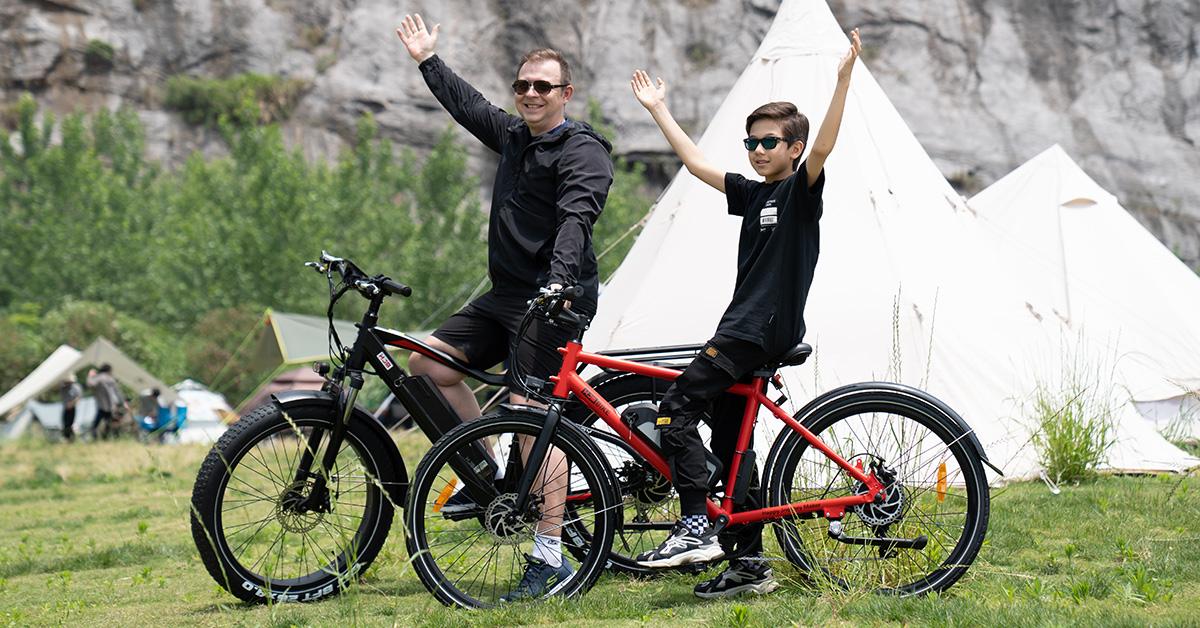
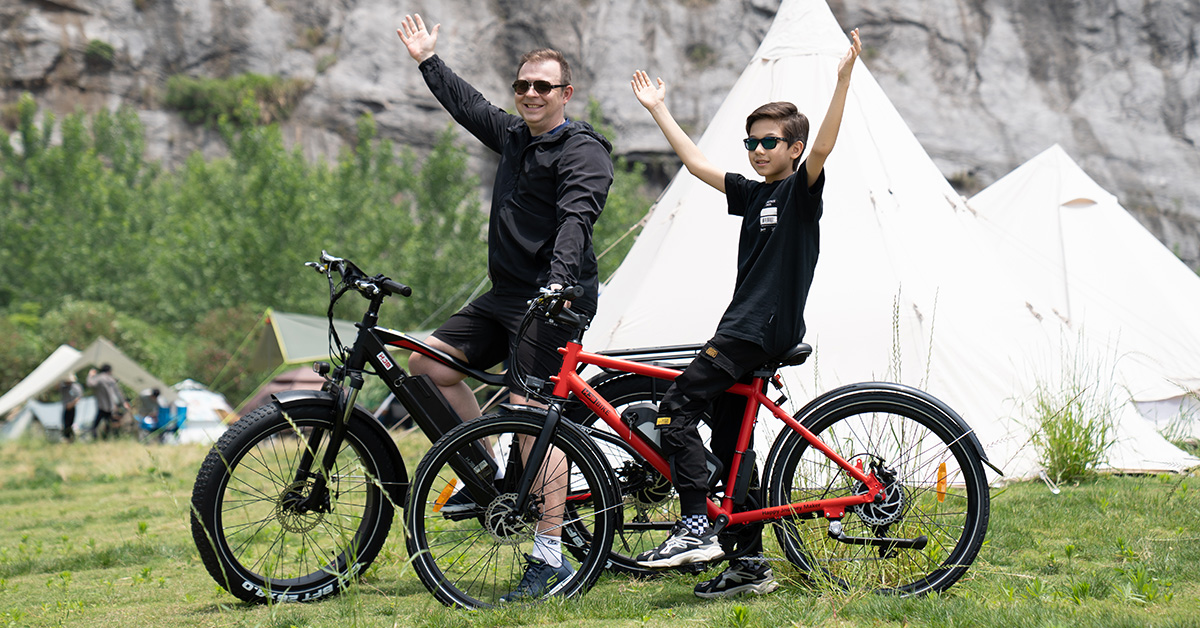
For a hotel, resort, tour company, bike rental operator, winery, campground, coastal destination, or scenic attraction, the correct e-bike can extend the practical riding area, make routes accessible to a wider range of guests, and create a structured mobility or rental service around the destination.
Cycling also fits the wider direction of sustainable destination mobility. The European Commission describes cycling as a sustainable, accessible, and affordable form of transport, while the European Declaration on Cycling includes commitments related to cycling infrastructure, public-transport integration, secure parking, and access to e-bike charging. European Commission cycling policy.
For tourism operators, however, the purchasing question is not simply:
“Should we offer e-bikes?”
The better question is:
“Which e-bike fleet can deliver a reliable guest experience under our actual routes, terrain, climate, operating hours, maintenance resources, and business model?”
Who Should Consider a Tourism E-Bike Fleet?
Electric bikes can fit several tourism business models, but their requirements are not identical.
Hotels and Resorts
Hotels and resorts may use e-bikes as a guest amenity, paid rental service, guided activity, or transportation option between accommodation, beaches, restaurants, attractions, and nearby towns.
For these operators, important priorities usually include:
- easy mounting and dismounting;
- comfortable riding position;
- intuitive controls;
- predictable battery operation;
- low daily maintenance requirements;
- attractive fleet appearance;
- simple sizing for different guests;
- accessible spare parts and technical support.
JOBO already addresses this use case in its guide to electric bikes for hotel rental fleets, where hotels, resorts, and tourism businesses are treated as commercial fleet buyers rather than ordinary individual riders.
Guided Tour Companies
Guided cycling businesses often need more route-specific equipment.
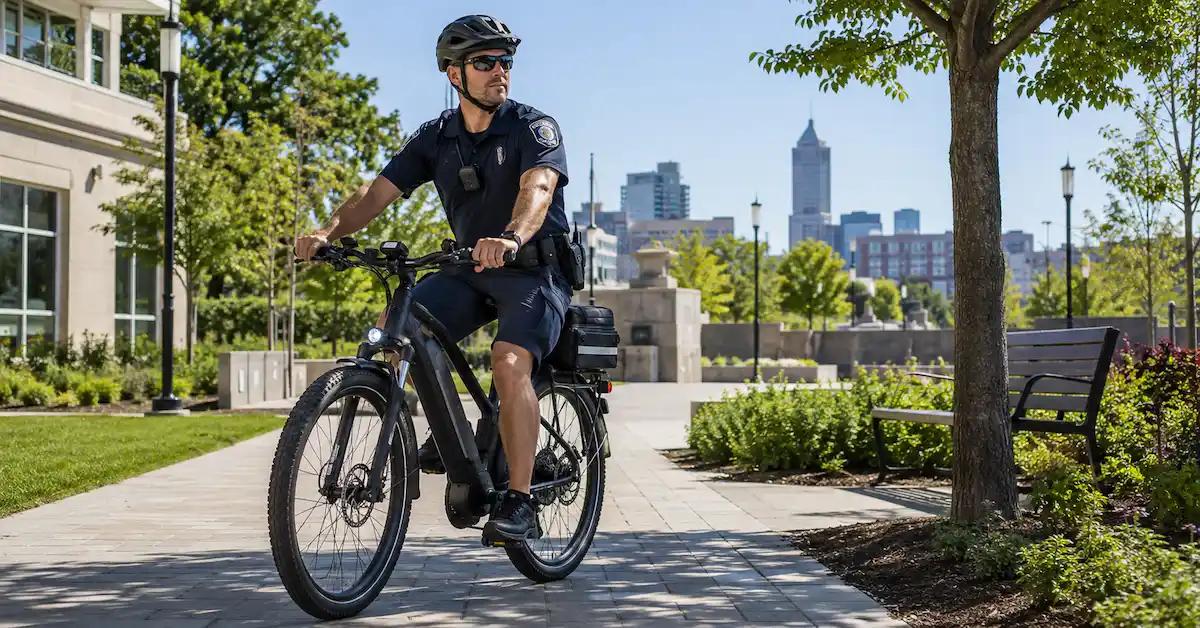
A city sightseeing company may prioritize step-through frames, comfort, maneuverability, and moderate assistance.
A countryside, vineyard, or rural tour operator may need longer range, larger tires, stronger climbing support, and better surface adaptability.
Adventure tour businesses may require mountain or all-terrain configurations with more capable braking, suspension, tires, and frame structures.
Independent E-Bike Rental Businesses
Rental companies usually experience higher utilization than a small hotel fleet.
Their procurement priorities often include:
- durability under changing riders;
- fast turnaround between rentals;
- standardized components;
- easy battery replacement;
- simple inspection routines;
- parts availability;
- fleet identification;
- repair-friendly design.
For a rental company, one bike being unavailable during peak season can be more expensive than a small difference in initial purchase price. Fleet uptime should therefore be considered during model selection.
Beach and Coastal Tourism Operators
Loose surfaces and coastal environments create a different operating profile.
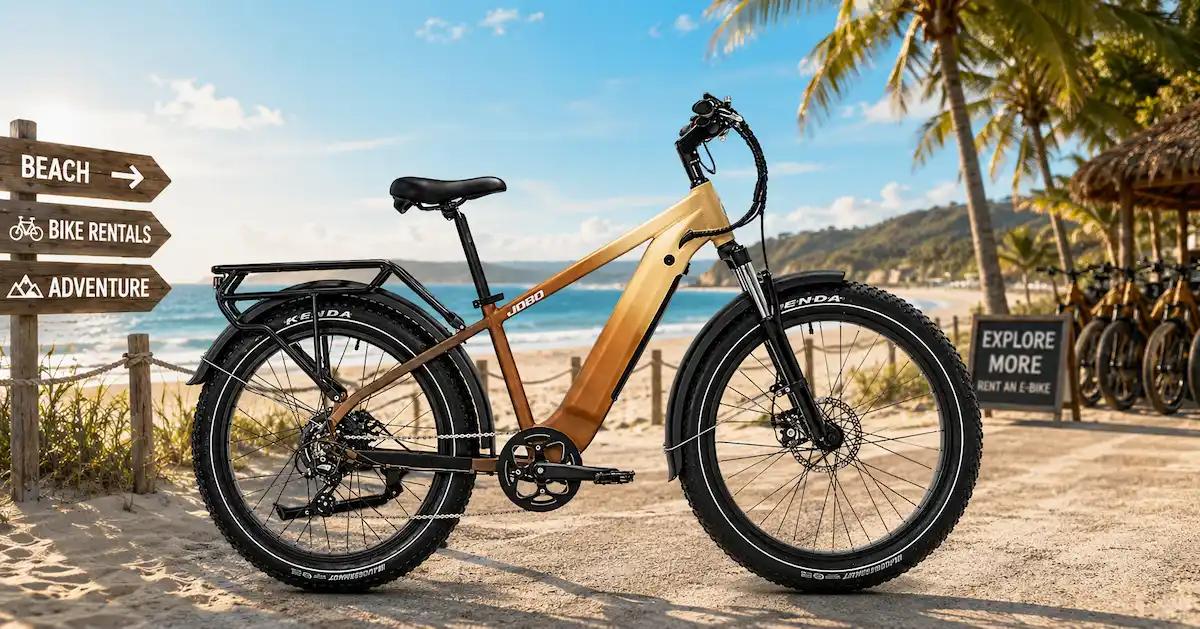
Wider tires may improve stability and comfort on appropriate loose-surface routes, while operators also need to think about cleaning routines, exposed hardware, drivetrain care, brake maintenance, and corrosion management.
For this specialized application, see JOBO's guide to fat tire e-bikes for beach rentals.
Destination and Shared-Mobility Operators
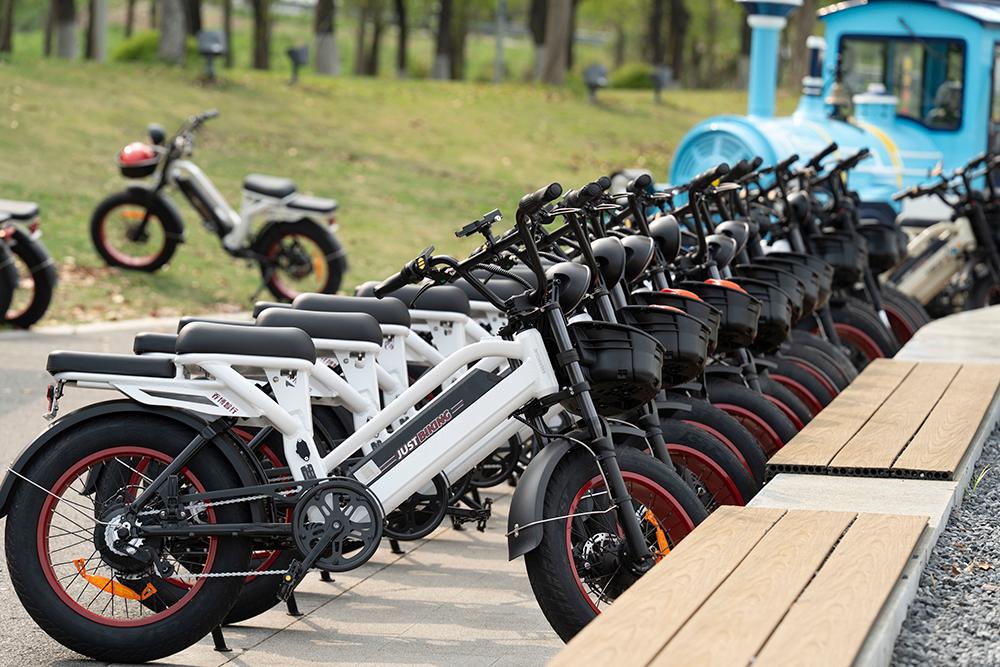
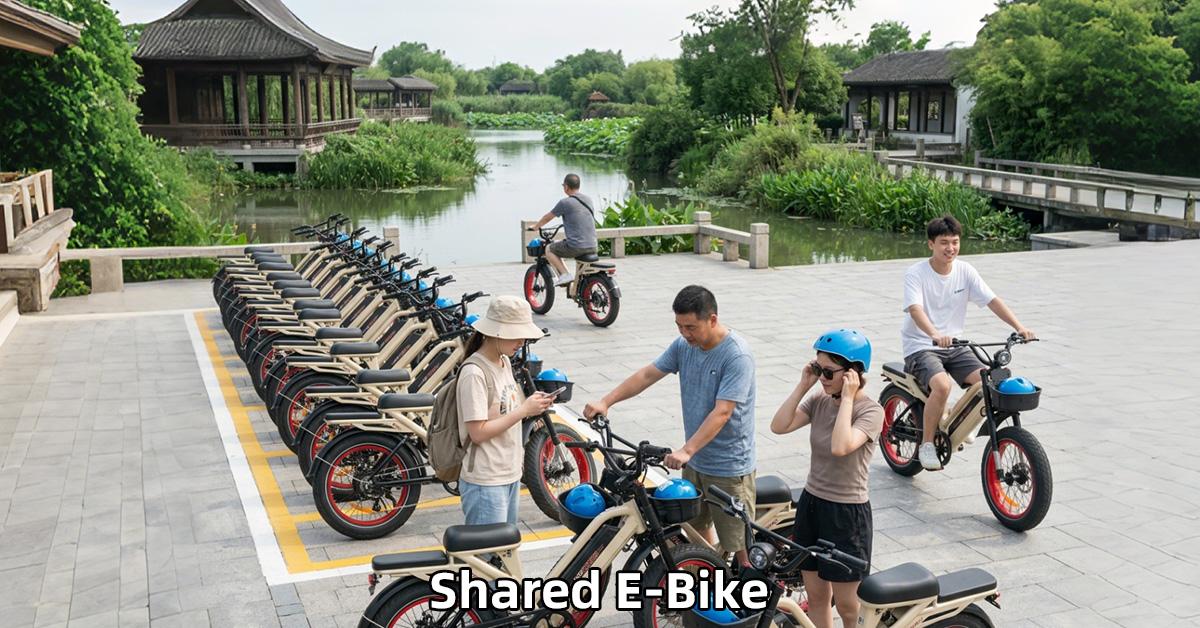
Large resorts, tourism parks, mixed-use destinations, and visitor districts may prefer a controlled shared fleet instead of traditional counter-based rentals.
In these projects, fleet operators may need:
- rider identification;
- smart locks;
- GPS or IoT integration;
- fleet status monitoring;
- designated parking;
- charging management;
- centralized maintenance procedures.
JOBO maintains a dedicated shared electric bike product category for shared-mobility applications.
When an E-Bike Fleet May Not Be the Right Solution
A serious procurement plan should also identify unsuitable applications.
Electric bikes may not be the best solution when routes require vehicle classifications or speeds outside local e-bike regulations, when guests will ride highly technical terrain without suitable experience, or when a remote operation has no realistic charging, recovery, spare-parts, or maintenance capability.
Likewise, buying a high-performance model simply because its specifications look impressive can create unnecessary cost and complexity for a flat urban sightseeing route.
The best tourism e-bike is the one matched to the operating environment—not the one with the highest motor power or largest battery on paper.
Which Electric Bike Types Work Best for Tourism Operators?
Tourism is not one application. Different destinations require different vehicle platforms.
| E-Bike Type | Best Tourism Applications | Main Advantages | Key Procurement Considerations |
|---|---|---|---|
| City / Step-Through E-Bike | Hotels, urban tours, resorts, sightseeing | Comfortable, accessible, easy to ride | Fit range, braking, battery access, low-speed control |
| Folding E-Bike | Compact hotels, boats, RV tourism, multimodal tours | Easier storage and transport | Folding mechanism durability, wheel size, handling |
| Mountain / Fat Tire E-Bike | Rural routes, trails, gravel, adventure tourism | Better surface capability and traction | Suspension, brakes, tire wear, rider skill |
| Cargo E-Bike | Resort operations, equipment transport, tour support | Carries supplies and operational equipment | Payload, rack design, stability, braking |
| Shared / Smart E-Bike | Resorts, visitor districts, destination fleets | Supports controlled self-service mobility | Locks, software integration, charging, fleet management |
City E-Bikes for Hotels and Sightseeing
For many tourism businesses, a city e-bike is the safest place to start.
An upright position, predictable handling, practical tires, comfortable contact points, and straightforward controls can be more important than extreme performance.
JOBO's Electric City Bike range includes city commuter, belt-drive, lightweight, ladies, full-suspension, and smart city platforms.
These configurations can be evaluated for:
- hotel guest rentals;
- urban sightseeing;
- resort transportation;
- historic-town tours;
- low-to-moderate gradient routes.
Folding E-Bikes Where Storage Space Matters
A folding fleet can make sense for operators with limited storage or multimodal tourism programs.
Examples include:
- boutique hotels;
- camper and RV tourism;
- boat-based excursions;
- rail-connected cycling tours;
- tour vans carrying several bicycles.
JOBO's Electric Folding Bike category includes 20-inch, lightweight, long-range, fat-tire, and mid-drive folding platforms.
For commercial use, buyers should pay particular attention to hinge durability, locking mechanisms, repeated folding cycles, component accessibility, and how quickly staff can inspect a returned bike.
Mountain and All-Terrain E-Bikes for Adventure Routes
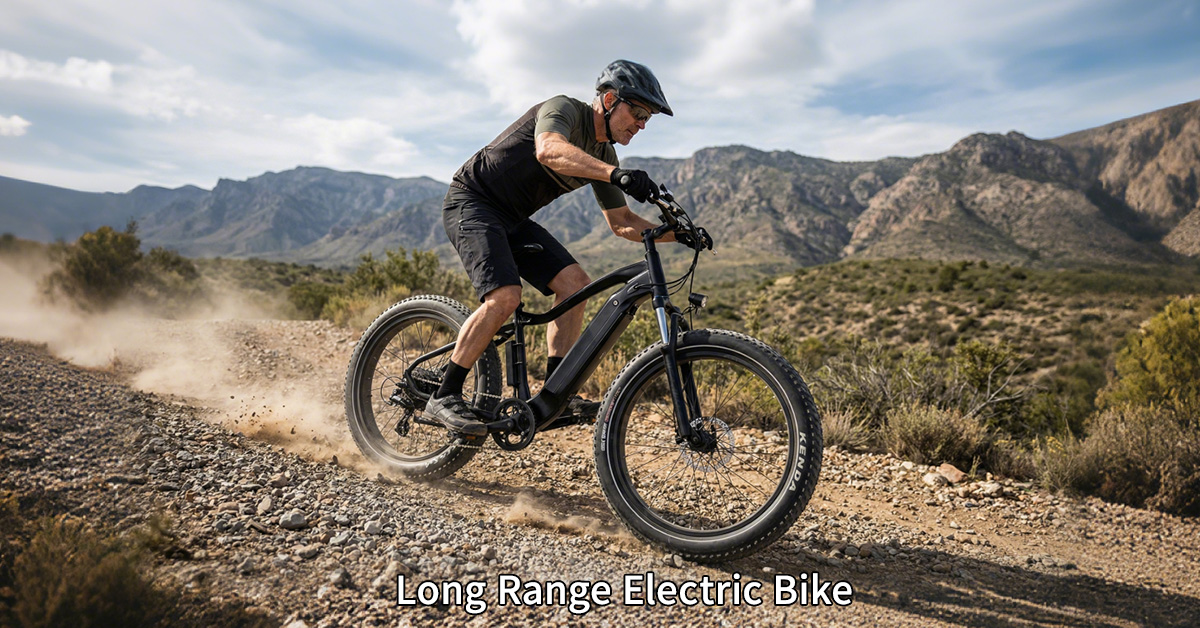
Tourism businesses operating on gravel roads, hills, forest routes, or recreational trails may need an electric mountain bike instead of a city platform.
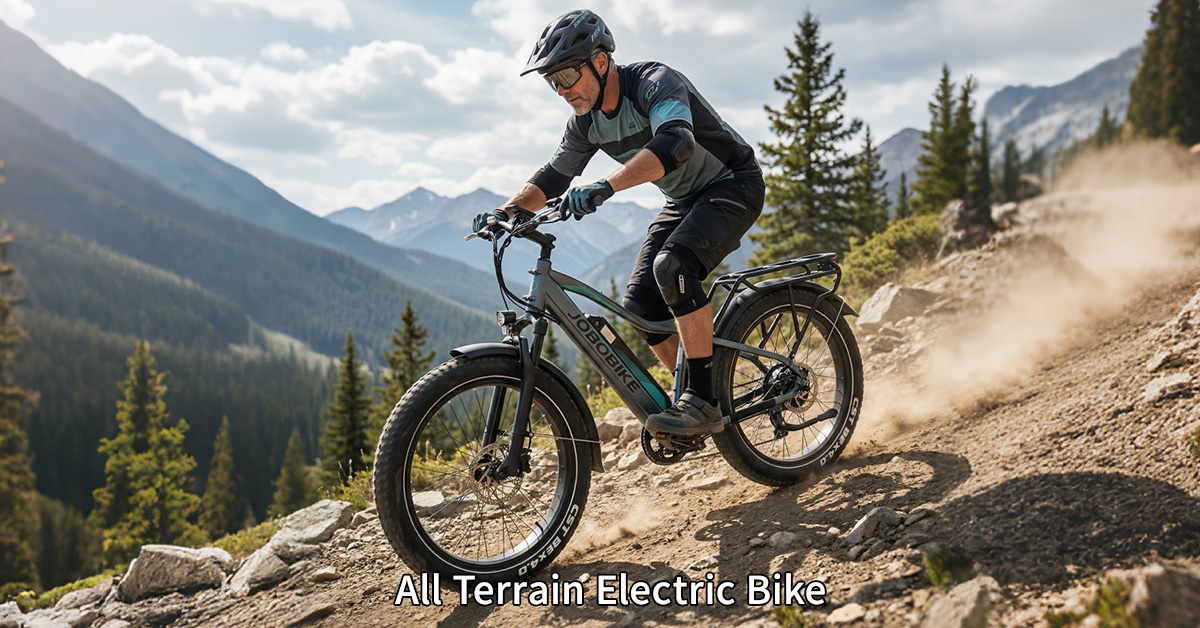
JOBO's Electric Mountain Bike category includes fat-tire, all-terrain, full-suspension, long-range, and other mountain-oriented configurations.
For an adventure tourism fleet, selection should consider the route before the specification sheet.
Questions should include:
- How steep are the climbs?
- What percentage of the route is paved?
- Are surfaces loose, rocky, sandy, or muddy?
- How experienced are typical guests?
- How much braking is required on descents?
- Can staff service suspension and hydraulic brake systems?
- How far is the rider from the fleet base if a problem occurs?
Cargo E-Bikes for Tourism Operations Behind the Scenes
Not every tourism e-bike needs to carry a guest.
A cargo electric bike can support hotel and resort operations by moving supplies, tools, picnic equipment, rental accessories, or staff items around a destination. JOBO's category includes delivery, family cargo, front cargo, fat-tire cargo, and long-tail configurations.
A mixed fleet may therefore contain guest bikes plus a small number of cargo or utility models for operational support.
Seven Technical Factors to Evaluate Before Buying
1. Battery Range Should Match the Operating Day
Published maximum range is not the same as guaranteed commercial operating range.
Real-world energy consumption changes with:
- rider weight;
- assistance level;
- hills;
- temperature;
- tire pressure;
- wind;
- route surface;
- stop-start frequency;
- cargo load.
Tourism operators should therefore define a route-based battery requirement, not simply select the model with the largest advertised range.
A better procurement question is:
Can this battery comfortably complete our longest normal rental or guided route while preserving an operational reserve?
2. Motor Type Should Match Terrain and Service Priorities
Hub motors and mid-drive systems can both work in tourism applications.
Hub-drive platforms may be attractive for straightforward city or leisure fleets where simplicity is important.
Mid-drive systems can be useful where operators prioritize balanced weight distribution, climbing performance, or more natural assistance characteristics.
The correct choice depends on route conditions, maintenance capability, target price, and rider expectations.
3. Braking Matters More in Rental Fleets
A tourism bike may be ridden by someone unfamiliar with the route, bike, local traffic, or e-bike assistance.
That makes predictable braking particularly important.
Buyers should evaluate:
- brake type;
- rotor dimensions where applicable;
- stopping consistency;
- lever feel;
- heat management on long descents;
- pad availability;
- inspection intervals.
Mountain tours and loaded cargo applications generally place higher demands on braking systems than flat resort paths.
4. Frame Geometry Affects Guest Accessibility
A rental bike needs to fit many users.
Step-through or low-step designs can be valuable where accessibility and frequent mounting matter. Operators should also evaluate:
- recommended rider-height range;
- saddle adjustment;
- handlebar position;
- reach;
- wheel size;
- frame stiffness;
- weight distribution.
Rather than ordering a fleet based only on frame appearance, tourism buyers should test whether a limited number of frame sizes can realistically serve their target guest profile.
5. Tires and Suspension Must Match the Route
A wide tire is not automatically better, and suspension is not automatically required.
For smooth urban routes, lower rolling resistance and easy handling may matter more.
For rough resort roads, gravel, sand-adjacent paths, or recreational trails, larger tires and suspension may improve control and comfort.
The key is to avoid over-specification that increases maintenance without creating useful guest value.
6. Components Should Be Selected for Serviceability
Commercial tourism fleets benefit from standardization.
Using common brake pads, tires, tubes, drivetrain parts, displays, batteries, and electrical components can simplify inventory and technician training.
Before ordering, ask the supplier:
- Which replacement parts should we stock?
- Which components are proprietary?
- Can batteries be replaced individually?
- Are controllers and displays interchangeable within the fleet?
- Are exploded diagrams or service documentation available?
- Can the supplier support repeat parts orders?
7. Compliance Must Be Verified for the Target Market
Regulatory requirements vary by destination and vehicle configuration.
JOBO states that more than 35 models have TUV/EN15194 certification, but tourism buyers should verify the specific model, configuration, motor system, and intended market rather than assuming one approval automatically applies to every fleet configuration.
This becomes especially important if OEM changes affect electrical components, speed settings, lighting, batteries, or other regulated elements.
What Makes a Tourism Fleet Different From Consumer E-Bikes?
A consumer bike is usually ridden by one owner who learns its controls and notices gradual changes.
A tourism bike may be used by several unrelated riders in a short period.
That creates three commercial requirements.
Repeatability
Each bike should behave similarly enough that staff can brief riders quickly and technicians can follow standardized procedures.
Fast Inspection
Staff need a simple pre-rental and post-rental routine covering items such as:
- brakes;
- tires;
- battery charge;
- lights;
- visible frame damage;
- drivetrain;
- controls;
- fasteners.
Repairability
A theoretically premium component can become a poor commercial choice if replacement parts are unavailable during the tourism season.
For fleet buyers, serviceability is part of product performance.
How to Plan Fleet Size and Charging Capacity
There is no universal answer to how many electric bikes a tourism operator should buy.
A useful starting model is:
Expected peak riders + maintenance reserve + charging reserve = practical fleet requirement
Instead of purchasing a large fleet immediately, a new operator may begin with a controlled pilot.
A Practical Pilot Process
- Define the primary routes.
- Identify typical guest profiles.
- Select two or three suitable configurations.
- Test sample bikes on the actual route.
- Record battery use, braking behavior, rider feedback, and maintenance needs.
- Standardize the preferred configuration.
- Build the bulk fleet around real operating evidence.
This approach reduces the risk of ordering an attractive specification that performs poorly in the actual tourism environment.
What Does a Tourism E-Bike Fleet Really Cost?
Purchase price is only one part of fleet economics.
Tourism operators should consider total cost of ownership, including:
- initial bike cost;
- freight and import costs;
- local assembly where applicable;
- batteries;
- chargers;
- spare parts;
- tires and brake pads;
- staff training;
- scheduled maintenance;
- repair labor;
- fleet downtime;
- bike recovery;
- software or connectivity where used;
- eventual battery and component replacement.
A cheaper bike that spends more time unavailable can generate a worse commercial result than a better-supported fleet with a higher initial purchase price.
For supplier comparison, request quotations in a way that makes configurations directly comparable.
A useful RFQ should specify:
- intended country;
- fleet quantity;
- route type;
- terrain;
- expected daily distance;
- target rider profile;
- required motor system;
- preferred battery capacity;
- tire type;
- brake system;
- accessories;
- branding requirements;
- spare-parts package;
- required certifications.
Why Quality Control Matters for High-Use Tourism Fleets
Tourism operators need consistency across the batch, not just a good showroom sample.
JOBO's QC Labs describe an IQC → IPQC → FQC → QA quality workflow. Its published test capabilities include frame fatigue testing, disc-brake mounting fatigue testing, complete-bike testing, battery performance and thermal-shock testing, and motor torque/power testing.
For tourism buyers, these capabilities matter because fleet use combines repeated loading, frequent braking, varying rider weights, regular charging cycles, and high seasonal utilization.
During supplier evaluation, ask for evidence relevant to the exact model being purchased rather than relying only on general factory claims.
Useful documents may include:
- model specifications;
- applicable certification records;
- QC procedures;
- component lists;
- sample inspection records;
- battery documentation;
- spare-parts recommendations;
- packing details.
How OEM Customization Can Improve a Tourism Fleet
Tourism operators often need something between a standard retail bike and a fully custom vehicle.
OEM customization can help create a fleet that better fits the destination.
Branding
Possible fleet branding may include:
- frame colors;
- logos;
- decals;
- model naming;
- branded packaging;
- operating labels.
This is particularly useful for resorts, destination brands, rental networks, and tour operators that want the bikes to become part of the guest experience.
Configuration
A tourism operator may also need to adjust:
- motor system;
- battery;
- tires;
- braking;
- suspension;
- racks;
- baskets;
- lighting;
- displays;
- accessories.
The objective should not be customization for its own sake.
Every specification change should answer an operational need such as route capability, guest comfort, maintenance simplicity, branding, or local compliance.
Why Supplier Manufacturing Capability Matters
For a small trial fleet, sourcing may appear to be primarily a product-selection problem.
Once the project expands to multiple destinations, seasons, or branded fleets, the manufacturer becomes part of the operating system.
JOBO describes its business as an OEM/ODM e-bike manufacturing operation with production bases in China and Poland. Its China headquarters includes a 50,000 m² facility, frame production, automated painting, and three assembly lines, while its in-house frame factory uses CNC equipment and robotic welding for deeper ODM development.
For European projects, the Poland operation may also be relevant where local assembly or regional supply planning is required. Buyers should discuss the actual project route, stock model, order quantity, configuration, and delivery arrangement directly with the supplier rather than assuming every model follows the same fulfillment plan.
You can review JOBO's broader electric bike product range before shortlisting configurations.
A Procurement Checklist for Tourism Operators
Before approving a fleet, a tourism operator should be able to answer the following questions:
- What routes will the bikes actually travel?
- What is the longest normal journey?
- What gradients and surfaces are involved?
- Who are the typical riders?
- Will guests ride independently or with guides?
- How many rental cycles can occur each day?
- Where will bikes be stored?
- How will batteries be charged?
- Who performs daily inspection?
- Which spare parts should remain onsite?
- What happens when a bike fails away from the base?
- Which local standards or regulations apply?
- Is branding required?
- Can the same supplier support expansion next season?
If several of these questions remain unanswered, it is usually too early to finalize the bike specification.
FAQ
What are the best electric bikes for tourism operators?
There is no single best model. City or step-through e-bikes usually suit hotels and urban tours, folding models suit compact storage and multimodal travel, while mountain or fat-tire models are better candidates for rougher recreational routes. Selection should follow the actual route and operating model.
How much battery range should a tourism e-bike have?
The battery should complete the longest normal guest route with a practical reserve. Operators should test range under realistic rider weight, assistance level, terrain, temperature, and route conditions rather than relying only on a maximum laboratory or marketing figure.
Are fat-tire e-bikes suitable for tourism rentals?
They can be useful for appropriate gravel, loose-surface, recreational, or coastal routes, but they are not automatically the best choice for every destination. Tire wear, rolling resistance, maintenance, storage, and route conditions should all be considered.
Should a hotel choose hub-drive or mid-drive e-bikes?
Both can work. Hub-drive systems may suit straightforward leisure fleets, while mid-drive systems can be attractive for hillier routes or projects prioritizing balanced assistance. The decision should include maintenance capability and target price, not motor location alone.
Can tourism e-bikes be private labeled?
Yes. OEM projects can potentially include branding, colors, decals, components, batteries, accessories, displays, and packaging depending on the selected platform and project requirements. Confirm the available customization scope before sampling.
How should tourism operators test an e-bike before bulk ordering?
Test samples on the actual guest routes. Evaluate comfort, climbing, battery consumption, braking, handling, charging, storage, component wear, and staff maintenance procedures. A route-based test is more useful than evaluating the bike only inside a showroom.
What spare parts should a rental fleet keep onsite?
Typical priorities may include brake pads, tires or tubes where applicable, drivetrain wear parts, fasteners, chargers, and selected electrical components. The exact spare-parts kit should be agreed with the supplier based on the chosen model and fleet size.
What certifications should tourism operators request?
Requirements depend on the country and exact vehicle configuration. Buyers should confirm model-specific documents and applicable local e-bike rules before purchase. European buyers, for example, should verify whether the selected configuration falls within relevant EN and regulatory requirements.
How can operators reduce fleet downtime?
Standardize models and components, maintain a reserve of essential parts, create daily inspection procedures, track maintenance history, train staff, and select a supplier that can support replacement components and repeat orders.
Can JOBO supply electric bikes for tourism operators?
JOBO offers city, folding, mountain, cargo, shared and other e-bike platforms alongside OEM/ODM manufacturing and quality-control capabilities. Tourism operators can contact JOBO with their destination, terrain, fleet quantity, expected daily distance, branding needs, and target market so an appropriate configuration can be evaluated.
Conclusion
Choosing electric bikes for tourism operators is primarily a fleet-planning decision. The right bike must connect guest comfort with terrain suitability, battery planning, braking, serviceability, maintenance, compliance, spare-parts support, and total operating cost.
Hotels and urban sightseeing businesses may benefit from accessible city platforms. Adventure operators may require mountain or all-terrain configurations. Coastal businesses may need specialized tire and maintenance planning, while larger resorts and destinations may benefit from smart shared fleets or a combination of guest bikes and cargo support vehicles.
The most reliable procurement process is therefore:
define the tourism scenario → map the routes → identify rider requirements → shortlist e-bike types → test samples → verify quality and compliance → standardize components → plan spares and charging → finalize OEM requirements → scale the fleet.
JOBO offers multiple electric bike categories, an in-house frame manufacturing capability, dedicated testing resources, and OEM/ODM support for commercial projects. Tourism businesses planning a new rental fleet or replacing an existing one can contact JOBO with their route conditions and operational requirements to begin a model and configuration assessment.