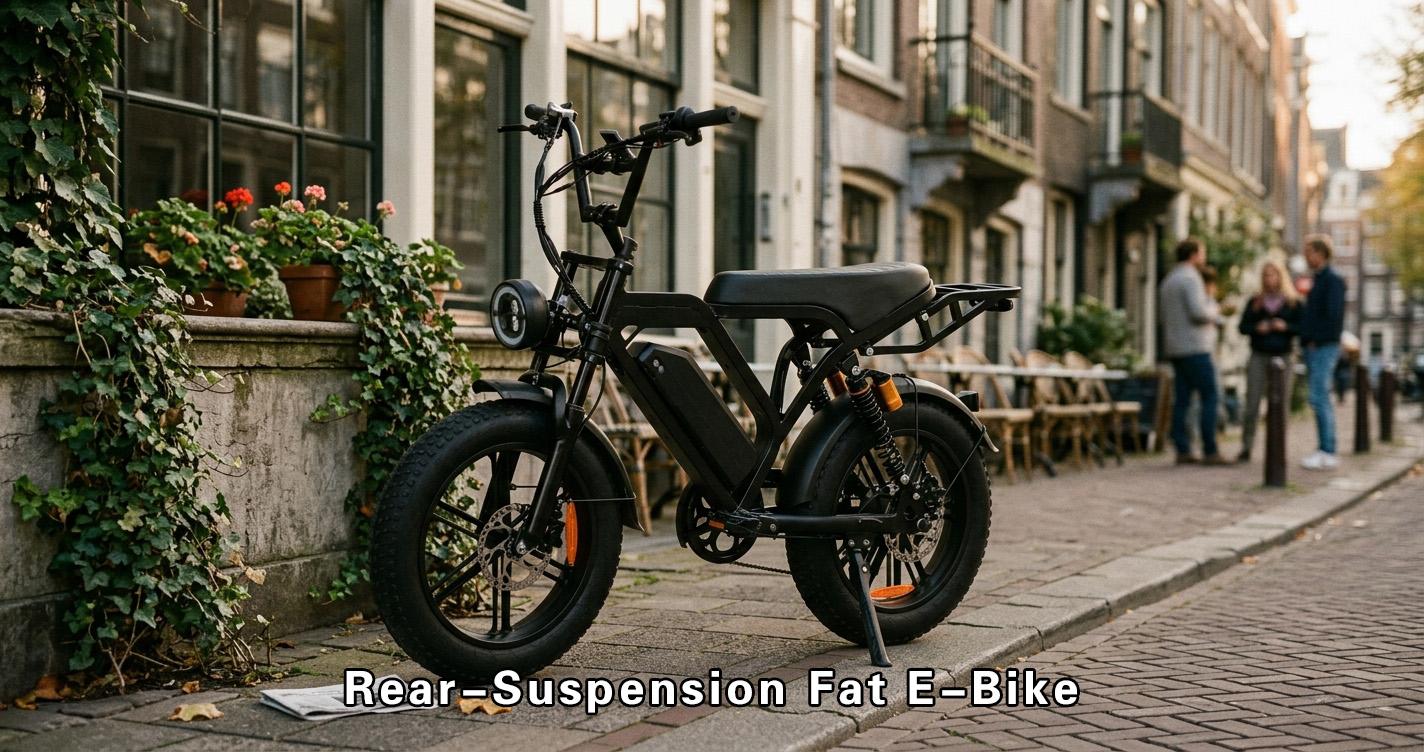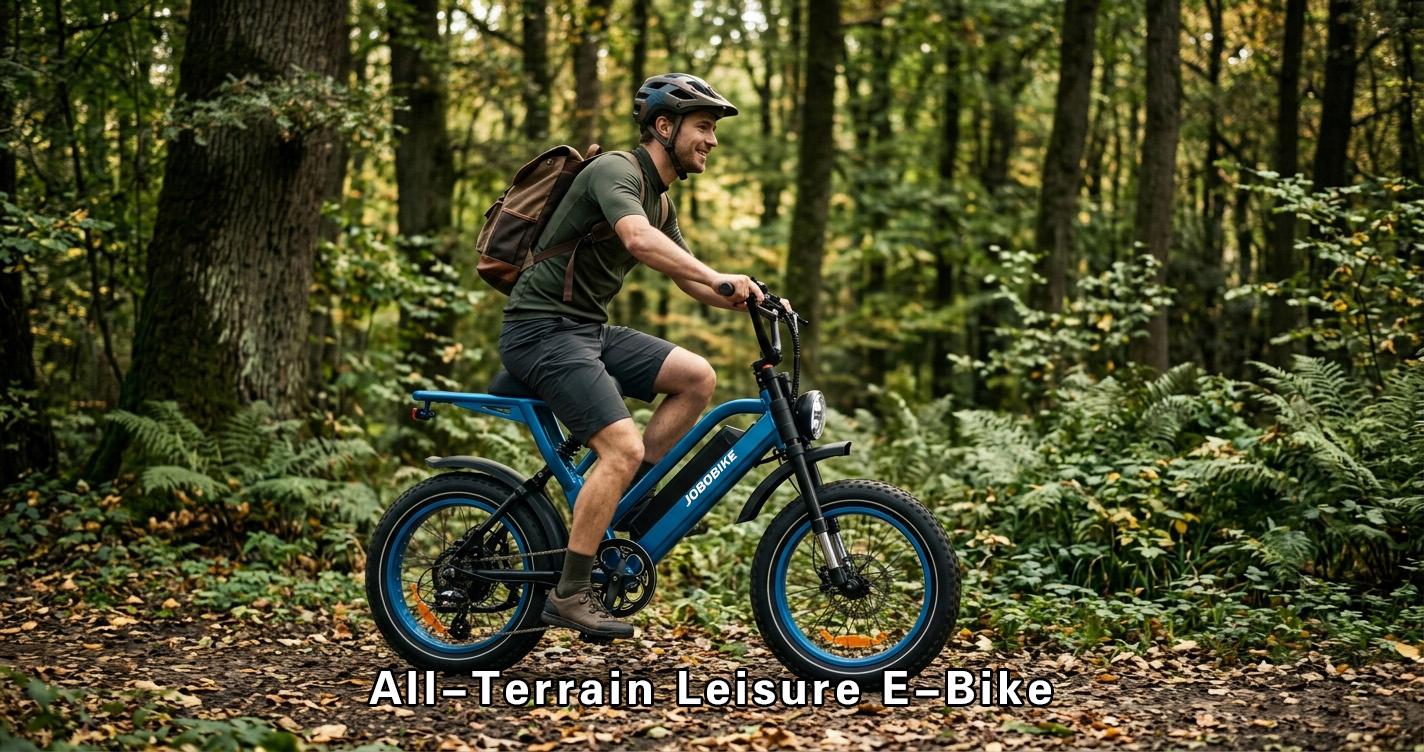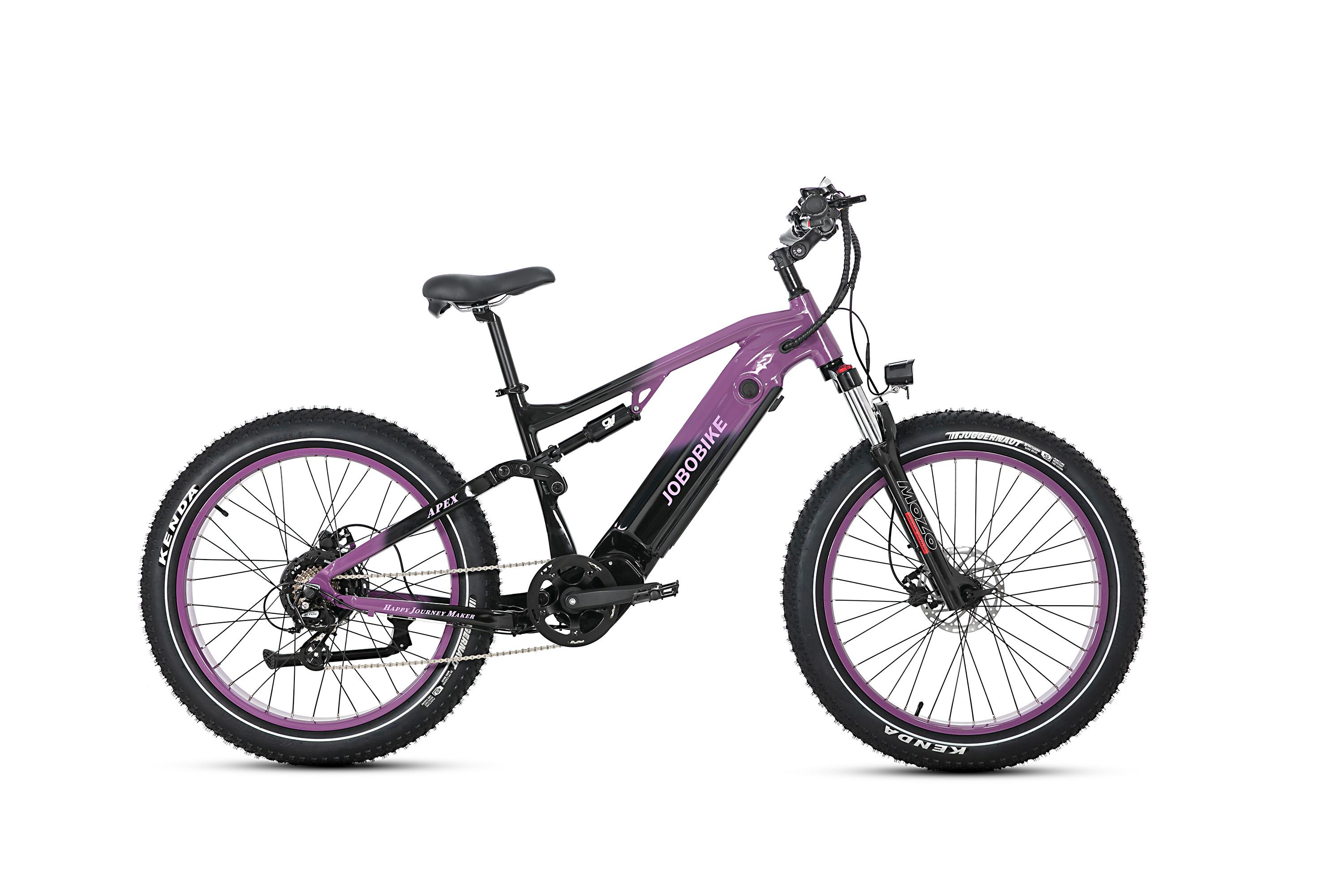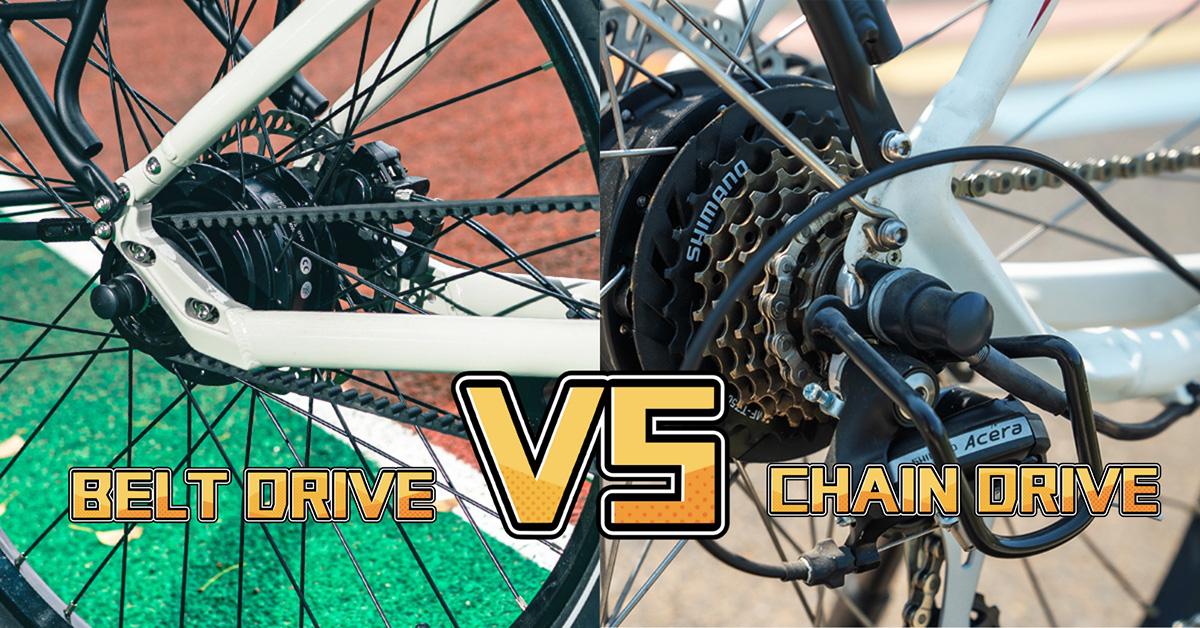
Belt drive and chain drive are the two main drivetrain systems used in electric city bikes, and each serves different urban riding and market needs.
As an electric city bike manufacturer, we help distributors and fleet operators choose the right system based on maintenance, riding environment, and European market expectations.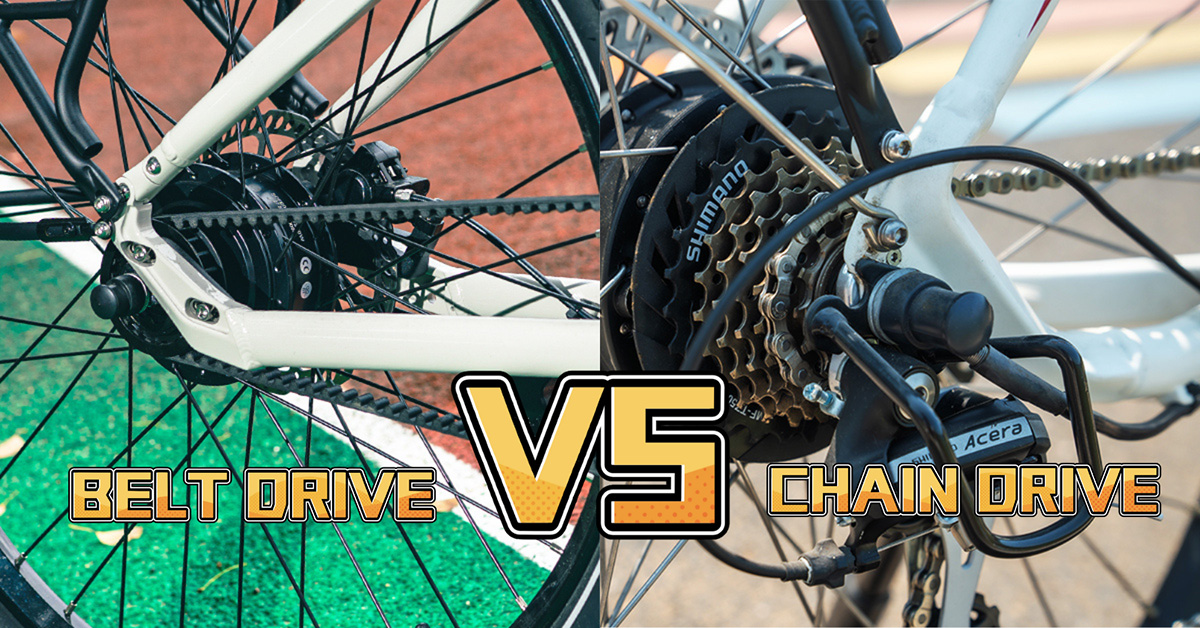
How Does a Belt Drive Electric City Bike Work?
A belt drive electric city bike uses a carbon belt instead of a metal chain to transfer power from the pedals and mid motor to the rear wheel.
Belt drive systems are designed for urban mobility because they:
-
Do not require lubrication
-
Run quietly and smoothly
-
Are rust-free and weather-resistant
-
Have a longer service life
This makes belt drive electric city bikes ideal for daily commuting and premium urban mobility programs.
How Does a Chain Drive Electric City Bike Work?
A chain drive electric city bike uses a traditional metal chain and gear system to transmit power.
Chain drive systems are widely used because they:
-
Have a lower upfront cost
-
Are easy to service and repair
-
Are familiar to most riders
-
Offer flexible gear options
This makes chain drive electric city bikes practical for cost-sensitive and traditional retail markets.
How Do Belt Drive and Chain Drive Compare for Urban Commuting?
Belt drive and chain drive systems differ mainly in maintenance, noise, durability, and long-term operating cost.
| Comparison | Belt Drive City E-Bike | Chain Drive City E-Bike |
|---|---|---|
| Noise | Very quiet | Moderate |
| Maintenance | Very low | Regular lubrication needed |
| Cleanliness | Oil-free | Requires chain oil |
| Durability | Long lifespan | Shorter lifespan |
| Cost | Higher | Lower |
| Best Use | Premium, fleets, Europe | Cost-focused markets |
For dense European cities, belt drive systems are increasingly preferred due to low maintenance and clean operation.
How Does a Mid Motor Affect Belt Drive and Chain Drive Systems?
A mid motor improves both belt and chain drive systems by delivering balanced power directly through the drivetrain.
Mid-drive motors provide:
-
Strong torque for city starts
-
Efficient climbing on bridges and slopes
-
Natural pedaling feel
-
Better balance in traffic
Belt drive systems benefit especially from mid motors because smoother torque reduces drivetrain wear and extends service life.
Which Drivetrain Is Better for the European Market?
Belt drive electric city bikes are better suited for European cities where low maintenance, quiet operation, and year-round commuting are expected.
Why belt drive is popular in Europe
-
Supports clean, oil-free commuting
-
Performs reliably in rain and winter
-
Matches premium and fleet-grade standards
-
Fits CE-certified urban mobility programs
Why chain drive still has demand
-
Lower entry cost
-
Easy to service everywhere
-
Familiar to most consumers
Many electric city bike manufacturers offer both systems to meet different price segments and regional demands.
How Do Electric City Bike Manufacturers Support Both Systems?
Electric city bike manufacturers and OEM suppliers enable brands to offer both belt drive and chain drive models using a shared mid-motor platform.
This allows brands to:
-
Customize drivetrain choice by market
-
Maintain CE compliance in Europe
-
Offer multiple price tiers
-
Scale production efficiently
This flexibility helps distributors compete across different urban mobility segments.
How to Choose Between Belt Drive and Chain Drive Electric City Bikes?
Choose a belt drive electric city bike if you prioritize low maintenance, quiet operation, and European commuter markets.
Choose a chain drive electric city bike if you prioritize lower cost, traditional service networks, and mass-market retail channels.

📞Phone:+86 198 8486 5520
📧Email:info@jobobikes.com/sale09@jobobikes.com
🌐Website: https://www.joboev.com/
Frequently Asked Questions About Belt Drive and Chain Drive Electric City Bikes
What is the main difference between belt drive and chain drive electric city bikes?
The main difference is maintenance and durability. Belt drive systems require no lubrication and last longer, while chain drive systems need regular maintenance but have a lower initial cost.
Are belt drive electric city bikes better for urban commuting?
Yes, belt drive electric city bikes are better for urban commuting because they operate quietly, stay clean, and perform reliably in all-weather city conditions.
Why are belt drive electric city bikes popular in Europe?
They are popular in Europe because European cities prioritize low maintenance, quiet operation, and clean commuting, especially for daily and fleet use.
Do chain drive electric city bikes still make sense for some markets?
Yes, chain drive electric city bikes are suitable for cost-sensitive markets where traditional servicing and lower upfront cost are important.
Does a mid motor work with both belt drive and chain drive systems?
Yes, mid motors work with both systems, but belt drives benefit more from smoother torque delivery and reduced drivetrain wear.
Which drivetrain requires less maintenance?
Belt drive systems require significantly less maintenance because they do not need lubrication and are resistant to rust and wear.
How should distributors choose between belt drive and chain drive?
Distributors should choose based on market positioning: belt drive for premium and European urban markets, and chain drive for cost-focused or traditional retail markets.