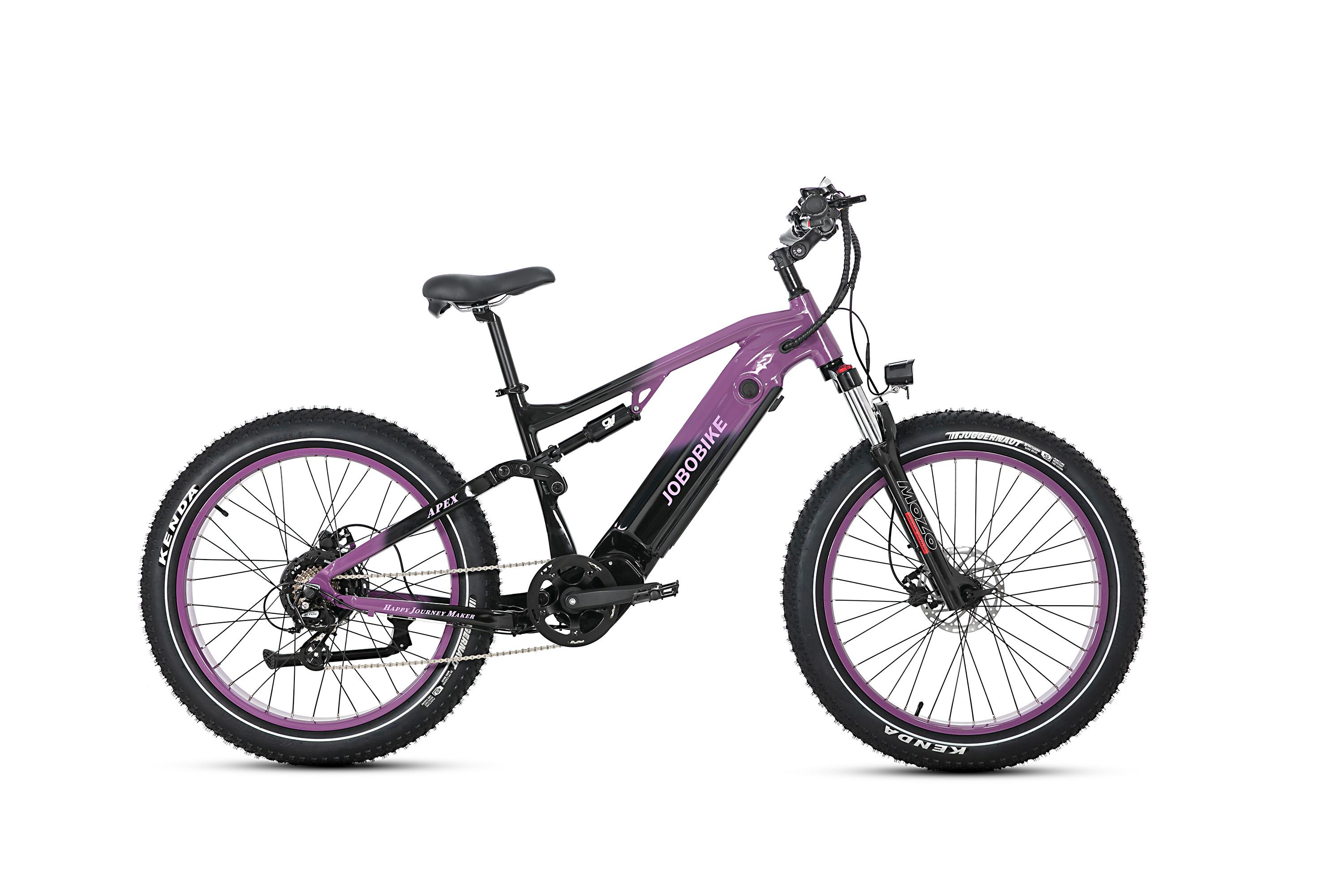
Struggling with thin margins on your bike-share or rental fleet? Switching from distributor procurement to factory-direct OEM partnerships can reduce your total cost of ownership by up to 30%—without sacrificing compliance, quality, or after-sales support.
Why Fleet Operators Are Reconsidering Their Procurement Model
Shared mobility is booming. Cities from Long Beach to Barcelona are expanding bike-share programs, while private operators roll out rental fleets for campuses, resorts, and last-mile delivery hubs. But the economics are tight. Capital costs for Class 1 pedal-assist e-bikes range from $1,200 to $3,500 per unit, and station-based docking infrastructure can hit $30,000–$60,000 per station. When you multiply that across a 500-bike fleet, every dollar of markup matters.
Traditionally, fleet buyers purchase through regional distributors or trading companies. That model offers convenience, but it layers on 18–35% margin markups before the bikes ever reach your warehouse. For fleet operators running on thin margins, that overhead is unsustainable.
The alternative? Factory-direct OEM procurement. By working directly with the manufacturer, you eliminate middleman markups, gain control over component specs, and lock in volume pricing that distributors simply cannot match.
The 30% Cost Breakdown: Where the Savings Come From
1. Eliminate Distributor Markup on Components
When you buy through a distributor, you are not just paying for the bike. You are paying for the distributor’s margin on the motor, battery, drivetrain, and frame—often 18–35% above factory cost
. In a factory-direct model, you specify the exact part numbers (Bafang motor, Samsung battery cells, Tektro hydraulic brakes) and pay only for assembly integration. On a 100-unit cargo e-bike order, that alone can save $40,000–$70,000.
2. Custom Spec for Fleet Duty Cycles
Fleet bikes endure 4–8 daily uses, far beyond consumer-grade wear patterns
. A factory partner can upgrade critical wear components at source:
-
Battery: Samsung/LG cells with 800+ cycle warranties instead of generic 500-cycle packs
-
Brakes: Hydraulic disc brakes with 180mm rotors for heavy-duty stopping power
-
Frame: TIG-welded 6061-T6 aluminum rated for commercial payloads
-
Drivetrain: Shimano Deore-tier components instead of entry-level Tourney groupsets
These upgrades cost marginally more at the factory but prevent premature failures that drive up your total cost of ownership (TCO) by 20–35%.
3. Volume Pricing and Flexible MOQs
Most OEM e-bike factories operate with minimum order quantities (MOQs) of 50–200 units per model.
For fleet operators, that threshold is easily reachable. In exchange, factories offer tiered pricing that drops per-unit cost by 9–14% at 25+ units per quarter, and deeper discounts at 100+ units.
4. Consolidated Logistics and Direct Shipping
Factory-direct procurement lets you coordinate full-container loads (FCL) from the manufacturing hub—typically Shenzhen or Ningbo—straight to your warehouse. This avoids the fragmented LCL (less-than-container-load) shipping that distributors use to mix SKUs, which adds 15–20% in logistics costs.
What to Look for in a Factory-Direct OEM Partner
Not every factory is equipped for fleet partnerships. Here is a checklist to qualify your supplier:
| Criteria | Why It Matters | Red Flags |
|---|---|---|
| In-house frame production | Ensures quality control and custom geometry for fleet branding | Outsourced frames with no welding inspection reports |
| Certified component sourcing | UL, CE, EN 17860 compliance for insurance and municipal permits | Vague “brand-name equivalent” claims |
| Fleet warranty terms | 5-year frame, 800+ cycle battery, 5-day parts turnaround | Calendar-based battery warranties that ignore usage intensity |
| Telematics integration | GPS locks, IoT connectivity, and fleet management API compatibility | No software integration support |
| After-sales parts network | Regional spare parts hubs to minimize fleet downtime | No documented parts catalog or lead-time guarantees |
Real-World Application: A 500-Bike Shared Fleet Scenario
Let’s run the numbers for a mid-sized bike-share operator launching in a U.S. city:
| Cost Item | Distributor Model | Factory-Direct OEM | Savings |
|---|---|---|---|
| E-bike unit cost (Class 1, 48V system) | $2,800 | $2,100 | $700/unit |
| Custom fleet branding & color | $150/unit add-on | Included in tooling | $150/unit |
| Shipping (per unit, consolidated FCL) | $220 | $140 | $80/unit |
| Spare parts reserve (annual) | $45,000 | $28,000 | $17,000 |
| Total for 500 bikes + 1-year ops | $1,607,500 | $1,124,000 | $483,500 (~30%) |
Note: Figures are illustrative based on 2026 B2B e-bike procurement benchmarks.
Common Concerns About Factory-Direct Procurement
“Will I lose warranty protection?”
No—if you negotiate correctly. Reputable OEMs offer fleet-specific warranties that often exceed distributor terms. Insist on written coverage for your top five wear components (motor, battery, controller, drivetrain, brakes) with cycle-based battery guarantees and frame coverage measured in years, not months.
“What about compliance and certification?”
A qualified factory partner handles UL 2849, CE, and EN 17860 documentation as part of the production contract. This is critical: UL certification for lithium battery systems alone can cost $15,000–$25,000 per model if pursued independently. Factory-direct partners absorb this into the unit price.
“Isn’t communication harder with overseas factories?”
Modern OEMs serving the B2B fleet market employ English-speaking project managers, provide itemized bills of material, and offer third-party audit support (SGS, AsiaInspection) for €800–€1,200. The transparency is often better than dealing with opaque distributor supply chains.
How to Transition from Distributor to Factory-Direct
-
Audit your current TCO
Include hidden costs: distributor markup, fragmented shipping, warranty claim delays, and non-standard parts availability. -
Shortlist 3–5 OEMs with fleet experience
Look for factories with existing bike-share or rental fleet references. Request factory audit reports and component sourcing documentation. -
Start with a pilot order (50 units)
Validate quality, assembly consistency, and logistics before scaling to full fleet volume. -
Negotiate fleet-specific terms
Lock in multi-year pricing, spare parts availability, and telematics integration in your master agreement. -
Plan for phased deployment
Align procurement with your rollout schedule to avoid warehouse storage fees and inventory depreciation.
Conclusion: Factory Direct Is a Strategic Advantage, Not Just a Cost Cut
For shared fleet operators, procurement is not a back-office function—it is a competitive weapon. By partnering directly with an OEM factory, you gain price transparency, component control, and supply chain resilience that distributor models cannot replicate. The 30% cost reduction is real, but the long-term value lies in building a fleet that lasts longer, breaks down less, and scales efficiently.
If you are planning a 100+ unit fleet deployment in 2026, the question is no longer whether to go factory direct, but which factory partner can deliver the compliance, quality, and support your operation demands.
Ready to cut your fleet procurement costs?
Contact JOBO Bikes for a factory-direct fleet consultation. We specialize in OEM/ODM e-bike production for shared mobility operators, with UL/CE-certified models, customizable fleet specs, and dedicated B2B support.
Contact JOBO Bikes for a factory-direct fleet consultation. We specialize in OEM/ODM e-bike production for shared mobility operators, with UL/CE-certified models, customizable fleet specs, and dedicated B2B support.