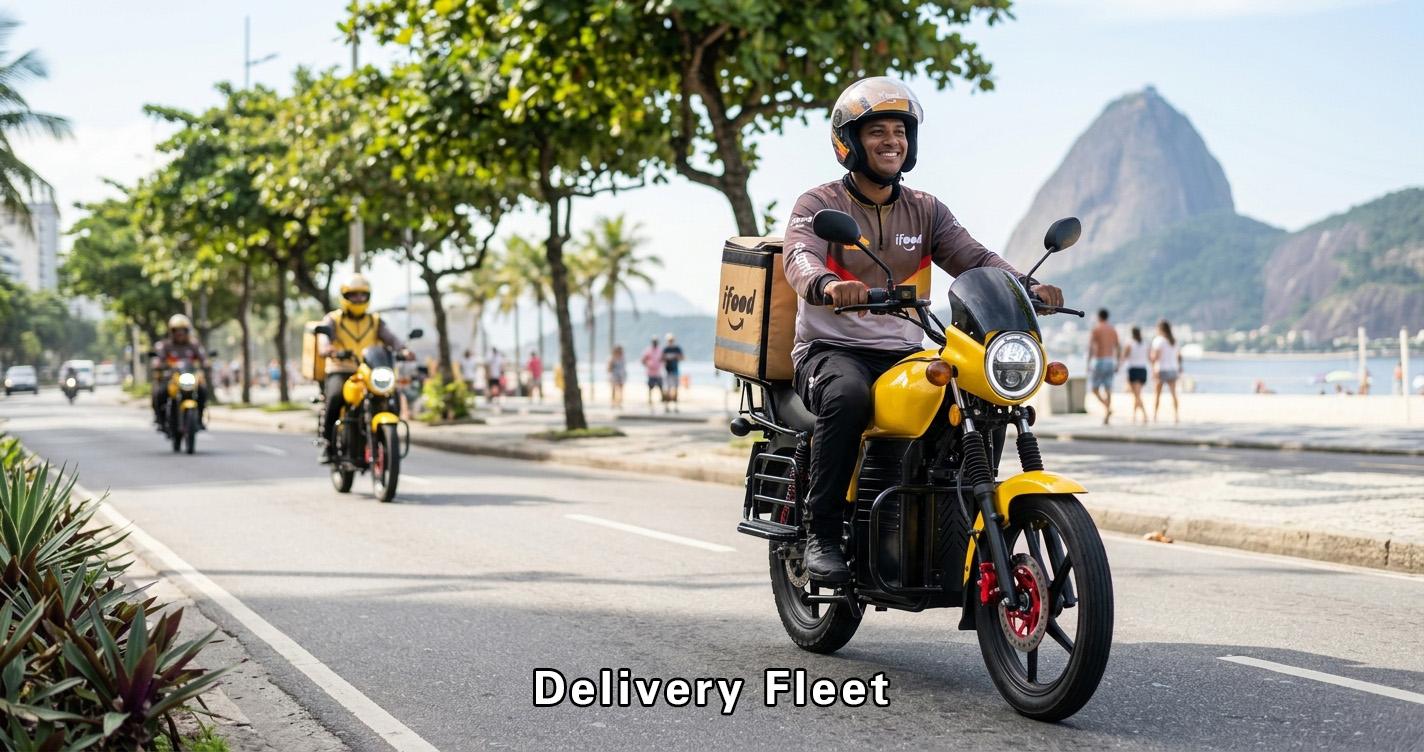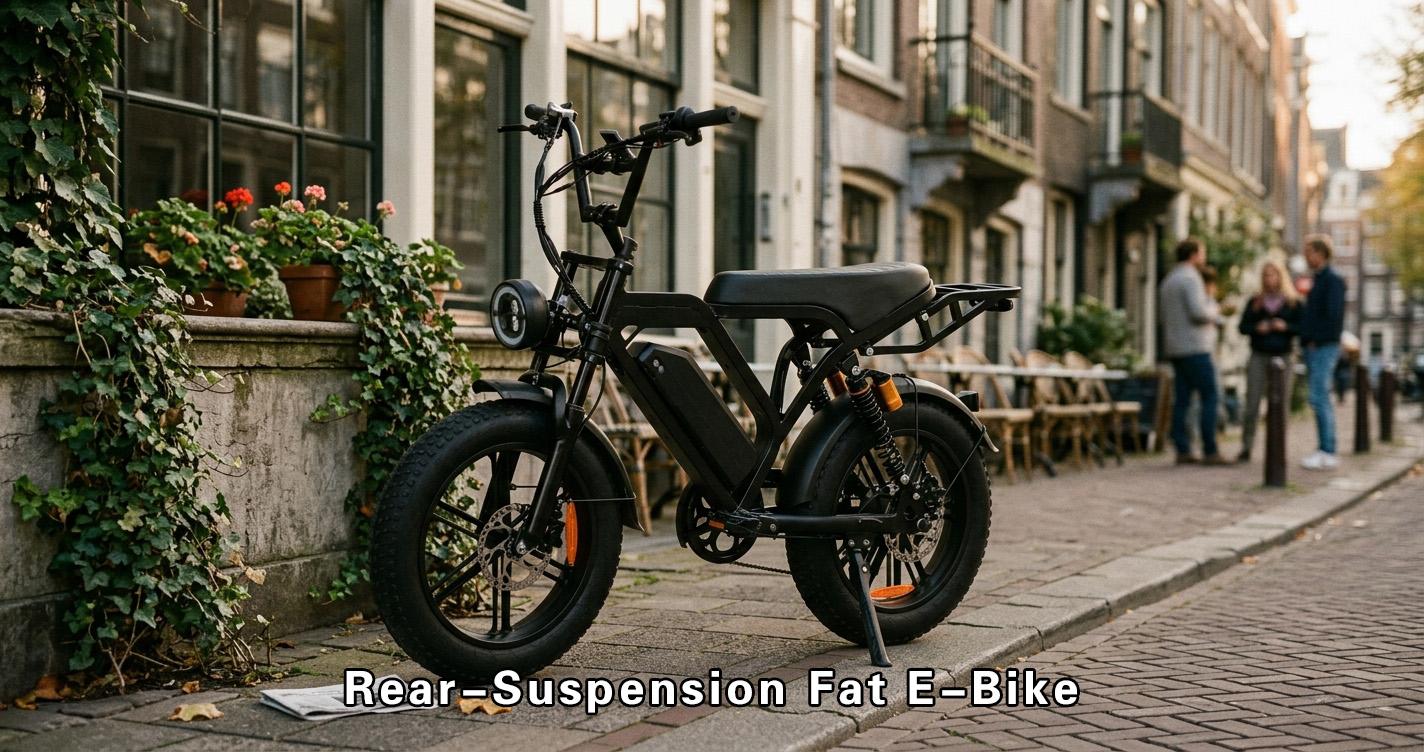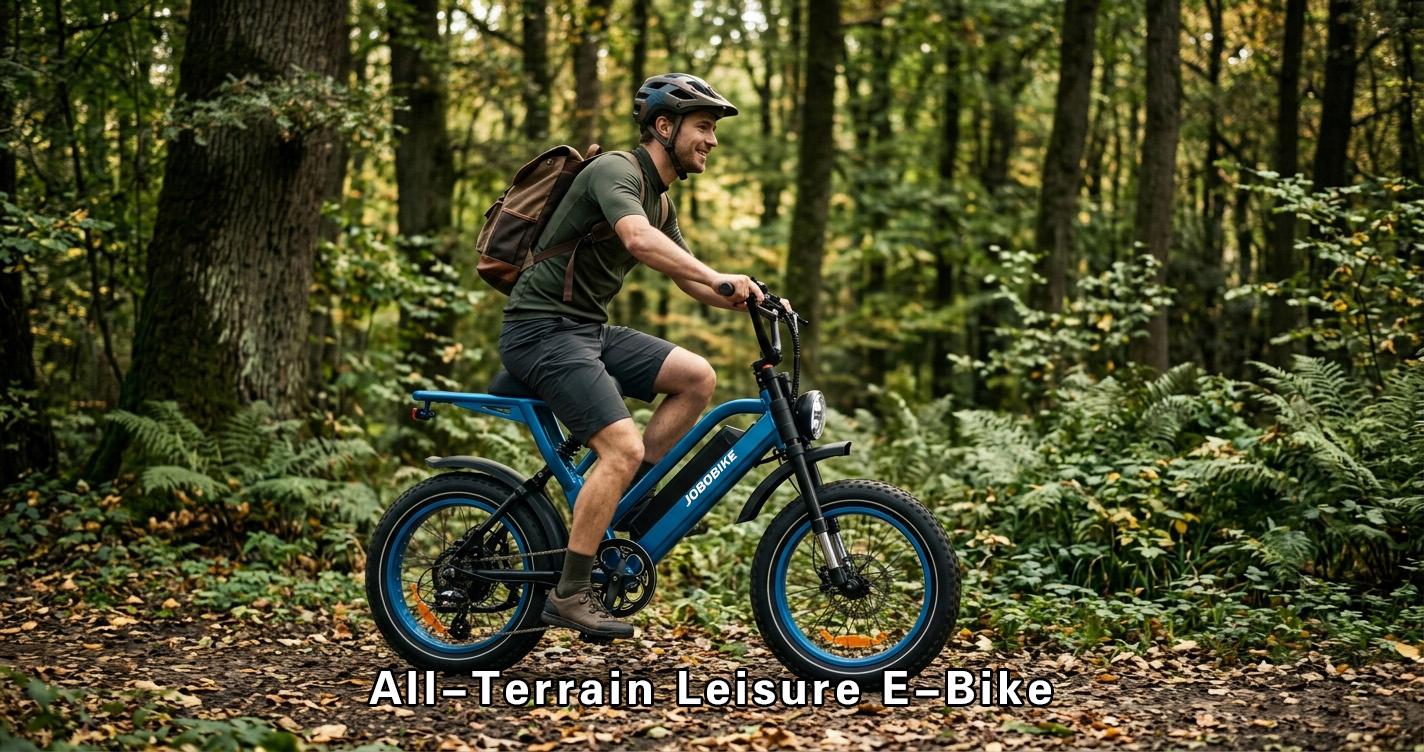
The moped-style e-bike is one of the fastest-growing segments in the electric mobility market. Blending vintage motorcycle aesthetics with modern electric drivetrains, these bikes offer a unique combination of style, comfort, and practicality. Whether you are a daily commuter, a weekend explorer, or a brand looking for OEM electric bike solutions, understanding the fundamentals of moped-style e-bikes is essential.
Below, we answer the ten most frequently asked questions about moped-style e-bikes, using the specifications of a 20-inch steel-frame fat-tire model as a practical reference.
1. What Exactly Is a Moped-Style E-Bike?
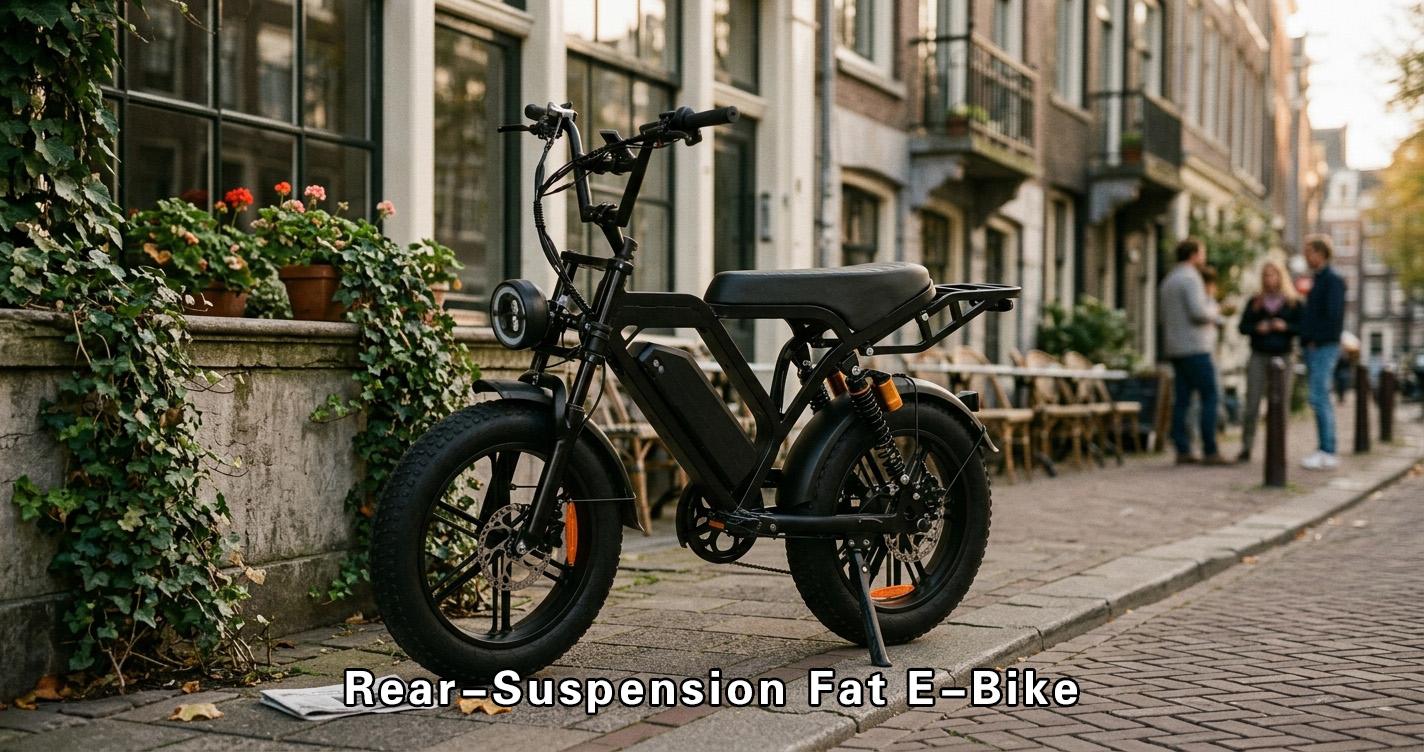
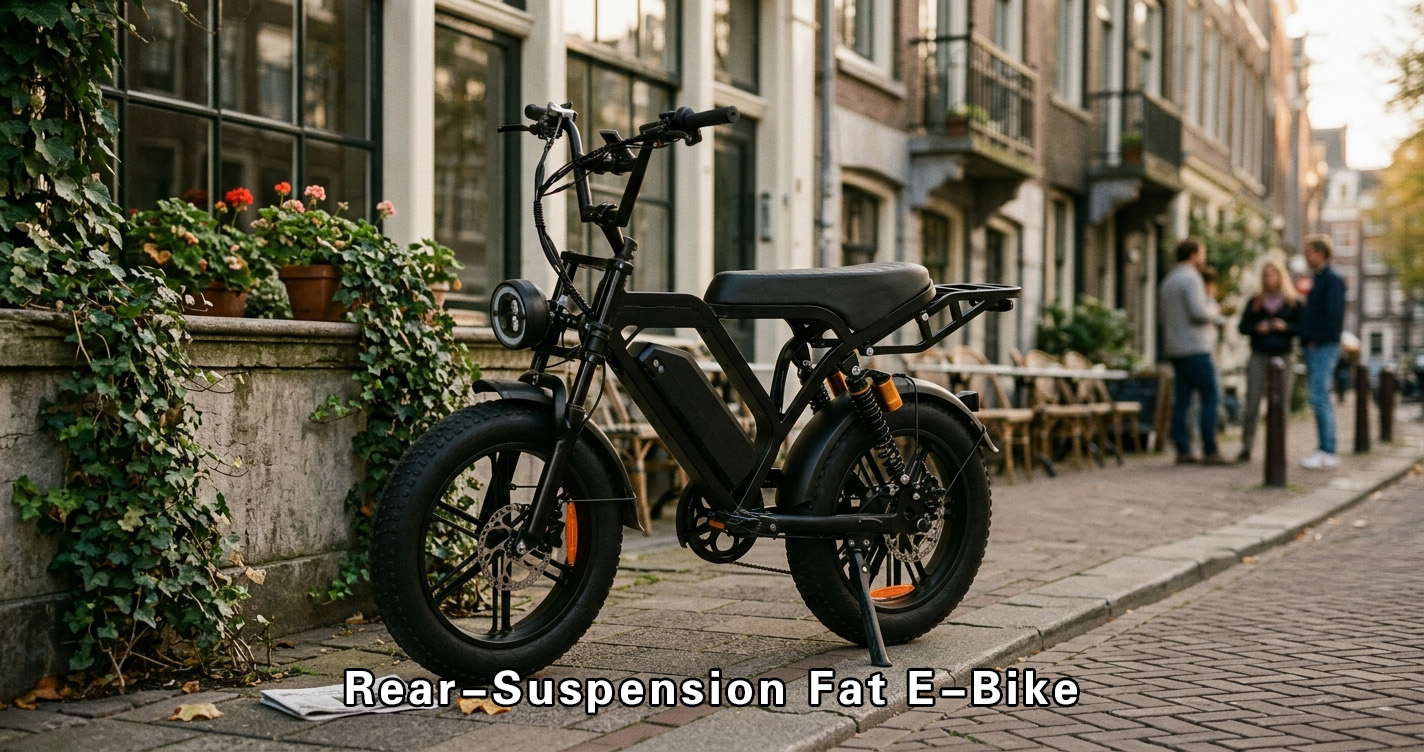
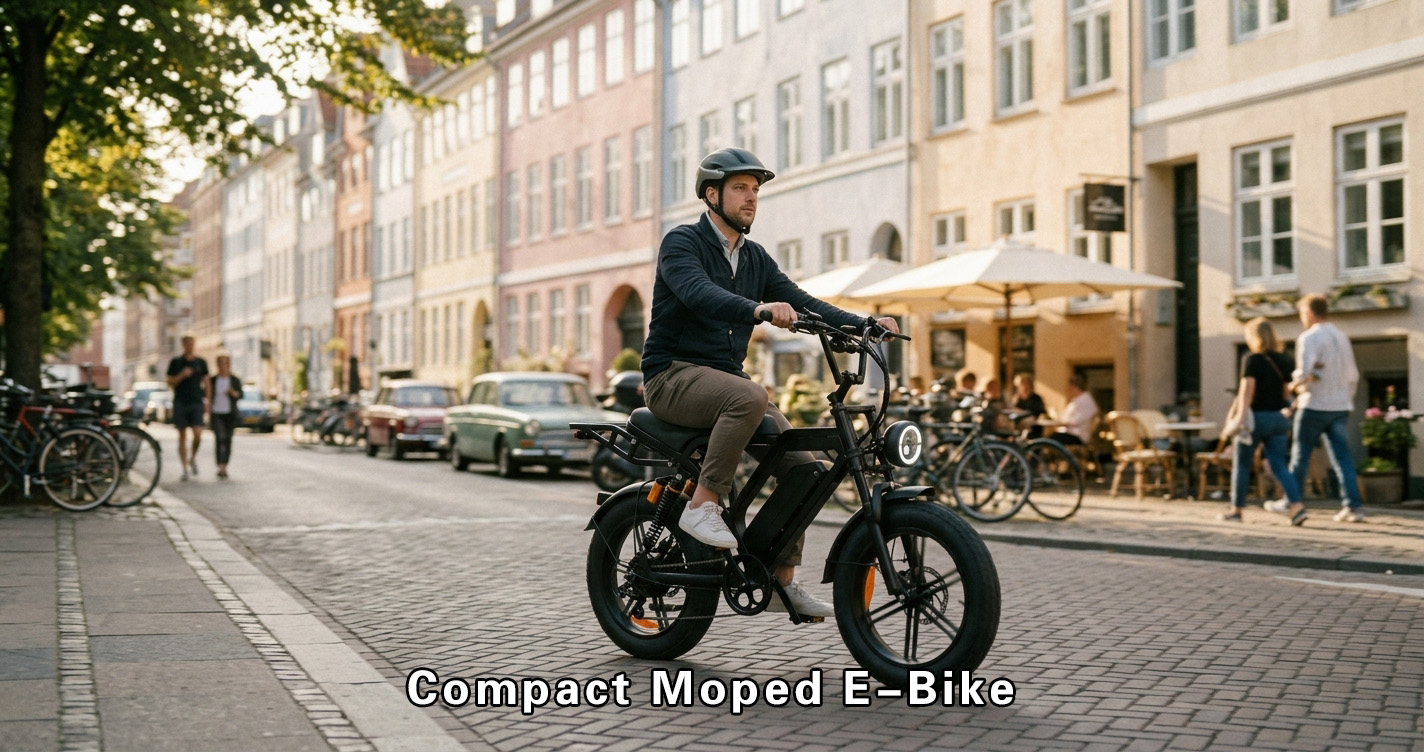
A moped-style e-bike is a class of electric bicycle that mimics the look of a vintage moped or mini-motorcycle. It typically features a low-slung step-over or step-through steel frame, a wide padded saddle, oversized tires, and a powerful hub or mid-drive motor.
Unlike traditional city e-bikes, moped-style models prioritize stability, torque, and all-terrain capability. The reference model uses a steel frame with rear suspension, a 500W rear hub motor, and 20"×4.0 fat tires mounted on AI alloy double-wall rims. This configuration delivers a ride quality that absorbs urban potholes and light off-road trails far better than standard 2-inch tire e-bikes.
2. How Fast Can a Moped-Style E-Bike Go?
Speed regulations vary by region, but most jurisdictions classify e-bikes into three classes:
-
Class 1: Pedal-assist only, up to 20 mph (32 km/h)
-
Class 2: Throttle-assisted, up to 20 mph (32 km/h)
-
Class 3: Pedal-assist only, up to 28 mph (45 km/h)
The model in question is configured with a top speed of 25 km/h (15.5 mph), making it compliant with European and many Asian e-bike regulations. It features both a thumb throttle and a 5/9-level PAS (Pedal Assist System) LCD display, allowing riders to choose between full electric mode or assisted pedaling depending on local laws and personal preference.
3. What Is the Real-World Range on a Single Charge?
Range is determined by battery capacity, rider weight, terrain, and assist level. The reference e-bike is equipped with a 48V 15Ah lithium battery using Chinese cells, delivering 720 watt-hours (Wh) of total energy.
Under typical mixed-use conditions:
-
Throttle-only mode: 35–50 km
-
Low PAS (Level 1–3): 55–75 km
-
Mixed PAS and throttle: 45–60 km
For OEM buyers and fleet operators, this range profile makes the bike suitable for urban delivery, campus transit, and recreational rentals without requiring mid-day recharging.
4. Are Moped-Style E-Bikes Street Legal?
Legality depends on your country and local municipality. In general:
-
European Union: E-bikes with a 250W motor and 25 km/h cutoff are treated as bicycles. The 500W/25 km/h configuration may require registration as an L1e-B light moped in some EU countries.
-
United States: Most states allow Class 2 e-bikes (throttle, 20 mph) on bike lanes and roads. A 25 km/h (15.5 mph) top speed is comfortably within Class 2 limits.
-
Asia-Pacific: Regulations vary widely; many Southeast Asian markets permit 500W motors for private use but restrict throttle use in certain zones.
Always verify local DMV or transport authority guidelines before riding. The 25 km/h speed cap on this model is intentionally set to align with the broadest set of international e-bike standards.
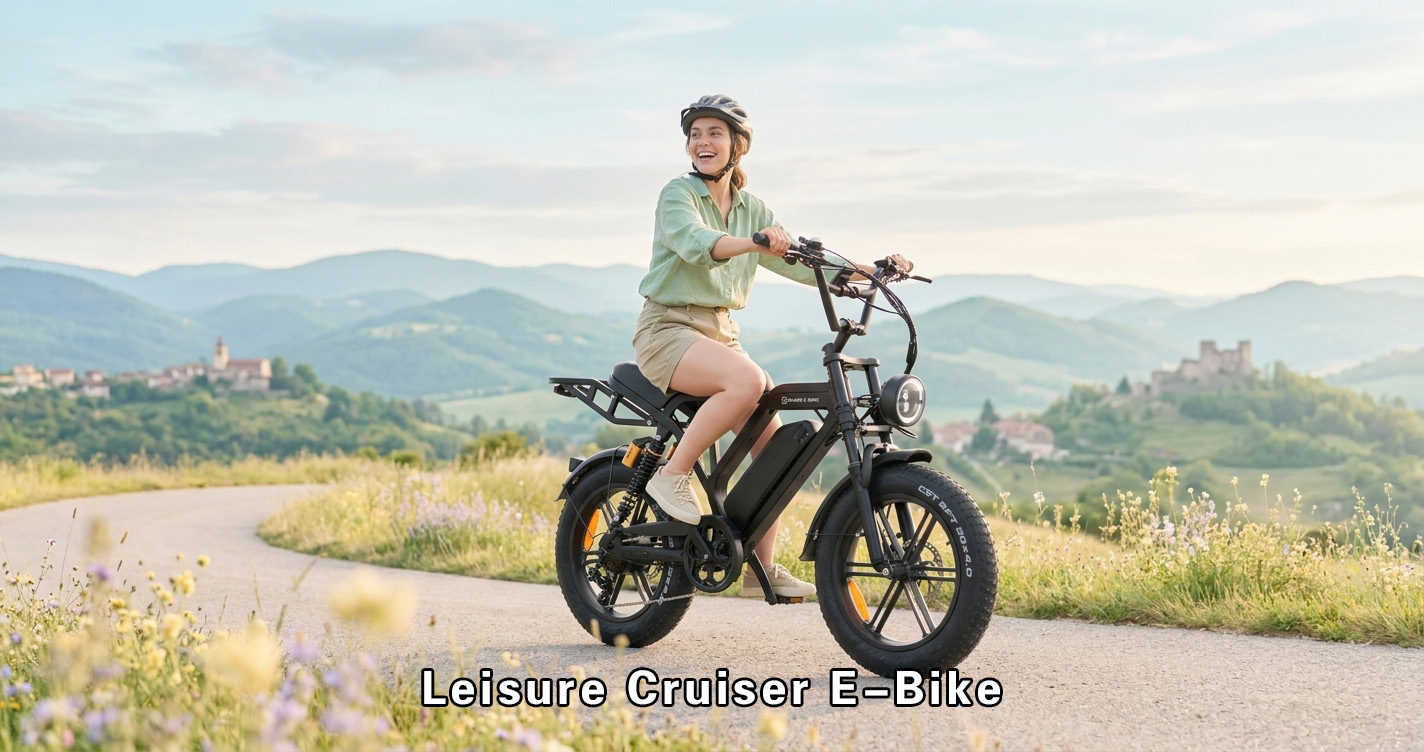
5. Why Choose a 500W Rear Motor?
Motor placement and wattage directly affect handling and hill-climbing ability. A 500W rear hub motor offers several advantages:
-
Better traction: Weight shifts to the rear wheel during acceleration, reducing wheel spin.
-
Hill performance: 500W provides sufficient torque for 10–15% grades without overheating.
-
Simpler maintenance: Hub motors have fewer moving parts than mid-drive systems.
Paired with a Shimano 7-speed drivetrain, the rear motor allows riders to downshift for steep climbs while maintaining efficient cadence, extending both motor and battery life.
6. Can I Ride a Fat-Tire E-Bike in Rain or Snow?
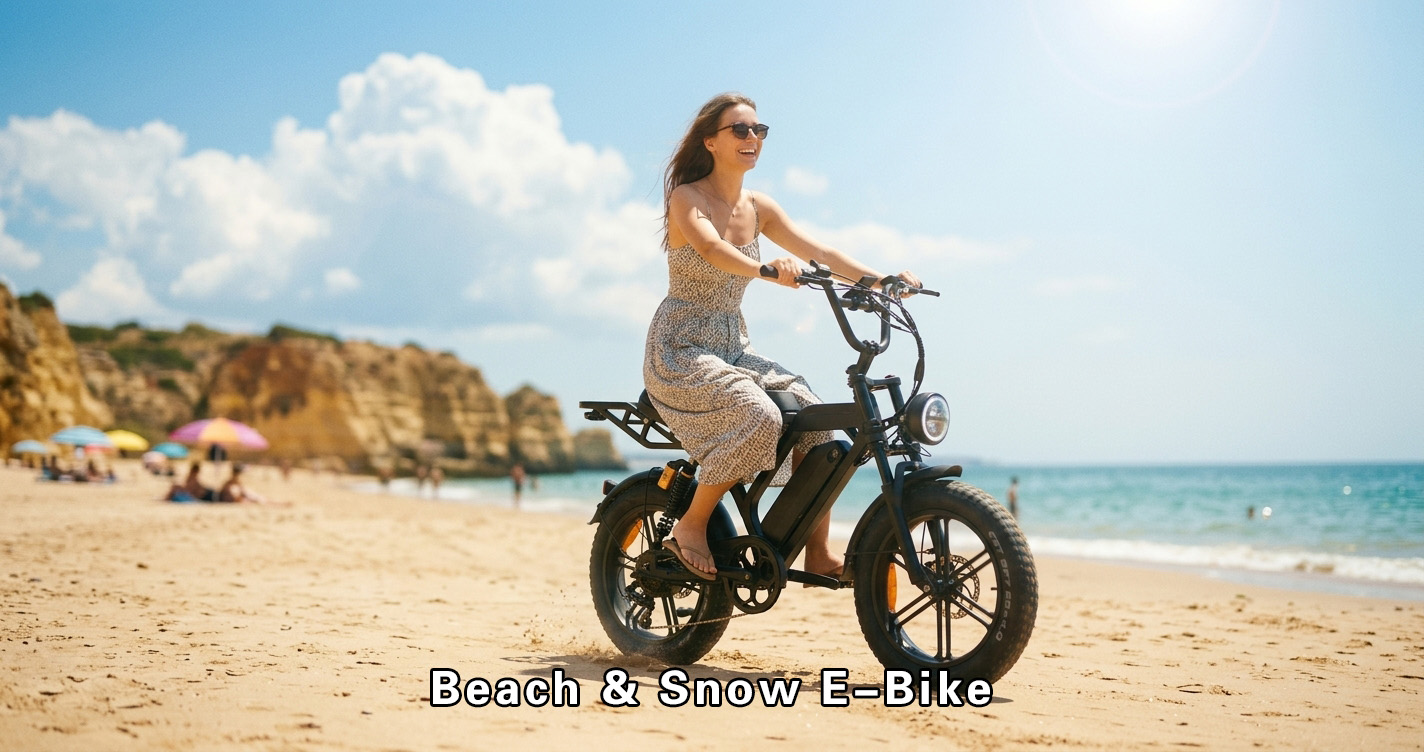
Yes. The 20"×4.0 CST fat tires on this model provide a contact patch nearly twice as wide as standard 1.95-inch tires. This results in:
-
Superior flotation on sand, snow, and loose gravel
-
Increased stability at low speeds
-
Better shock absorption on uneven pavement
The AI alloy double-wall rims add structural strength without excessive weight, while the front and rear disc brakes deliver consistent stopping power even when wet. The front and rear LED lights further enhance visibility during low-light winter commutes.
7. What Customization Options Are Available?
One of the biggest appeals of moped-style e-bikes is their customization potential. Because they use a steel frame—which is easier to weld and modify than aluminum—aftermarket customization is highly accessible.
Popular upgrades include:
| Customization | Benefit |
|---|---|
| Rear rack add-on | The base model ships with no rack; a bolt-on steel or aluminum rack enables cargo and passenger carrying. |
| Fender upgrade | Replace the stock plastic mudguards with steel or aluminum fenders for durability and aesthetics. |
| Battery expansion | The 48V platform supports larger 17.5Ah or 20Ah packs for extended range. |
| Seat swap | Longer bench seats or solo café-racer saddles change the bike’s silhouette. |
| Handlebar risers | Adjust ergonomics for taller riders or a more aggressive stance. |
For B2B clients and distributors, these modular options allow you to create region-specific SKUs without retooling the entire frame.
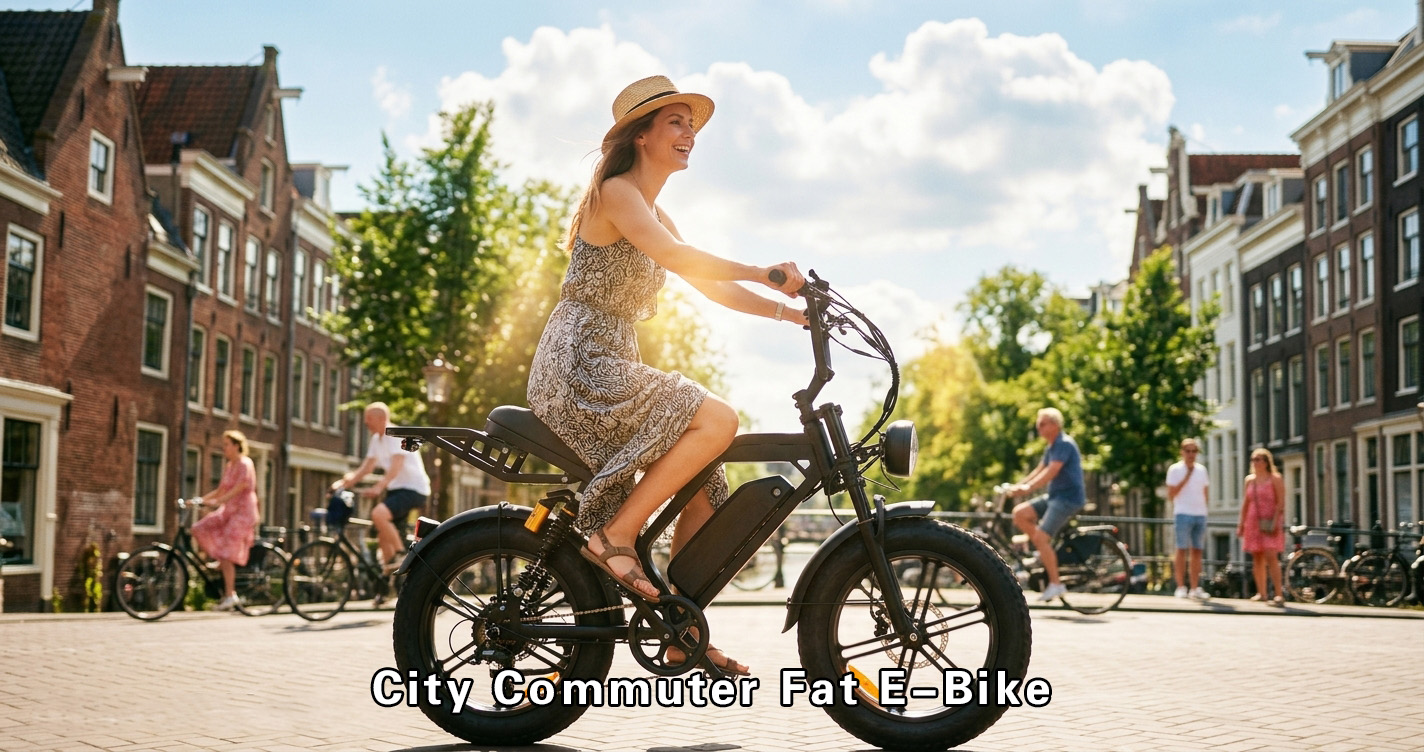
8. How Do the Brakes and Suspension Perform?
Safety is non-negotiable. This model features:
-
Front and rear mechanical disc brakes: Disc rotors provide fade-resistant braking in wet and dusty conditions, outperforming rim brakes on heavy e-bikes.
-
Rear suspension: The steel rear swingarm incorporates a coil-over shock that soaks up bumps and reduces rider fatigue on 20-inch wheels.
-
Steel frame construction: Steel offers natural vibration damping and can withstand minor impacts better than brittle aluminum alloys.
Together, these systems ensure that a 500W e-bike carrying a 100 kg rider can stop confidently and comfortably.
9. Do I Need a License, Registration, or Insurance?
In most markets where the bike is limited to 25 km/h and 500W, no motorcycle license is required. However:
-
Insurance: Some EU countries require third-party liability insurance for any motorized vehicle, including high-power e-bikes.
-
Helmet laws: Many jurisdictions mandate helmets for riders under 18; some require them for all e-bike users.
-
Registration: If your local law classifies a 500W e-bike as a moped rather than a bicycle, you may need a license plate and annual inspection.
We recommend consulting your local e-bike classification chart before purchasing for commercial or personal use.
10. Who Should Buy a Moped-Style Fat-Tire E-Bike?
This category is ideal for:
-
Urban commuters who want a stable, comfortable ride without motorcycle licensing hassles.
-
Rental and sharing operators who need durable, low-maintenance fleet vehicles.
-
OEM/ODM brands seeking a customizable platform with broad international appeal.
-
Recreational riders who split time between pavement, bike paths, and light trails.
With its thumb throttle, 5/9 PAS LCD display, 48V 15Ah battery, and 20" fat tires, this moped-style e-bike bridges the gap between bicycle and light motorcycle—offering the best of both worlds.
Conclusion
Moped-style e-bikes represent a versatile, stylish, and practical evolution in personal electric transport. By understanding speed limits, real-world range, legal classifications, and customization pathways, buyers and businesses can make informed decisions that align with their specific needs.
If you are sourcing OEM electric bikes or expanding your e-mobility product line, a 500W rear-motor, 20-inch fat-tire moped-style e-bike offers a proven platform with global compliance potential and extensive aftermarket flexibility.

Contact & OEM Support
-
📞 Phone: +86 198 8486 5613
-
📧 Email: info@jobobikes.com / sale09@jobobikes.com
-
🌐 Website: https://www.joboev.com
10 Frequently Asked Questions About Moped-Style E-Bikes
Q. What exactly is a moped-style e-bike?
A.moped-style e-bike is an electric bicycle that mimics the look of a vintage moped or mini-motorcycle. It typically features a low-slung step-over or step-through steel frame, a wide padded saddle, oversized tires, and a powerful hub or mid-drive motor. These models prioritize stability, torque, and all-terrain capability over traditional city e-bike designs.
Q. How fast can a moped-style e-bike go?
A.Speed regulations vary by region. Most jurisdictions classify e-bikes into three classes: Class 1 (pedal-assist up to 20 mph), Class 2 (throttle-assisted up to 20 mph), and Class 3 (pedal-assist up to 28 mph). The reference model is configured with a top speed of 25 km/h (15.5 mph), making it compliant with European and many Asian regulations. It features both a thumb throttle and a 5/9-level PAS LCD display.
Q. What is the real-world range on a single charge?
A.Range depends on battery capacity, rider weight, terrain, and assist level. The reference e-bike uses a 48V 15Ah lithium battery (720 Wh). Typical ranges are: throttle-only 35–50 km; low PAS (Level 1–3) 55–75 km; mixed PAS and throttle 45–60 km. This makes it suitable for urban delivery, campus transit, and recreational rentals without mid-day recharging.
Q. Are moped-style e-bikes street legal?
A.Legality depends on your country and municipality. In the EU, e-bikes with 250W motors and 25 km/h cutoffs are treated as bicycles; a 500W configuration may require L1e-B registration in some countries. In the US, most states allow Class 2 e-bikes on bike lanes and roads. Asia-Pacific regulations vary widely. Always verify local DMV or transport authority guidelines before riding.
Q. Why choose a 500W rear motor?
A.A 500W rear hub motor offers better traction (weight shifts to the rear during acceleration), sufficient torque for 10–15% grades without overheating, and simpler maintenance with fewer moving parts than mid-drive systems. Paired with a Shimano 7-speed drivetrain, riders can downshift for steep climbs while maintaining efficient cadence.
Q. Can I ride a fat-tire e-bike in rain or snow?
A.Yes. The 20"×4.0 fat tires provide a contact patch nearly twice as wide as standard tires, offering superior flotation on sand, snow, and loose gravel, increased stability at low speeds, and better shock absorption. AI alloy double-wall rims add structural strength, while front and rear disc brakes and LED lights ensure safe riding in wet and low-light conditions.
Q. What customization options are available?
A.Moped-style e-bikes offer extensive customization potential due to their steel frames. Popular upgrades include rear rack add-ons for cargo/passenger carrying, steel or aluminum fender upgrades, battery expansion to 17.5Ah or 20Ah packs, seat swaps (bench or café-racer saddles), and handlebar risers for ergonomic adjustments. These modular options allow region-specific SKU creation without retooling the entire frame.
Q. How do the brakes and suspension perform?
A.The reference model features front and rear mechanical disc brakes for fade-resistant braking in wet and dusty conditions, outperforming rim brakes on heavy e-bikes. Rear suspension with a coil-over shock absorbs bumps and reduces fatigue. The steel frame offers natural vibration damping and withstands minor impacts better than aluminum alloys, ensuring confident stopping and comfort even with a 100 kg rider.
Q. Do I need a license, registration, or insurance?
A.In most markets where the bike is limited to 25 km/h and 500W, no motorcycle license is required. However, some EU countries require third-party liability insurance for motorized vehicles. Many jurisdictions mandate helmets for riders under 18, and some require them for all e-bike users. If local law classifies a 500W e-bike as a moped, you may need a license plate and annual inspection.
Q. Who should buy a moped-style fat-tire e-bike?
A.This category is ideal for: urban commuters seeking a stable, comfortable ride without motorcycle licensing; rental and sharing operators needing durable, low-maintenance fleet vehicles; OEM/ODM brands looking for a customizable platform with broad international appeal; and recreational riders who split time between pavement, bike paths, and light trails. With its thumb throttle, PAS display, 48V battery, and fat tires, it bridges the gap between bicycle and light motorcycle.