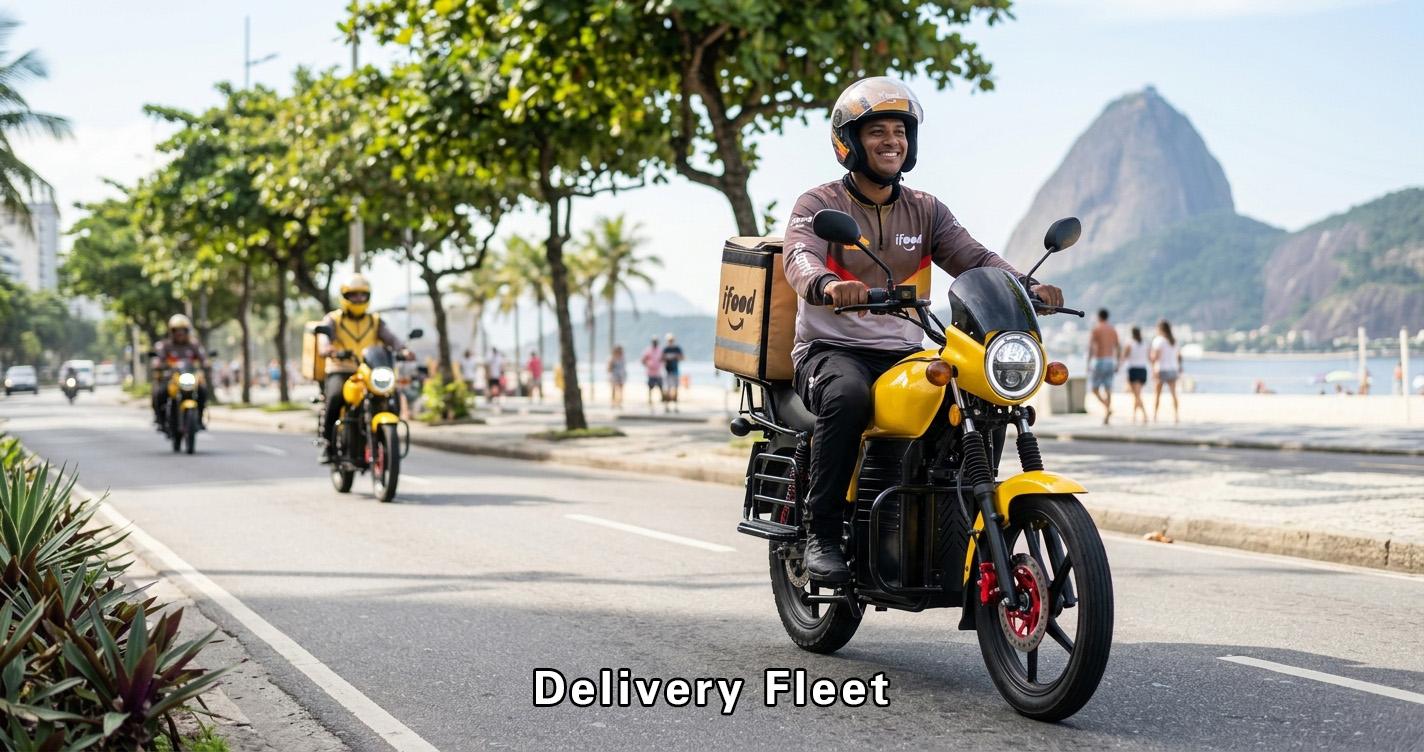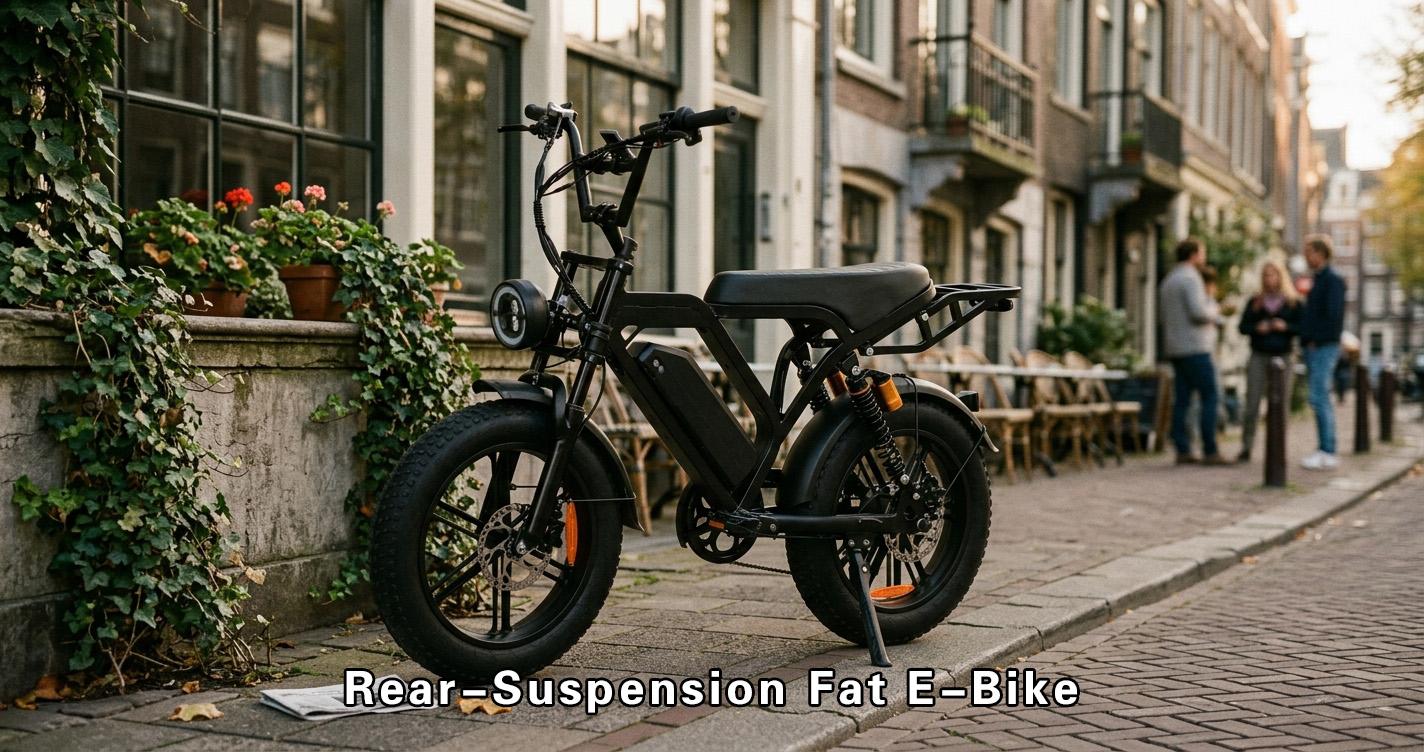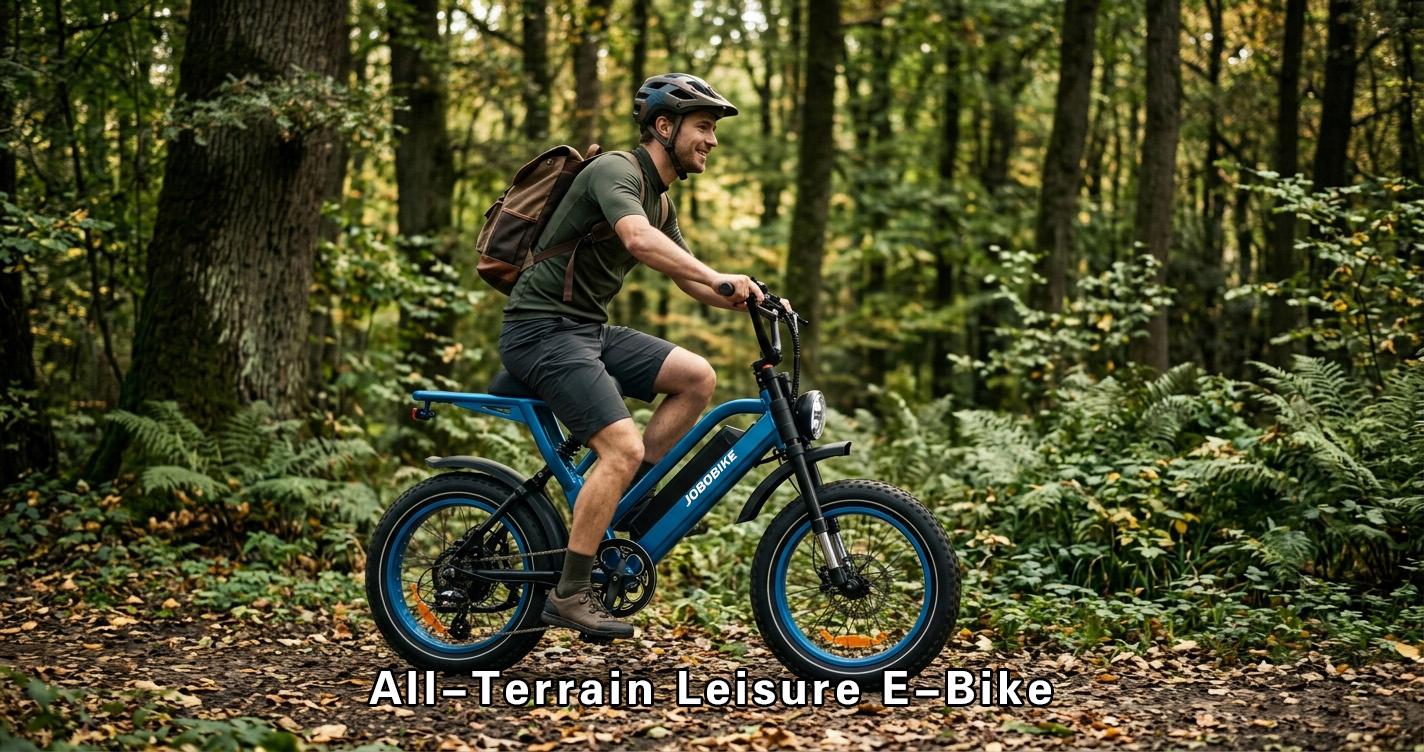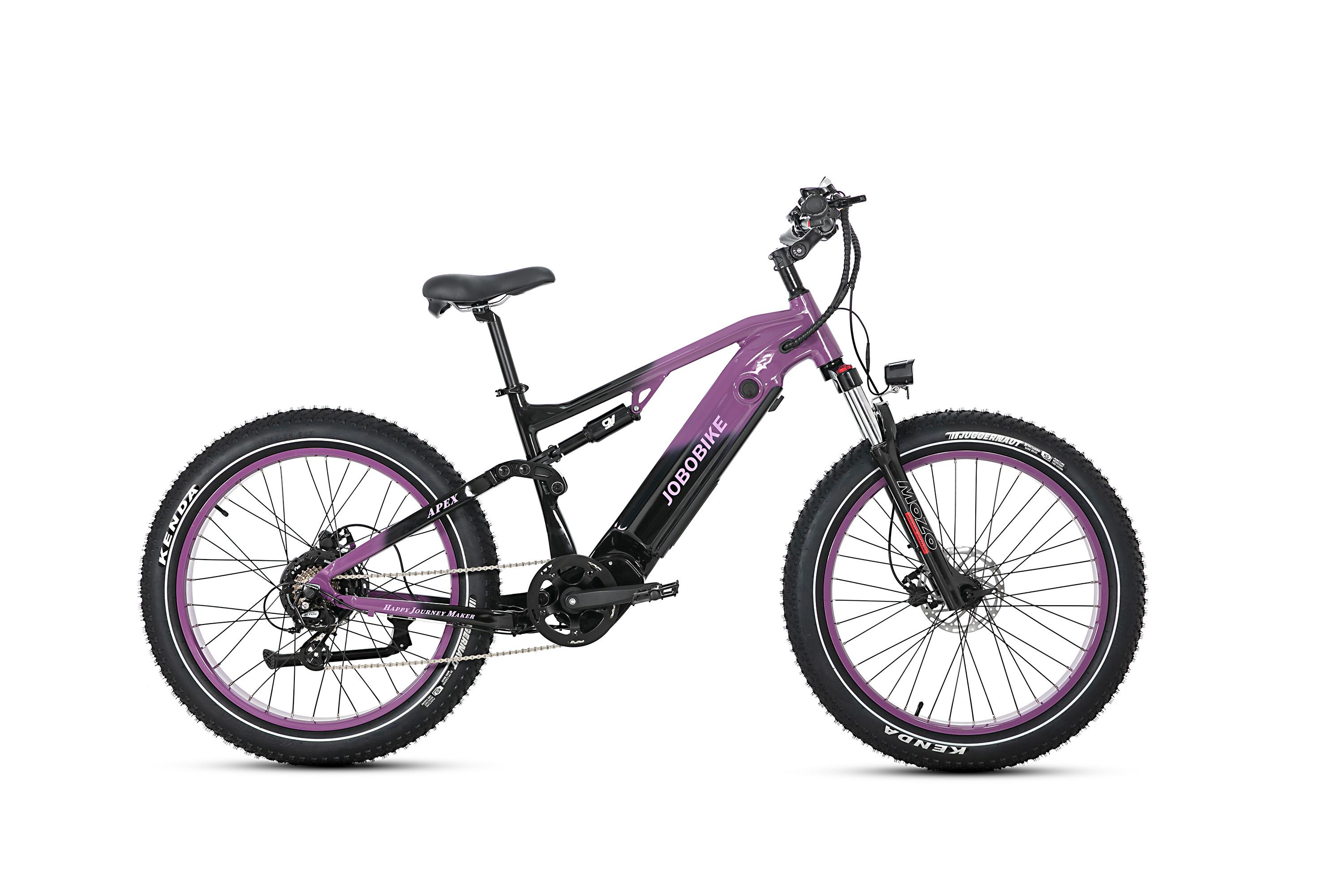
To make this comparison concrete, here's a real-world example from a leading OEM manufacturer — JOBO EV, a global electric bike manufacturer with dual production bases in China and Europe.
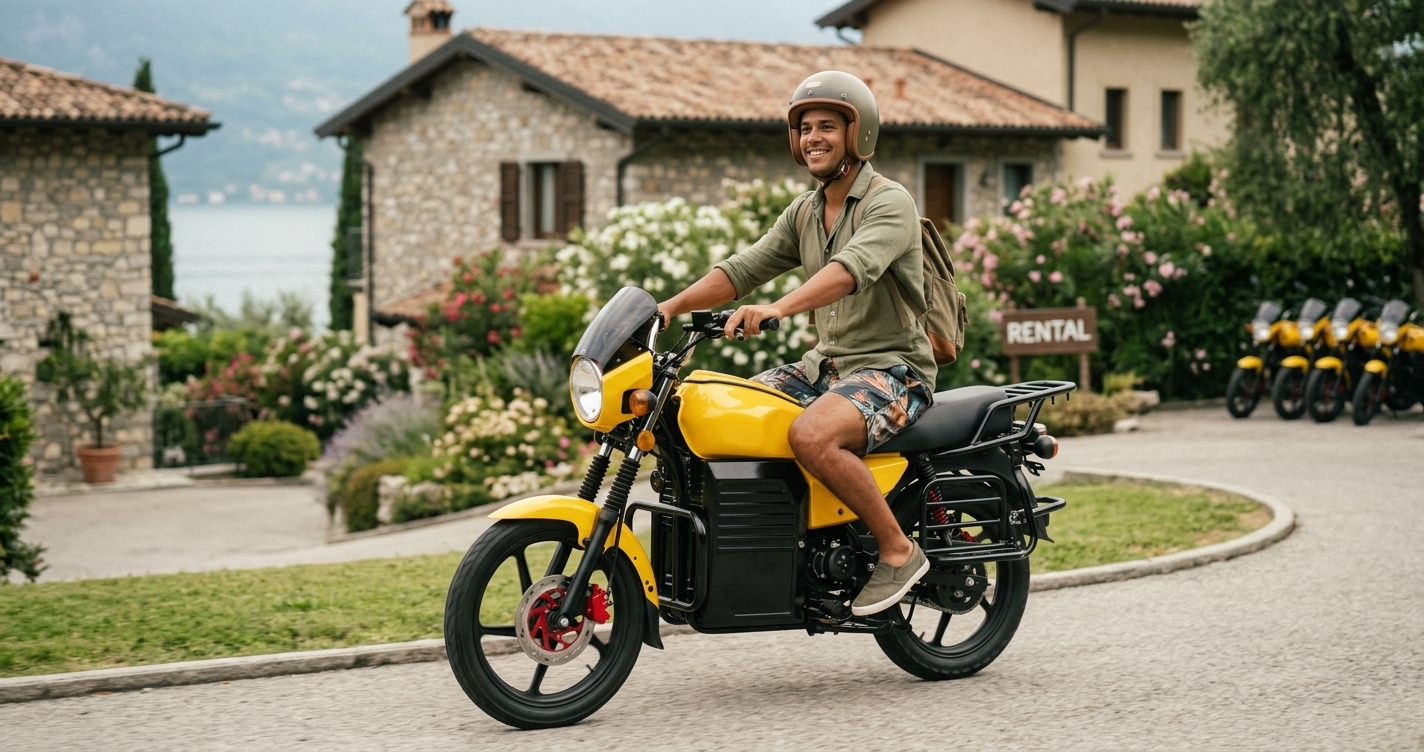
JOBO 72V 50Ah High Performance Electric Motorcycle
| Specification | Detail |
|---|---|
| Motor | 72V 3000W Mid-Drive Motor (Peak 6.5KW) |
| Max Torque | 200 N·m (wheel torque) |
| Battery | 72V 50Ah LiFePO₄ with Smart BMS |
| Max Speed | 80 km/h (50 mph) |
| Typical Range | 65 km at top speed / 80–100 km mixed riding |
| Tires | Front: 80/90-17 · Rear: 100/80-17 |
| Brakes | Front & Rear Disc Brakes |
| Suspension | Front & Rear Hydraulic |
| Display | LED Digital Dashboard |
| Lighting | Full LED 12V System |
| Vehicle Size | 2100 × 850 × 1170 mm |
| Wheelbase | 1380 mm |
| Net Weight | 110.9 kg (without battery) |
| Max Load | 150 kg |
| Transmission | Chain Drive |
This model represents the sweet spot for 2026 entry-level electric motorcycles: powerful enough for urban and suburban roads, highway-capable in many regions, yet significantly more affordable than premium brands. The mid-drive motor with chain drive delivers 200 N·m of wheel torque — enough for steep hills and confident acceleration.
Learn more at JOBO EV — a certified national high-tech enterprise with 50,000㎡ manufacturing facilities and European distribution.
Who Should Buy an Electric Motorcycle?
✅ Pros
-
Highway capable — Keep up with traffic on 55+ mph roads
-
Longer range — 80–200 miles per charge depending on battery
-
Passenger ready — Built for two-up riding
-
Superior stability — Larger wheels, heavier frame, better at speed
-
Higher load capacity — Typically 300–500 lbs total
-
Real motorcycle experience — Proper ergonomics, wind protection, road presence
❌ Cons
-
Requires motorcycle license (A1/A2/A depending on power)
-
Higher upfront cost — $3,000+ even for entry models
-
Registration & insurance required
-
Heavier & harder to store — Needs garage or secure parking
-
Higher maintenance — Chain/belt, tires, brakes wear faster
Best For:
-
Commuters with 15+ mile one-way trips
-
Riders who need highway access
-
Those who frequently ride with a passenger
-
Riders who value performance and road presence
-
Delivery/commercial use requiring all-day range and load capacity
Who Should Buy an Electric Scooter?
✅ Pros
-
No license required in most regions
-
Highly portable — Foldable, fits in apartments/offices
-
Lowest cost entry — Quality models start under $500
-
No registration or insurance (in most areas)
-
Easy to maneuver in crowded urban environments
-
Zero parking hassle — Take it inside with you
❌ Cons
-
Limited speed — Typically 15–28 mph (legal limits)
-
Shorter range — 10–30 miles typical
-
Not highway legal
-
Less stable — Small wheels, standing position
-
Limited weather protection
-
Passenger capacity is rare/unsafe
Best For:
-
Short urban commutes under 10 miles
-
Last-mile connectivity (train/bus to office)
-
Apartment dwellers with limited storage
-
Budget-conscious buyers
-
Casual riders who don't need highway access
4 Things to Consider Before You Decide
1. Your Daily Route
Measure your actual commute. If it includes highway segments or roads over 45 mph, you need an electric motorcycle. For pure city riding under 30 mph, a scooter may suffice.
2. Licensing & Legal Requirements
Electric motorcycles require a motorcycle license (A1 minimum for up to 11kW models in the EU, similar requirements in most US states). Electric scooters typically don't. Factor in the time and cost of getting licensed if you don't already have one.
3. Storage & Security
Electric scooters win here — they fold and fit in closets. Electric motorcycles need garage or covered outdoor parking and robust anti-theft measures.
4. Weather & Climate
Electric motorcycles handle rain and adverse weather better with proper gear and larger tires. Scooters leave you more exposed, and cold weather significantly reduces battery range on smaller battery packs.
Frequently Asked Questions (FAQ)
Should I buy an electric motorcycle or scooter for commuting?
If your commute is under 10 miles on city streets, get a scooter. If it's over 15 miles, involves highways, or you ride with a passenger, get an electric motorcycle. For the 10–15 mile middle ground, consider whether you value portability (scooter) or comfort/speed (motorcycle).
What is the difference between an electric motorcycle and electric scooter?
The main differences are speed, licensing, and classification. Electric motorcycles are highway-legal, require a motorcycle license, and offer 50–100+ mph speeds. Electric scooters are limited to bike lanes and local roads (typically under 30 mph), require no license, and prioritize portability over performance.
Do I need a license for an electric motorcycle?
Yes. In virtually all jurisdictions, electric motorcycles require at least an A1 license (EU) or equivalent motorcycle endorsement. Requirements vary by motor power and top speed.
How fast do electric motorcycles go in 2026?
Entry-level models like the JOBO 72V reach 50 mph (80 km/h). Mid-range models hit 70–85 mph. Premium electric motorcycles from brands like Zero or Energica exceed 100+ mph.
What is the range of an electric motorcycle vs scooter?
Electric motorcycles typically offer 50–200 miles of range. Electric scooters offer 10–50 miles. However, real-world range depends heavily on speed, rider weight, terrain, and weather.
Are electric motorcycles good for delivery work?
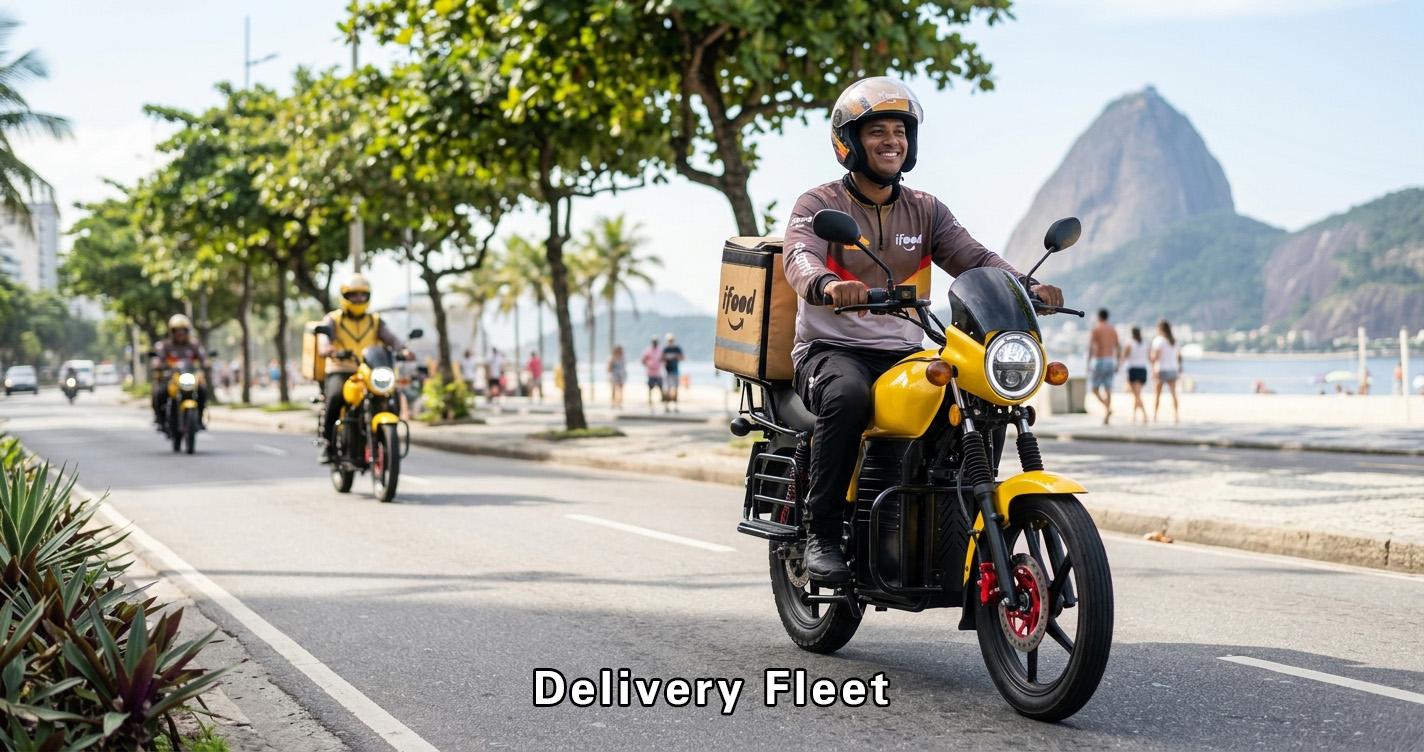
Yes. Models like the JOBO 72V with 72V 50Ah battery, 150kg max load, and 80–100km range are specifically popular for delivery fleets. The mid-drive motor and chain drive handle stop-and-go traffic and hills better than hub motors.
Can I ride an electric scooter on the highway?
No. Electric scooters are not highway-legal in any jurisdiction. Their design speed, wheel size, and lack of safety features make them unsuitable for high-speed roads.
Which is safer: electric motorcycle or scooter?
It depends on context. Electric motorcycles are more stable at speed and have better brakes/suspension, but higher speeds increase injury risk. Electric scooters are slower but less stable due to small wheels and standing position. Studies show scooter injuries have risen significantly — proper safety gear is essential for both.
How long does an electric motorcycle battery last?
Modern LiFePO₄ batteries last 1,000–1,500 full charge cycles before dropping below 80% capacity. With average use, that's 7–9 years. Best practice: keep charge between 20–80% for daily use.
What is the best electric motorcycle for beginners in 2026?
Look for models with 3,000W–6,500W peak power, top speeds of 45–55 mph, and manageable weight. The JOBO 72V 50Ah (110.9kg, 80 km/h max, 6.5KW peak) represents an ideal entry point — powerful enough for real roads, but not overwhelming for new riders.