How Cargo Delivery E-Bikes Are Transforming Last-Mile Logistics
Why Urban Logistics Is Turning to Two Wheels
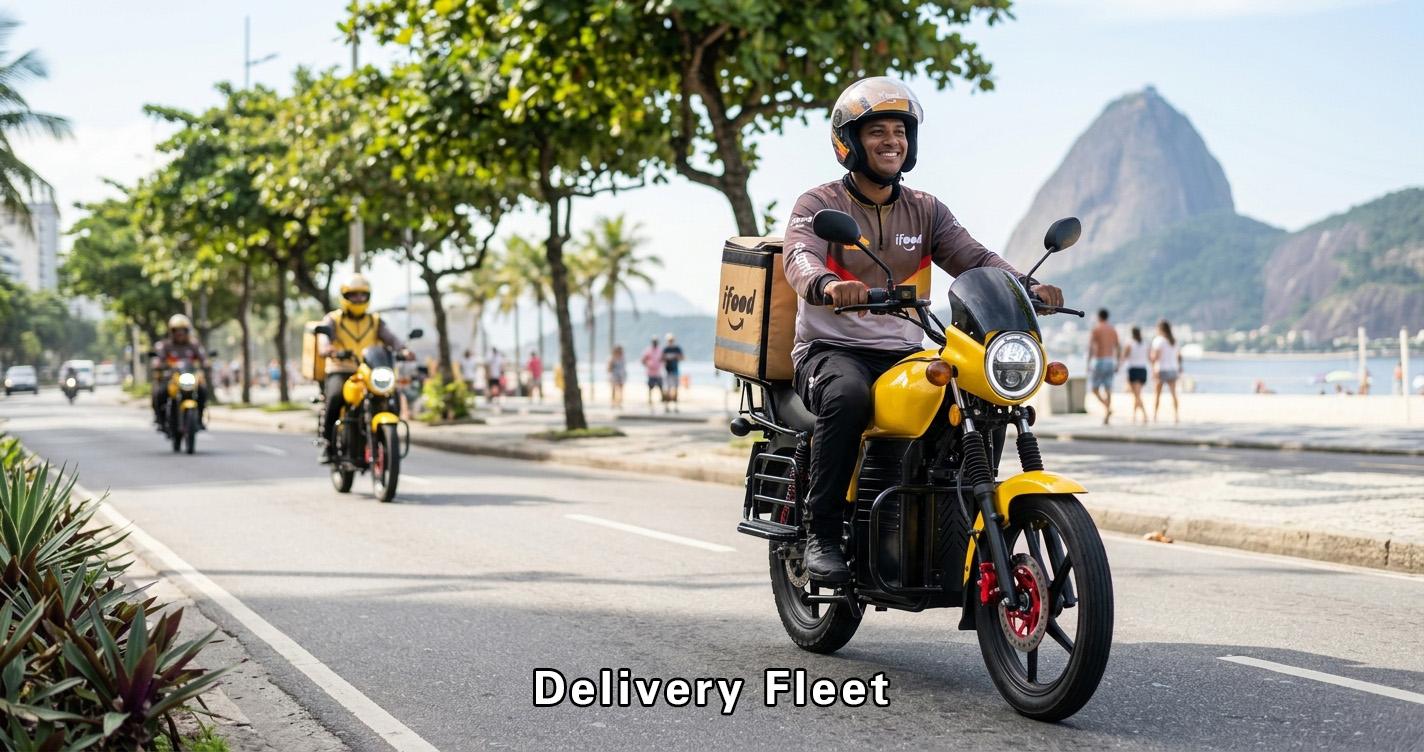
With rising demand for fast delivery in dense cities, businesses are searching for solutions that bypass traffic, reduce fuel costs, and remain environmentally compliant. The cargo delivery e-bike combines pedal-assist efficiency with high payload capacity, giving couriers a flexible way to navigate congested areas while maintaining stable delivery schedules.
Unlike vans or scooters, e-bikes can enter pedestrian zones, narrow alleys, and limited-access districts—making them particularly suited for food delivery, parcel drops, and same-day e-commerce.
Structural Engineering for Load and Stability
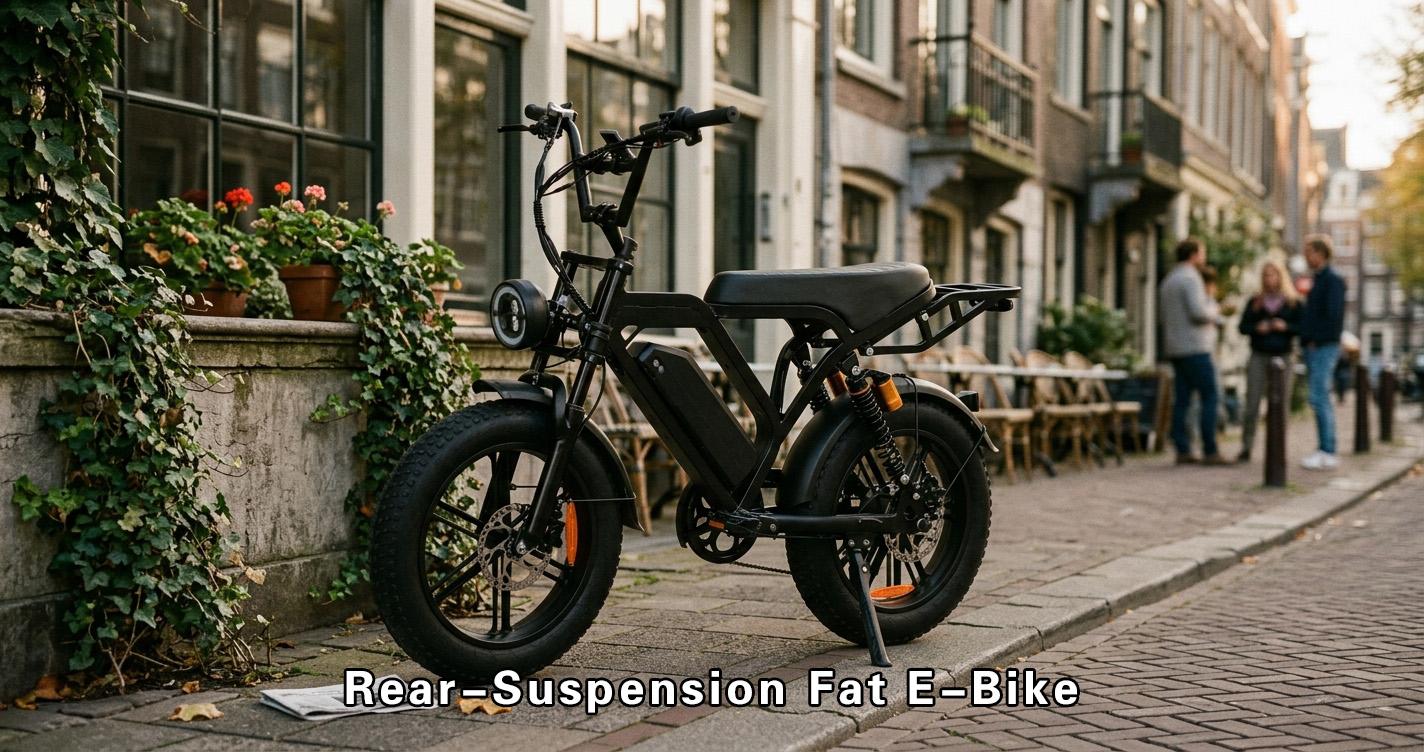
A reliable cargo delivery e-bike requires a stronger geometric foundation than standard city bikes. Common engineering characteristics include:
-
Extended wheelbase for improved balance under load
-
Reinforced 6061 aluminum frames designed for 100–200 kg total capacity
-
Rear or front cargo racks built with welded steel tubing
-
36–48V high-capacity batteries supporting full-day delivery routes
-
Low-center-of-gravity design to maintain control while fully loaded
These features allow riders to manage heavy parcels, groceries, or insulated delivery boxes safely during repeated stop-and-go cycles in urban environments.
Cargo E-Bike vs. Traditional Delivery Vehicle
| Feature | Cargo Delivery E-Bike | Scooter / Van |
|---|---|---|
| Access Flexibility | Enters pedestrian zones & narrow alleys | Restricted in many areas |
| Operating Cost | Very low | Fuel & maintenance costs |
| Sustainability | Zero-emission | Emission-dependent |
| Payload Type | Small-to-medium parcels | Larger cargo only |
| Parking | Easy, needs minimal space | Requires designated parking |
This contrast explains why many logistics companies combine cargo e-bikes with their existing fleet to cover short routes more efficiently.
Manufacturing Insight from JOBO ebike
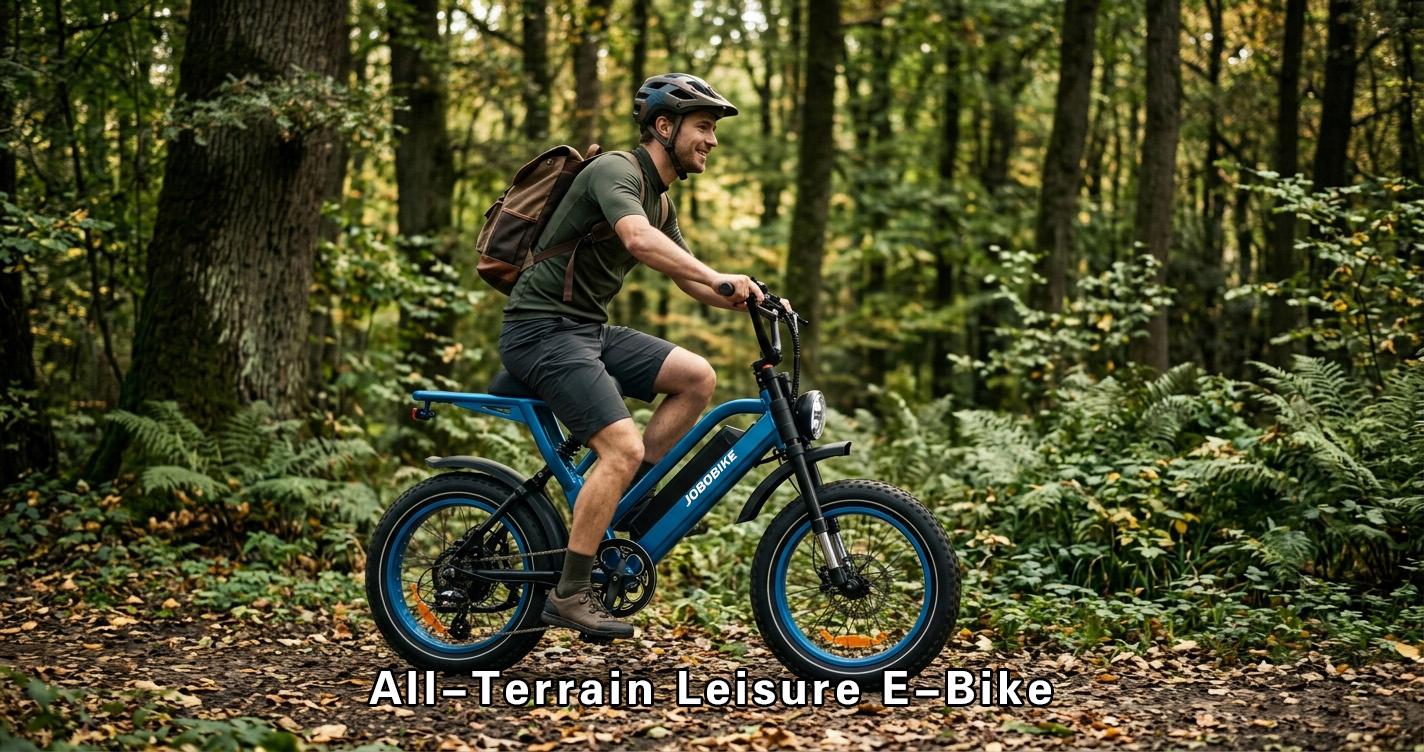
At JOBO ebike, development of cargo models focuses on structural rigidity, balanced loading, and predictable handling.
Frames undergo stress testing that simulates continuous parcel operations, ensuring the bike remains stable with varying weight distributions.
Battery systems are selected for sustained output during frequent acceleration, while modular electronics allow quick servicing for fleet operations.
This engineering approach aims to keep cargo bikes functional throughout long working hours without increasing maintenance complexity.
Recommended Configurations Based on Delivery Scenarios
1. Food Delivery (High Frequency, Short Distance)
-
Lightweight cargo racks
-
Quick-swap battery design
-
Smooth hub motors for stop-and-go routes
Best for couriers delivering within a limited radius.
2. Parcel & E-Commerce Delivery (Medium Load)
-
Reinforced rear rack supporting 40–60 kg
-
Larger battery (48V 15Ah or above)
-
Stable long-wheelbase frame
Ideal for small parcel services and scheduled drop-off runs.
3. Grocery Transport (Heavy Load, Mixed Terrain)
-
Front + rear cargo platform
-
Hydraulic disc brakes
-
Low center of gravity
Designed for heavier, bulkier items requiring stable handling.
4. Corporate or Campus Delivery
-
Modular basket systems
-
Anti-theft tracking options
-
Flexible accessory mounts
Suited for universities, hospitals, and large corporate campuses.
What Fleet Buyers Should Check Before Purchasing
| Common Issue | Why It Matters | Recommendation |
|---|---|---|
| Weak cargo rack welding | Failures under heavy load disrupt delivery operations | Choose racks reinforced with multi-point welding |
| Insufficient battery life | Delivery routes often exceed 30–50 km daily | Use 48V systems with 15Ah+ capacity |
| Poor weight distribution | Affects rider control and braking | Ensure low-center-gravity geometry |
| Limited spare parts | Fleet downtime rises without replacements | Confirm supplier provides long-term parts support |
| Overcomplicated maintenance | Slows repair turnaround | Prefer modular electronics and accessible wiring |
| Lack of certification | Can block entry to EU or regulated markets | Verify CE / EN15194 documentation |
Frequently Asked Questions
Q1: How much weight can a typical cargo e-bike carry?
Most models support 100–200 kg total load depending on frame structure and rack design.
Q2: Are cargo bikes difficult to ride when fully loaded?
With proper weight distribution and extended wheelbase geometry, handling remains stable even at maximum load.
Q3: How long can a delivery rider operate on a single charge?
A 48V 15Ah battery often provides enough range for a full working shift, depending on terrain and load.
Enabling Efficient Deliveries for Modern Cities
As demand for same-day logistics grows, the cargo delivery e-bike offers businesses a practical alternative to traditional delivery vehicles. With balanced structures, reinforced racks, and long-life batteries, cargo models support predictable, cost-efficient delivery operations.
At JOBO ebike, we continue improving frame design, load stability, and maintenance accessibility to support logistics companies and OEM partners.
To explore technical options or discuss project requirements, visit our homepage or connect with our team through the contact page.