Designing Cargo E-Bikes for Real Delivery Work, Not Just Photos
Let’s be honest: many cargo e-bikes look impressive in press photos—but they weren’t built for the daily grind of real-world delivery.
When operators put 40kg+ loads on a poorly balanced frame, or ride a narrow-wheelbase bike through stop-and-go traffic for 8 hours a day, what looked sleek online turns into a maintenance nightmare.
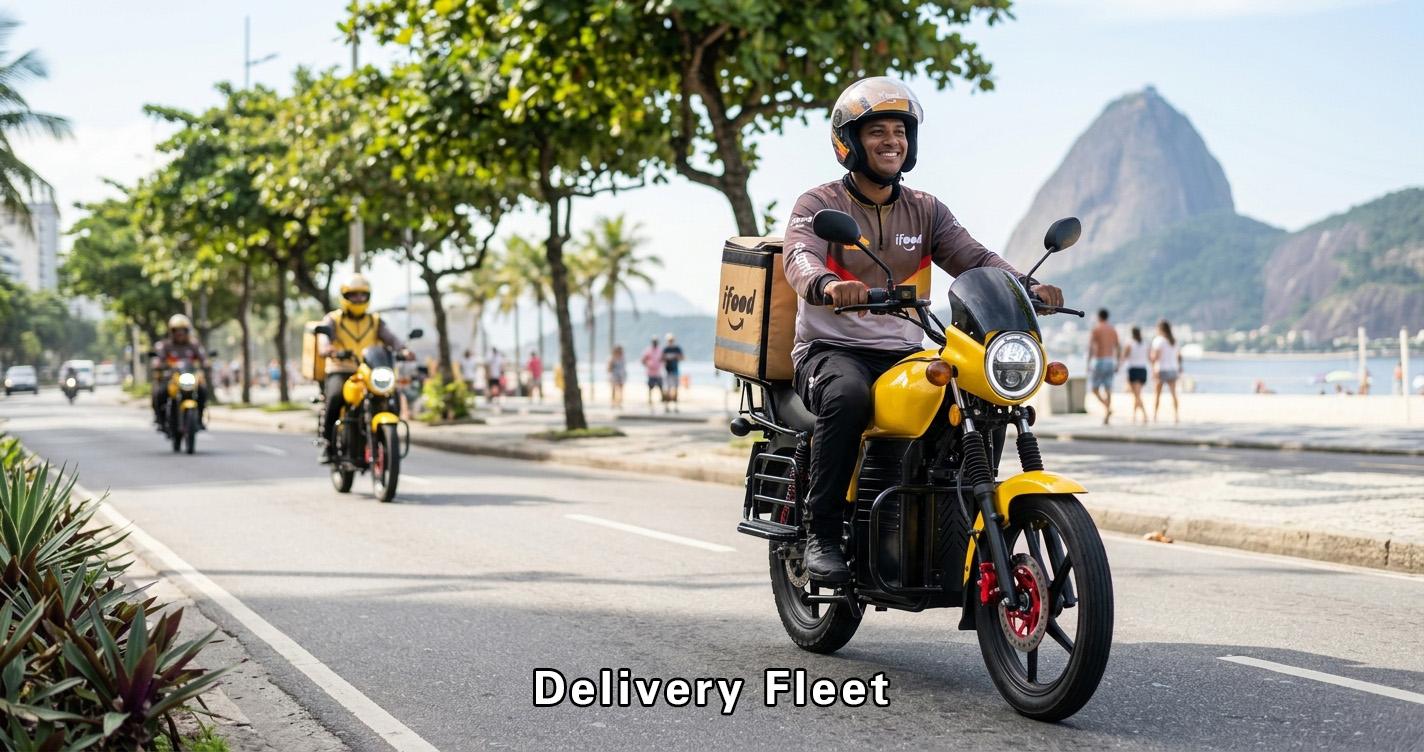
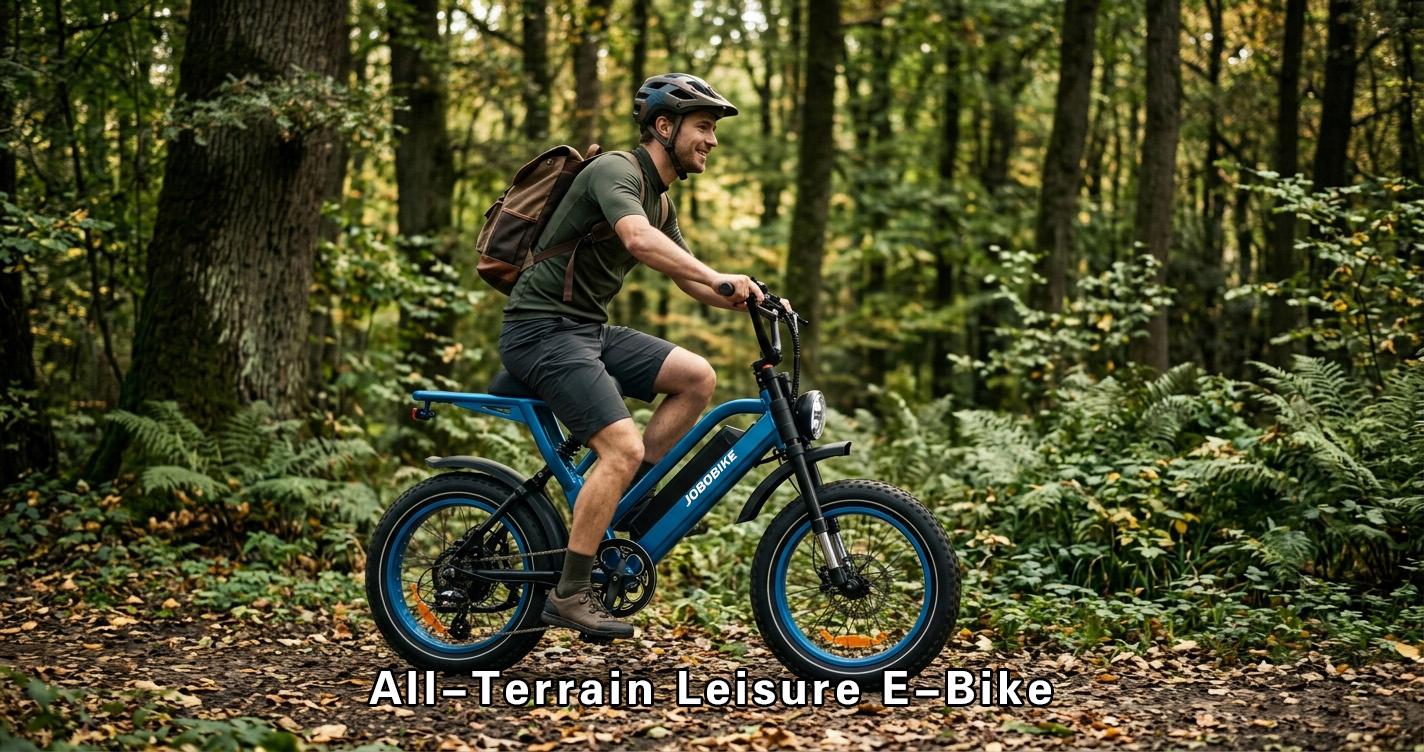
At Jobo, we’ve worked with logistics providers, food delivery startups, and retail fleet managers to design cargo e-bike platforms that survive—and thrive—in daily operation.
Here’s what that really takes.
1. Payload Capacity That Matches the Promise
Forget theoretical limits. What matters is how a bike handles payload under real acceleration, braking, and cornering.
What Jobo engineers for:
-
Rear rack load: up to 60kg static / 40kg dynamic
-
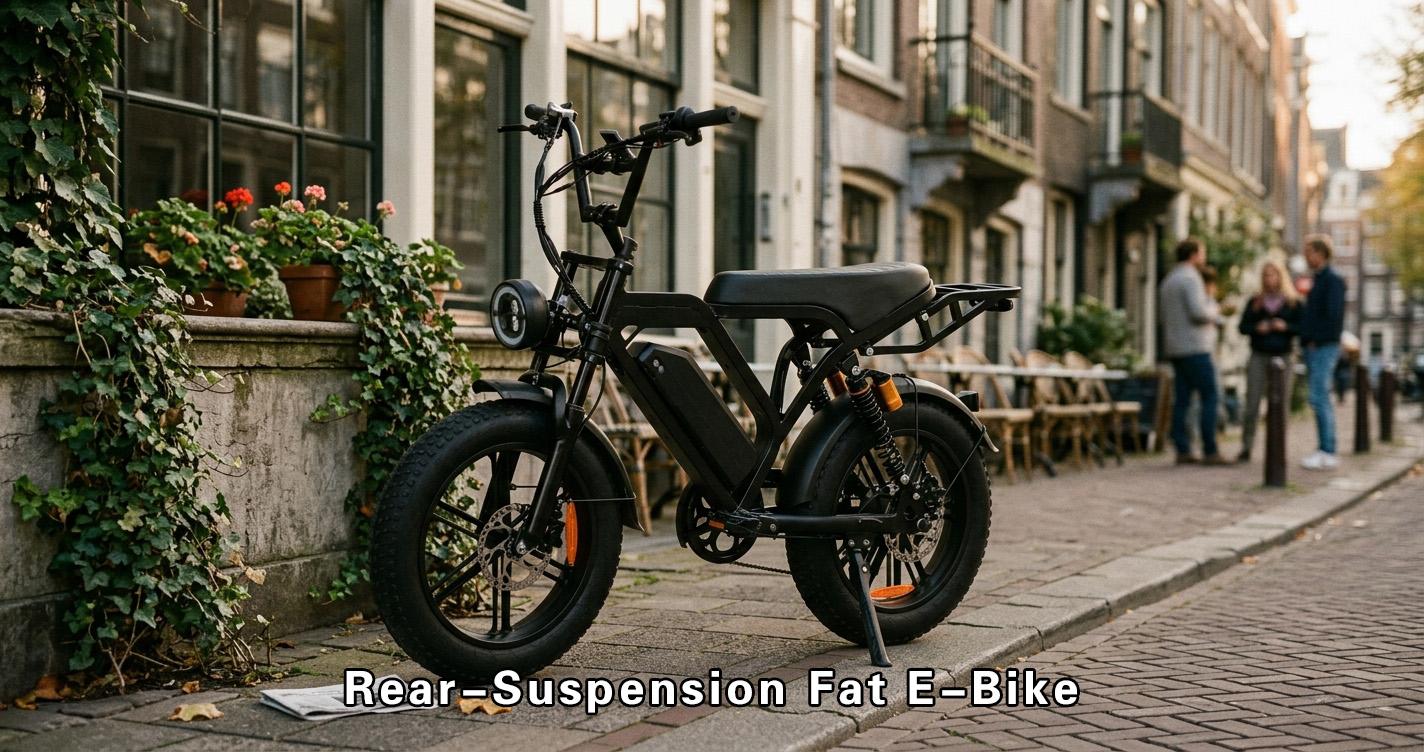
Front trays with integrated frame support, not just fork-mounted baskets
-
Battery and motor configurations tested under high-load torque conditions
-
Optional dual-kickstand and rear-wheel weight distribution for stable loading/unloading
Many bikes claim “cargo ready” with 25kg racks. That’s not even a basic day’s work for urban delivery fleets.
2. Extended Range with Heavy Loads
A standard 36V/10Ah battery might work for commuters—but not for a bike hauling 30+kg through city blocks all day.
Jobo cargo bikes feature:
-
48V systems with 15–20Ah capacity
-
Optional dual-battery mounting with intelligent BMS balancing
-
Energy-efficient assist profiles tuned for stop-and-go behavior
-
Motor torque ratings up to 80Nm for stable performance even uphill
This ensures delivery riders aren’t scrambling to recharge halfway through their shift.
3. Cargo Frame Design: It’s Not Just a Bigger Bike
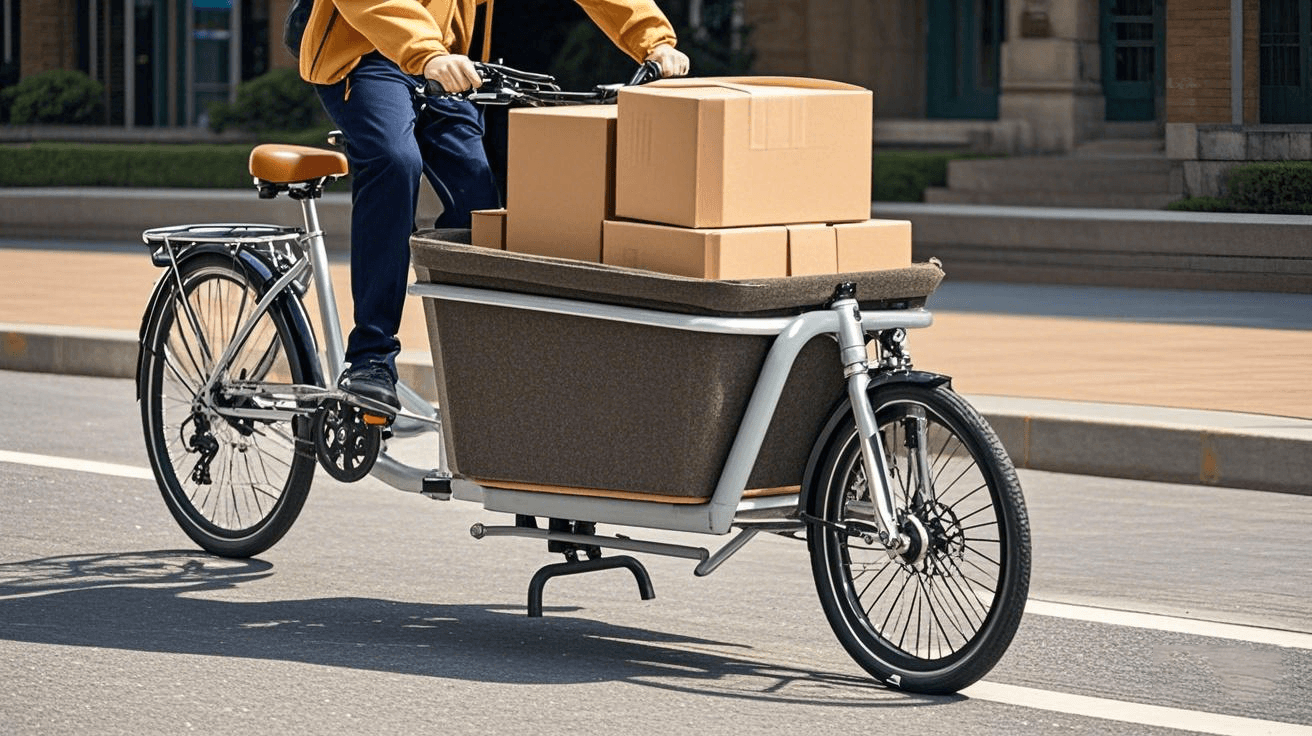
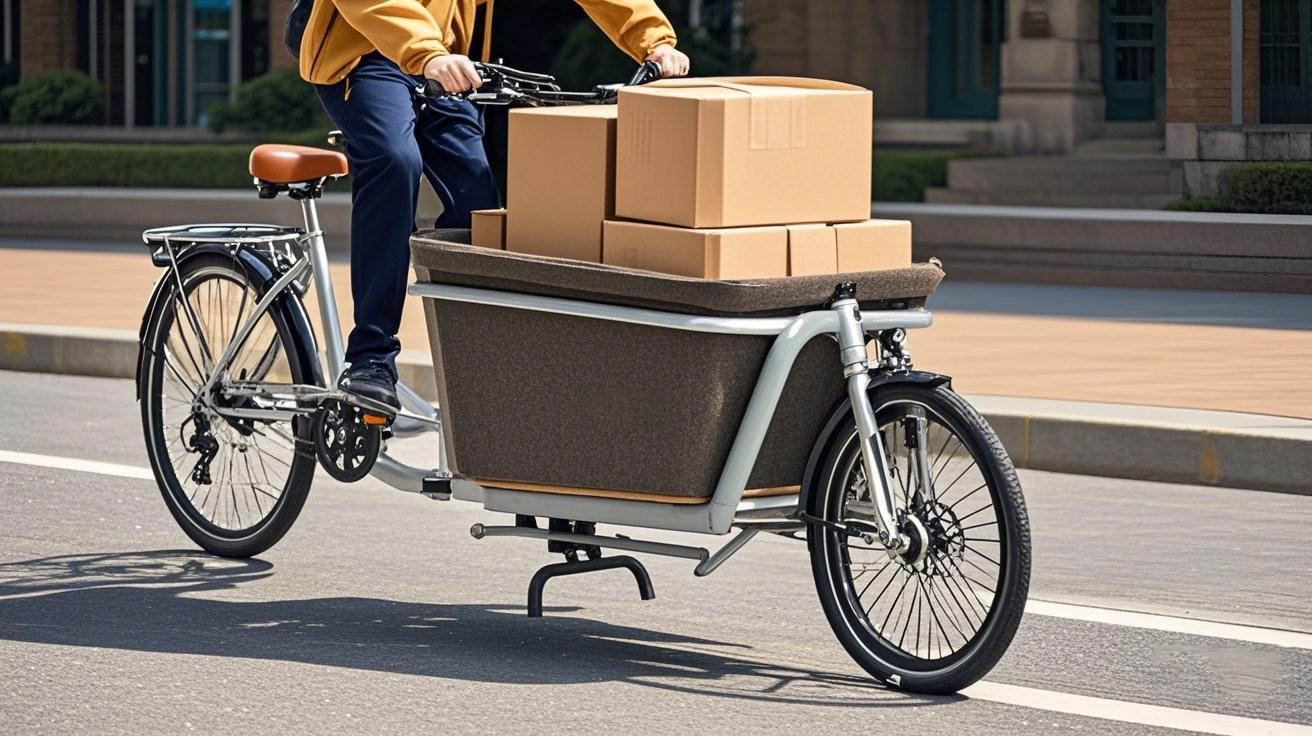
We don’t just take a city bike frame and “add racks.” Jobo’s cargo platforms are purpose-built:
-
Reinforced rear triangle with extended dropout angles
-
Mid-step or low-step designs for dismount speed during deliveries
-
Lengthened wheelbase to maintain stability with front + rear loads
-
Custom mounting points for cargo box integration, strap guides, or branded delivery containers
The result? A bike that feels balanced with 50kg loaded—and still easy to control.
4. Real Accessories, Not Just Photo Props
It’s frustrating when accessories look good in catalogs but fail in operation.
Jobo equips our OEM clients with:
-
Heavy-duty front trays (up to 25kg)
-
Integrated lock and light systems for night operations
-
Compatible container kits (food delivery, grocery, courier)
-
Sealed cabling, waterproof bags, and vibration-resistant mounting
-
Branded cargo boxes available with molded logo panels
Who Actually Needs Cargo E-Bikes?
-
Grocery and on-demand delivery: Bulk orders, cold-chain cargo
-
Retail fleets: Branded store-to-home daily shipment
-
Food delivery: Heat-retaining box support with rear suspension
-
Maintenance teams: Tools, battery packs, on-site equipment transport
-
Urban courier startups: Secure box frames with smart lock integration
These are not demo units—these are work vehicles.
FAQ: Cargo-Focused Buyer Questions
Q1: Can we add tracking devices or IoT locks to the cargo box?
Yes. We provide mounts and wiring pass-throughs compatible with most fleet-grade GPS and lock modules.
Q2: Do you offer longtail or front-loader cargo variants?
Yes. We currently offer longtail, mid-cargo, and front-loader frames—all customizable for market needs.
Q3: What’s the typical range under load?
With dual-battery config (48V/15Ah x2), most clients report 50–80km under real-world conditions with 30–40kg payload.
Why Function Wins Over Form in Delivery Fleet Design
Cargo e-bikes are not lifestyle accessories—they are business-critical machines.
At Jobo, we engineer our bikes for payload, power, and performance—not showroom shots. Our goal is simple: build cargo e-bikes that outlast the contract and help your business move.
Explore Jobo's cargo-ready OEM platforms
Talk to our fleet design team to spec your real-world delivery e-bike