
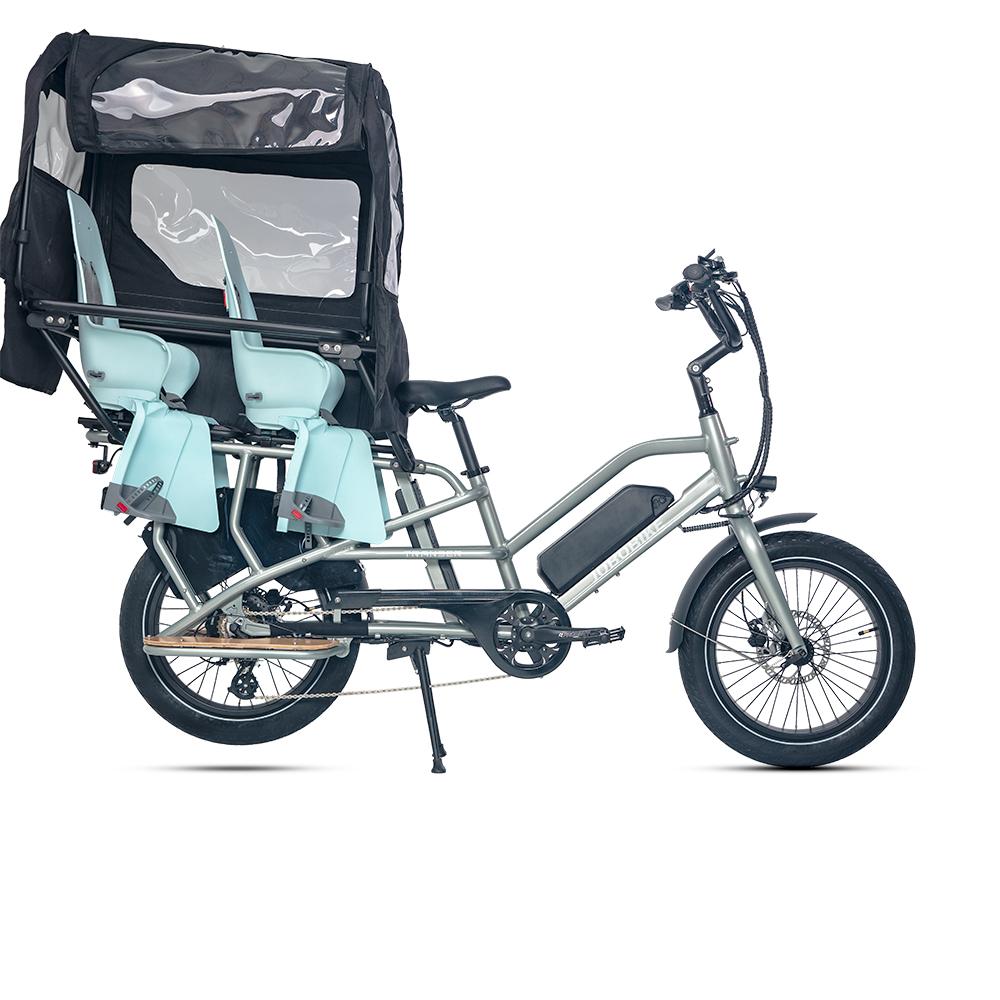
Cargo ebike has revolutionized the way we think about urban transportation, offering a sustainable and efficient alternative to traditional vehicles. This innovative mode of transport combines the utility of a cargo bike with electric assistance, making it easier to carry loads while reducing physical effort. As more people seek eco-friendly options, cargo ebikes are gaining popularity for their versatility in daily commutes, shopping runs, and family outings. In this article, we'll explore various aspects of cargo ebikes, drawing from real-world applications and expert insights to help you make an informed decision.
Publisher

Jinhua JOBO Technology Co., Ltd2025/09/27
Blog Categories
Electric City Bike
Electric Balance Bike
E-Bike Manufacturing & OEM
Electric Folding Bike
OEM & Manufacturing
Electric Mountain Bike
Electric Bike Buying Guides
OEM & Custom E-Bike Solutions
Industrial & Property Mobility
Cargo E-Bike Solutions
Campus & Corporate Mobility Solutions
Industrial & Warehouse Mobility Solutions
Food Delivery & Commercial Mobility
Tourism & Hospitality Mobility
Electric Mobility & OEM Manufacturing
Custom Electric Vehicle Solutions
Electric Bike Components & Manufacturing
Shared Mobility & Fleet E-Bikes
Urban Mobility & Commuter E-Bikes
Electric Tricycle & Commercial Mobility
OEM & ODM Electric Bike Manufacturing
news
Tag:
Related Articles
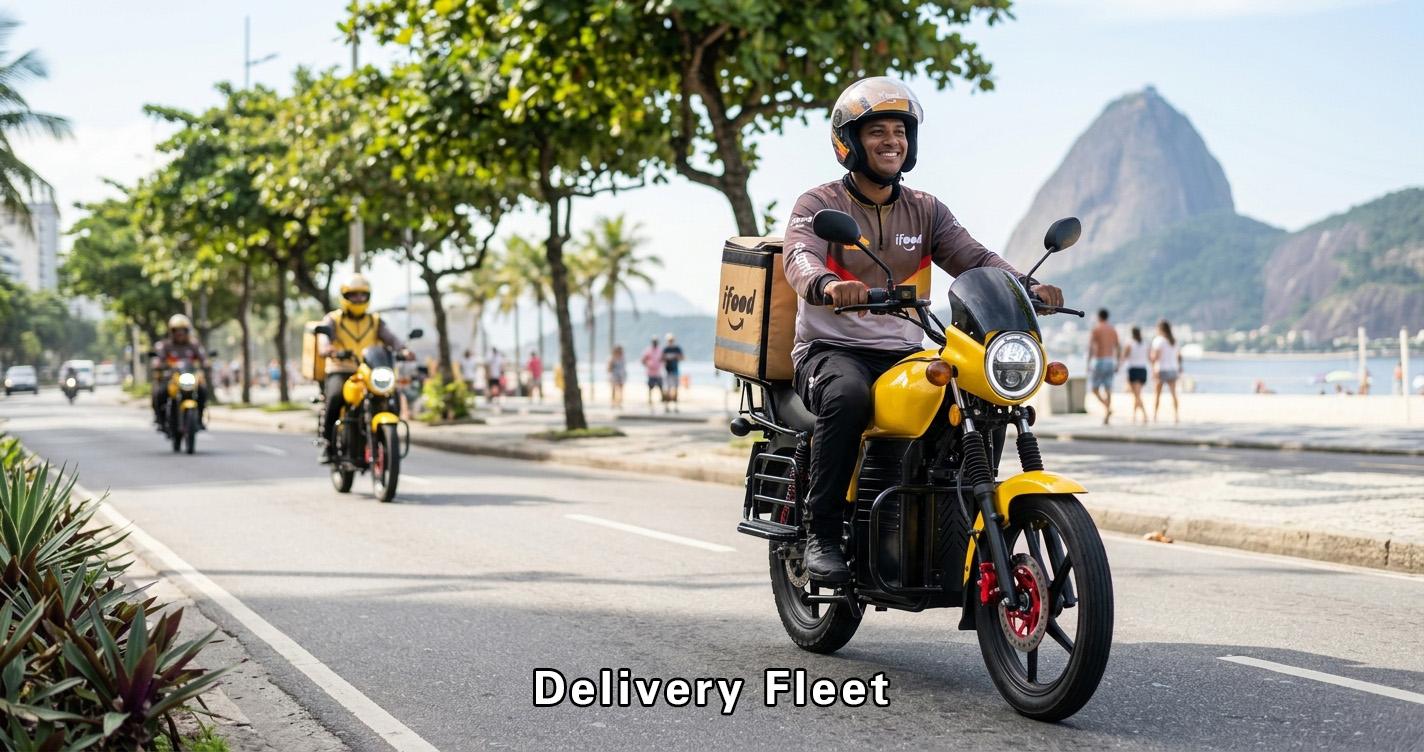
Electric Motorcycle vs. Electric Scooter: A Complete Buyer's Guide (2026)
1.JOBO 72V 50Ah High Performance Electric Motorcycle 2.Who Should Buy an Electric Motorcycle? 3.Who Should Buy an Electric Scooter? 4.4 Things to Consider Before You Decide 5.Frequently Asked Questions (FAQ)
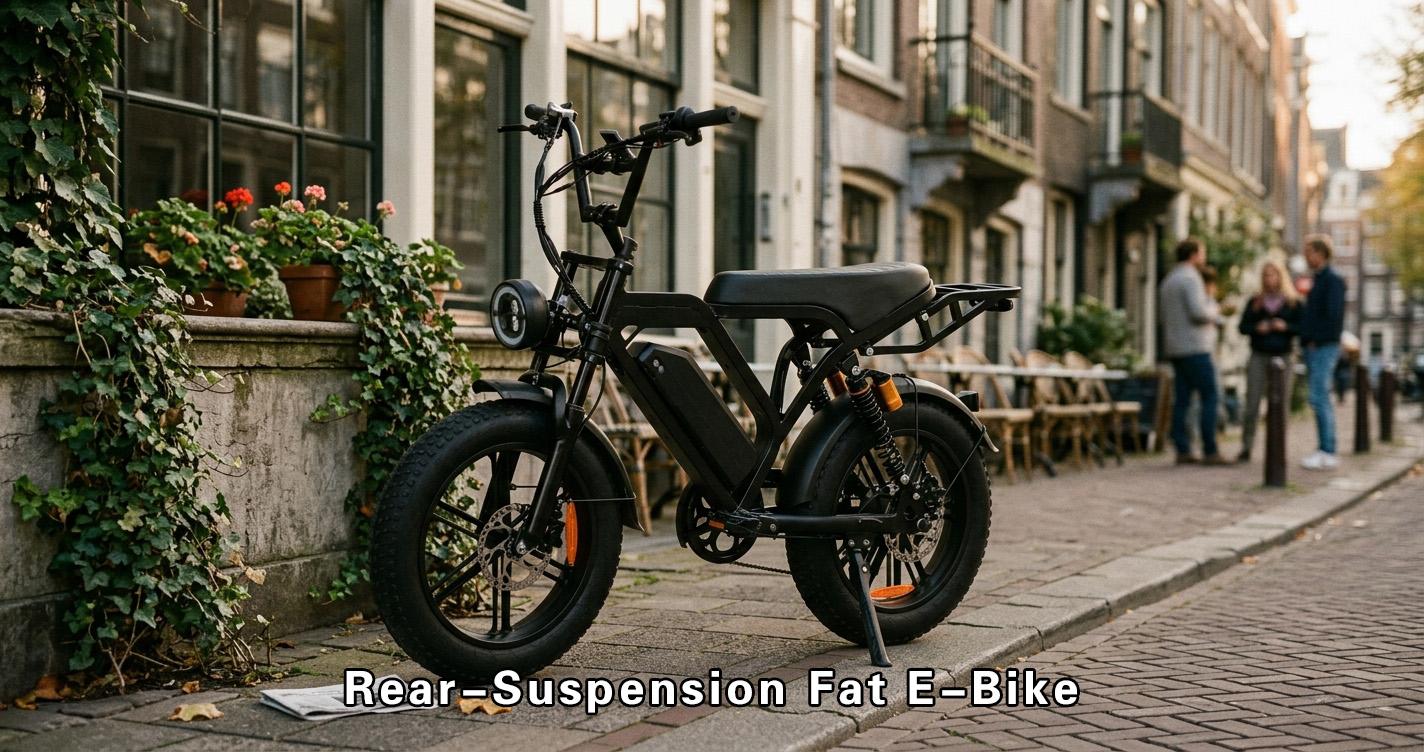
Top 10 FAQs About Moped-Style E-Bikes: Speed, Range, Legality, and Customization Options
1. What Exactly Is a Moped-Style E-Bike? 2. How Fast Can a Moped-Style E-Bike Go? 3. What Is the Real-World Range on a Single Charge? 4. Are Moped-Style E-Bikes Street Legal? 5. Why Choose a 500W Rear Motor? 6. Can I Ride a Fat-Tire E-Bike in Rain or Snow? 7. What Customization Options Are Available? 8. How Do the Brakes and Suspension Perform? 9. Do I Need a License, Registration, or Insurance? 10. Who Should Buy a Moped-Style Fat-Tire E-Bike? Conclusion
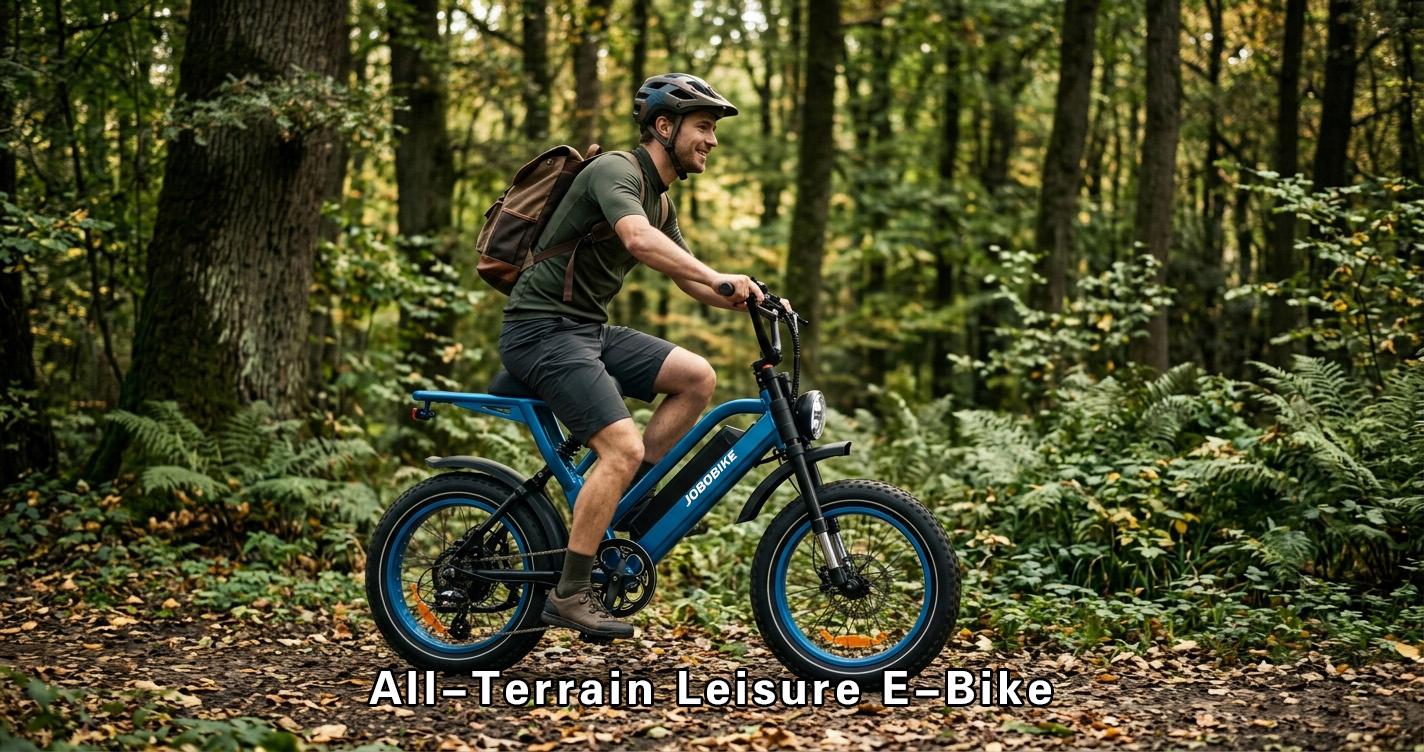
Retro Fat-Tire E-Bike vs. Standard City E-Bike
1.Tire Size: The 4-Inch Advantage 2.Motor Power: 1000W vs. the Urban Standard 3.Terrain and Weather Adaptability 4.Safety Features: Beyond Basic Brakes 5.Comfort and Riding Position 6.Battery and Real-World Range 7.Who Should Choose Which? 8.Frequently Asked Questions (FAQ) 9.Final Verdict

From OEM to Shared Fleet Partner: How Factory Direct Cuts 30% Costs
1.Why Fleet Operators Are Reconsidering Their Procurement Model 2.The 30% Cost Breakdown: Where the Savings Come From 3.What to Look for in a Factory-Direct OEM Partner 4.Real-World Application: A 500-Bike Shared Fleet Scenario 5.Common Concerns About Factory-Direct Procurement 6.How to Transition from Distributor to Factory-Direct 7.Conclusion: Factory Direct Is a Strategic Advantage, Not Just a Cost Cut
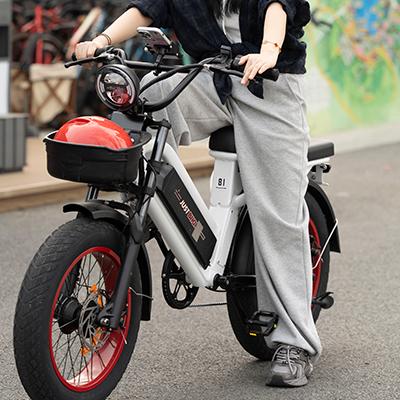
How to Build a Smart E-Bike Rental System from Scratch
1.A Complete Guide to Launching a GPS-Enabled, IoT-Powered Shared E-Bike Business 2.What Is a Smart E-Bike Rental System? 3.Core Components of a Smart E-Bike Rental System 4.How IoT Makes Smart Bike Rental More Efficient 5.Choosing the Right E-Bike for Rental Fleets 6.Ideal Locations for Smart E-Bike Rental Projects 7.Why GPS and IoT Matter for Fleet Security 8.Revenue Models for Smart E-Bike Rental Businesses 9.Why Partner with an OEM/ODM Smart E-Bike Manufacturer? 10.Future Trends in Smart E-Bike Sharing 11.Conclusion
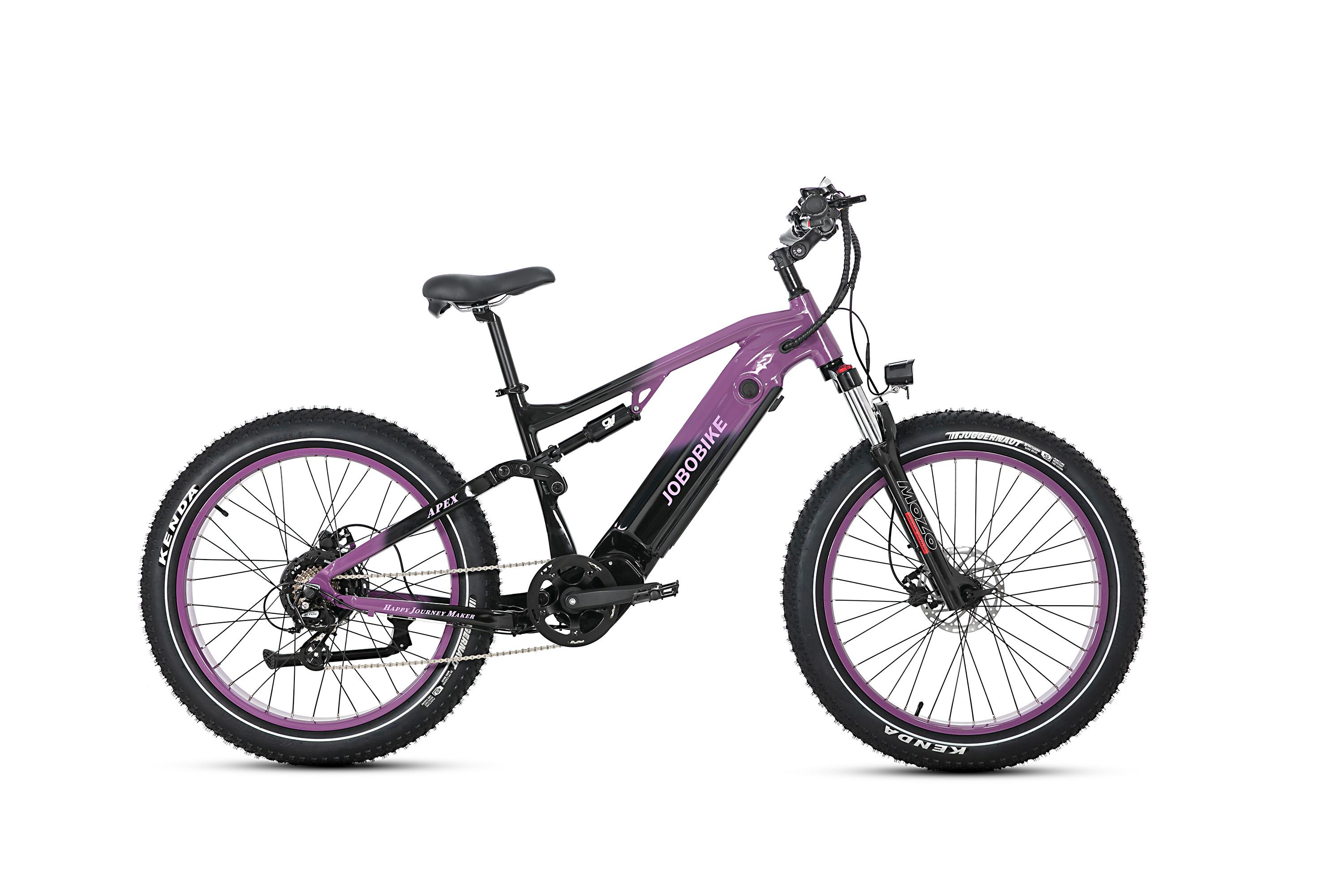
Limited Stock Alert: High-Performance MTB E-Bikes Ready to Ship from US Warehouse
1.Don't Wait Months — Get Premium 1000W Electric Bikes Delivered in Days 2.Why This Matters for Your Business 3.Product Highlights 4.Key Selling Points for Your Customers 5.Who Should Buy This? 6.Act Fast — Here's Why 7.Ready to Order?