Understanding CE Certification in E-Bikes: Safety Standards vs. Everyday Risks
When exploring the world of electric bicycles, CE-certified e-bikes stand out as a benchmark for quality and compliance in the European Union. The CE marking for e-bikes signifies that the product meets essential health, safety, and environmental protection requirements, ensuring riders can trust their investment. This certification contrasts sharply with non-certified models, which might skimp on rigorous testing, potentially leading to issues like faulty batteries or unstable frames during urban commutes. For instance, while a standard e-bike might offer basic functionality at a lower price, a CE-certified option prioritizes durability and legal roadworthiness, making it ideal for daily use without the hidden dangers of subpar construction.
Comparing Top Rated CE-Certified E-Bikes: Features and Performance Breakdown
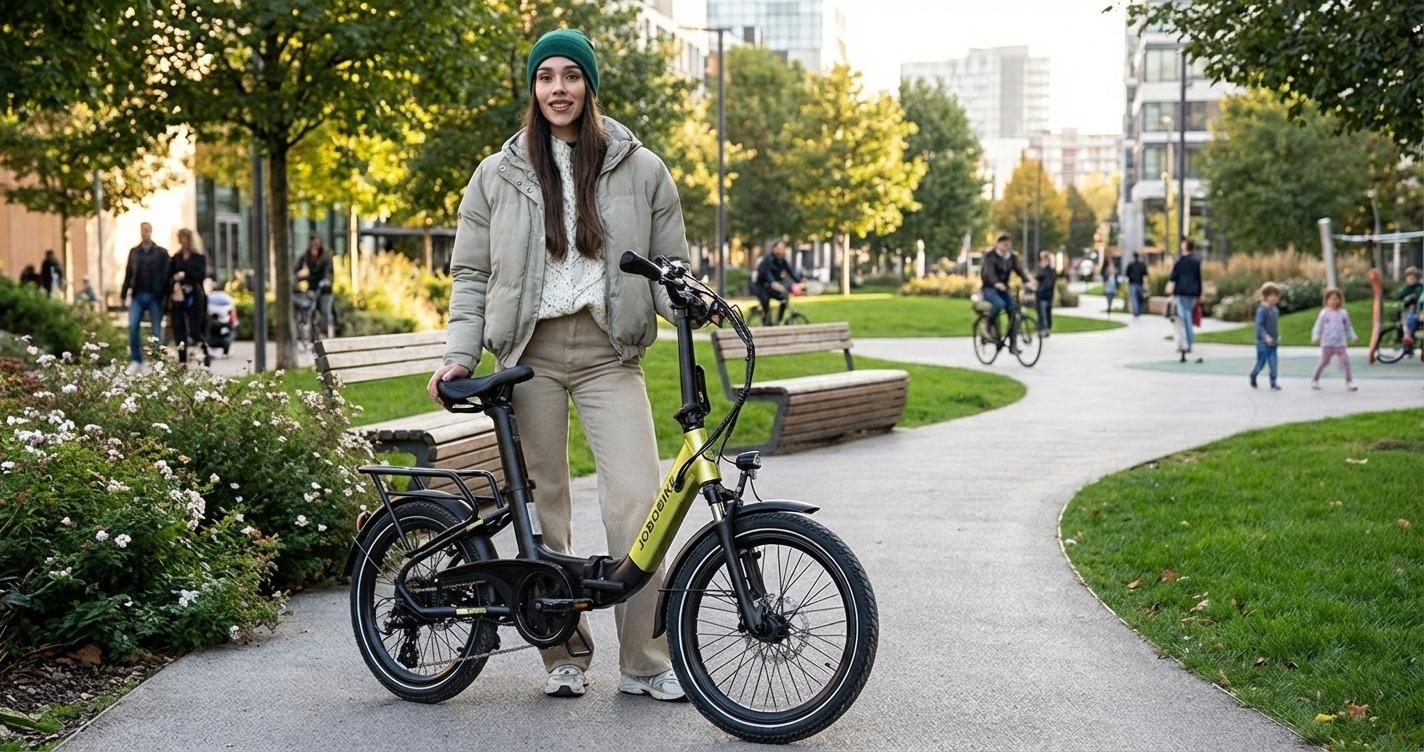
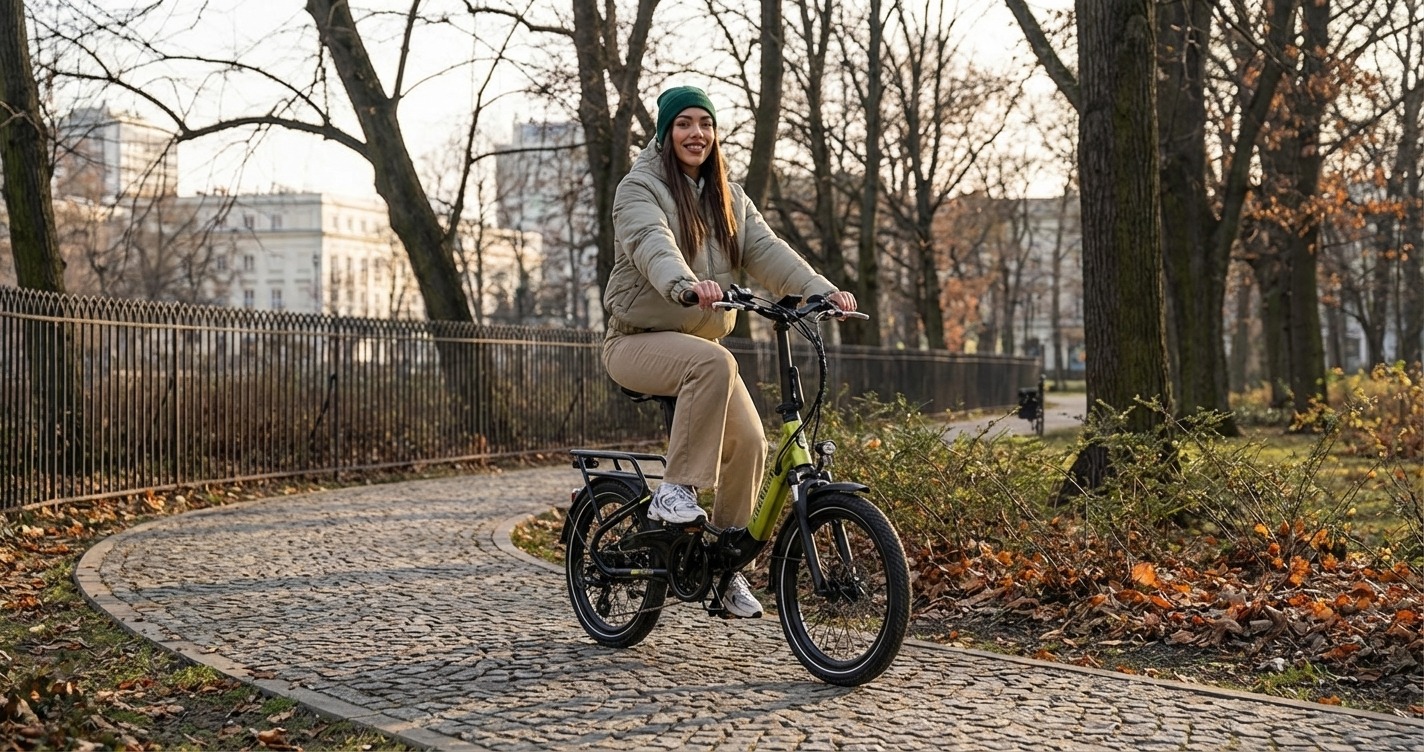
Diving into top rated CE-certified e-bikes reveals a fascinating contrast between compact urban models and more robust commuter designs. Take the chic folding eBike, with its sleek matte finish and lightweight build, which excels in portability—folding effortlessly to fit into small apartments or car trunks. In comparison, the JOOEBIKE folding e-bike, boasting a bold lime-yellow hue, emphasizes high-performance motors for tackling steep inclines, offering extended battery life that outpaces many basic folders. Similarly, the JoboBike folding e-bike integrates eco-friendly pedal-assist modes with vibrant yellow styling and sturdy rear racks, providing superior stability on varied terrains versus the nimble but less rugged alternatives. These top rated CE-certified e-bikes highlight how certification ensures consistent reliability, with features like shock-absorbing tires and ergonomic seats setting them apart from uncertified counterparts that often falter in comfort and range.
CE-Certified E-Bike Manufacturers: Innovation vs. Traditional Approaches
CE-certified e-bike manufacturers demonstrate a commitment to innovation that traditional bike producers often overlook. Manufacturers behind models like the JOOEBIKE focus on seamless integration of electric motors and advanced batteries, contrasting with older-style makers who rely on manual enhancements without EU compliance. This leads to a clear divide: certified producers invest in state-of-the-art testing for safety, resulting in bikes that handle city traffic smoothly, while non-certified ones might cut corners, risking recalls or performance dips. For example, the precision-crafted frames in CE-certified e-bike manufacturers' products, such as those in the JoboBike line, offer robustness without added weight, unlike heavier, uncertified frames that compromise on ease of transport.
Latest CE-Certified E-Bike Models: Style and Functionality in Focus
The latest CE-certified e-bike models push boundaries in design and utility, contrasting vividly with outdated versions that lack modern flair. The folding eBike's matte finish and adjustable seats cater to urbanites seeking style, while the JOOEBIKE's throttle-assisted rides provide thrilling efficiency for longer explorations—far surpassing the basic pedal power of legacy models. Meanwhile, the JoboBike's wide tires and efficient braking system ensure confident navigation on bustling streets, highlighting how the latest CE-certified e-bike models blend sustainability with bold aesthetics like vibrant yellows, unlike the drab, functional-only designs of the past. This evolution underscores the CE marking for e-bikes' role in elevating rider experience, from effortless folding mechanisms to extended ranges that make every journey sustainable and enjoyable.
In summary, choosing CE-certified e-bikes means opting for peace of mind through superior safety and innovation. Whether comparing portability in top rated options or the forward-thinking approaches of certified manufacturers, these bikes redefine urban mobility, offering a compelling alternative to uncertified risks. With models like the JOOEBIKE and JoboBike leading the charge, riders gain not just transport but a stylish, reliable companion for daily adventures.