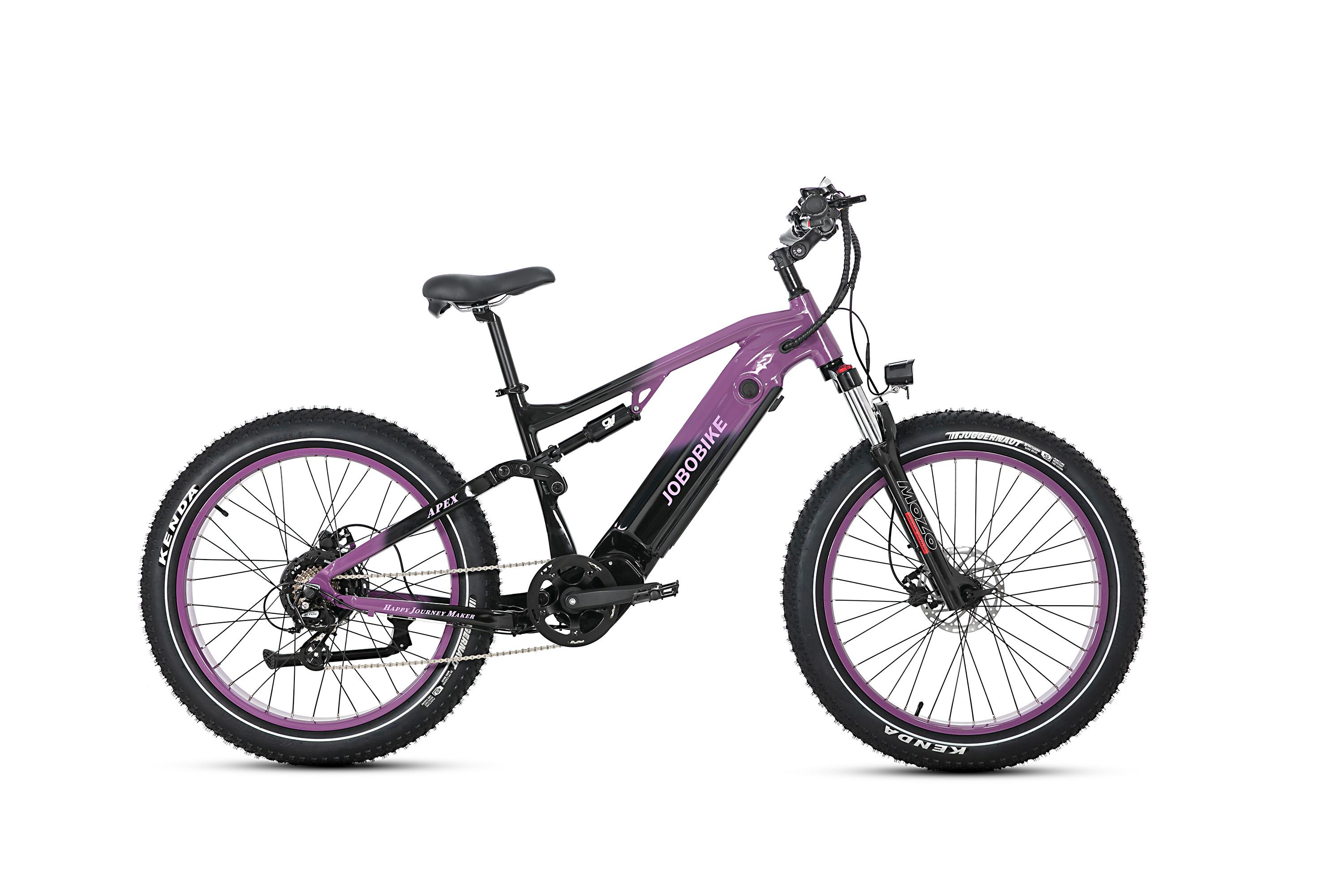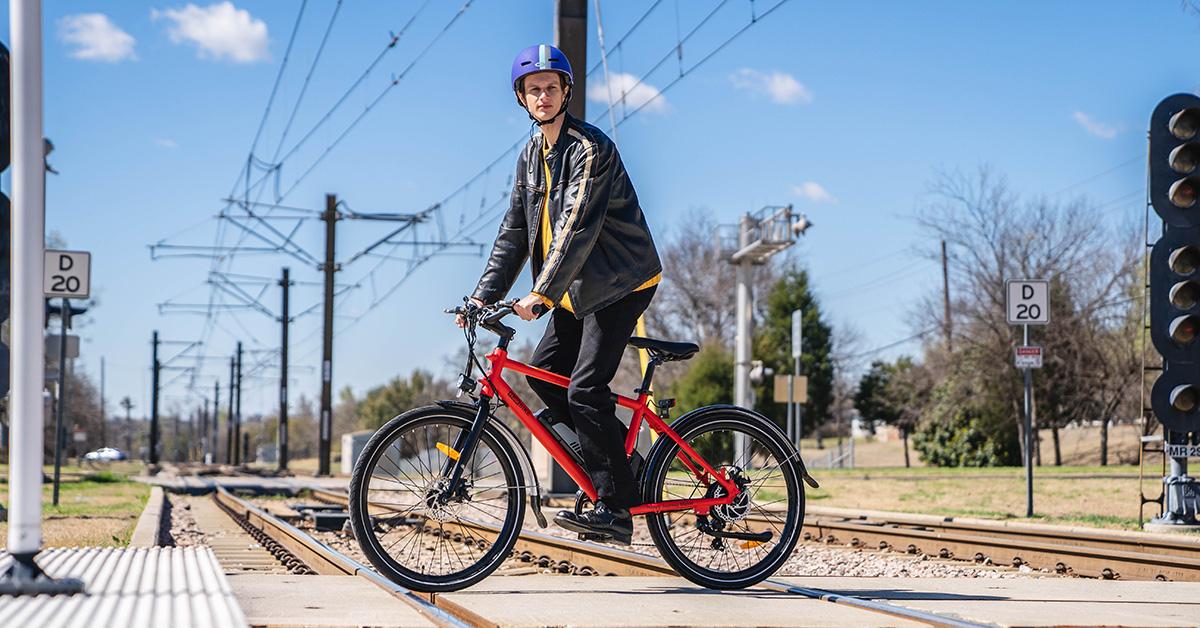
City Electric Bicycle: Your Urban Commuting Revolution

City Electric Bicycle: Your Urban Commuting Revolution

Today, we are joined by urban mobility expert and product designer, Alex Chen, to discuss the revolutionary impact of the modern city electric bicycle on our daily lives. With cities becoming more congested, people are actively seeking smarter, cleaner, and more efficient ways to travel. The e-bike has emerged as a frontrunner in this new era of transportation, blending technology with classic design to offer a compelling alternative to traditional commuting.
Rethinking the Daily Commute


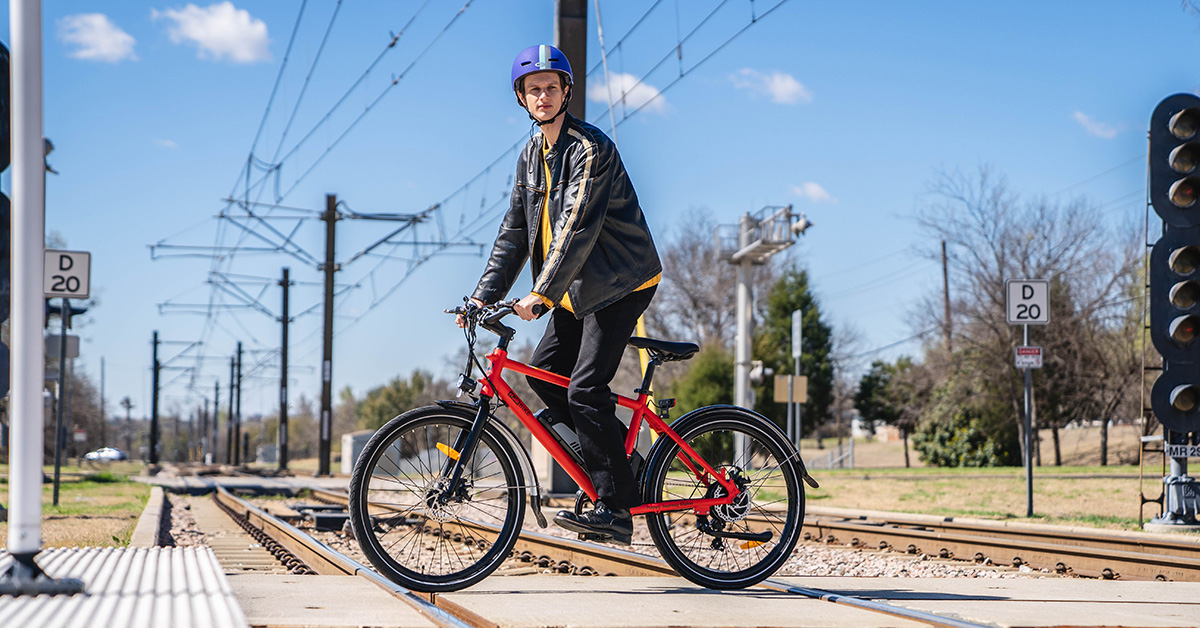
We asked Alex what he sees as the biggest driver for the e-bike boom. "It's a perfect storm of necessity and innovation," he explains. "Urbanites are tired of being stuck in traffic and paying exorbitant fees for parking and public transit. They want freedom and flexibility. That's where urban commuting electric bicycles come in. They provide the agility of a traditional bike but with an electric boost that flattens hills and makes longer distances manageable. You can get to work without breaking a sweat, run errands efficiently, and explore your city in a way you simply can't in a car. It's about reclaiming your time and enjoying the journey."

Designing for the Modern Rider


So, what makes an ideal e-bike for city life? Alex points to a combination of aesthetics, performance, and practicality. "The focus has shifted towards lightweight electric bicycles for city environments. Riders want a bike they can easily carry up a flight of stairs or maneuver through tight spaces. This is why materials like aluminum alloy are becoming standard. But it's not just about weight," he adds. "Integration is key. A powerful but quiet motor, a long-lasting battery that's seamlessly built into the frame, and features like pedal-assist create an intuitive and effortless riding experience. We're also seeing a greater emphasis on safety and comfort, with ergonomic seats, puncture-resistant tires, and powerful LED lights becoming non-negotiable features for the discerning urban rider."

Breaking Down Barriers to Adoption


Despite the clear benefits, some people still hesitate due to perceived cost or storage issues. We asked Alex how the industry is addressing this. "The market is becoming incredibly diverse, leading to more affordable electric bicycles for urban use than ever before. When you factor in the savings on fuel, insurance, and public transport fares, the initial investment pays for itself remarkably quickly. For those concerned about space, foldable electric bikes for urban areas are a complete game-changer. They can be stored under a desk at work or in a small apartment closet, making them a perfect solution for multi-modal commuting—ride to the train station, fold it up, and take it with you. This level of convenience is breaking down major barriers to adoption."

A Commitment to a Greener Future


Finally, we touched on the environmental aspect. "This is perhaps the most significant long-term benefit," Alex states with passion. "Every e-bike on the road has the potential to replace a car, drastically reducing carbon emissions and noise pollution. Choosing an e-bike is a powerful statement. It's a personal commitment to a healthier lifestyle and a more sustainable planet. This form of eco-friendly city transport is fundamental to building the smart, green cities of the future. It's not just a trend; it's a movement towards cleaner air and more livable communities for everyone. The city electric bicycle is truly a vehicle for change."

If you are interested in learning more about our city electric bicycle solutions or exploring customization and business collaboration opportunities, we welcome you to reach out. We provide comprehensive product information for individual customers and detailed technical specifications for potential distribution partners interested in bulk ordering or wholesale arrangements. Our team is available to discuss how our urban commuting electric bicycles can meet your specific transportation needs and business objectives.

Suggested URL Slug: /city-electric-bicycle-urban-commuting

Publisher
logo
Jinhua JOBO Technology Co., Ltd2025/11/04
Blog Categories

Related Articles

How to Choose the Right Cargo Electric Bike for Urban Efficiency

How to Choose the Right Cargo Electric Bike for Urban Efficiency

1.How to Choose the Right Cargo Electric Bike for Urban Efficiency 2.Why Cargo Electric Bikes Are Transforming Urban Transportation 3.Step 1: Identify Your Primary Usage Scenario 4.Step 2: Compare Cargo Electric Bike Structural Designs 5.Step 3: Understand Payload and Durability Requirements 6.Step 4: Evaluate Motor Performance and Efficiency 7.Step 5: Consider Long-Term Maintenance and Ownership Value 8.Step 6: Choose a Reliable Cargo E-Bike Manufacturer 9.Frequently Asked Questions About Cargo Electric Bikes 10.Conclusion

Mid-Drive vs. Hub Motor: Which E-Bike Motor Is Right for You?

Mid-Drive vs. Hub Motor: Which E-Bike Motor Is Right for You?

1.What Is a Hub Motor? 2.What Is a Mid-Drive Motor? 3.Mid-Drive vs. Hub Motor: 7 Key Differences 4.Which E-Bike Motor Should You Choose? 5.Conclusion: There Is No “Best” Motor—Only the Right One 6.Frequently Asked Questions (FAQ)

How Electric Bike Frames Are Made | CNC and Automated E‑Bike Frame Manufacturing at JOBO

How Electric Bike Frames Are Made | CNC and Automated E‑Bike Frame Manufacturing at JOBO

1.How Does JOBO Manufacture High‑Quality E‑Bike Frames? 2.Tube Cutting and CNC Blanking Process 3.Tube Forming, Bending and Structural Shaping 4.Arc Milling, Slotting and Interface Preparation 5.Tube Surface Grinding and Cleaning 6.Welding Preparation and Tooling Management 7.Frame Welding and Assembly Lines 8.Frame Alignment, Calibration and Measurement 9.Aluminum Heat Treatment: T4 and T6 10.Post‑Heat Treatment Precision Machining 11.Frame Surface Finishing and Appearance Control 12.Automated Coating and Painting Process 13.Finished Frame Inspection and Quality Assurance 14.CNC‑Driven E‑Bike Frame Manufacturing at JOBO 15.FAQ: E-Bike Frame Manufacturing

Leading OEM and ODM E-Bike Manufacturer in China | JOBO

Leading OEM and ODM E-Bike Manufacturer in China | JOBO

1.Who Is JOBO and What Does the Company Specialize In? 2.What Makes JOBO’s E-Bike Factory in China Competitive? 3.How Does JOBO Ensure Stable Quality in Mass E-Bike Production? 4.Does JOBO Have a Europe-Based E-Bike Assembly Factory? 5.How Does JOBO Manufacture High-Quality E-Bike Frames? 6.Why Do Global Brands Choose JOBO as Their OEM & ODM E-Bike Partner? 7.How Does JOBO Meet EU and Global E-Bike Regulations? 8.What Advanced Manufacturing Technologies Does JOBO Use? 9.Where Can You Meet JOBO at Global E-Bike Exhibitions? 10.What Are JOBO’s Key Milestones and Industry Achievements? 11.Summary: Why JOBO Is a Reliable OEM & ODM E-Bike Manufacturer 12.OEM & ODM E-Bike Manufacturing FAQ 

How to Ensure Electric Bike Quality: Inside JOBO QC Labs

How to Ensure Electric Bike Quality: Inside JOBO QC Labs

1.How to Ensure Electric Bike Quality: Inside JOBO QC Labs 2.How Does JOBO QC Labs Ensure Electric Bike Quality? 3.What Types of Tests Are Conducted in JOBO QC Labs? 4.How Are Electric Bike Frames Tested for Strength and Durability? 5.How Are Braking Systems Validated for Urban Safety? 6.How Are Electric Bike Batteries Tested for Safety and Thermal Reliability? 7.How Is Motor Performance Measured and Verified? 8.How Are Wheels Tested for Long-Term Urban Riding? 9.How Does JOBO Simulate Environmental and Climate Conditions? 10.Why Is QC Testing Critical for European Market Compliance? 11.Why Does Advanced QC Capability Matter for OEM and Fleet Partners? 12.How JOBO QC Labs Strengthens Long-Term Manufacturing Trust

Belt Drive vs Chain Drive: Choosing the Right Electric City Bike System

Belt Drive vs Chain Drive: Choosing the Right Electric City Bike System

1.Belt Drive vs Chain Drive Electric City Bike: How to Choose the Right Urban E-Bike System 2.How Does a Belt Drive Electric City Bike Work? 3.How Does a Chain Drive Electric City Bike Work? 4.How Do Belt Drive and Chain Drive Compare for Urban Commuting? 5.How Does a Mid Motor Affect Belt Drive and Chain Drive Systems? 6.Which Drivetrain Is Better for the European Market? 7.How Do Electric City Bike Manufacturers Support Both Systems? 8.How to Choose Between Belt Drive and Chain Drive Electric City Bikes? 9.Frequently Asked Questions About Belt Drive and Chain Drive Electric City Bikes