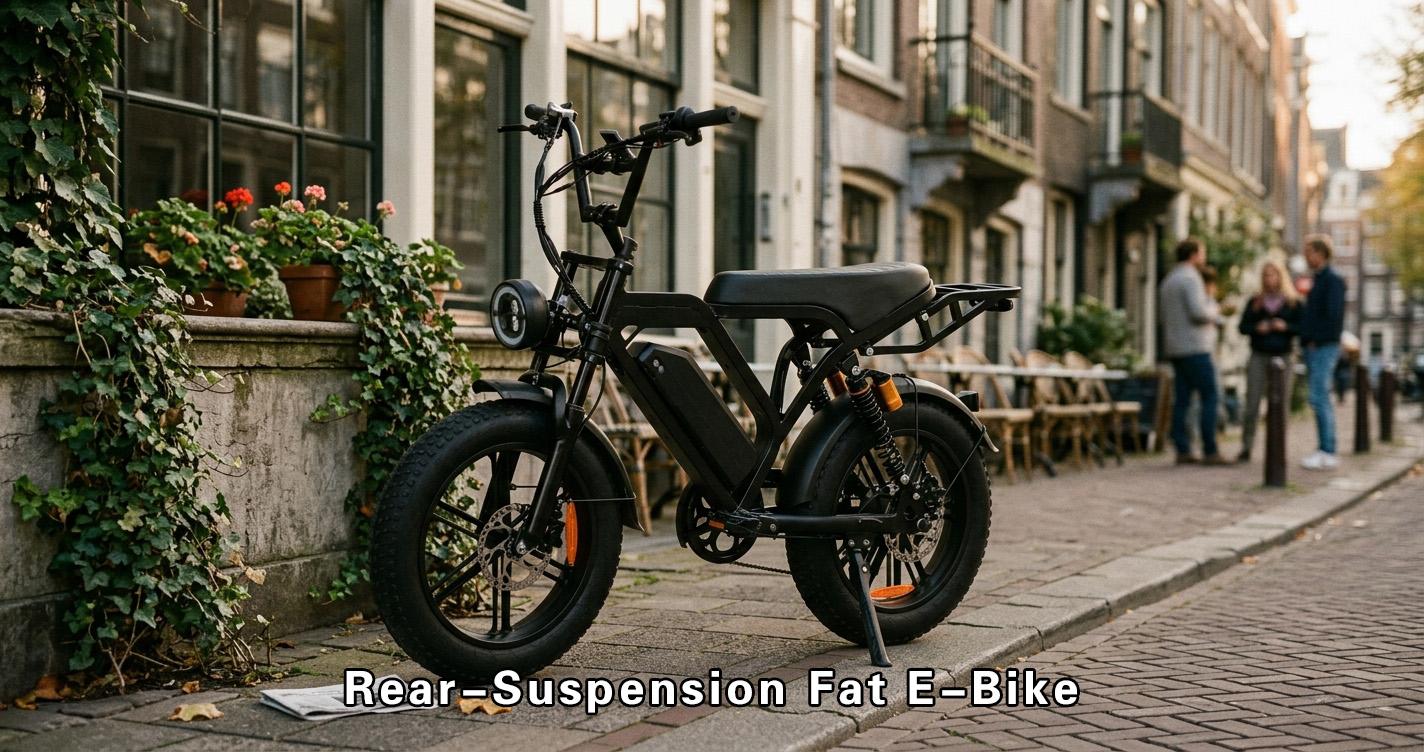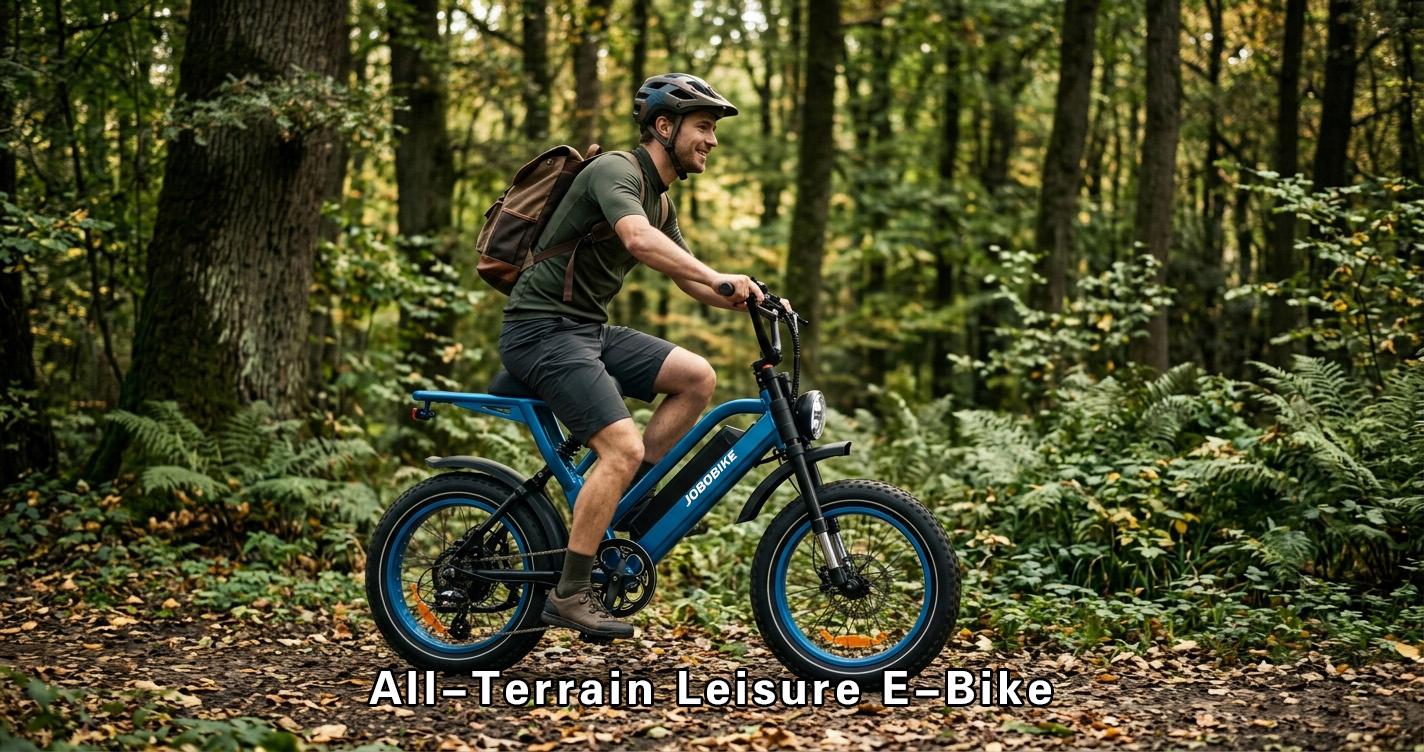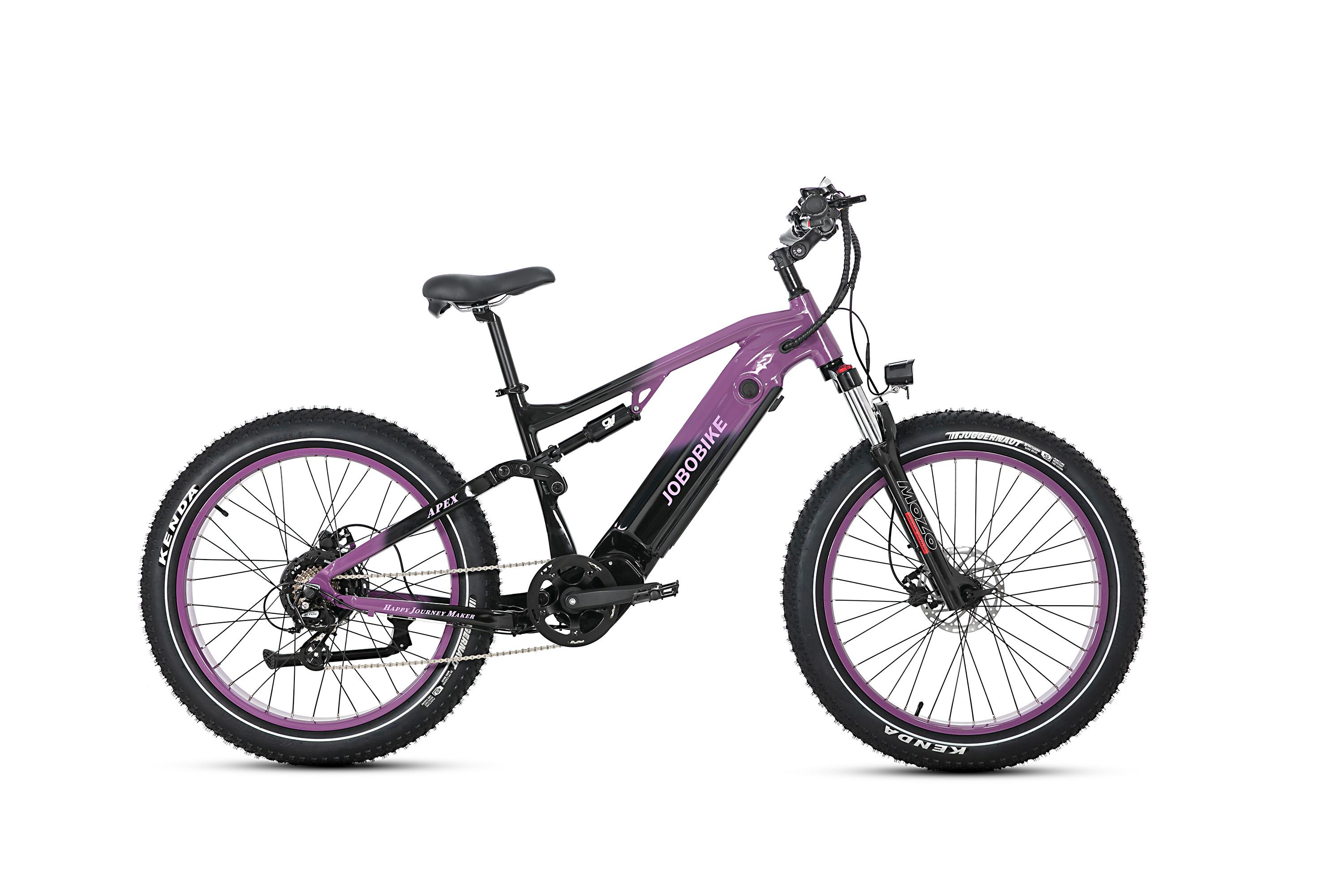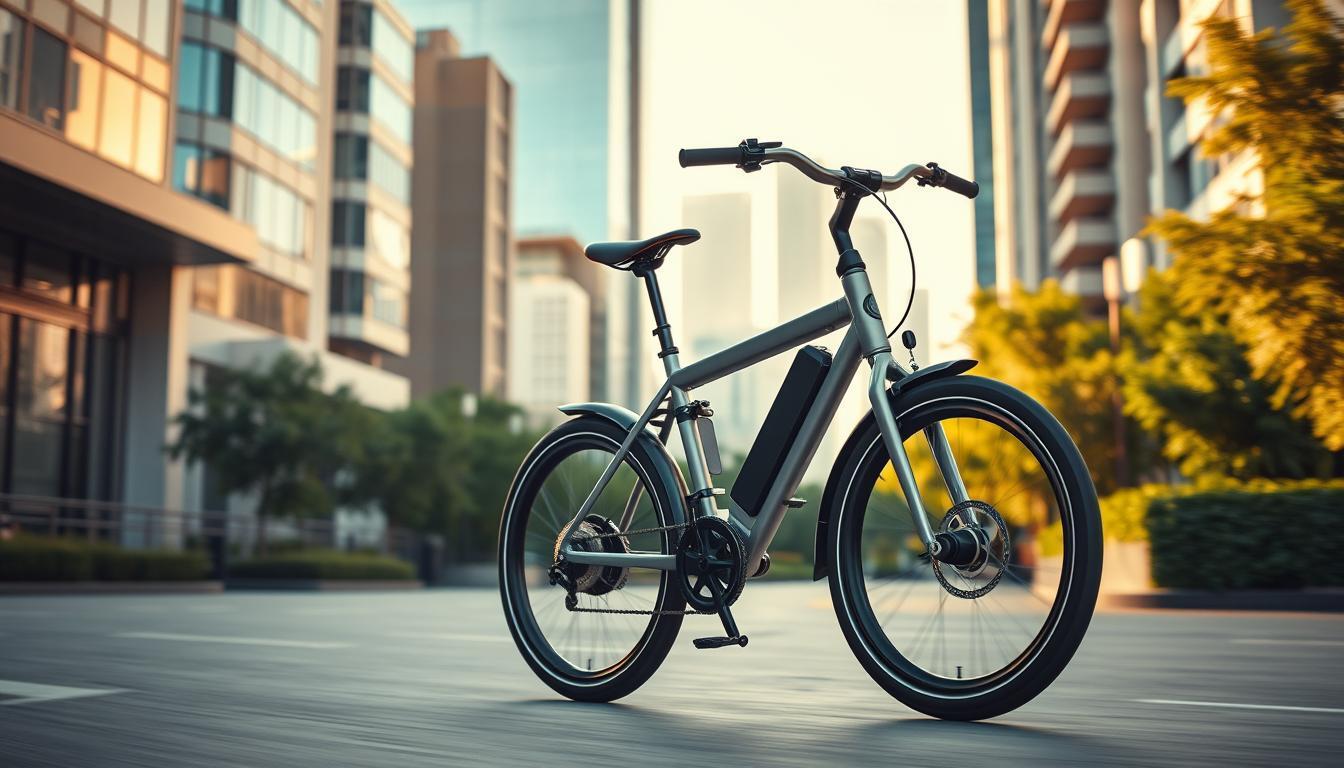
Cities are becoming more crowded, parking is becoming more expensive, and commuters are looking for transportation that fits both their schedules and their living spaces.
That’s why compact electric bikes are growing rapidly across urban markets.
But for distributors, retailers, and OEM buyers, demand alone is not enough.
Choosing the right compact electric bike supplier is what determines whether a product succeeds long term—or disappears after one season.
Because compact mobility requires smarter engineering, not smaller products.
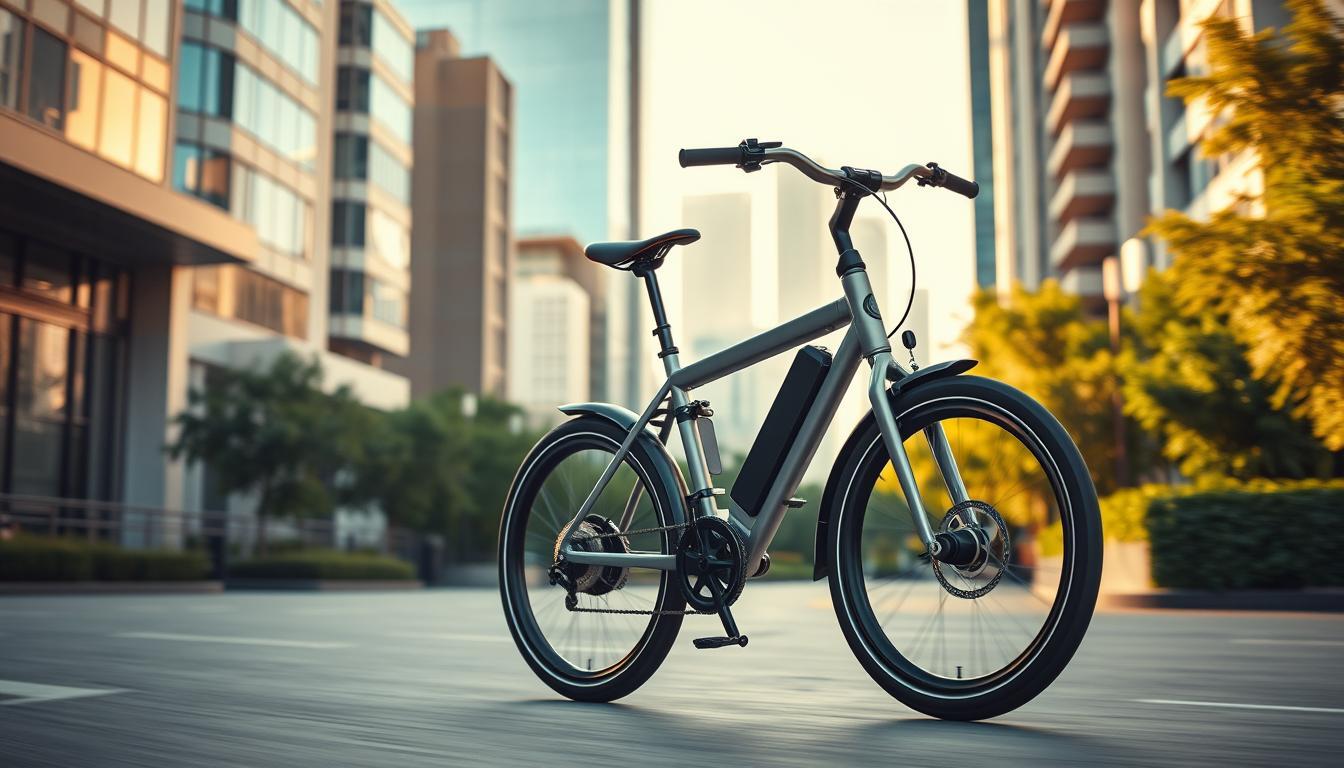
Why Compact Electric Bikes Are Growing So Fast
Compact e-bikes solve real urban problems:
- limited apartment storage
- crowded elevators and stairways
- mixed train + bike commuting
- office-friendly transportation
- easier carrying and parking
This makes them highly attractive for:
- urban commuting brands
- e-commerce retailers
- rental and tourism businesses
- smart mobility projects
- private-label OEM markets
The category continues to grow because portability is becoming part of everyday mobility.
Compact Design Requires Precision Engineering
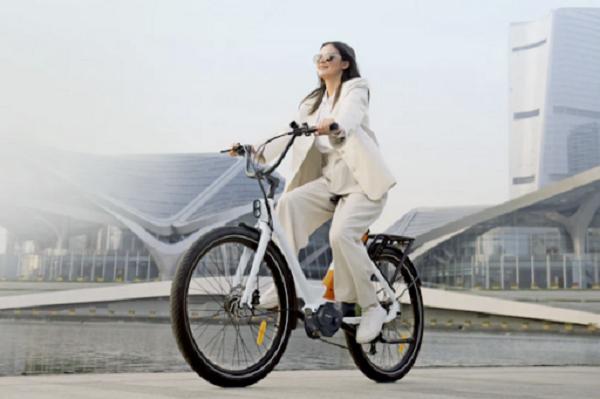
A compact e-bike cannot simply be a smaller bike.
A reliable compact electric bike supplier must optimize:
- frame geometry
- wheelbase balance
- rider posture
- portability
- structural rigidity
Without proper engineering, compact bikes quickly become unstable or uncomfortable.
At Jobo, compact e-bike platforms are designed specifically for dense urban mobility—not adapted from oversized models.
Lightweight Structure Without Sacrificing Strength
One of the biggest challenges is balancing:
lower weight
daily durability
Professional manufacturers use:
- lightweight aluminum alloy frames
- reinforced stress points
- optimized tubing thickness
- anti-vibration structural design
This allows riders to:
- carry bikes upstairs
- transport them more easily
- ride comfortably every day
without compromising reliability.
Battery Integration Matters More in Compact Bikes
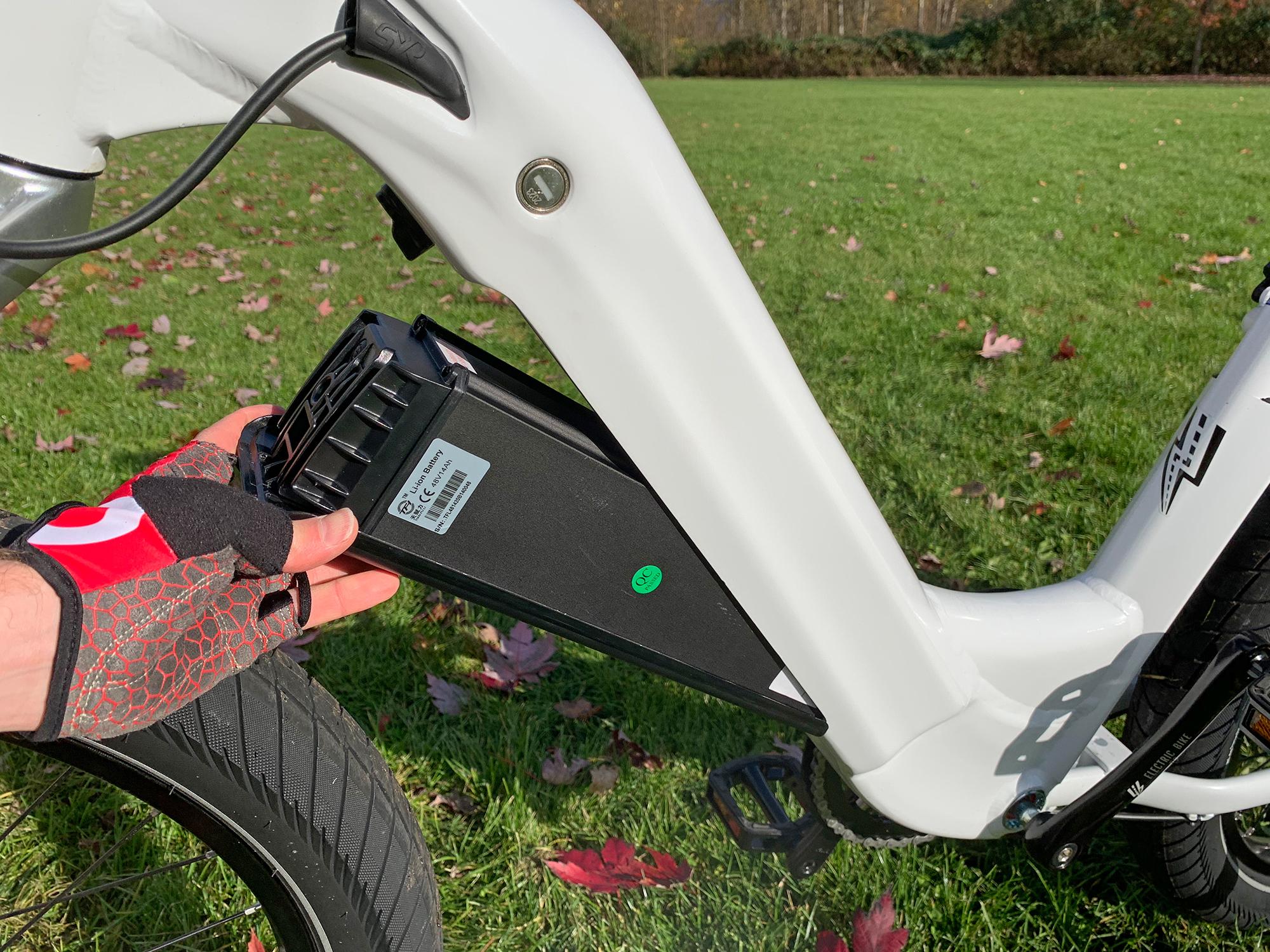
Limited space creates bigger engineering challenges.
A professional compact electric bike supplier should provide:
- removable battery systems
- compact battery placement
- balanced weight distribution
- protected cable routing
- efficient charging access
These details directly affect:
- ride stability
- safety
- portability
- maintenance efficiency
Sourcing for 2026? Skip the guesswork.
Click here to contact us for the 2026 cargo e-bike product catalog and specifications
OEM Capability Defines Long-Term Scalability
For distributors and brands, factory capability matters just as much as the bike itself.
A reliable compact electric bike supplier should offer:
- OEM / ODM customization
- scalable monthly production
- private-label support
- CE / EN15194 certification
- stable quality control systems
- fast sample development
This ensures long-term product consistency and business growth.
Compact Mobility Is Becoming a Long-Term Trend
Compact e-bikes are no longer temporary commuter gadgets.
They are becoming essential tools for:
- smart cities
- shared mobility systems
- apartment-based commuting
- eco-friendly transportation initiatives
As urban infrastructure evolves, compact electric bikes will continue gaining market share globally.
Who Needs Compact Electric Bikes Most
- urban commuters
- train + bike riders
- apartment residents
- rental and tourism businesses
- urban private-label distributors
These users prioritize:
- portability
- flexibility
- easy storage
- practical daily riding
Sourcing for 2026? Skip the guesswork.
Click here to contact us for the 2026 cargo e-bike product catalog and specifications
FAQ: Compact E-Bike Supplier Questions
Q1: What is the ideal weight for a compact electric bike?
Usually between 18–23kg depending on battery size and motor configuration.
Q2: Are compact e-bikes suitable for daily commuting?
Yes. Properly engineered compact bikes deliver excellent urban commuting performance.
Q3: Can compact e-bikes support OEM customization?
Absolutely. Jobo supports full OEM customization including frame, battery, branding, and accessories.
The Bottom Line
Choosing the right compact electric bike supplier is about more than finding a lightweight product.
It’s about finding a manufacturing partner capable of delivering:
- smart urban design
- long-term durability
- scalable OEM production
- reliable product consistency
At Jobo, compact electric bike platforms are engineered for real-world urban mobility—where flexibility and performance must work together.
Explore our compact e-bike solutions:
https://www.joboev.com/products
alk to our OEM production team:
https://www.joboev.com/contact-us