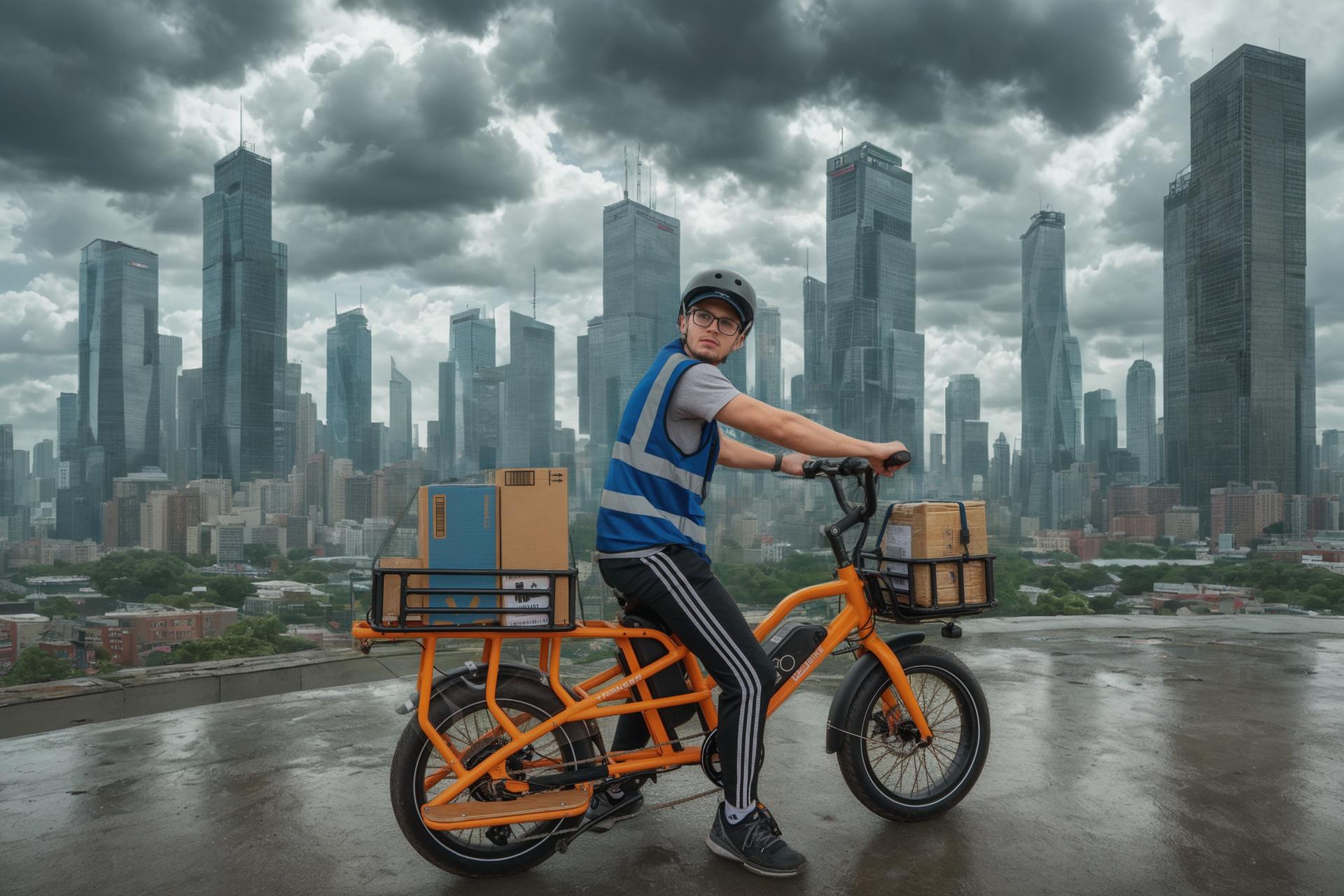
Delivery e-bike has become an essential tool for modern urban logistics, offering a sustainable and efficient way to handle deliveries in crowded cities. This guide will walk you through everything you need to know about selecting, using, and maintaining a delivery e-bike, drawing from innovative options like the VokBike e-cargo bike. Whether you're a food delivery rider or a courier service operator, understanding these vehicles can enhance your operations and reduce environmental impact.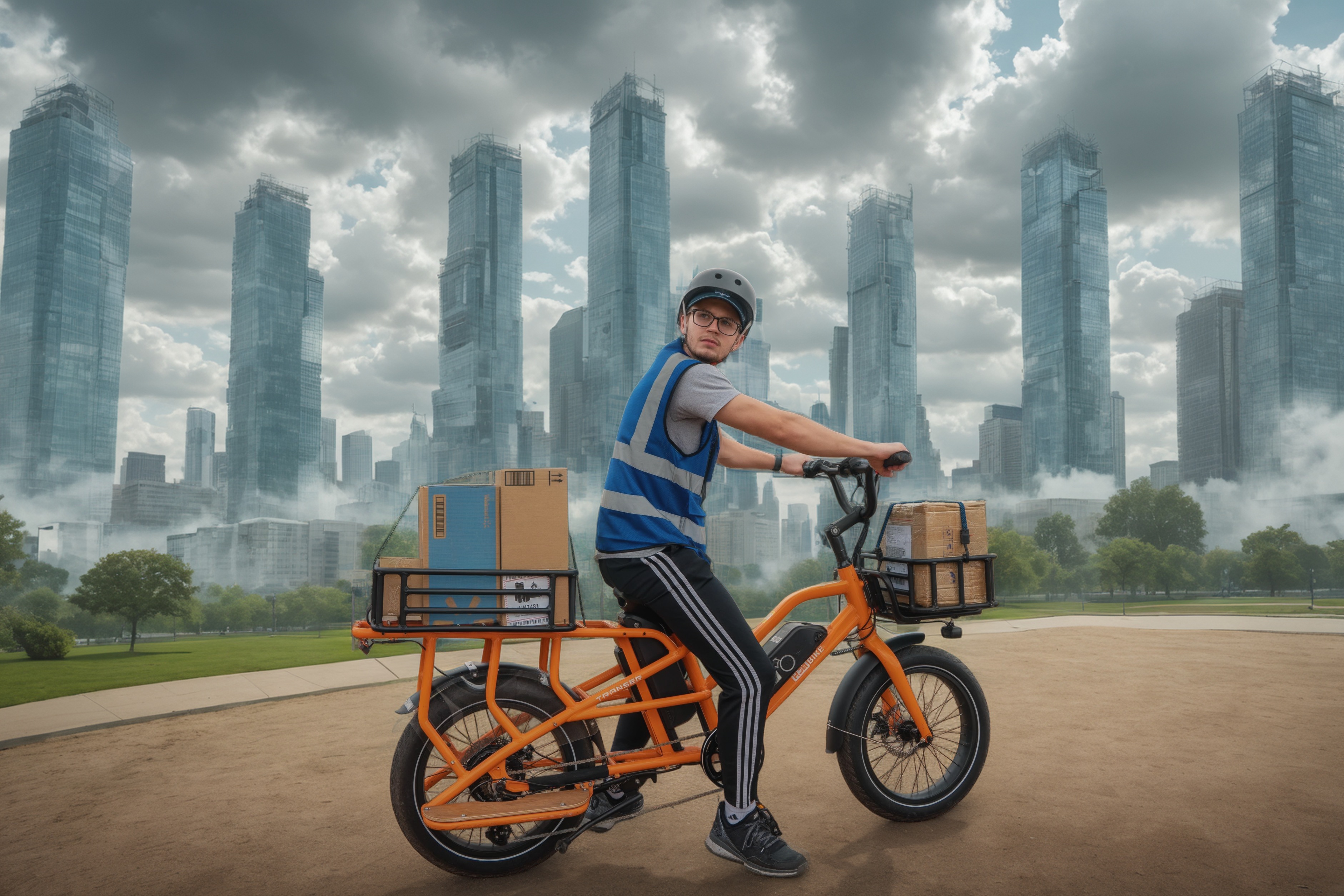
Understanding Delivery E-Bikes
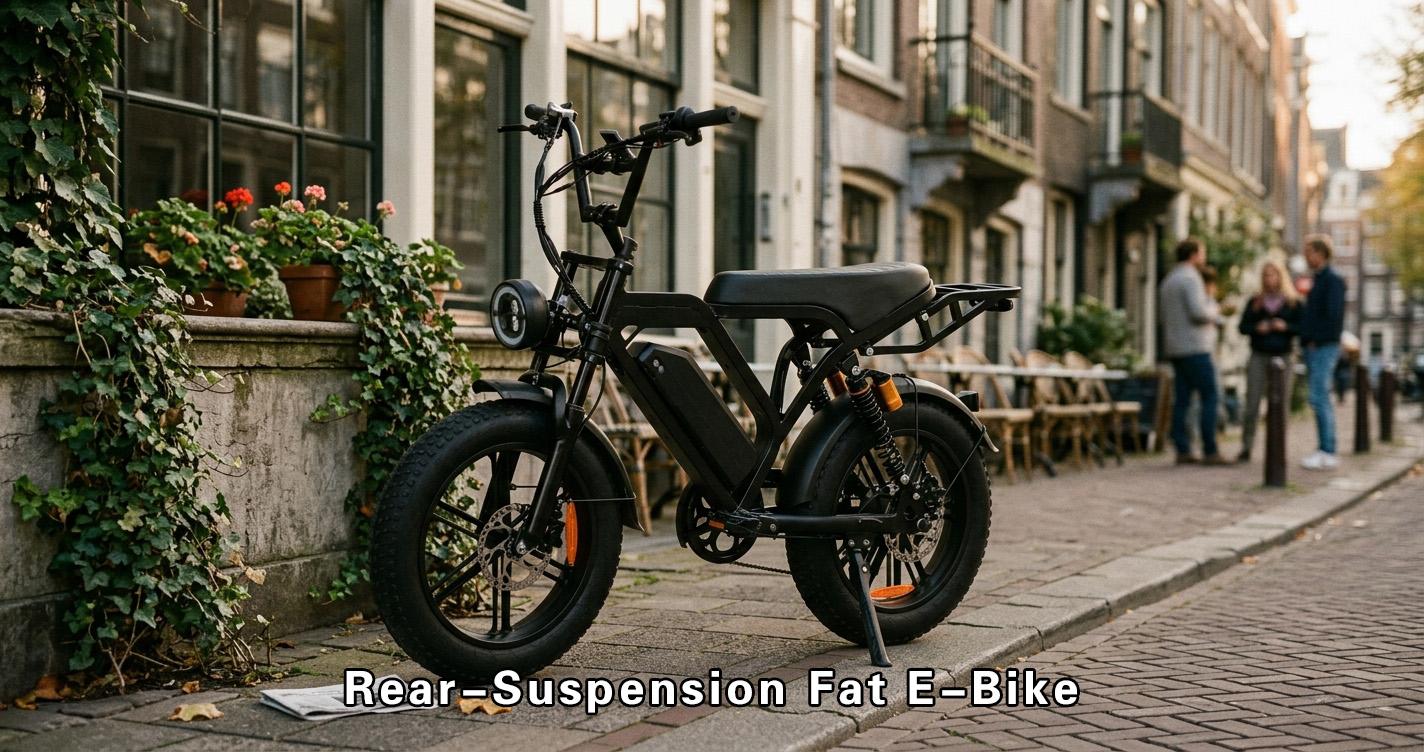
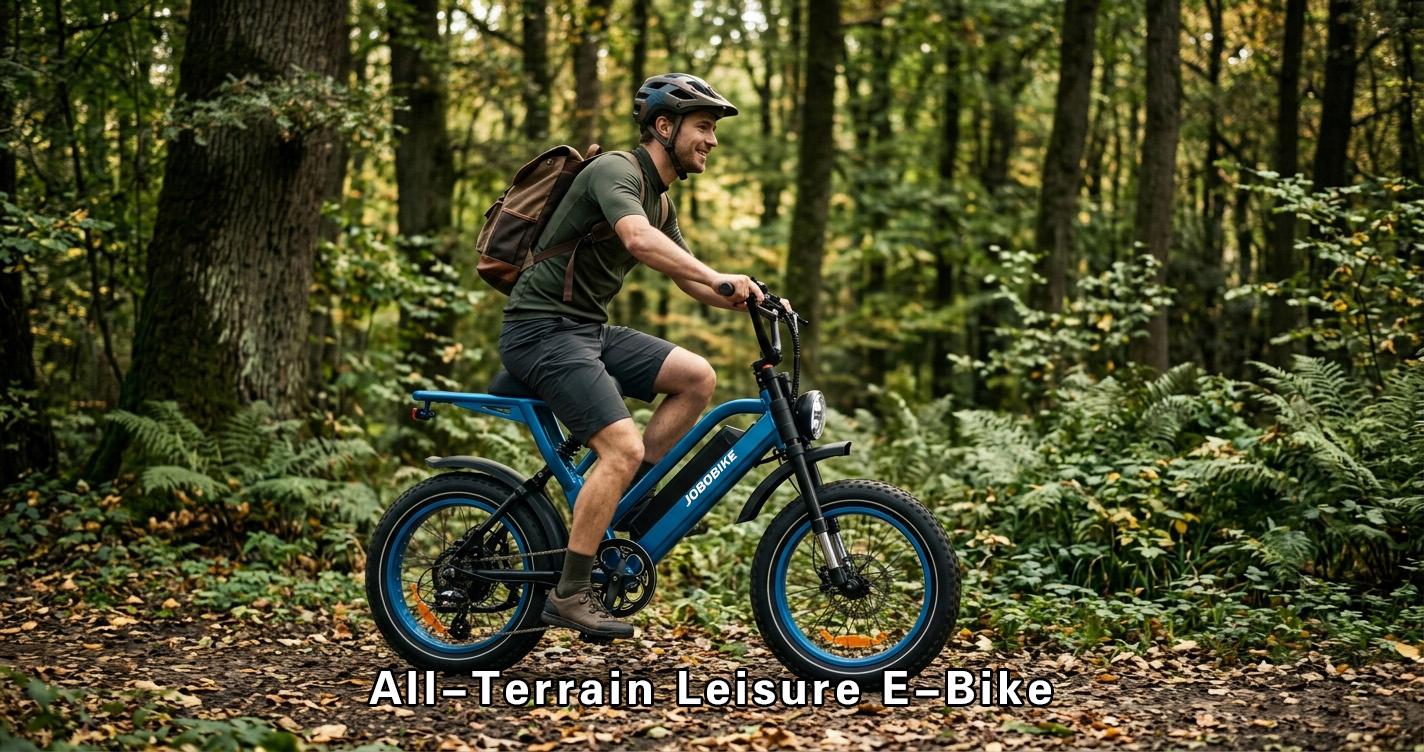
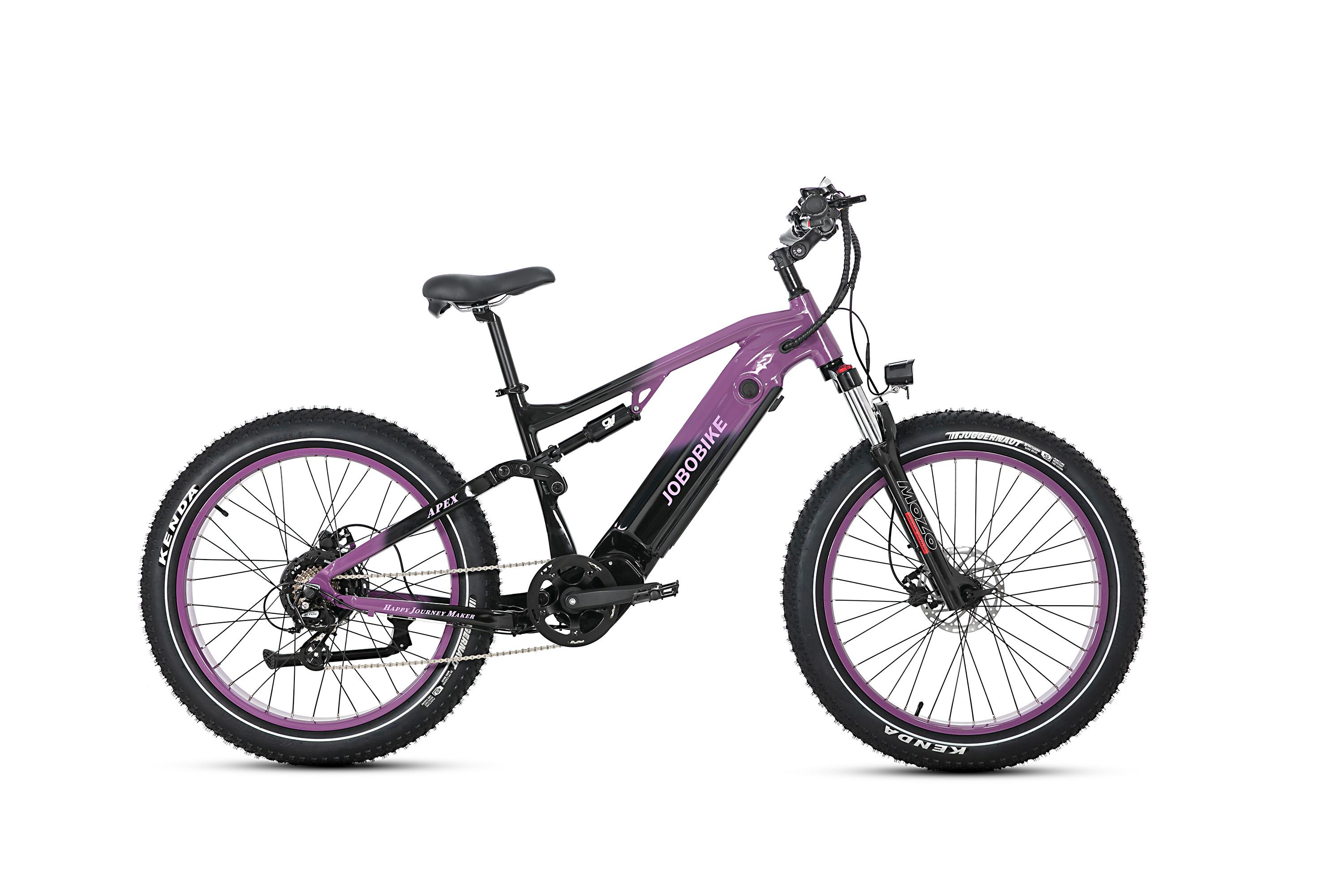
Delivery e-bikes, such as the heavy-duty delivery e-bikes designed for rugged urban environments, combine electric assistance with cargo capacity to make transporting goods easier. These bikes feature powerful motors and sturdy frames, like the vivid orange frame of the VokBike, which ensures visibility and durability. E-bike for food delivery is particularly popular because it allows riders to navigate traffic quickly while carrying meals securely. Delivery e-cycle models often include spacious cargo racks that can hold multiple packages, making them ideal for various delivery tasks. When choosing one, consider factors like battery life and motor power to ensure it meets your daily needs without compromising on range or ease of use.
Step-by-Step Guide to Choosing the Right Delivery E-Bike
First, assess your specific requirements based on your delivery routes and load sizes. For instance, if you're dealing with heavy loads, opt for a heavy-duty delivery e-bike that offers reinforced racks and all-terrain tires for stability. Next, evaluate the electric assist system; the VokBike's motor provides seamless pedaling support, which is perfect for hilly areas or long shifts. Then, check the battery capacity—aim for one that supports extended rides to avoid mid-delivery charge needs. Don't forget comfort features like adjustable seats and intuitive controls for better ergonomics. Finally, compare models like e-bike for food delivery options that prioritize quick handling and secure mounting for packages. By following these steps, you'll select a delivery e-bike that boosts your efficiency and reliability in the field.
Tips for Using and Maintaining Your Delivery E-Bike
Once you've chosen your delivery e-bike, proper usage is key to maximizing its benefits. Start by familiarizing yourself with the controls and digital display, which helps monitor speed and battery life for optimal performance. For safety, always wear protective gear and use bike lights, especially in busy urban settings. When it comes to maintenance, regularly check the tires for proper inflation and tread wear to ensure a smooth ride on uneven streets. Clean the cargo racks after each use to prevent rust and maintain their strength, as seen in the fortified design of heavy-duty delivery e-bikes. Additionally, schedule routine battery checks and motor inspections to extend the bike's lifespan. By adhering to these practices, you'll keep your e-bike for food delivery in top condition, reducing downtime and enhancing your delivery operations. Remember, a well-maintained delivery e-cycle not only saves money but also promotes sustainable transportation for a greener future.