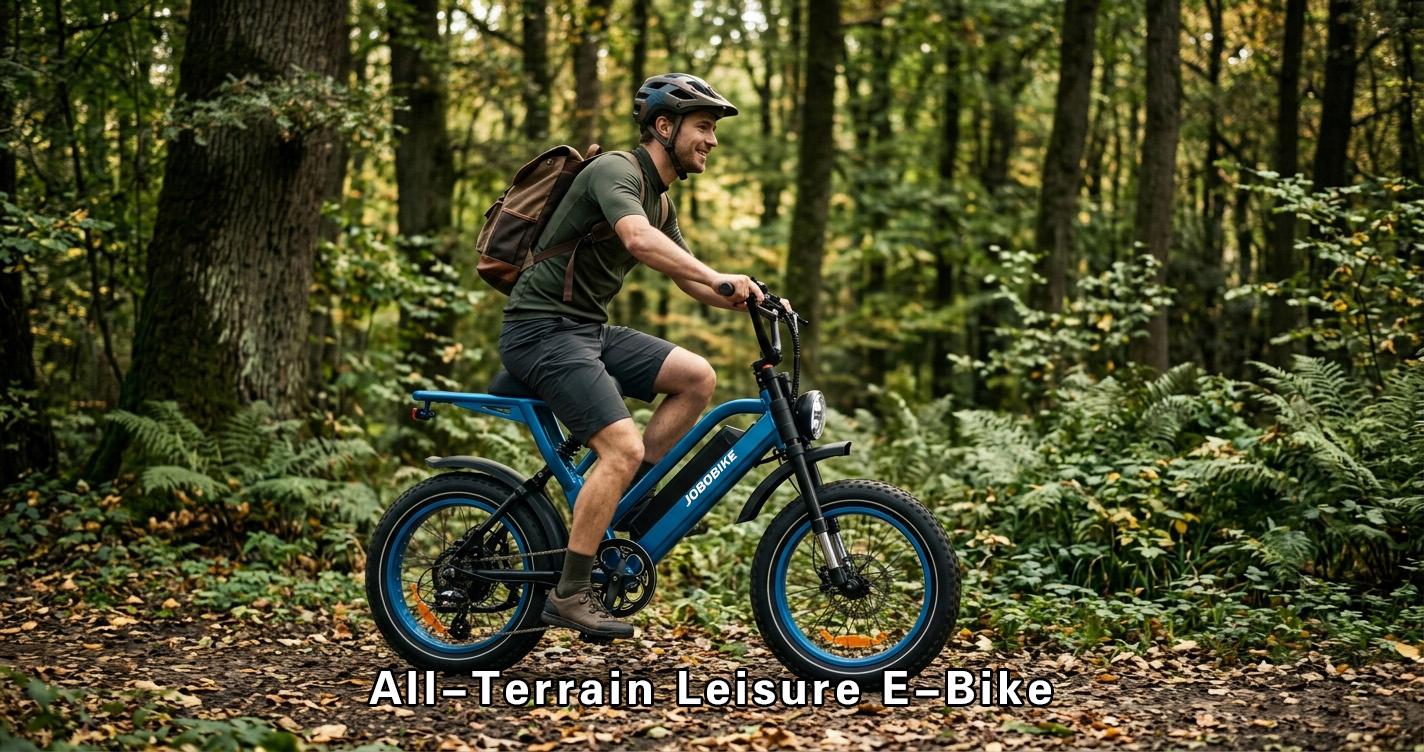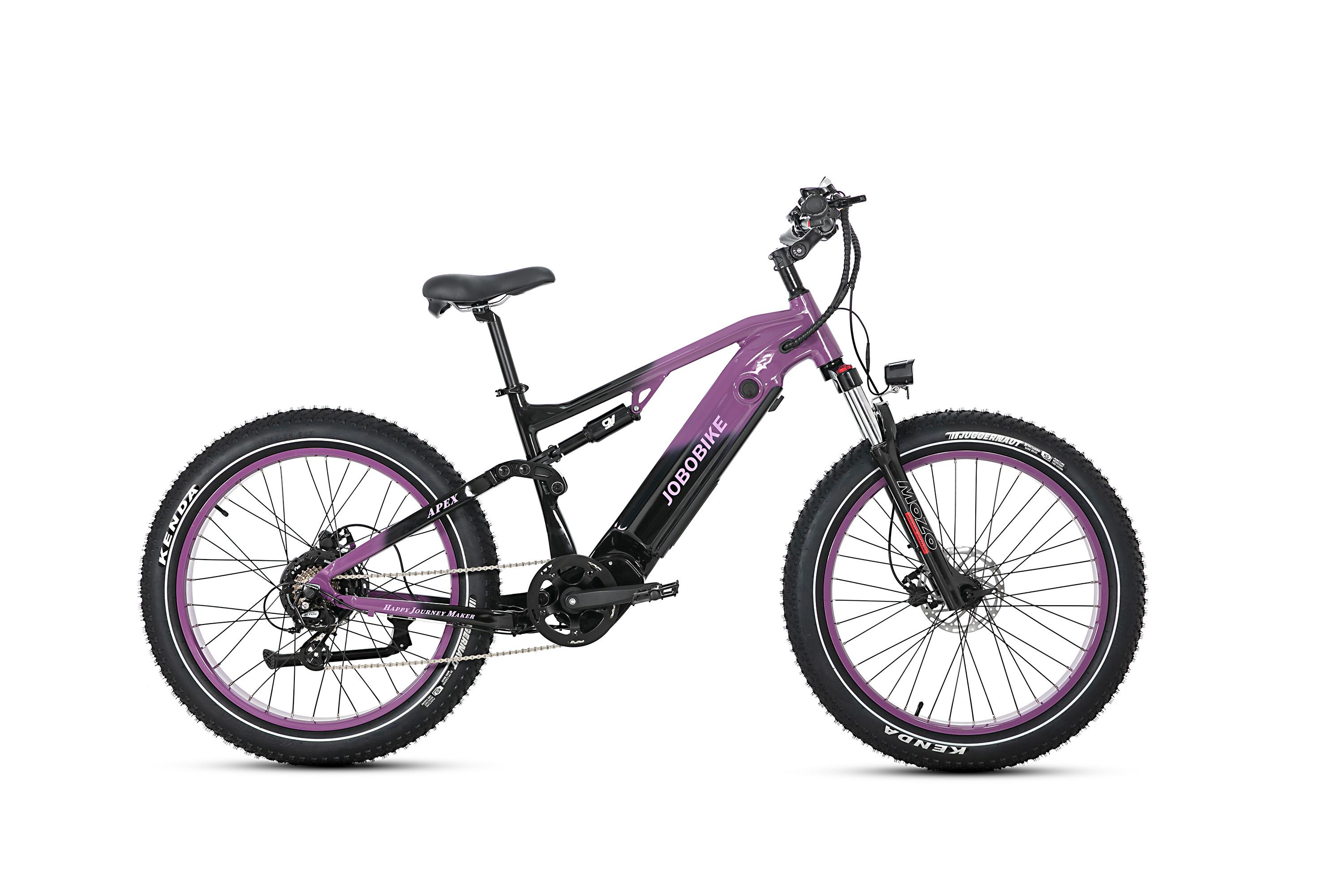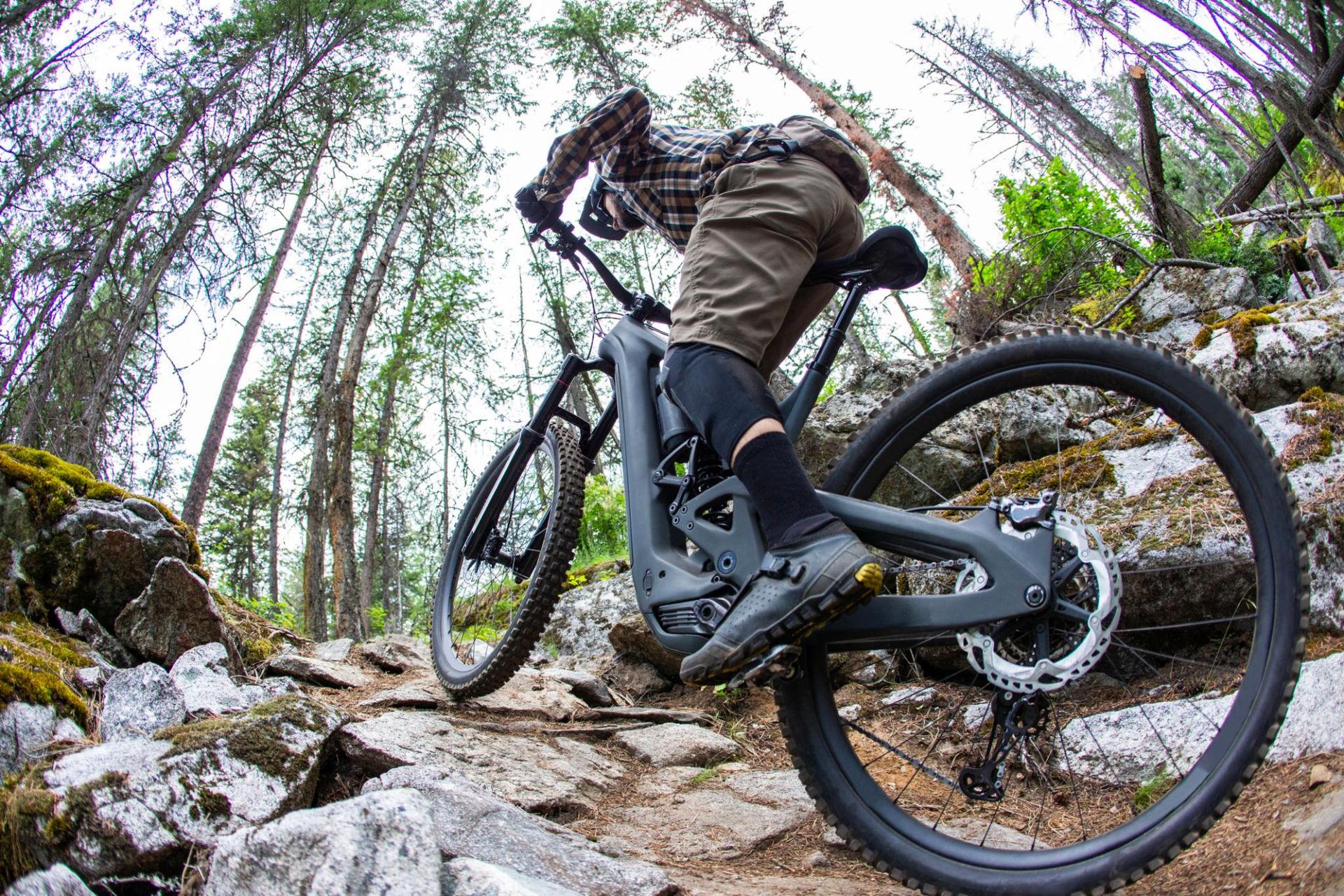
Electric mountain bikes are no longer a niche category reserved for enthusiasts.
Today, e-MTBs are widely used across:
- outdoor sports markets
- adventure travel businesses
- mountain rental operators
- premium cycling retailers
- private-label OEM brands
As rider expectations rise, choosing the right e-MTB supplier becomes increasingly important.
Because real off-road performance depends on far more than motor power alone.
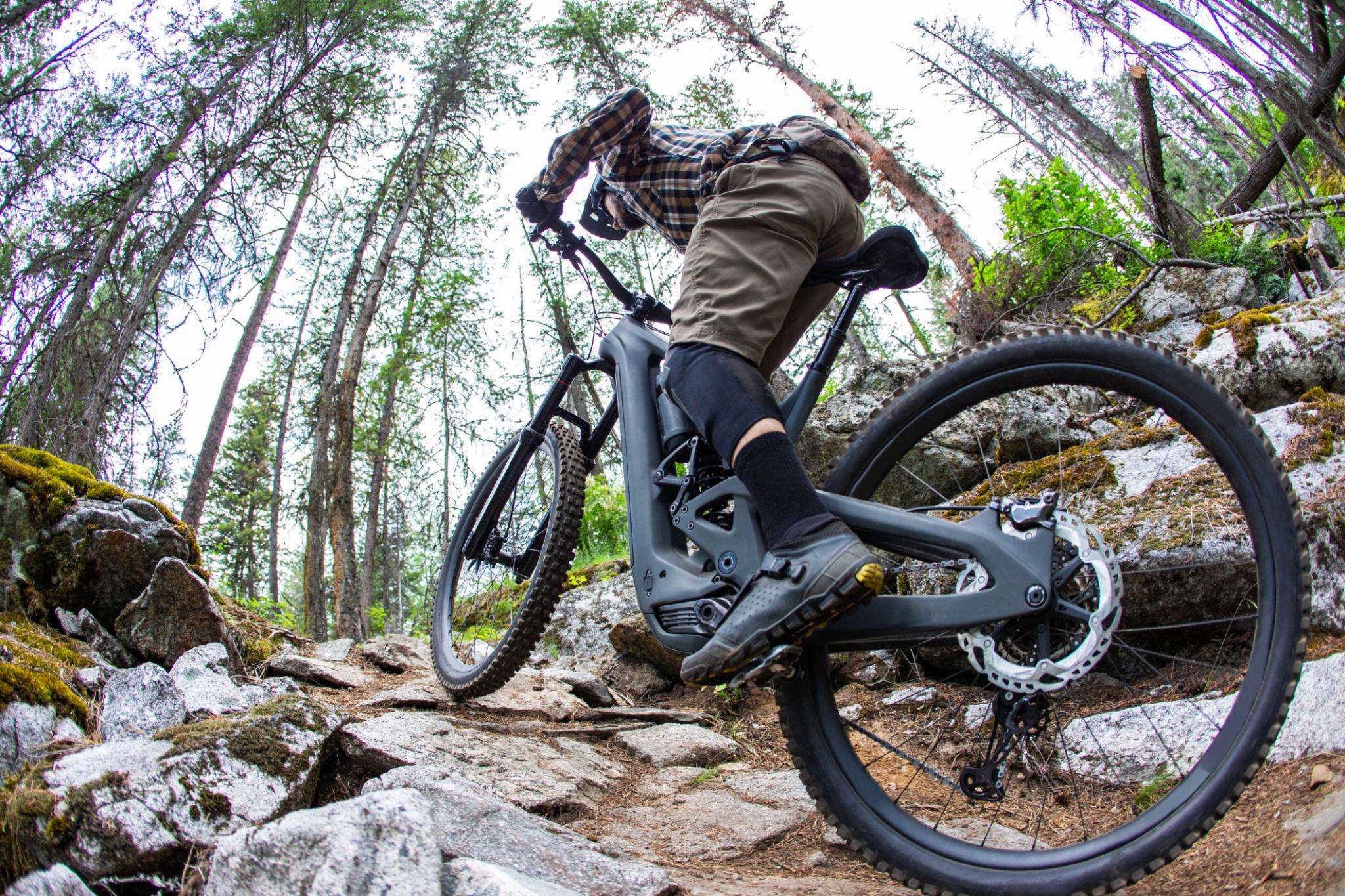
Why the E-MTB Market Keeps Expanding
Modern riders expect:
- longer riding range
- stronger climbing support
- smoother trail handling
- improved suspension comfort
- reliable performance on difficult terrain
This demand is driving rapid growth in:
- premium e-bike retail
- outdoor mobility tourism
- performance-focused OEM projects
But not every supplier is capable of building bikes for real trail conditions.
Frame Geometry Defines Trail Performance
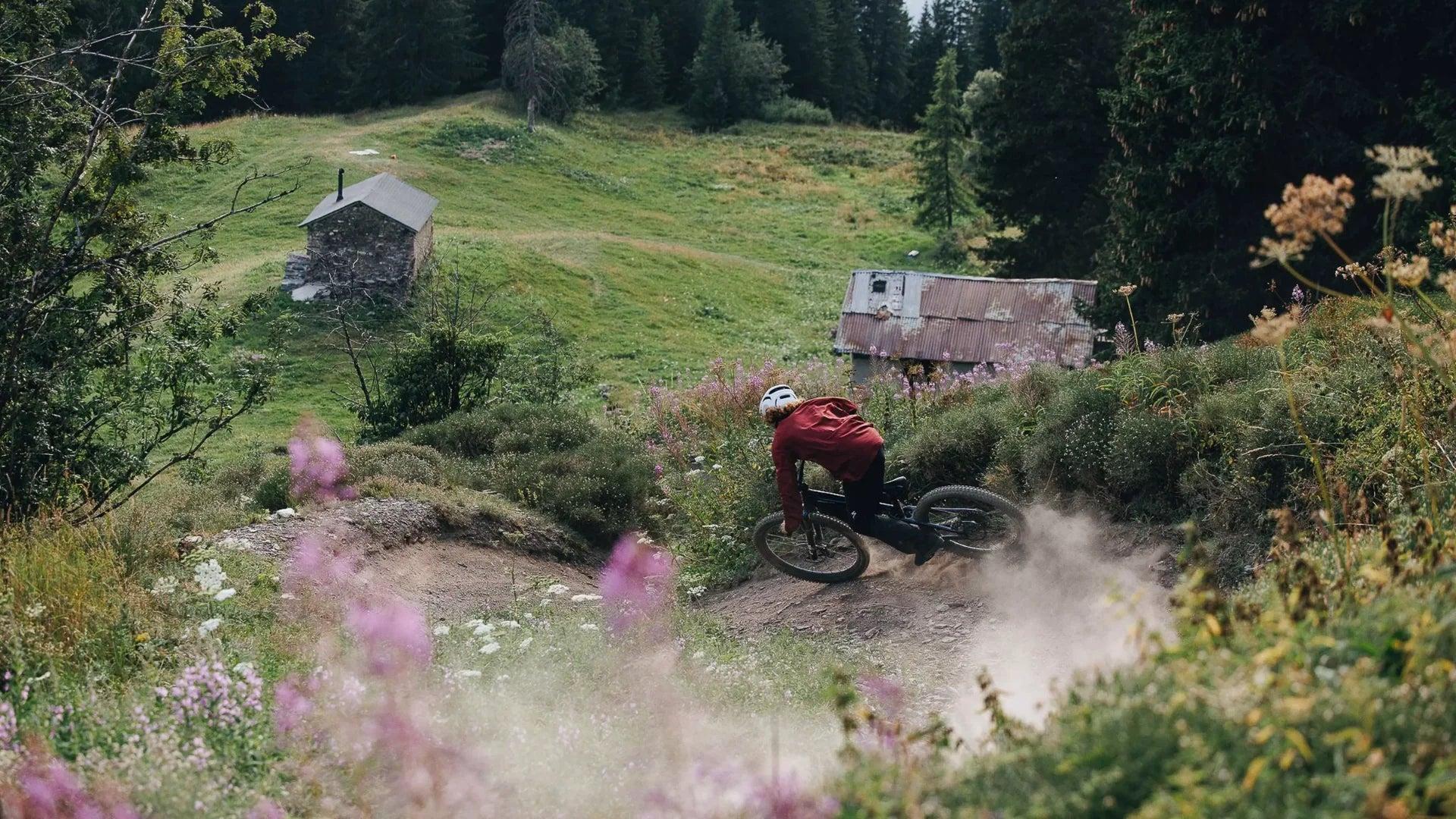
A proper e-MTB frame must balance:
- climbing efficiency
- downhill stability
- rider control
- shock absorption
A professional e-MTB supplier focuses on:
- reinforced frame structures
- optimized wheelbase geometry
- stable handling angles
- impact-resistant frame design
Without correct geometry, even powerful motors cannot create a confident riding experience.
Torque Delivery Matters More Than Speed
Mountain riding is about controlled power.
Riders need:
- smooth hill climbing
- stable traction on loose terrain
- responsive pedal assist
- controlled acceleration
That’s why premium e-MTB platforms often use:
- mid-drive motor systems
- high torque output
- advanced assist calibration
At Jobo, e-MTB platforms are engineered for real trail riding—not just showroom specifications.
Battery Integration Must Survive Harsh Conditions
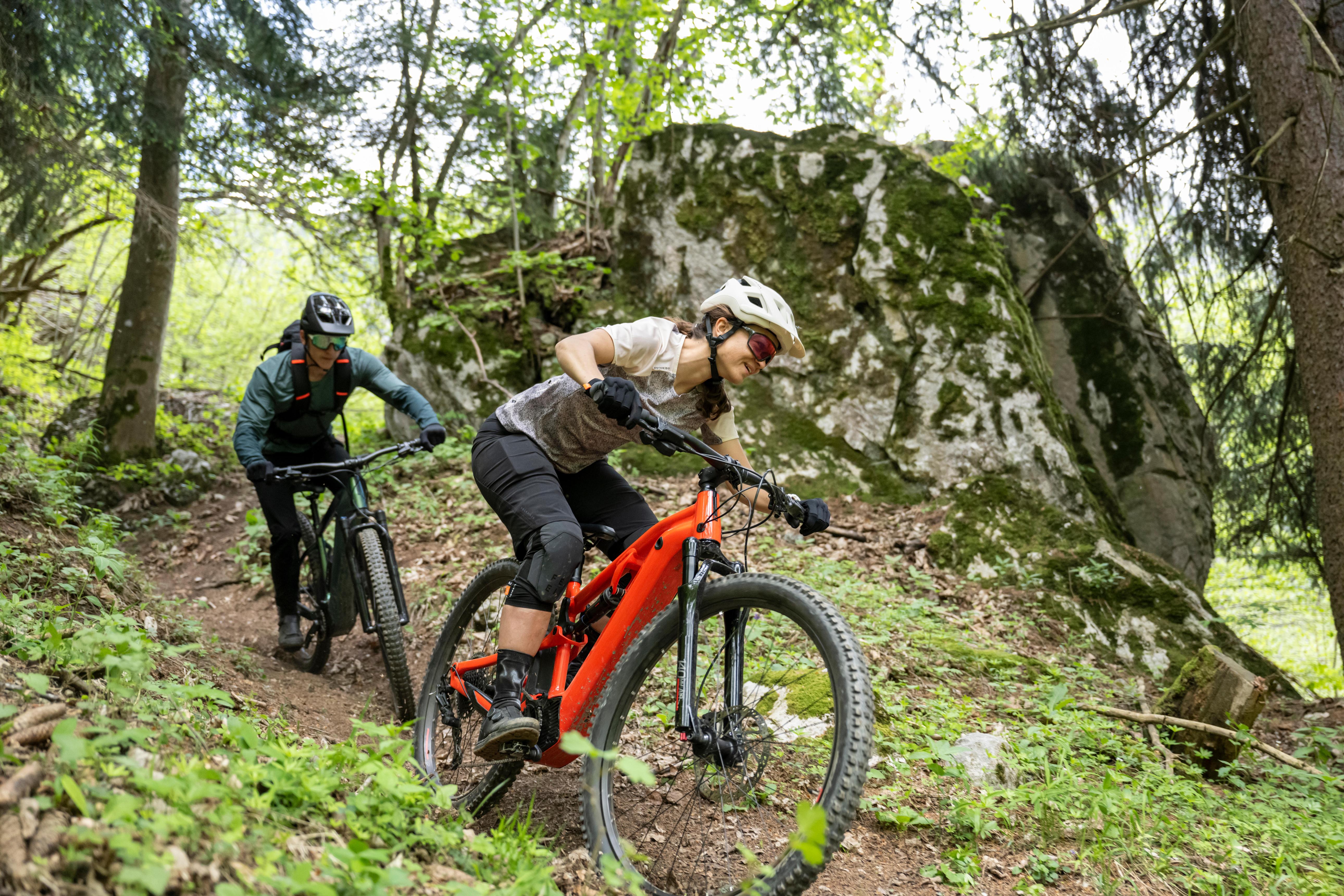
Off-road environments create constant vibration, dust, mud, and impact.
A professional e-MTB supplier should provide:
- reinforced battery mounting systems
- waterproof electrical protection
- secure internal cable routing
- impact-resistant battery integration
These details improve:
- battery lifespan
- riding safety
- long-term reliability
Sourcing for 2026? Skip the guesswork.
Click here to contact us for the 2026 cargo e-bike product catalog and specifications
Suspension and Braking Systems Define Rider Confidence
Trail riding demands strong control systems.
A quality e-MTB platform should include:
- hydraulic disc brakes
- terrain-focused suspension systems
- reinforced wheelsets
- off-road tire compatibility
These features improve:
- downhill stability
- braking consistency
- rider comfort on rough surfaces
Because rider confidence directly affects product reputation.
OEM Capability Supports Long-Term Market Growth
For distributors and private-label brands, supplier capability matters beyond the product itself.
A reliable e-MTB supplier should offer:
- OEM / ODM customization
- scalable production capacity
- CE / EN15194 compliance
- stable quality control systems
- configurable motor and battery options
- fast prototype development
This creates long-term supply consistency for growing brands.
Who Needs E-MTBs Most
- outdoor sports retailers
- adventure tourism operators
- off-road rental businesses
- premium e-bike distributors
- performance-focused OEM brands
These markets prioritize:
- durability
- climbing performance
- suspension quality
- off-road reliability
Sourcing for 2026? Skip the guesswork.
Click here to contact us for the 2026 cargo e-bike product catalog and specifications
FAQ: E-MTB Supplier Questions
Q1: Why are mid-drive motors preferred for e-MTBs?
Because they provide stronger torque delivery and better climbing efficiency on uneven terrain.
Q2: What frame material is commonly used for e-MTBs?
Lightweight aluminum alloy is widely preferred for balancing strength and ride performance.
Q3: Can OEM buyers customize e-MTB configurations?
Yes. Jobo supports customization for suspension systems, motor setups, battery capacity, branding, and accessories.
The Bottom Line
Choosing the right e-MTB supplier is about more than product appearance or motor specifications.
A successful electric mountain bike platform must combine:
- real off-road durability
- stable trail handling
- strong climbing torque
- reliable OEM manufacturing
At Jobo, e-MTB platforms are engineered for demanding terrain—where rider confidence and long-term reliability matter most.
Explore our e-MTB solutions:
https://www.joboev.com/products
Talk to our OEM production team:
https://www.joboev.com/contact-us