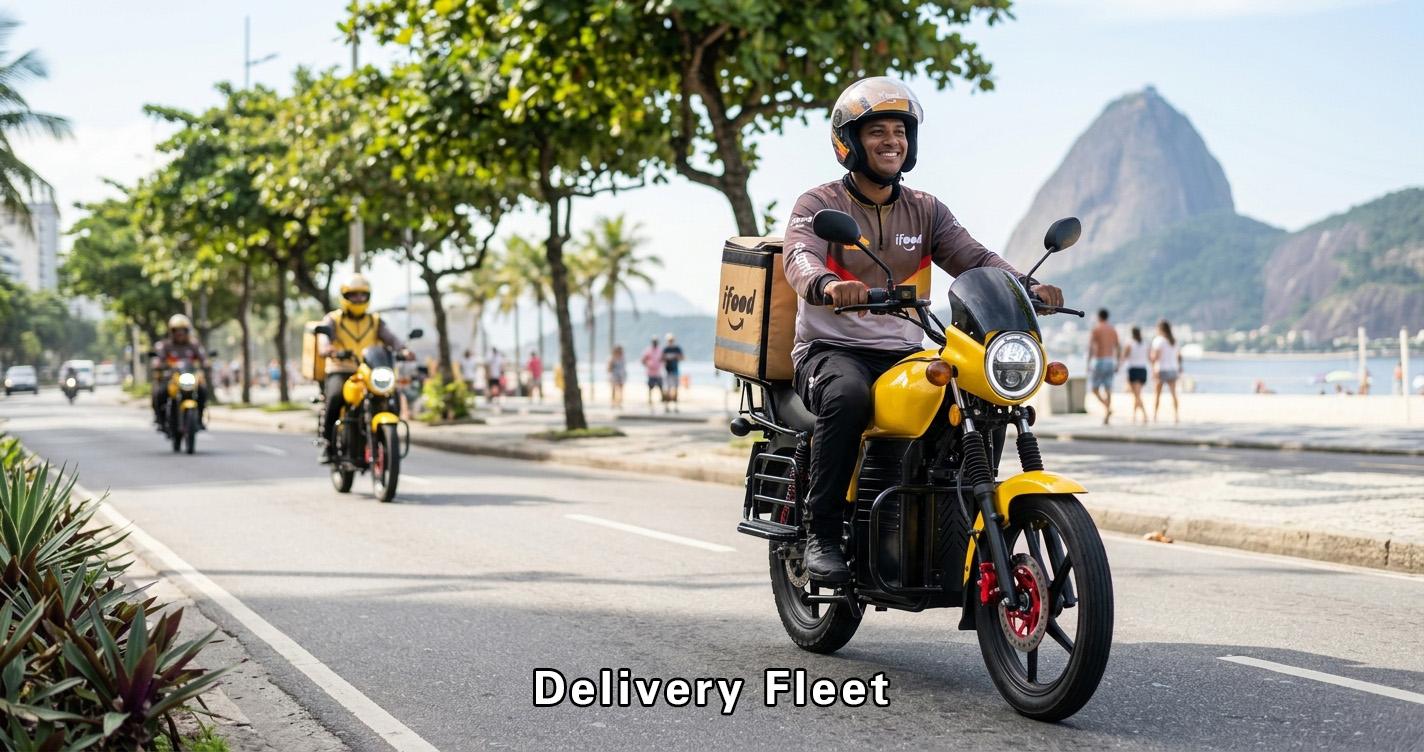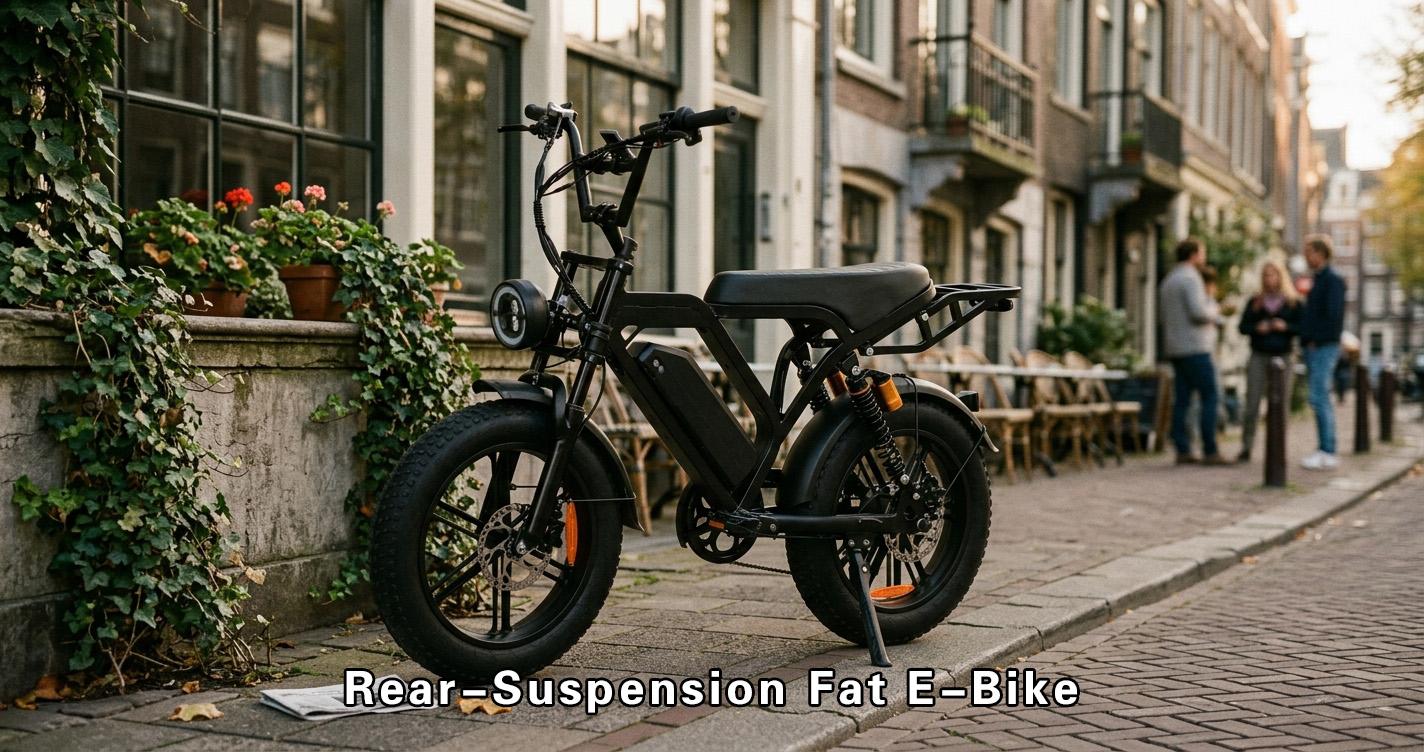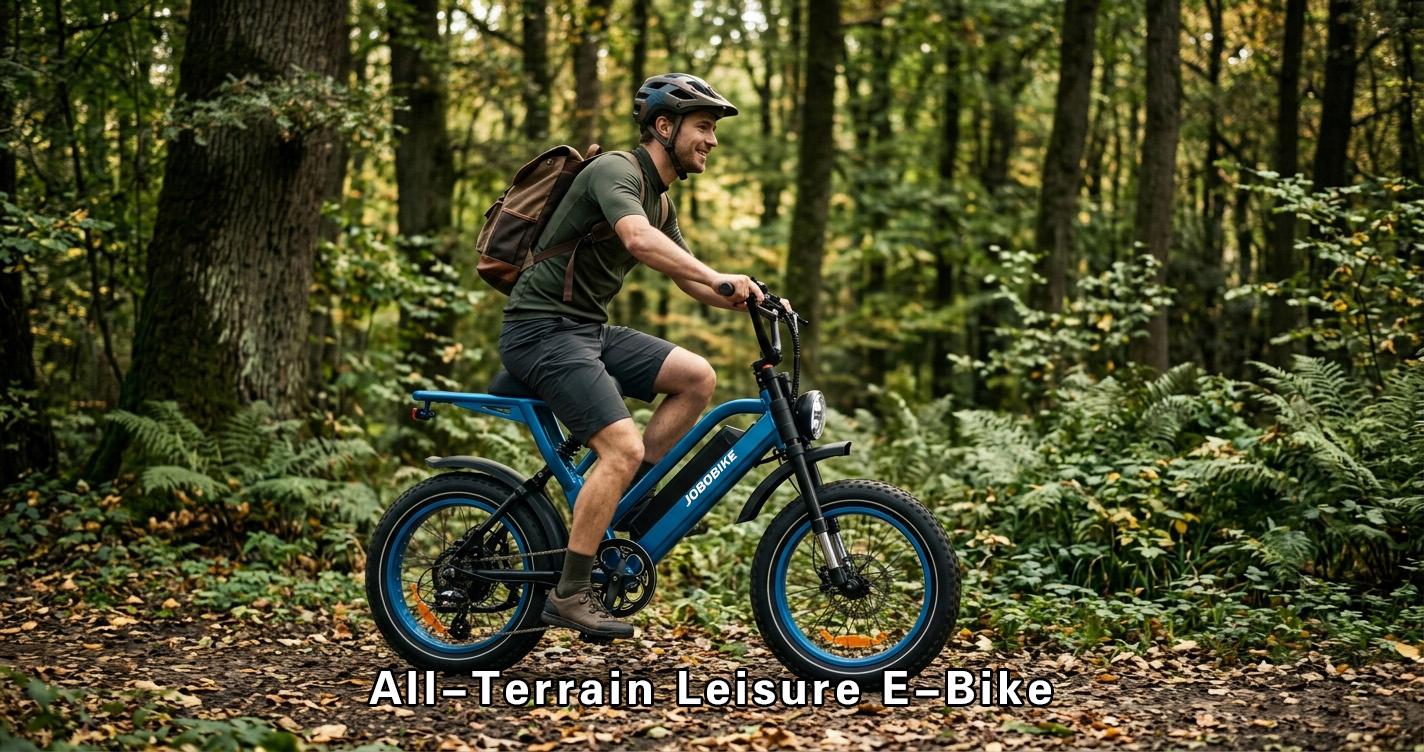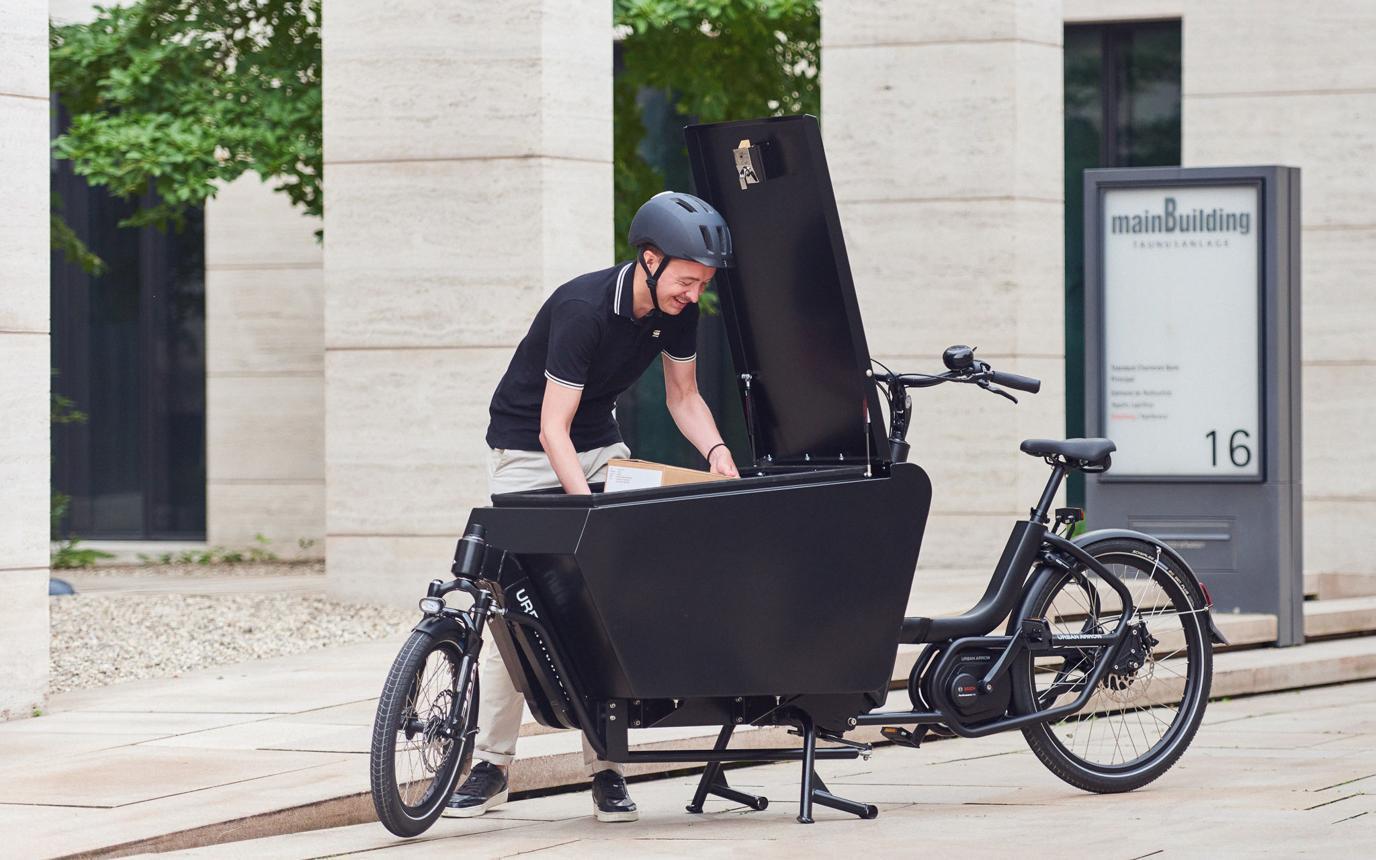
A cargo e-bike may look solid in a showroom.
But logistics doesn’t happen in a showroom.
It happens:
- in stop-and-go traffic
- under heavy loads
- across long working hours
- in rain, heat, and rough roads
And that’s exactly where most cargo bikes start to fail.
For companies searching for a reliable electric cargo bike for logistics, the biggest risk isn’t price—it’s choosing a product that wasn’t designed for real delivery work in the first place.
The Reality Gap: Spec Sheet vs Daily Operations

On paper, many bikes promise:
- 100kg load capacity
- 60km range
- durable frame
In reality:
- load becomes unstable above 25–30kg
- battery drains faster with stop-start riding
- frame stress increases dramatically over time
That gap is where downtime, repairs, and cost begin.
Problem 1: Payload Is Misunderstood
Most brands list total load, not usable cargo load.
In logistics:
- Rider: ~80kg
- Cargo: 20–40kg
- Equipment: additional weight
That leaves very little margin unless the bike is specifically engineered.
A true electric cargo bike for logistics must account for:
- dynamic load during acceleration
- braking pressure under weight
- long-term structural fatigue
Problem 2: Battery Performance Drops Under Pressure

Delivery riding is energy-intensive:
- constant acceleration
- heavy payload
- uneven terrain
That “advertised range” rarely survives a full shift.
This is why more operators now require:
- dual battery systems
- higher torque motors
- optimized power curves
Problem 3: Frame Design Isn’t Built for Logistics

Many cargo bikes are simply modified commuter bikes.
That leads to:
- poor balance under load
- unstable steering
- faster wear and tear
A proper logistics-ready design includes:
- extended wheelbase
- reinforced rear triangle
- optimized center of gravity
Problem 4: Components Are Not Commercial-Grade
A logistics bike runs:
- 6–10 hours per day
- multiple shifts
- varying weather conditions
Yet many bikes still use:
- light-duty brakes
- standard spokes
- basic connectors
These are fine for consumers—but not for operations.
What Actually Defines a Real Logistics Cargo E-Bike
A professional electric cargo bike for logistics should include:
- ≥40kg dynamic cargo capacity
- reinforced frame structure
- high-torque motor (70–85Nm)
- stable load distribution
- weather-resistant wiring
- long-range or dual battery support
This is not about features—it’s about survival under daily use.
Real Use Case: When Performance Becomes ROI

Many operators switch after experiencing:
- frequent maintenance
- broken racks
- insufficient battery life
- rider fatigue
After upgrading to properly engineered platforms like Jobo cargo bikes:
- uptime increases
- maintenance drops
- delivery efficiency improves
That’s where real cost savings come from.
Sourcing for 2026? Skip the guesswork.
Click here to contact us for the 2026 cargo e-bike product catalog and specifications
FAQ: What Buyers Often Overlook
Q1: Is listed payload the same as usable cargo?
No. Always ask for dynamic load performance.
Q2: Why is dual battery becoming standard?
Because real logistics requires full-shift reliability.
Q3: What’s the biggest hidden issue?
Frame design—not components—is often the root problem.
The Bottom Line
Logistics doesn’t forgive weak design.
A cargo e-bike that works for casual use will often fail under delivery pressure.
And every failure costs time, money, and reputation.
That’s why more businesses are moving toward purpose-built electric cargo bike for logistics platforms, where design, power, and durability are aligned from the start.
Explore real-world ready cargo solutions:
https://www.joboev.com/products
Or discuss your fleet requirements directly:
https://www.joboev.com/contact-us