Electric pedicab has emerged as a revolutionary mode of transportation in urban environments, offering an eco-friendly alternative to traditional vehicles. This innovative solution combines the efficiency of electric power with the practicality of a pedicab, making it ideal for short trips and daily commutes. As cities grapple with traffic congestion and pollution, electric pedicab provides a sustainable option that reduces carbon emissions while enhancing mobility for both riders and passengers.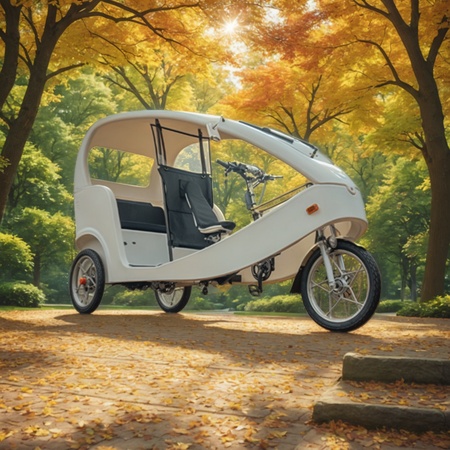
Key Features of Electric Pedicabs
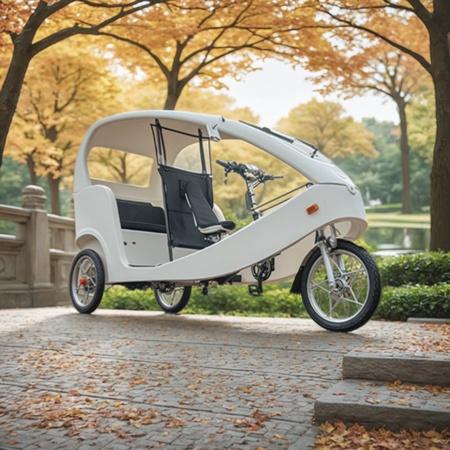
The electric pedicab, often referred to as an e-pedicab or electric tricycle, boasts a range of advanced features that make it a standout in urban mobility. One of the primary attractions is its sleek, aerodynamic design, which includes a minimalist white exterior that not only looks modern but also improves energy efficiency by reducing drag. The semi-enclosed cabin offers protection from weather elements, ensuring a comfortable ride regardless of rain or sun. Inside, the ergonomic seating and user-friendly control panel allow for easy operation, with features like an advanced braking system and variable speed settings. Electric pedicab features such as the powerful electric motor provide a smooth, noiseless experience, allowing users to navigate city streets without the noise pollution associated with gas-powered vehicles. Additionally, the robust frame and durable tires ensure stability and control, even in tight urban spaces, making the electric pedicab a reliable choice for city commuters.
Benefits for Urban Mobility and Transportation Solutions
Urban mobility is greatly enhanced by the adoption of electric pedicabs, which serve as efficient transportation solutions for crowded city environments. Unlike conventional pedicabs, the battery-powered pedicab relies on rechargeable batteries, offering a greener alternative that minimizes environmental impact. For instance, these vehicles can reduce greenhouse gas emissions by up to 70% compared to traditional cars for short distances, according to urban transport studies. Electric tricycle models are particularly effective in alleviating traffic jams, as their compact size allows for easy maneuverability in areas where larger vehicles struggle. City commuter pedicabs also promote accessibility, providing an affordable option for low-income communities and tourists alike. Furthermore, the low maintenance requirements and cost-effective operation make electric pedicabs a smart investment for operators, potentially lowering operational costs by 30-50% over traditional bikes or cars. This shift towards battery-powered pedicab technology not only supports sustainable transportation solutions but also encourages healthier lifestyles by incorporating elements of physical activity for riders.
The Future of Electric Pedicabs in City Commuting
Looking ahead, the role of electric pedicabs in shaping the future of urban mobility is promising, with ongoing innovations driving broader adoption. As cities worldwide push for greener initiatives, electric pedicab features like integrated smart technology—such as GPS navigation and energy monitoring systems—are becoming standard, enhancing user experience and efficiency. For example, in densely populated areas like New York or London, electric tricycle services have seen a 40% increase in usage over the past five years, highlighting their growing popularity as a city commuter pedicab option. This trend underscores the potential for electric pedicabs to integrate with broader public transport networks, creating seamless multimodal systems. Overall, by embracing e-pedicab solutions, urban planners can foster more inclusive and sustainable cities, where transportation is not only efficient but also environmentally responsible. As we continue to explore these advancements, electric pedicab stands out as a beacon of progress, paving the way for a cleaner, more connected urban landscape.