The quest for the perfect long range e-bike often leads riders to a crossroads: should one opt for a specialized machine built for a single purpose, or a versatile all-rounder that can handle a bit of everything? As electric bike technology advances, the lines are blurring, but the choice remains a critical one for prospective buyers. The decision hinges on comparing key attributes like durability, comfort, torque, and intended environment, from bustling city streets to rugged backwoods trails. This comparison will explore the differences between a dedicated specialist e-bike and a multi-talented all-terrain model, helping you decide which path to take.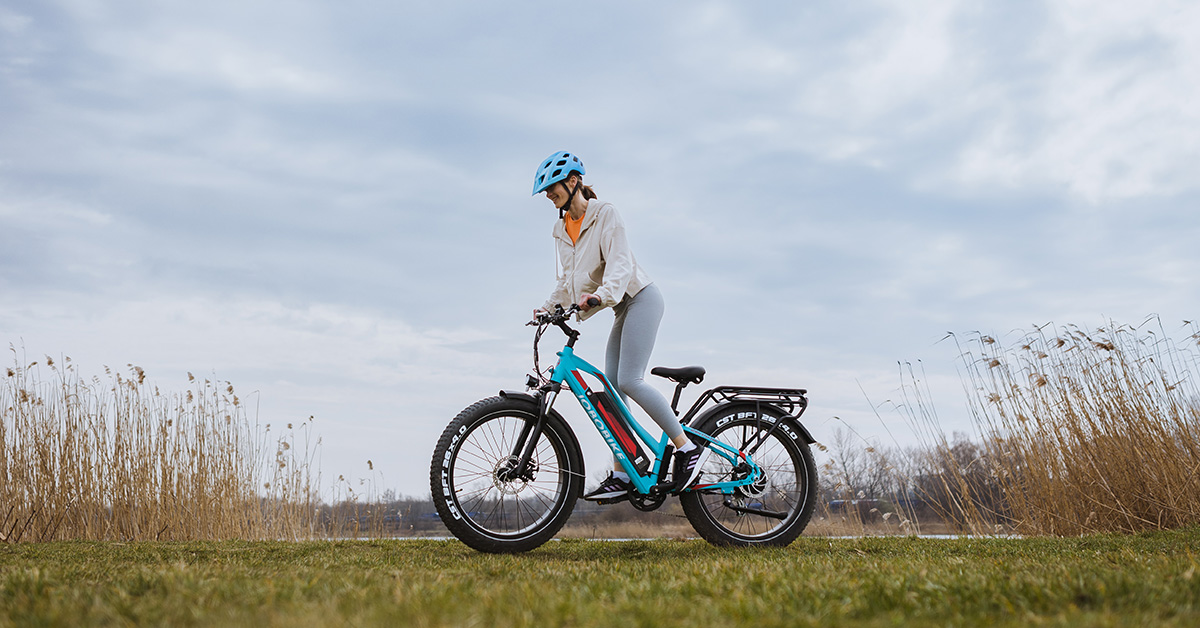
The Rise of the All-Terrain Long Range E-Bike
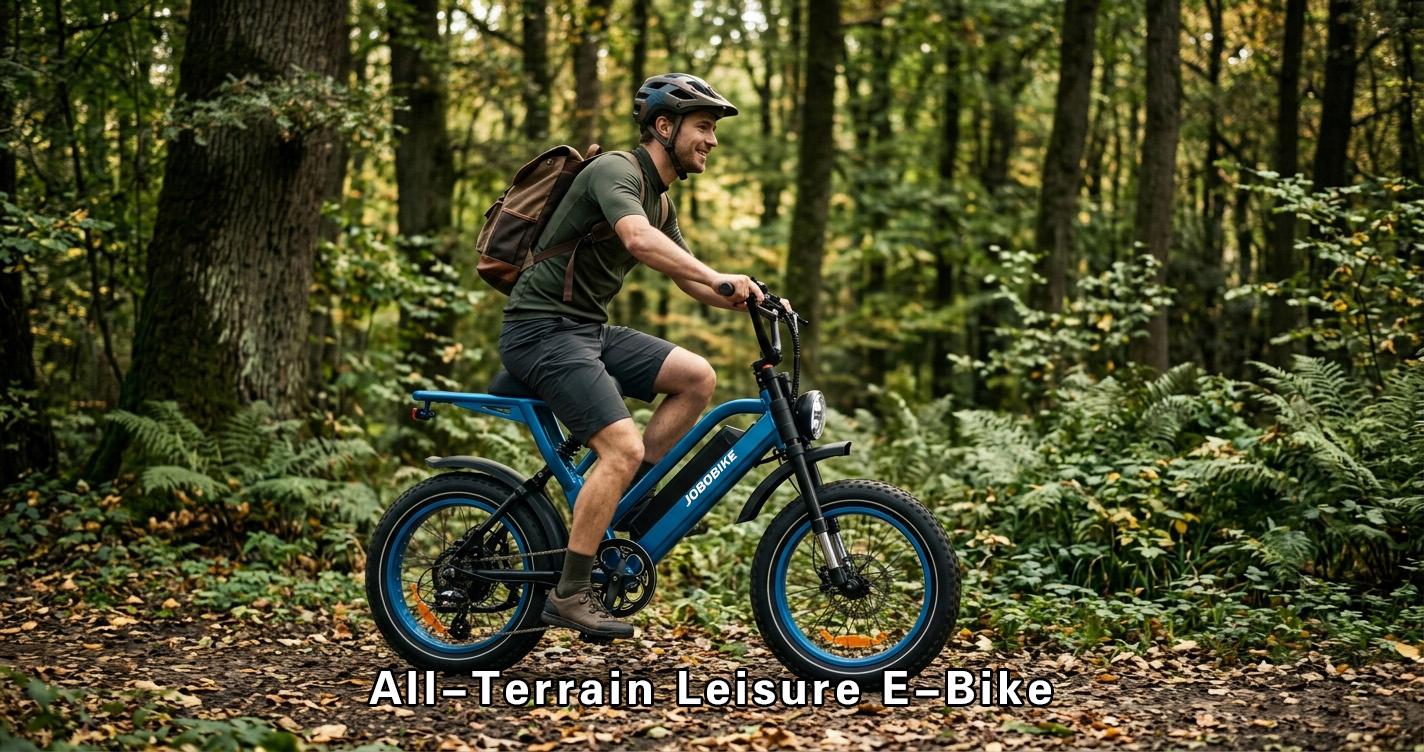
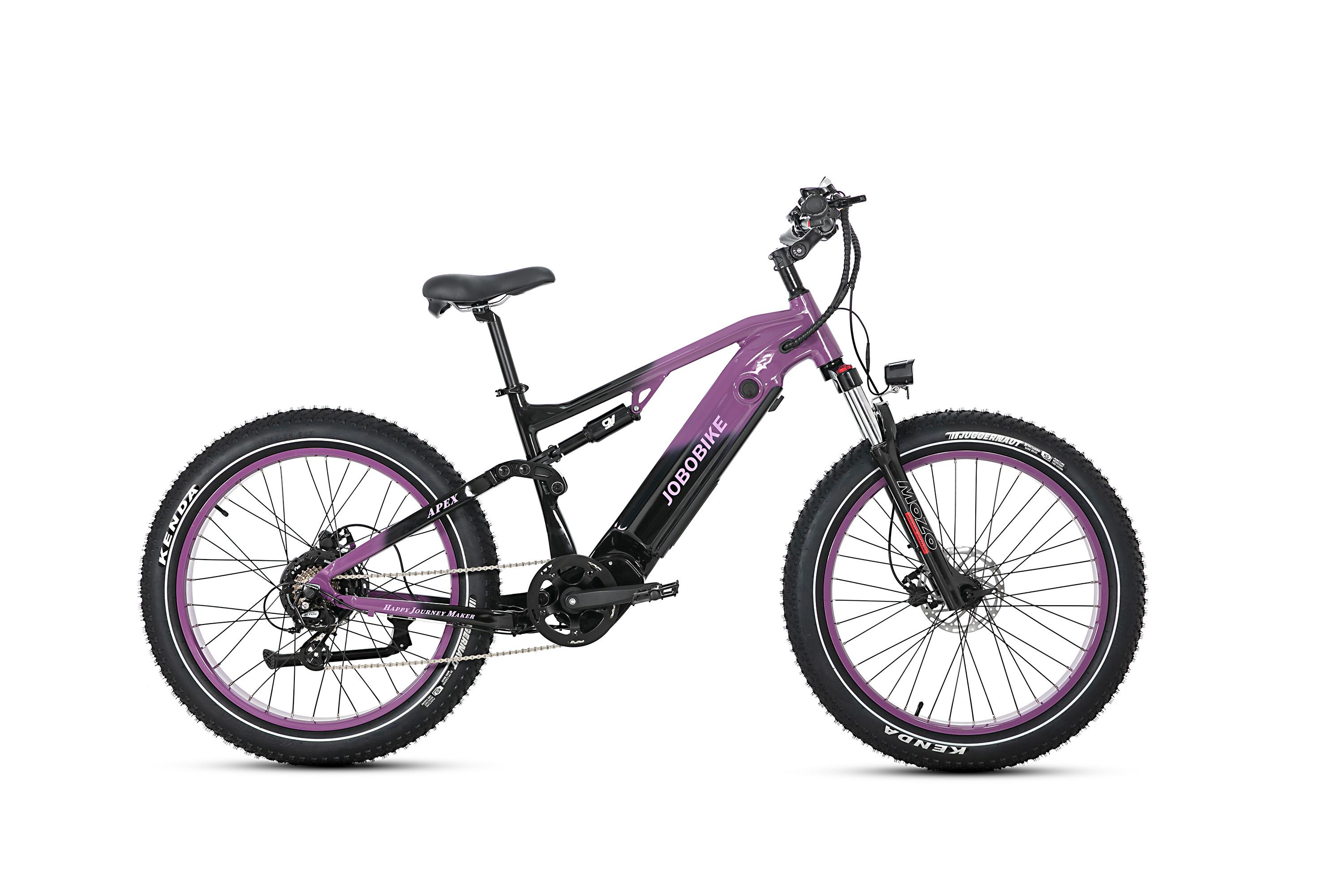
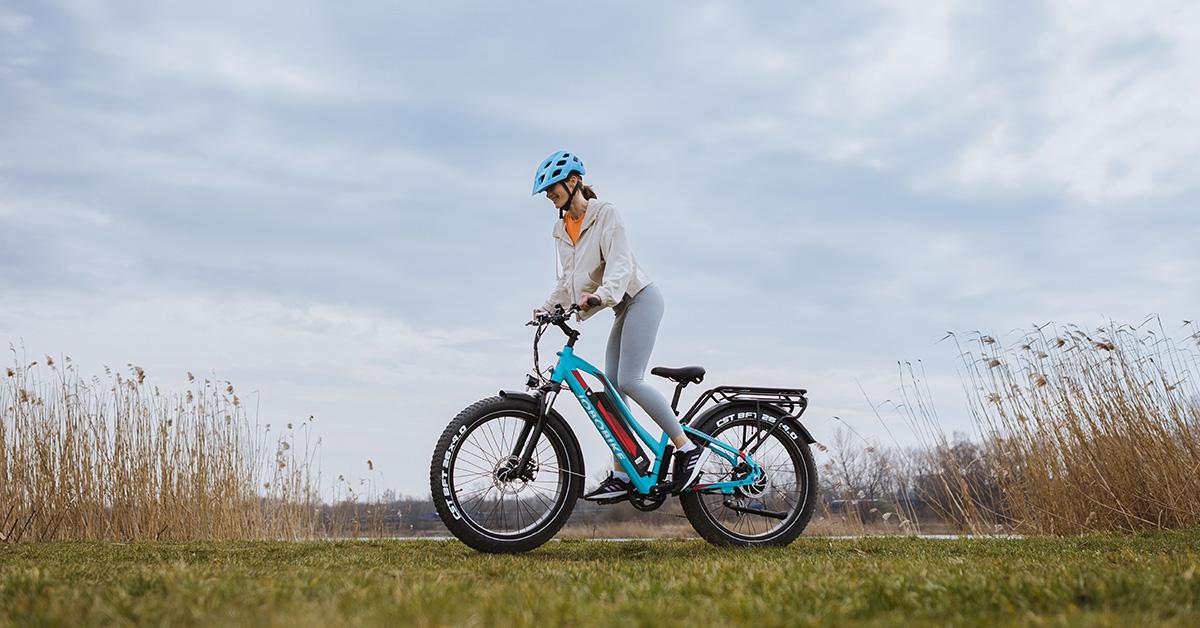
A prime example of a versatile option is the modern all-terrain electric bicycle. These bikes are engineered as a jack-of-all-trades, designed to provide a reliable experience across various landscapes. A model like the Dynamic Electric All-Terrain Bicycle showcases this philosophy perfectly. Its frame is crafted from lightweight yet robust materials, making it a durable long range electric bike capable of withstanding both urban commutes and rougher paths. With robust 26-inch tires, it offers a steady grip on pavement and gravel alike. At its core, an integrated high torque long range e-bike motor provides the necessary power to conquer steep hills, a feature often lacking in more specialized city bikes. This blend of durability and power, coupled with a 60-mile range, makes it a compelling choice for the adventurous rider who refuses to be limited by terrain.
Specialized Urban Long Range E-Bikes: A City Dweller's Dream?
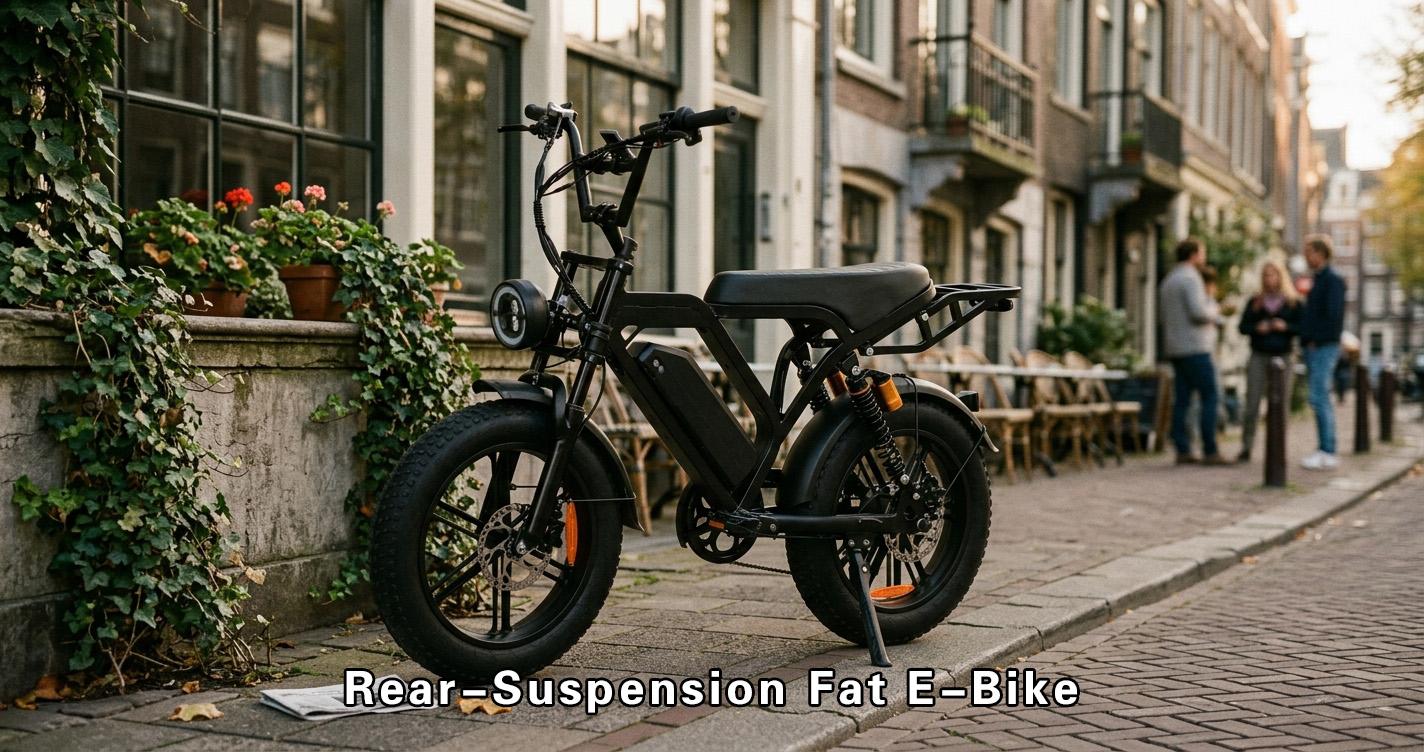
On the other side of the spectrum are urban long range e-bikes. These machines are purpose-built for the concrete jungle. Their design often prioritizes features that enhance the daily commute: lightweight frames for carrying up stairs, sleeker aesthetics, and integrated accessories like fenders and lights. While they excel at efficiently navigating city streets, they typically compromise on ruggedness. Their tires are narrower for less rolling resistance, and their motors are tuned for smooth acceleration rather than raw power. For riders who know their journeys will be confined to paved surfaces, these bikes are an excellent choice. The focus on a specific use case can also sometimes lead to a more affordable long range e-bike, as they don't require the overbuilt components needed for off-road durability.
Prioritizing Comfort: The Leisurely Long-Distance Ride
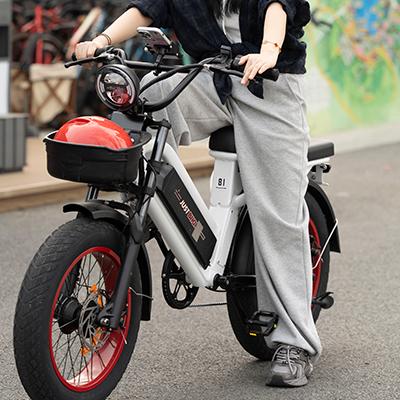
For some riders, the journey is all about relaxation and enjoyment, which is where comfortable long range e-bikes come into play. These are often cruiser-style bikes with upright riding postures, wide, cushioned saddles, and ergonomic handlebars designed to minimize strain on the back and wrists. While an all-terrain model like the Dynamic offers an adjustable seat and ergonomic grips, a dedicated comfort bike takes it a step further, sometimes including suspension seat posts and forks tuned for soaking up small bumps. The trade-off, however, is performance. These bikes are typically heavier and less agile, making them less suitable for challenging hills or technical trails, even if they have the battery range to go the distance.
Making the Right Choice for Your Journey
Ultimately, the choice between a specialized bike and an all-terrain model depends entirely on your riding lifestyle. If you are a dedicated commuter who never strays from pavement, a specialized urban bike offers streamlined efficiency. If leisurely weekend cruises are your only goal, a comfort-focused model is ideal. However, for the rider who wants freedom and flexibility, the all-terrain long range e-bike presents a superior solution. It successfully bridges the gap, offering the toughness of a durable long range electric bike with the power of a high-torque system, while still integrating the comfort and practical features needed for daily use. It allows you to tackle your weekday commute and a weekend trail adventure with a single, capable machine, ensuring you're never held back by the limitations of your bike.
If you are interested in exploring our range of long-range e-bikes or discussing customization options and business partnership opportunities, we welcome your inquiry. We provide detailed product specifications for individual customers and comprehensive business proposals for potential distribution partners interested in bulk ordering or wholesale arrangements. Our team is ready to assist you in finding the perfect electric bike solution that aligns with your riding needs and business objectives.
Suggested URL Slug: /long-range-ebike-comparison-guide