Battery Housing, Seals & Sensors: Why Manufacturing Details Matter for E-Bike Fleets
E-bike fleet operators—from last-mile logistics to urban rentals—don’t care just about top speed or color palettes. What they really care about is how the bike performs after 200 rides, in the rain, over curbs, with variable loads.
That’s why fleet-grade success starts with something few spec sheets ever mention: manufacturing precision in the smallest, most overlooked parts of the e-bike.
-
Battery housings
-
Cable seals
-
Sensor alignment
-
Controller moisture protection
-
Connector pressure locks
These are the difference between a smooth operation and a maintenance nightmare.
Why Details Make a Big Difference in Fleet E-Bikes
Here’s what commonly goes wrong in lower-tier OEM production:
| Weak Point | Resulting Issue in Fleet Use |
|---|---|
| Loose battery locks | Intermittent power cut during ride |
| Poor sealing | Water ingress into motor/display |
| Misaligned sensors | Pedal assist failure or stutter |
| Exposed connectors | Short circuit after first rainstorm |
| Overtightened bolts | Cracked plastic housings or mounts |
The Jobo ebike manufacturing system addresses these risks before the first unit is ever shipped.
How Jobo Handles These High-Impact Details
Battery Housing That Lasts Longer and Locks Tighter
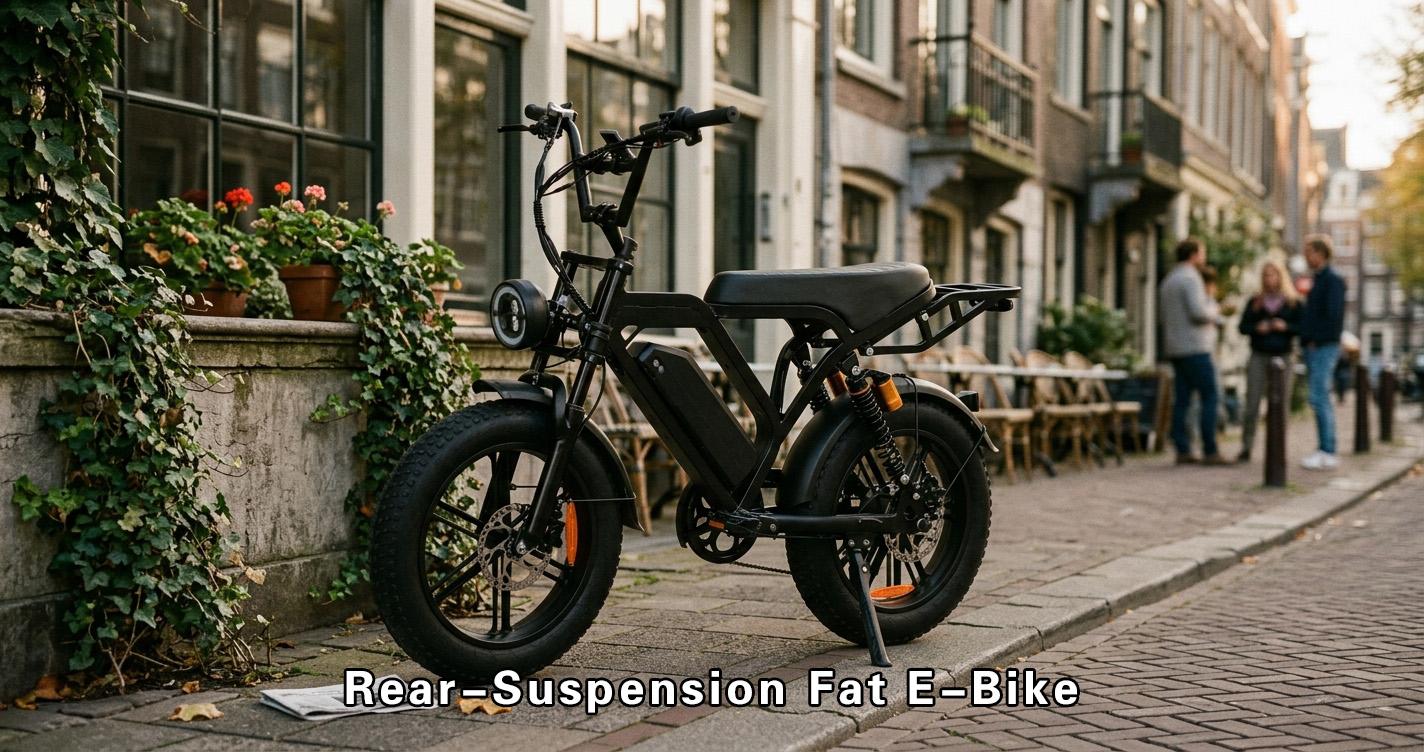
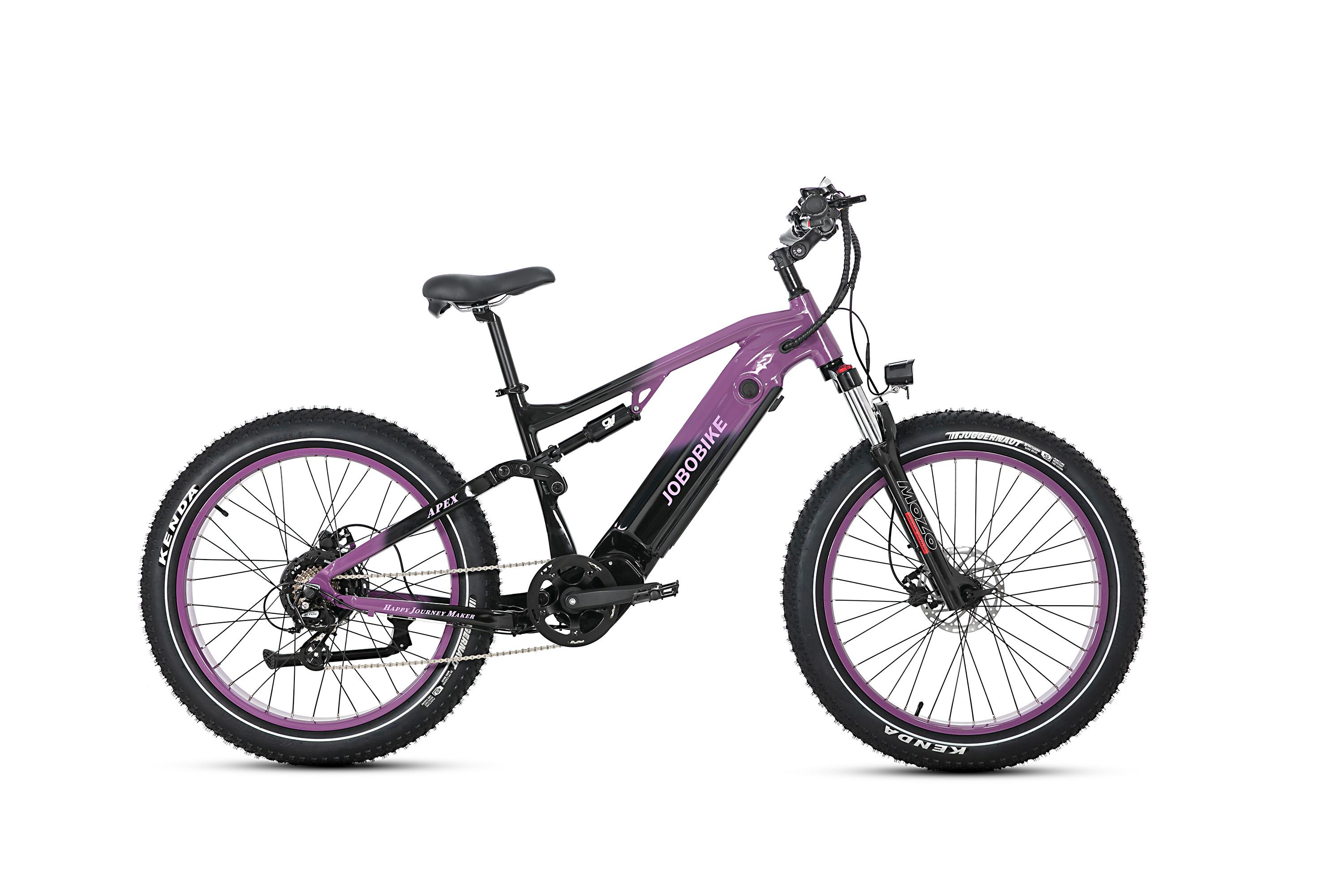
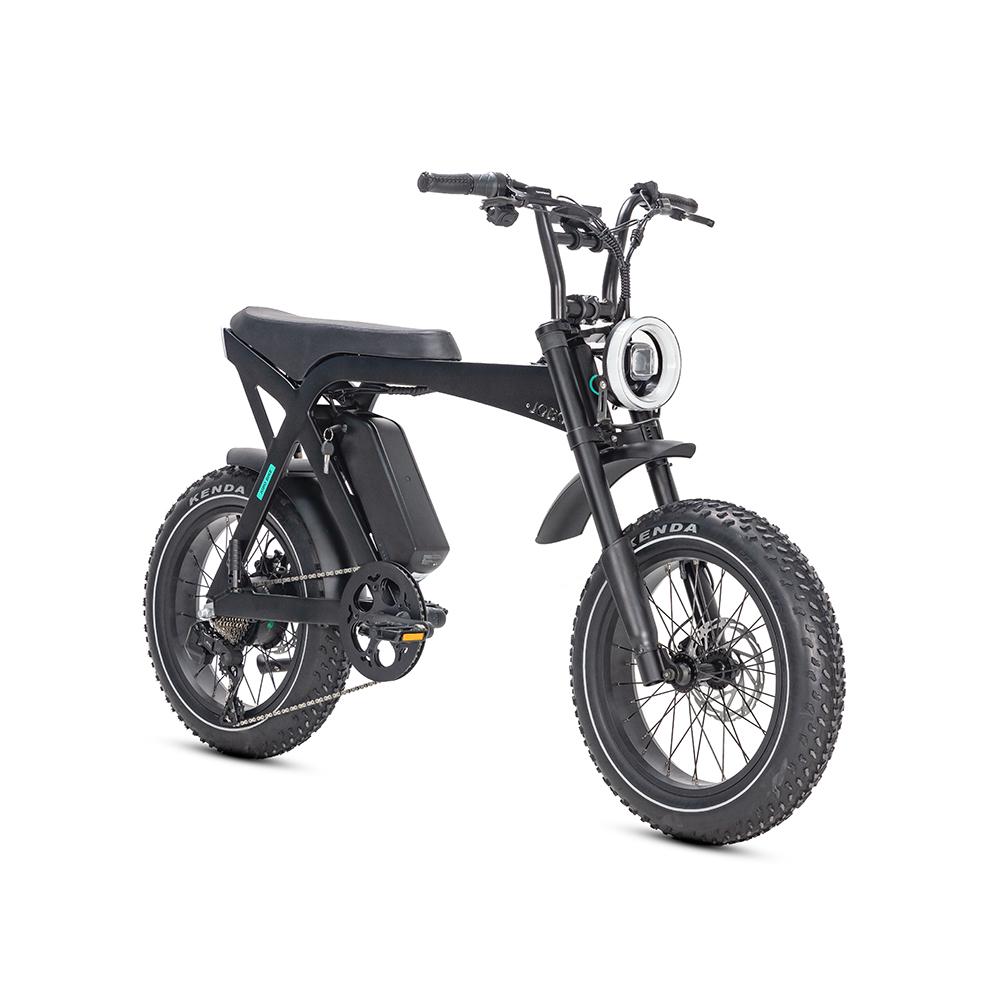
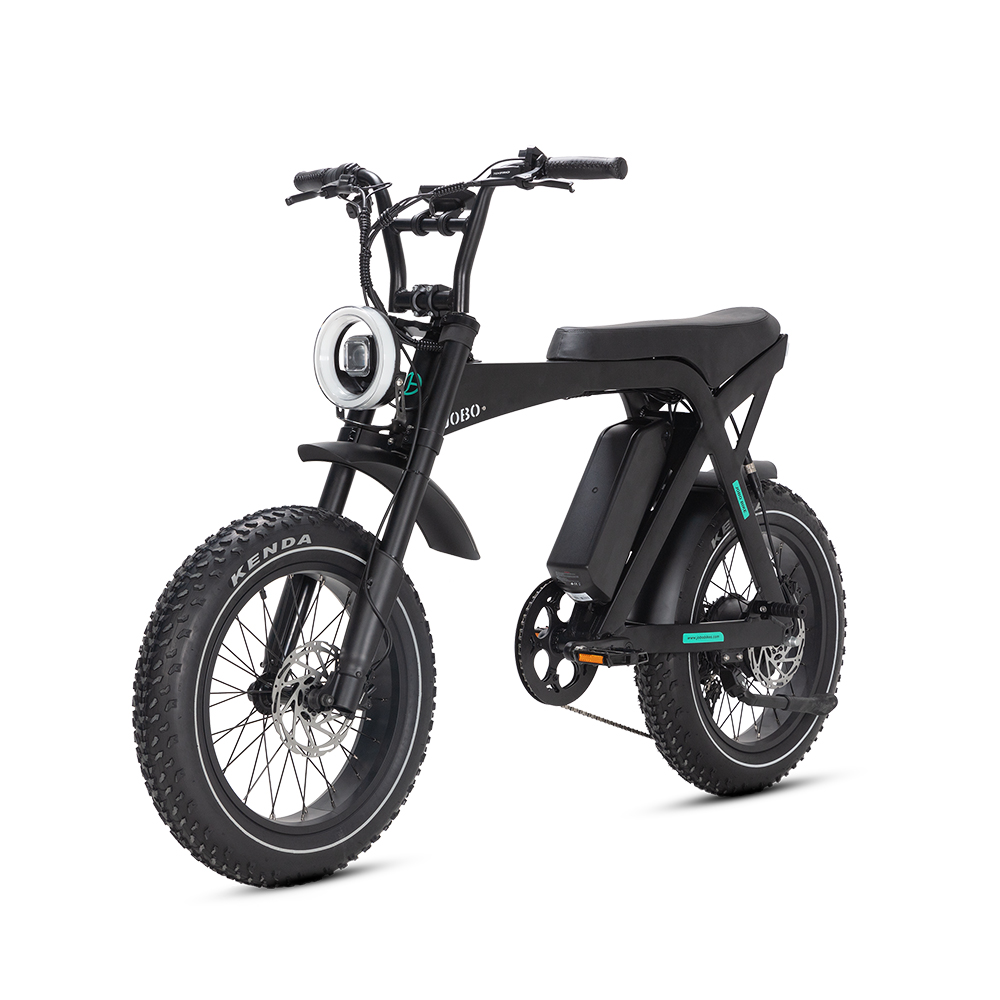
We use precision-fit battery bays with tolerance-matched contact interfaces to ensure power consistency across thousands of insert/removal cycles. Mounting rails are reinforced with anti-rattle hardware and waterproof gaskets.
In one fleet program, Jobo cargo bikes were used 6x/day, and battery wear was reduced by 30% versus standard friction-lock designs.
Sealing That Protects in Real-World Urban Conditions
Urban fleets face rain, grime, and extreme temperature shifts. Jobo uses:
-
IP65+ level sealed harness routing
-
Silicone grommets at fork and motor junctions
-
Waterproof display/controller cases
-
Marine-grade connectors at critical points
This keeps electronic systems dry—even during high-pressure cleaning.
Sensor Placement That Ensures Predictable Performance
From torque sensors to cadence detectors, positioning is everything. Poor alignment leads to false readings or failure under pedal strain.
Jobo tests each sensor set on a load simulator. Sensor channels are then shielded and firmware-calibrated before the final assembly stage.
A recent mid-drive fleet rollout showed 98.6% sensor accuracy after 3 months of commercial use.
Smart Integration = Faster Maintenance and Lower Cost
Jobo’s OEM builds aren’t just durable—they’re designed for serviceability:
-
Tool-free battery access
-
Quick-release motor connections
-
Modular sensor/LED plug-ins
-
SKU-matched replacement compatibility
This means your in-field teams spend less time troubleshooting and more time deploying.
Who This Matters For
-
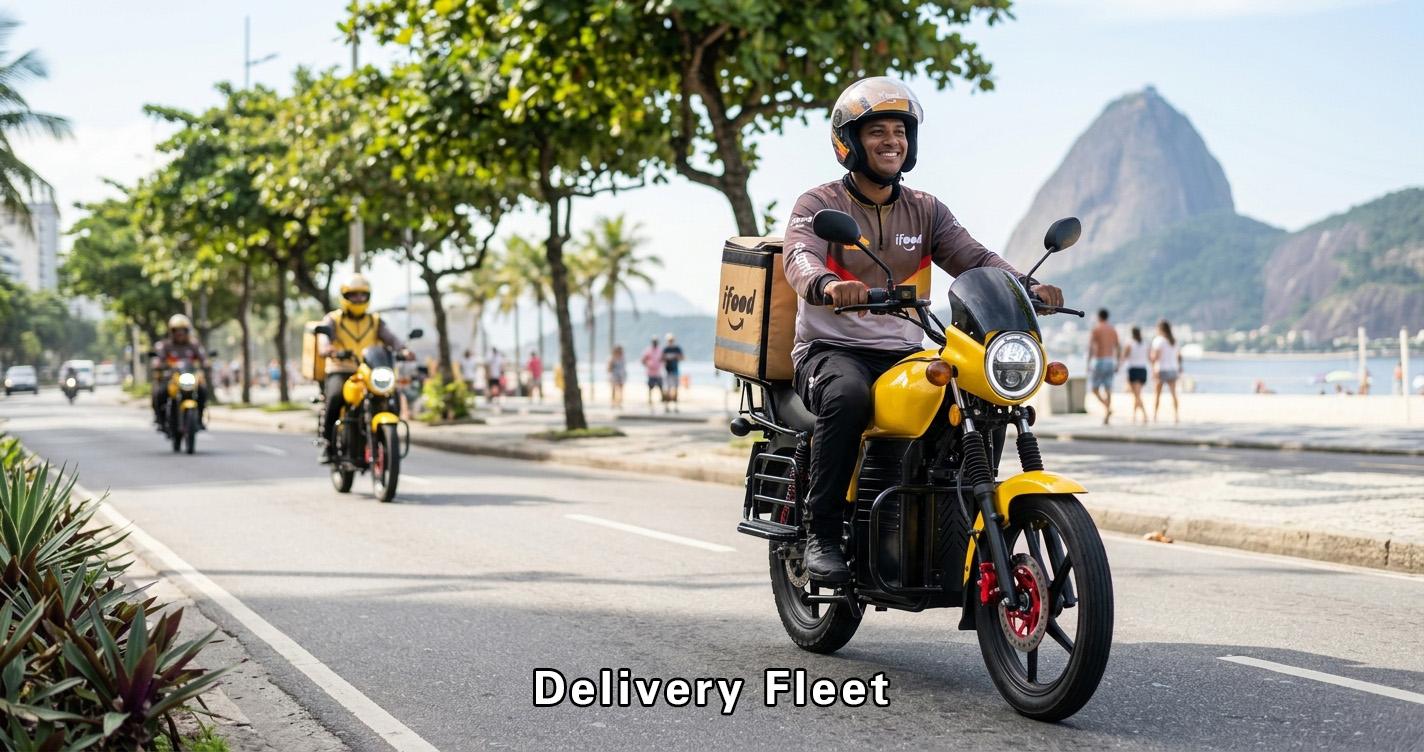
Food delivery services dealing with wet weather and multiple rider shifts
-
mobility operators where one battery failure affects 40 users
-
Urban sharing platforms with high vandalism and abuse risk
-
Corporate fleets requiring compliance-grade safety for employees
If a supplier skips sealing or housing validation, your operations—and brand—pay the price.
FAQ: Fleet Buyers and Technical Manufacturing Questions
Q1: Can we customize battery locks or mounts to match our tools?
Yes. We offer frame-locked battery solutions with proprietary tooling options or fleet-standard designs.
Q2: What’s your field failure rate for sensor components?
Under 1.8% across 12-month usage cycles, based on over 15,000 fleet-deployed bikes.
Q3: How do you test waterproofing?
Jobo conducts pressure spray and submersion testing on wiring and motor zones during pre-shipment QA.
Small Details. Massive Difference.
If your e-bike fleet is going to survive weather, weight, and wear—it needs to be built for it.
At Jobo, we treat battery housing, sensors, and sealing as mission-critical—not minor tasks.
That’s how we help our clients minimize downtime, reduce returns, and deliver bikes that riders actually trust.
Explore fleet-optimized OEM builds
Contact the Jobo production team to build your next reliable e-bike platform.