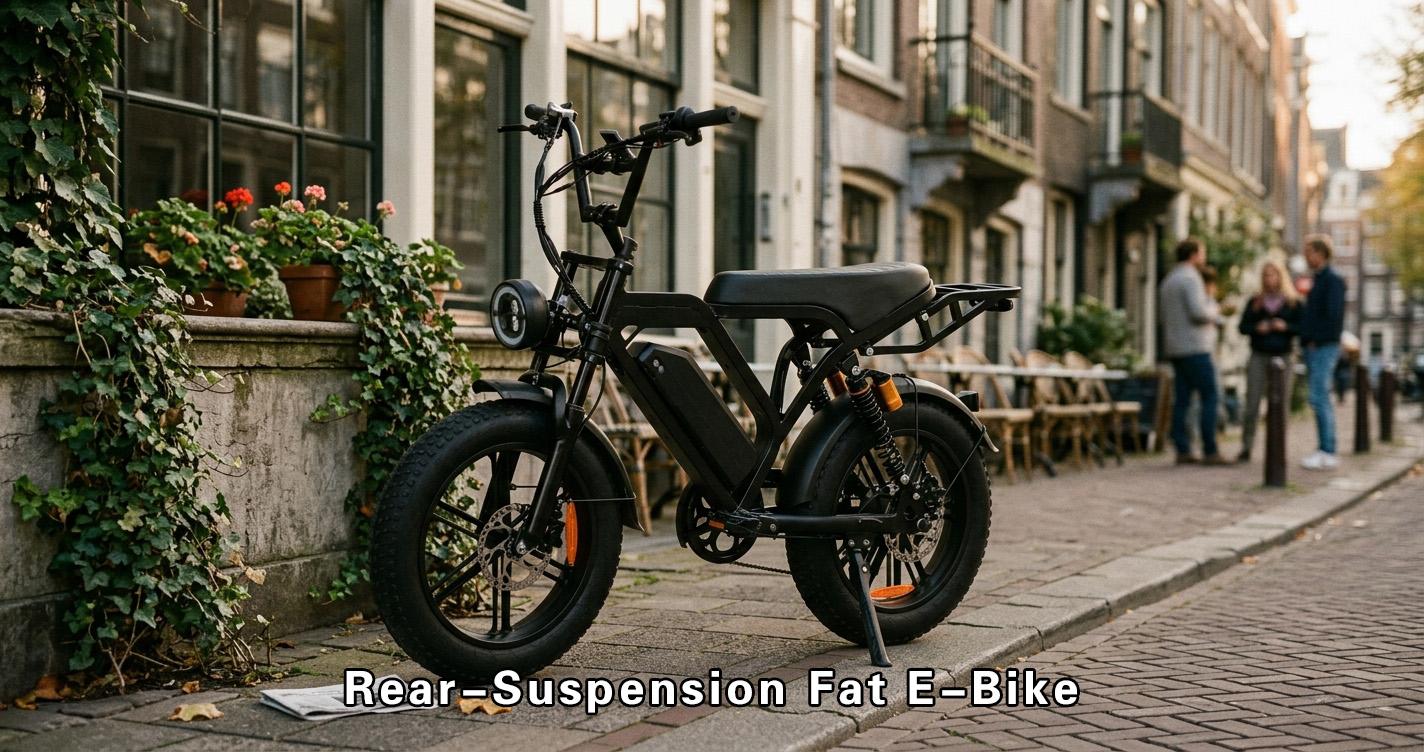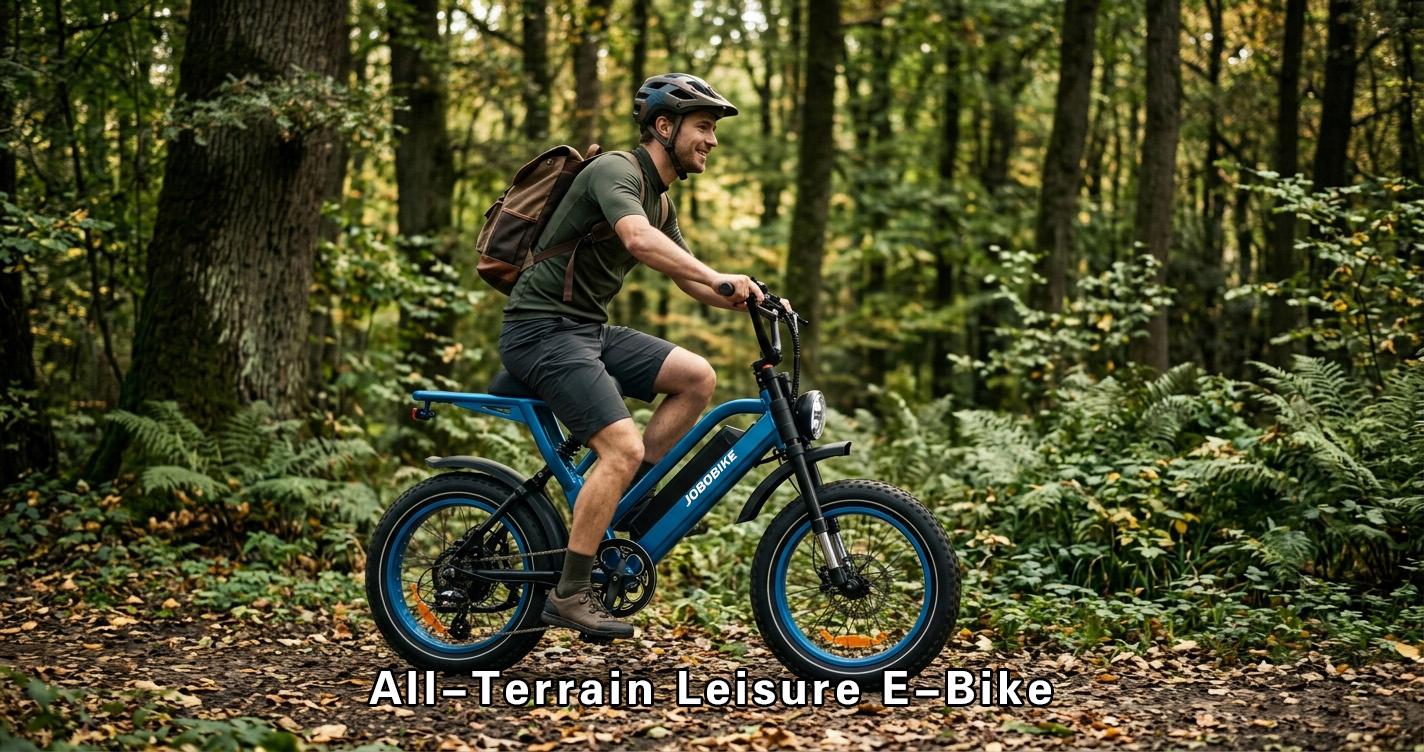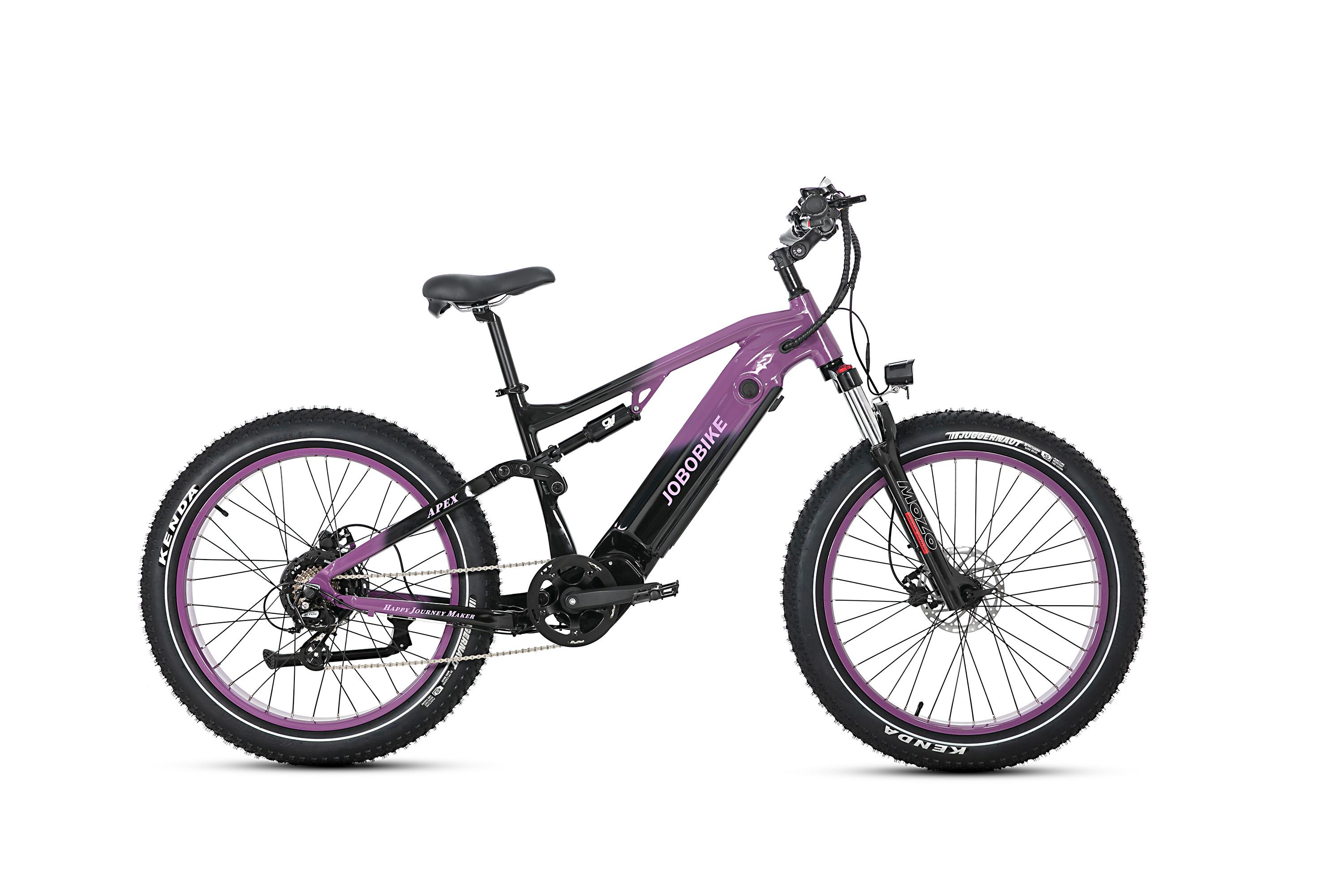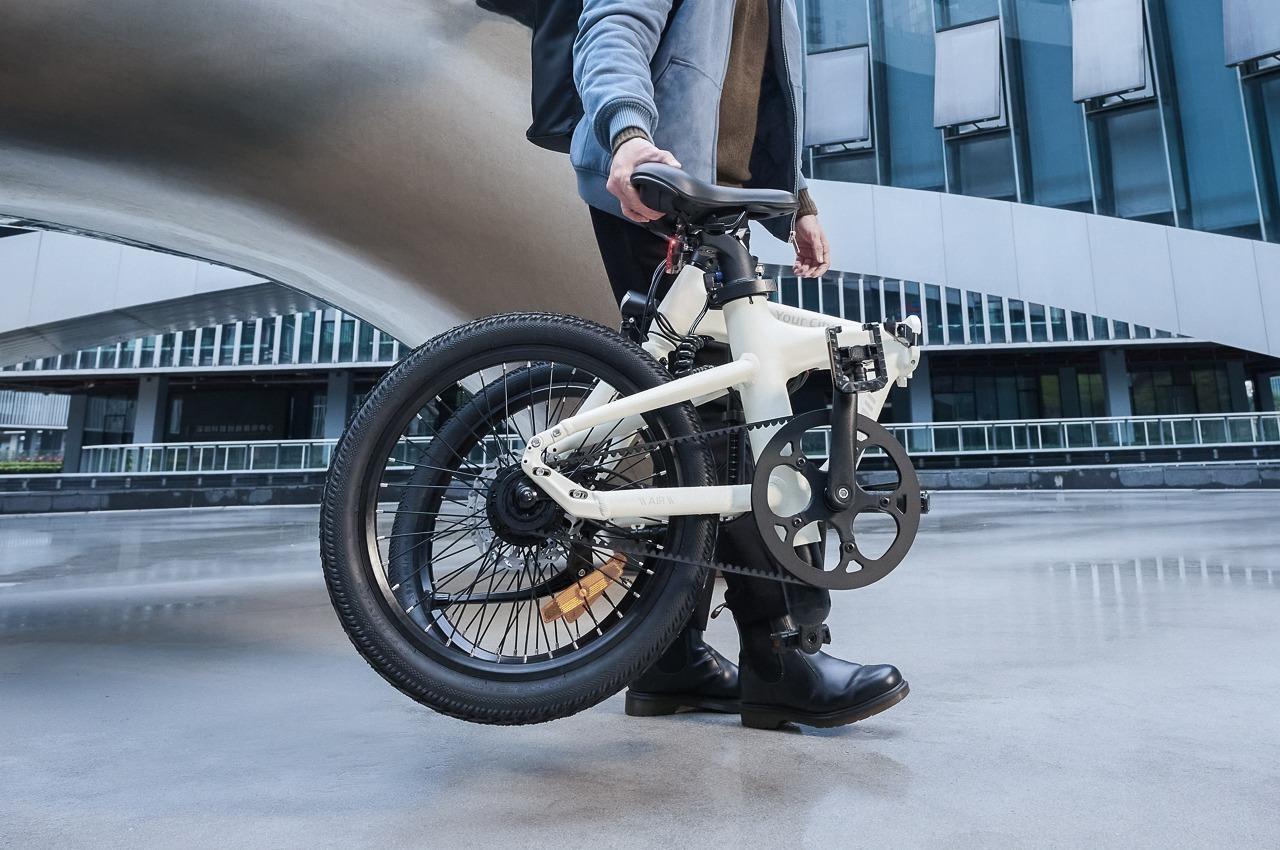
Foldable electric bikes are no longer niche products. They are now widely used in:
- Train + bike commuting systems
- Office and corporate mobility programs
- Dense urban residential areas
- Rental and tourism fleets
- Light-duty last-mile logistics
The demand is clear—but so is the gap between basic products and commercial-grade solutions.
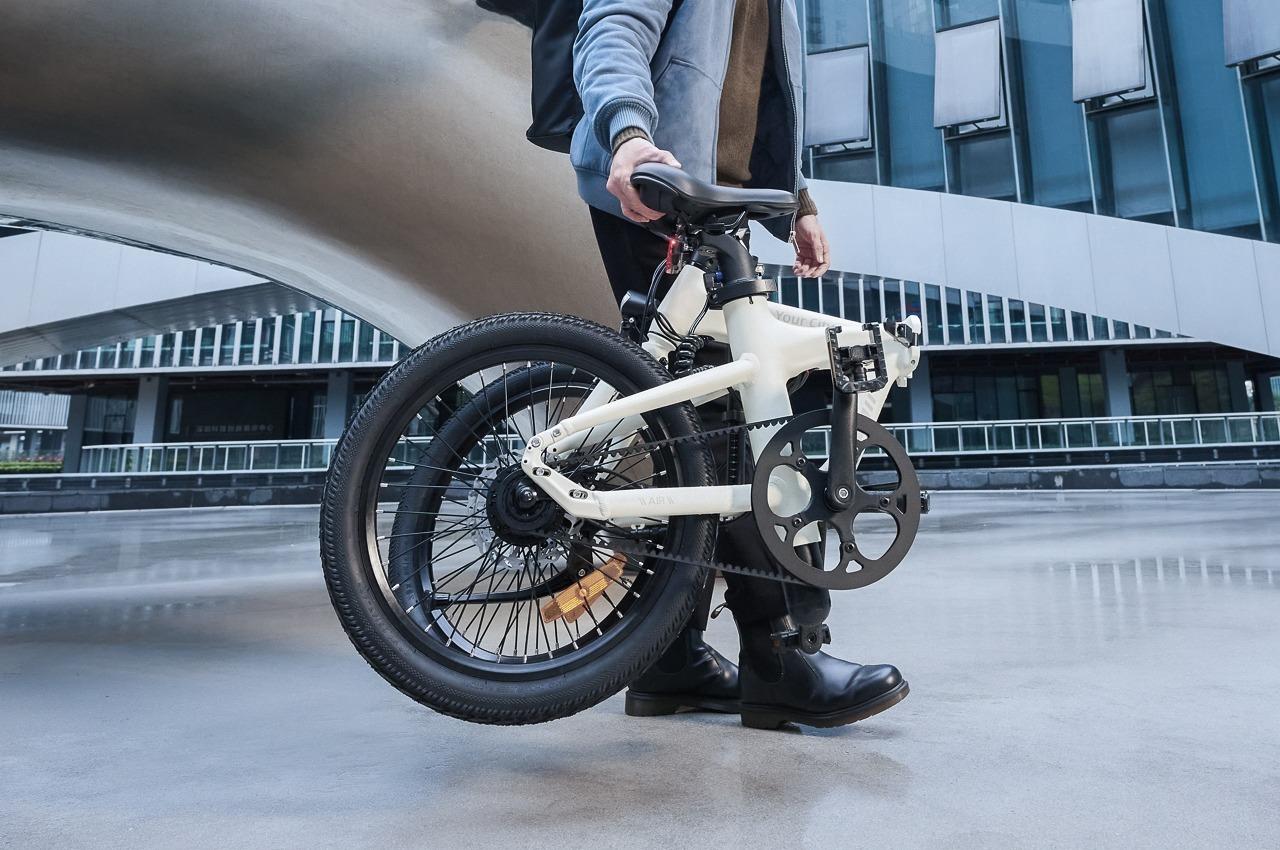
1. Folding Mechanism: The First Point of Failure
The folding joint is the most critical part of the entire bike.
A reliable foldable electric bicycle supplier must ensure:
- Secure locking with zero frame wobble
- Fast folding within seconds
- Long-term hinge durability under repeated use
- Structural stability when unfolded
Poor design here leads to:
- unsafe riding experience
- early product failure
- high return rates
2. Compact Design Without Compromising Stability
The biggest challenge is balance:
making the bike smaller without making it unstable
A well-engineered foldable e-bike includes:
- Optimized wheel size (20”–24”)
- Adjustable cockpit (handlebar + seatpost)
- Balanced center of gravity
- Reinforced compact frame geometry
At Jobo, folding platforms are designed as purpose-built systems, not modified standard bikes.
3. Battery Integration in Limited Space
A professional supplier provides:
- Space-efficient battery placement
- Removable battery options for charging flexibility
- Balanced weight distribution
- Safe cable routing across folding joints
This ensures both usability and safety in daily commuting.
Sourcing for 2026? Skip the guesswork.
Click here to contact us for the 2026 cargo e-bike product catalog and specifications
4. Weight vs Strength: The Engineering Balance
Portability matters—but so does durability.
High-quality foldable electric bicycles use:
- Lightweight aluminum alloy frames
- Reinforced hinge areas
- Optimized tubing thickness
- Vibration-resistant structures
The goal is simple:
easy to carry
strong enough to ride daily
5. OEM Capability and Scalable Supply
For B2B buyers, the supplier matters more than the product.
A reliable foldable electric bicycle supplier should offer:
- OEM / ODM customization
- Branding and design flexibility
- Consistent production quality
- Certification compliance (CE, EN15194)
- Scalable output for growing markets
This ensures your product line can expand without risk.
Who Should Work with a Folding E-Bike Supplier
- Urban retail brands
- Multi-modal commuting platforms
- Smart city mobility projects
- Rental and tourism operators
- Light logistics providers
These markets require compact, reliable, and scalable solutions.
Sourcing for 2026? Skip the guesswork.
Click here to contact us for the 2026 cargo e-bike product catalog and specifications
FAQ: Supplier Selection Questions
Q1: What is the ideal weight for a foldable e-bike?
Typically between 18–23kg, depending on configuration.
Q2: Are folding bikes suitable for daily commuting?
Yes, if engineered properly with reinforced structures and quality components.
Q3: Can folding e-bikes be customized for branding?
Absolutely. Jobo supports full OEM customization including frame, battery, and accessories.
The Bottom Line
Choosing the right foldable electric bicycle supplier is not just about price—it’s about long-term reliability, product performance, and scalability.
A well-built folding e-bike should:
- fit into urban life
- perform like a full-size bike
- support business growth
At Jobo, folding e-bike platforms are engineered to deliver exactly that.
Explore compact mobility solutions:
https://www.joboev.com/products
Talk to our OEM team:
https://www.joboev.com/contact-us