Urban mobility keeps getting smaller, faster, and more flexible.
For commuters living in apartments, professionals combining trains with cycling, and brands building products for dense cities, folding e-bikes are no longer a niche product—they are a strategic category.
But for buyers, the real challenge starts behind the product:
choosing the right folding e-bike factory
Because a folding bike is only as good as the factory that builds it.
A weak hinge, poor frame geometry, or unstable battery design can turn a promising product into a costly after-sales problem.
Why Folding E-Bikes Require Specialized Manufacturing
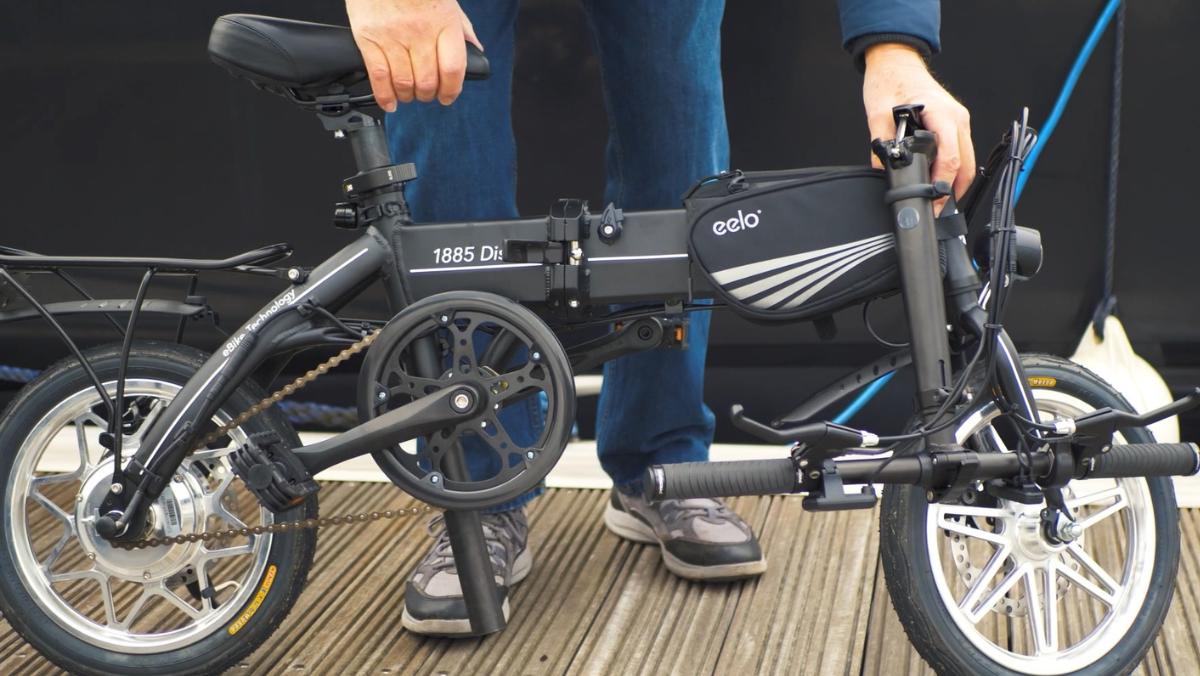
Unlike standard electric bikes, folding e-bikes must solve two problems at once:
- deliver full riding performance
- remain compact enough for daily carrying and storage
This requires precision manufacturing, not simple downsizing.
A professional folding e-bike factory must engineer:
- strong folding joints
- balanced compact geometry
- lightweight yet durable frames
- safe battery placement
- stable ride feel after repeated folding cycles
That’s where true OEM capability begins.
1. Hinge Strength Defines Product Trust
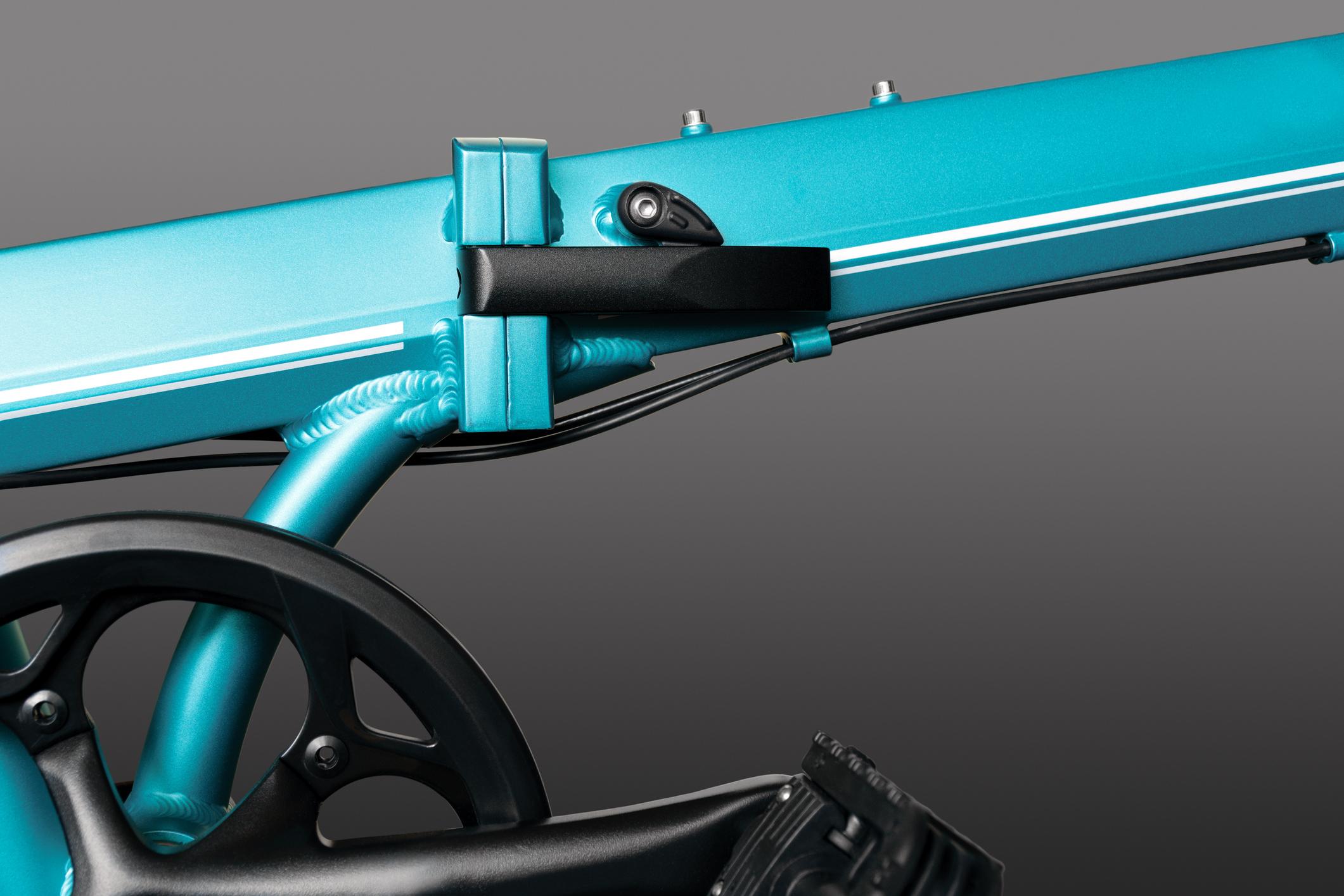
The hinge is the most important mechanical point of failure.
A reliable folding e-bike factory must ensure:
- secure locking without movement
- repeated folding durability over thousands of cycles
- anti-loosening structure under vibration
- strong reinforcement around hinge zones
If the hinge fails, the entire product fails.
This is why Jobo uses reinforced welding and stress testing before mass production begins.
2. Compact Design Must Still Feel Like a Real Bike
Many folding bikes become too small to ride comfortably.
A proper factory balances:
- wheel size (20”–24”)
- frame geometry
- rider posture
- handlebar reach
- stable center of gravity
The goal is simple:
compact enough to store
stable enough to trust every day
This is what separates a real commuting bike from a novelty product.
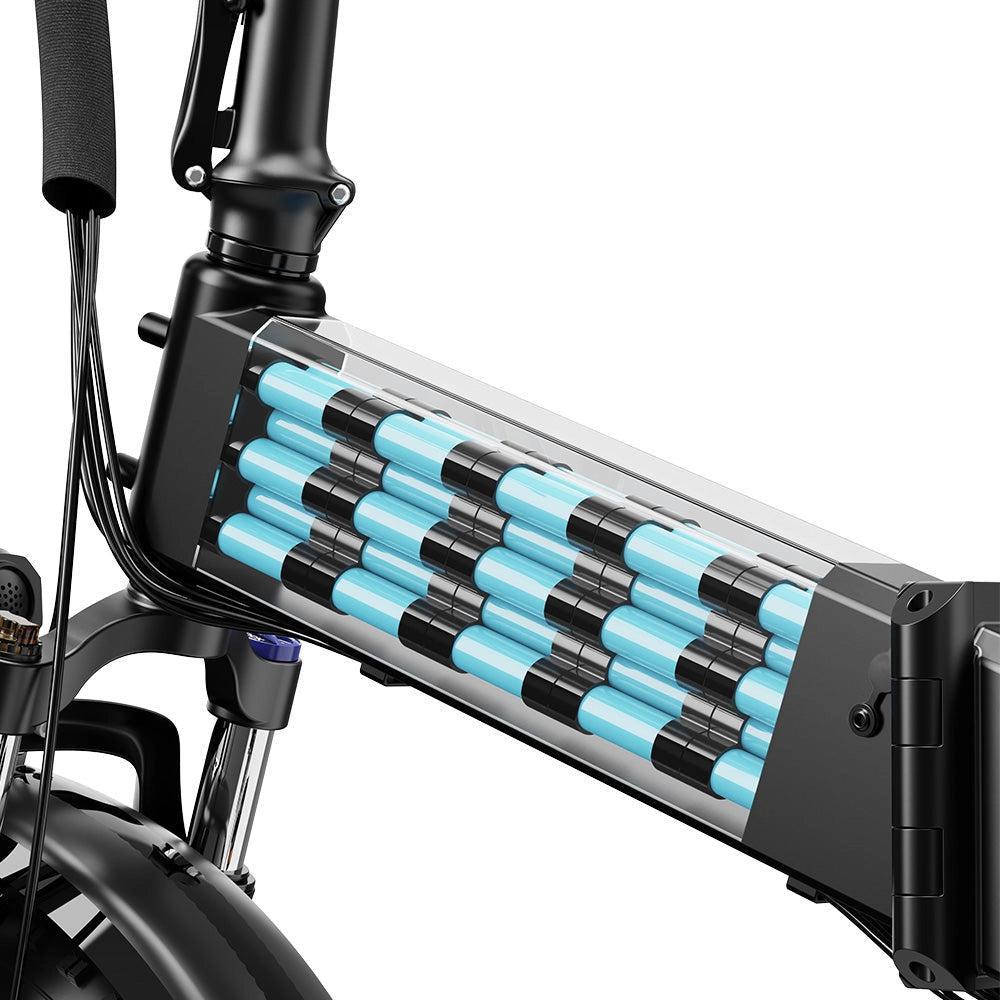
3. Battery Integration in Limited Space
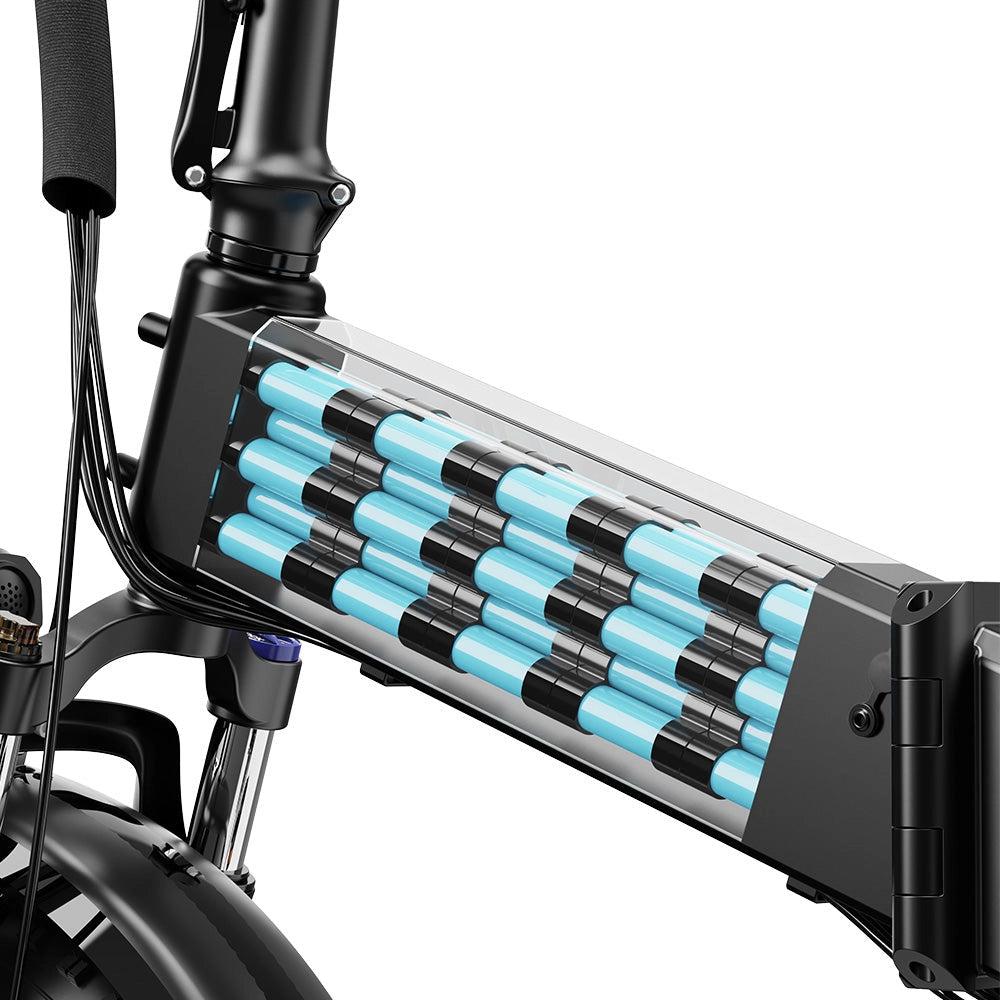
Battery placement becomes much harder in folding platforms.
A professional folding e-bike factory must provide:
- removable battery systems
- balanced weight distribution
- protected internal cable routing
- safe electrical connections across folding joints
This affects not only range, but also long-term safety.
Sourcing for 2026? Skip the guesswork.
Click here to contact us for the 2026 cargo e-bike product catalog and specifications
4. Weight vs Strength: The Manufacturing Challenge
Customers want lightweight bikes.
But lightweight should never mean fragile.
High-quality factories use:
- lightweight aluminum alloy frames
- optimized tubing thickness
- reinforced stress zones
- anti-vibration structural design
The result:
- easier carrying upstairs
- better long-term durability
- fewer warranty claims
This is especially critical for OEM retail projects.
5. OEM Production Capability Matters More Than Product Photos
For distributors and brands, factory strength matters beyond the bike itself.
A strong folding e-bike factory should offer:
- OEM / ODM customization
- private label support
- CE / EN15194 certification
- scalable monthly production
- stable quality inspection systems
- fast sample development
Because growth depends on supply reliability, not marketing promises.
Who Needs a Reliable Folding E-Bike Factory
- Urban commuting brands
- Train + bike mobility programs
- Smart city mobility operators
- Rental and tourism businesses
- Retail private-label distributors
These buyers need compact bikes that work in real life—not just attractive catalogs.
Sourcing for 2026? Skip the guesswork.
Click here to contact us for the 2026 cargo e-bike product catalog and specifications
FAQ: Factory Selection Questions
Q1: Are folding e-bikes less durable than normal bikes?
Not if they are produced by a professional factory with reinforced hinge testing and strong frame design.
Q2: What is the ideal weight for a folding e-bike?
Usually between 18–23kg depending on motor, battery, and configuration.
Q3: Can OEM buyers customize frame design and branding?
Yes. Jobo supports full OEM production including frame colors, battery setup, branding, and accessories.
The Bottom Line
Choosing the right folding e-bike factory is not about finding the cheapest supplier.
It’s about finding a manufacturing partner that can deliver:
- durability
- portability
- consistency
- long-term OEM scalability
At Jobo, folding e-bike platforms are engineered for real-world urban mobility—where compact design must meet daily performance.
Explore our folding e-bike solutions:
https://www.joboev.com/products
Talk to our OEM production team:
https://www.joboev.com/contact-us