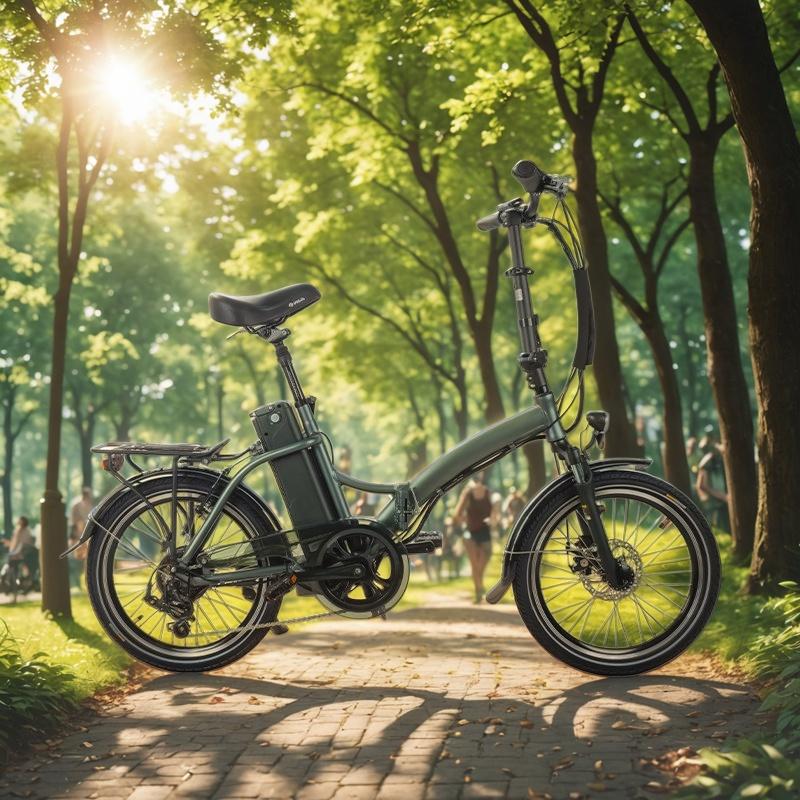
Folding ebike has revolutionized urban commuting by offering a compact and efficient way to navigate city streets. This innovative mode of transportation combines the convenience of folding technology with electric assistance, making it ideal for those seeking a versatile and eco-friendly option for daily travel. In this guide, we'll explore how to choose and use a folding ebike effectively, drawing from key features that enhance portability and performance.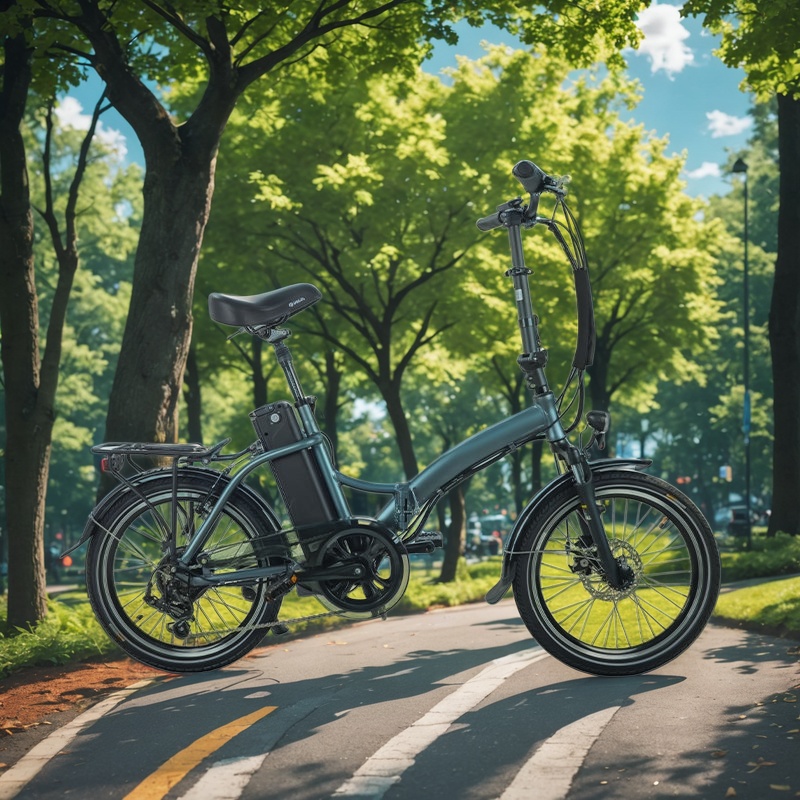
Understanding the Basics of Folding Ebikes
Folding ebikes are designed for easy storage and transport, allowing users to fold them quickly for bus rides or office storage. When considering a lightweight folding ebike, focus on models that weigh under 40 pounds for effortless carrying. These bikes typically feature a sturdy frame that folds at multiple points, ensuring stability while riding. A portable electric bike should also include a reliable battery system that provides a range of up to 20-30 miles on a single charge, depending on the terrain. Electric bike for commuting often comes with pedal-assist modes that adjust to your pedaling effort, making uphill climbs less strenuous. By understanding these core elements, you can select a folding ebike that fits your lifestyle and enhances your daily routine.
Benefits of a Lightweight Folding Ebike for Daily Use
One of the primary advantages of a lightweight folding ebike is its portability, which makes it perfect for urban dwellers with limited space. This type of bike can be easily stored in a car trunk or under a desk, reducing the hassle of traditional bike storage. A portable electric bike also promotes health benefits by encouraging physical activity through pedal-assist features, while the electric motor handles the heavier lifting on longer rides. Electric bike for commuting can cut down travel time significantly, helping you avoid traffic jams and arrive at work refreshed. Additionally, these bikes are environmentally friendly, emitting zero emissions and reducing your carbon footprint. With features like adjustable seats and handlebars, a folding ebike ensures comfort for various rider heights, making it a smart choice for families or shared use. Remember, opting for a model with puncture-resistant tires can further enhance reliability for everyday commutes.
Step-by-Step Guide to Choosing and Using Your Portable Electric Bike
To start, assess your commuting needs by calculating your average daily distance and the types of terrain you'll encounter, as this will influence the motor power and battery capacity required for your folding ebike. Next, test ride a few options to evaluate the folding mechanism—ensure it locks securely to prevent accidents during use. When selecting a portable electric bike, check for safety features like integrated lights and reflective accents, which are essential for night riding. Once you've chosen your bike, begin with a full charge of the battery, typically taking 4-6 hours, and familiarize yourself with the control panel to switch between modes like full electric or pedal-assist. For maintenance, regularly clean the frame and check tire pressure to maintain optimal performance. Electric bike for commuting also requires periodic battery care, such as avoiding full discharges, to extend its lifespan. Finally, always wear a helmet and follow local traffic laws to ensure a safe experience. By following these steps, you'll maximize the utility of your lightweight folding ebike and enjoy a seamless integration into your routine.
Tips for Effective Commuting with Your Electric Bike
Planning your route in advance can make a big difference when using a folding ebike for commuting, as it allows you to identify bike-friendly paths that minimize exposure to heavy traffic. Start by packing essentials like a lock and a small repair kit to handle any on-the-road issues with your portable electric bike. Electric bike for commuting performs best when you maintain a steady pace, so use the pedal-assist feature to conserve battery on longer trips. In rainy weather, opt for models with fenders to keep you dry, and always carry a cover for added protection. To build endurance, incorporate regular rides into your schedule, gradually increasing distance to get the most out of your lightweight folding ebike. Remember to charge your bike at your workplace if possible, ensuring it's ready for the journey home. With these tips, commuting becomes not just efficient but also enjoyable, transforming your daily travel into a sustainable adventure.