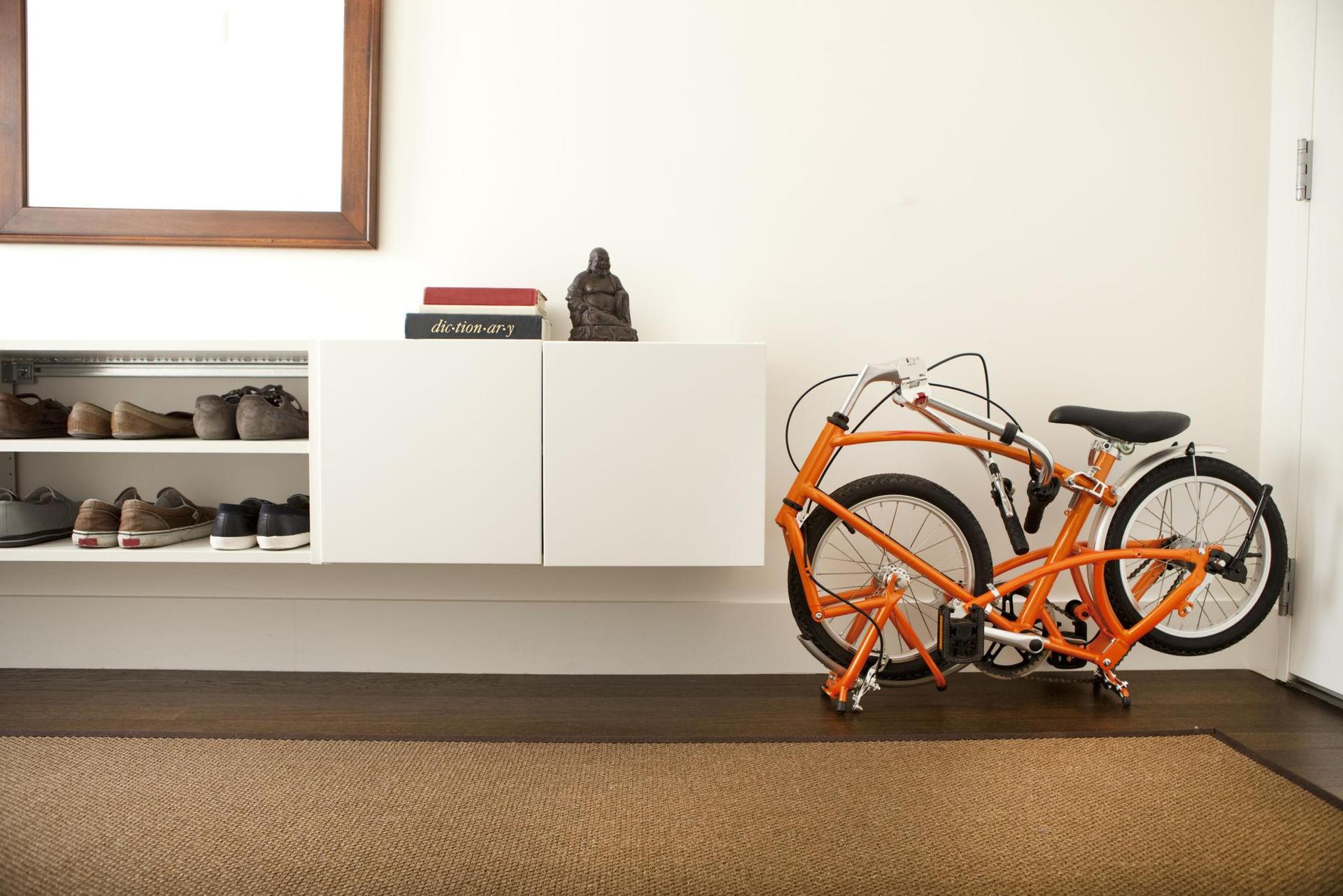
In dense urban environments, space is limited—but mobility demand is not.
From apartment dwellers to multi-modal commuters, folding electric bikes have become a practical solution for navigating cities efficiently. But behind every compact design lies a critical question for buyers and brands:
Is the manufacturer capable of delivering both portability and performance?
Because building a folding bike is easy.
Building one that survives daily use, transport, and real riding conditions is not.
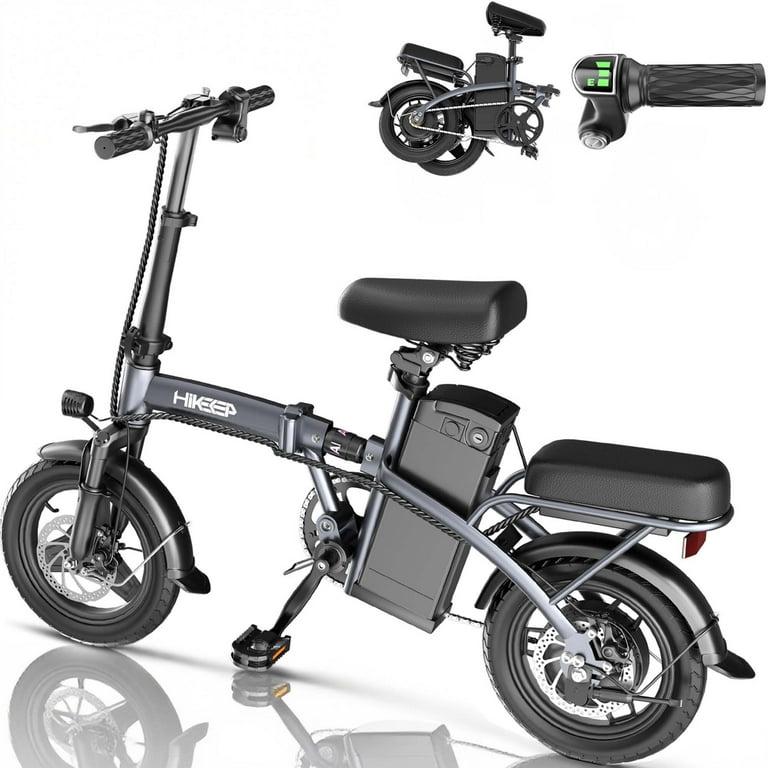
Why Folding E-Bikes Are Growing in Demand
The appeal of folding e-bikes comes from real-life constraints:
- Limited storage space
- Need for train + bike commuting
- Carrying bikes upstairs or into offices
- Flexible last-mile transportation
This makes folding e-bikes highly attractive for:
- Urban retail markets
- Shared mobility platforms
- Corporate commuting programs
- Travel and rental businesses
But demand alone doesn’t guarantee quality.
1. Folding Mechanism: The Core of the Product
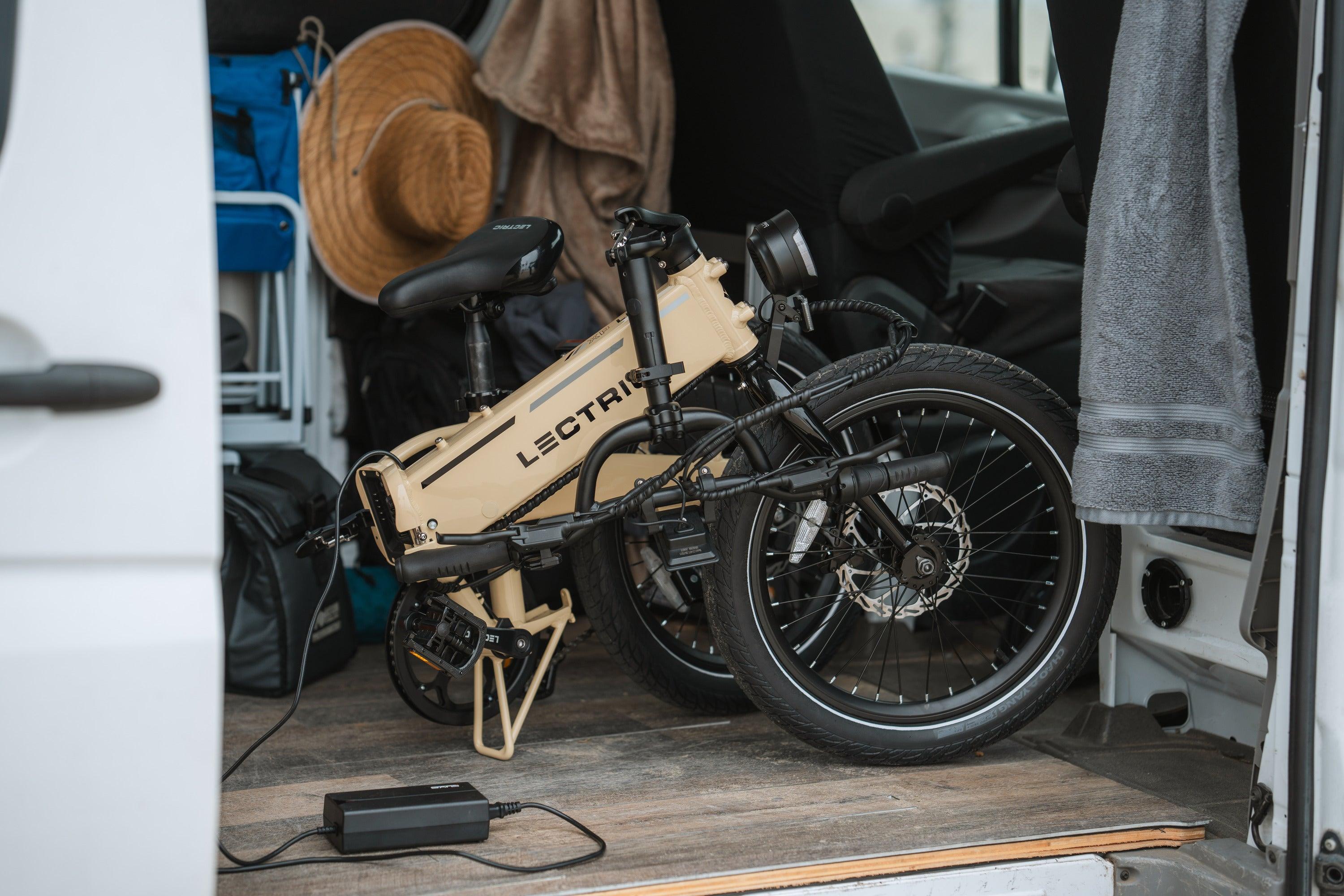
The folding system is the most critical part of the bike.
A reliable folding electric bike manufacturer must ensure:
- Secure locking without frame flex
- Smooth folding within seconds
- Long-term durability of hinges
- Stability when unfolded
Poor hinge design leads to:
- frame instability
- safety risks
- faster wear and failure
2. Compact Design Without Losing Ride Quality
Many folding bikes sacrifice comfort for size.
A well-engineered product balances both:
- Optimized wheel sizes (20”–24”)
- Adjustable seatpost and handlebars
- Stable geometry despite compact frame
- Proper weight distribution
At Jobo, folding platforms are designed as complete systems, not reduced versions of standard bikes.
3. Battery Integration in Limited Space
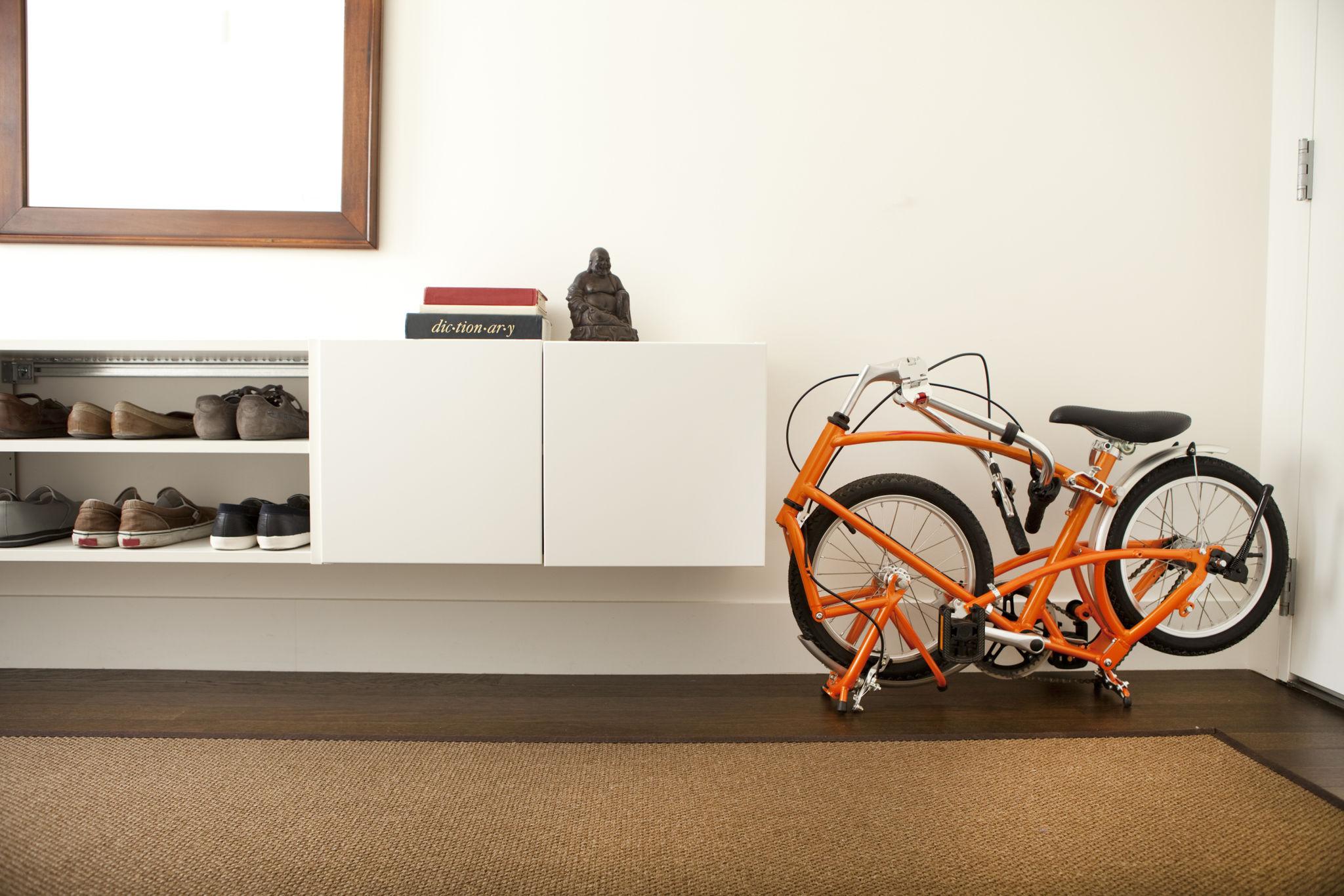
Battery design is more complex in folding bikes due to space constraints.
A professional folding electric bike manufacturer must provide:
- Compact yet efficient battery packs
- Removable battery options
- Balanced weight placement
- Reliable wiring within folding joints
This ensures both usability and safety.
Sourcing for 2026? Skip the guesswork.
Click here to contact us for the 2026 cargo e-bike product catalog and specifications
4. Weight vs Strength: The Engineering Trade-Off
Portability depends on weight—but durability depends on strength.
High-quality folding e-bikes use:
- Lightweight aluminum alloys
- Reinforced hinge areas
- Optimized tubing thickness
- Anti-vibration structure design
The goal is to keep the bike:
light enough to carry
strong enough for daily use
5. OEM Capability and Scalability
For brands and distributors, manufacturing capability matters as much as the product itself.
A reliable folding electric bike manufacturer should offer:
- Custom branding and design options
- Scalable production capacity
- Consistent quality control
- Compliance with global standards (CE, EN15194)
- Flexible configuration (motor, battery, accessories)
This allows businesses to grow without changing suppliers.
Who Needs Folding E-Bikes the Most?
- Urban commuters with limited storage
- Train + bike riders
- Apartment residents
- Rental and tourism businesses
- Last-mile logistics in dense areas
These users need functionality first—not just compact looks.
Sourcing for 2026? Skip the guesswork.
Click here to contact us for the 2026 cargo e-bike product catalog and specifications
FAQ: Folding E-Bike Manufacturing Questions
Q1: Are folding e-bikes less durable than standard bikes?
Not when properly engineered. Reinforced hinge design ensures long-term reliability.
Q2: What is the ideal weight for a folding electric bike?
Typically between 18–23kg, depending on battery size and motor.
Q3: Can folding e-bikes support OEM customization?
Yes. Most modern platforms, including Jobo folding ebikes, support branding, component selection, and configuration adjustments.
The Bottom Line
A folding electric bike is not just a compact version of a bike—it’s a precision-engineered mobility solution.
Choosing the right folding electric bike manufacturer ensures:
- better product quality
- stronger user experience
- long-term business scalability
At Jobo, folding e-bike platforms are built to meet real-world demands—where portability, durability, and performance must all work together.
Explore compact e-bike solutions:
https://www.joboev.com/products
Discuss your OEM project:
https://www.joboev.com/contact-us