Why Folding Long-Range City E-Bikes Are Becoming the Future of Urban Commuting
Meeting Urban Riders’ Dual Demands: Portability and Distance
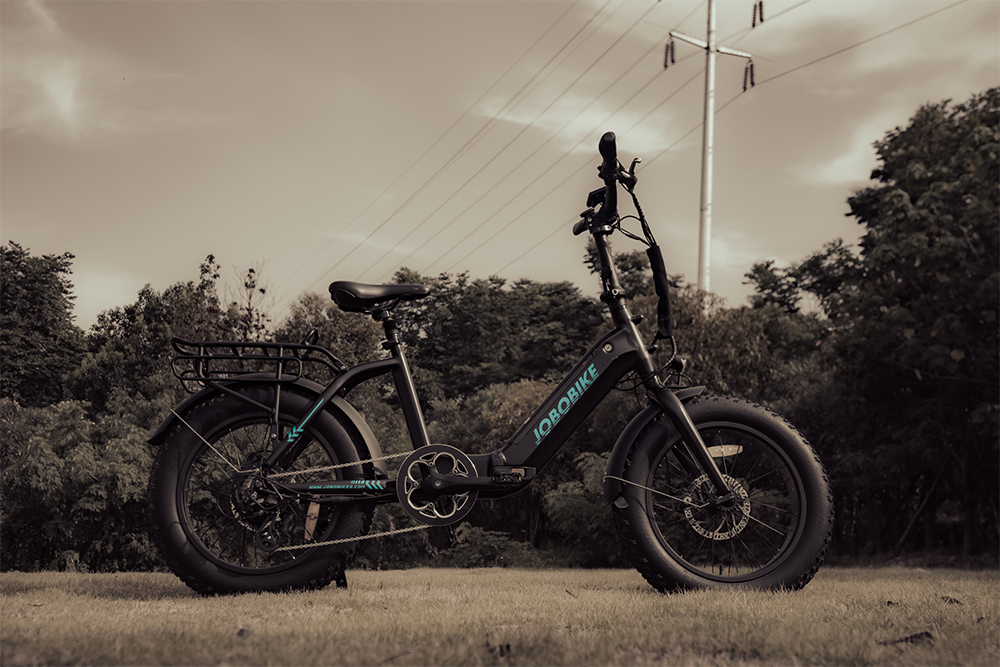
City mobility is evolving, and riders increasingly expect both compactness and long-distance capability from their daily transportation.
A folding long-range city e-bike offers a unique combination:
-
Foldable for easy storage in small apartments, offices, or public transit
-
Long-range performance for 20–40 km daily commutes without recharging
-
Lightweight and practical for multi-stage travel involving buses, metro, or car trunks
For urban commuters with longer routes, this hybrid format resolves many limitations of traditional folding e-bikes.
Battery Integration: How Folding Bikes Achieve Long Range
Achieving long-distance performance in a folding frame requires precise integration.
Key engineering elements include:
-
48V battery systems (14–17Ah) fitted into the down tube or seat tube
-
High-density 18650/21700 cells to maintain energy output without overweighting the frame
-
Heat-dissipating battery housings to prevent thermal buildup during long rides
-
BMS with optimized discharge curves for predictable range throughout the day
This allows a folding long-range city e-bike to deliver reliable travel distances while preserving a compact, lightweight structure.
Folding Mechanisms Designed for Daily Use
A folding bike used for long daily commutes must resist repeated folding cycles.
Typical design elements include:
-
Reinforced central hinge with multi-point locking
-
Stainless steel pivot hardware engineered for 5,000+ fold-unfold cycles
-
Handlebar and pedal folding joints to minimize final footprint
-
Internal cable routing to avoid accidental snagging when folding
These design choices preserve durability without compromising portability.
Motor Efficiency and Range Stability
Extended range requires efficient energy management.
Common configurations include:
-
250W rear hub motors for predictable consumption
-
Smooth controller tuning to reduce unnecessary current draw
-
Torque-assisted modes that prevent battery drain on inclines
-
Low rolling-resistance tires optimized for city pavement
Combined, these systems enable a folding long-range city e-bike to maintain consistent performance throughout long commutes.
Folding Long-Range vs. Standard Folding E-Bike
| Feature | Folding Long-Range City E-Bike | Standard Folding E-Bike |
|---|---|---|
| Battery Capacity | 14–17Ah | 8–10Ah |
| Typical Range | 60–90 km | 30–40 km |
| Weight | Slightly heavier | Very light |
| Usage | Long commutes, all-day mobility | Short trips, compact use only |
| Best Suited For | Daily riders with long routes | Occasional or short-distance users |
This comparison highlights the expanded versatility and practicality of long-range folding designs.
Manufacturing Insight from JOBO ebike
At JOBO ebike, folding long-range development focuses on three engineering priorities:
-
Durable folding structures capable of repeated mechanical stress
-
Secure long-range battery integration that maintains center balance
-
Energy-efficient motor systems tuned for urban travel patterns
Each model undergoes testing under mixed conditions—public transit folding, extended-distance riding, pothole impacts—to ensure real-world reliability.
Recommendations Based on Commuting Scenarios
1. Long Urban Commutes (20–40 km)
-
48V battery around 14–17Ah
-
Lightweight 20-inch wheel system
-
Central folding hinge with high rigidity
2. Apartment & Office Storage Needs
-
Triple-fold design for compact size
-
Internal wiring to reduce wear
-
Portable 22–23 kg weight range
3. Multi-Modal Travel (Metro + Bus + Riding)
-
Quick-fold mechanism (8–10 seconds)
-
Removable battery for workplace charging
-
Narrow handlebar width when folded
4. Suburban or Cross-City Routes
-
Higher torque motor for bridges and inclines
-
Larger tire options for mixed road surfaces
-
Reinforced frame sections
What Buyers Should Check Before Purchasing
| Common Issue | Why It Matters | Recommendation |
|---|---|---|
| Weak folding joints | Safety risk with daily folding | Choose multi-lock hinges tested for thousands of cycles |
| Oversized folded dimensions | Reduces portability | Verify final folded size fits metro, office, car trunk |
| Limited battery capacity | Insufficient for long routes | Select 14Ah–17Ah minimum for city commutes |
| Overheating during long rides | Shortens battery lifespan | Pick models with ventilated battery housings |
| Heavy weight | Hard to carry during multi-modal travel | Target 22–23 kg optimized frames |
| Poor maintenance access | Increases downtime | Use modular electronics and easy-access wiring |
| Insufficient certification | Can limit market entry | Confirm CE / EN15194 documents |
Frequently Asked Questions
Q1: How far can a folding long-range city e-bike travel?
Typically 60–90 km depending on terrain, speed, and rider weight.
Q2: Does the folding mechanism weaken over time?
High-quality hinges with reinforced stainless hardware maintain precision over thousands of folds.
Q3: Are long-range folding bikes heavier?
Slightly, due to larger batteries—but proper design preserves manageable weight and balance.
Compact Distance for Modern Urban Lifestyles
As cities demand practical mobility solutions, the folding long-range city e-bike bridges the gap between portability and extended travel capability. At JOBO ebike, we focus on optimizing frame integration, battery management, and folding durability to support long-distance urban riders.
To explore available options or discuss OEM customization, visit our homepage or reach our team through the contact page.