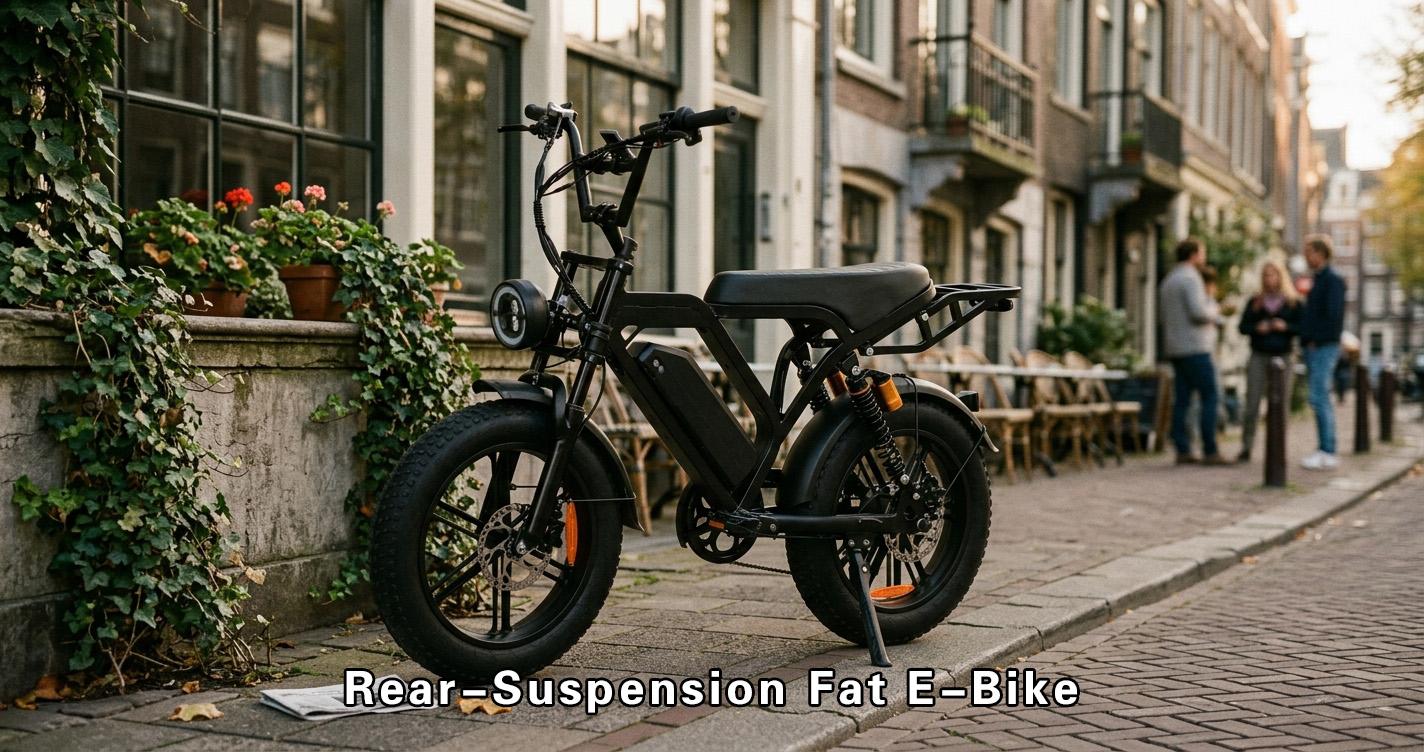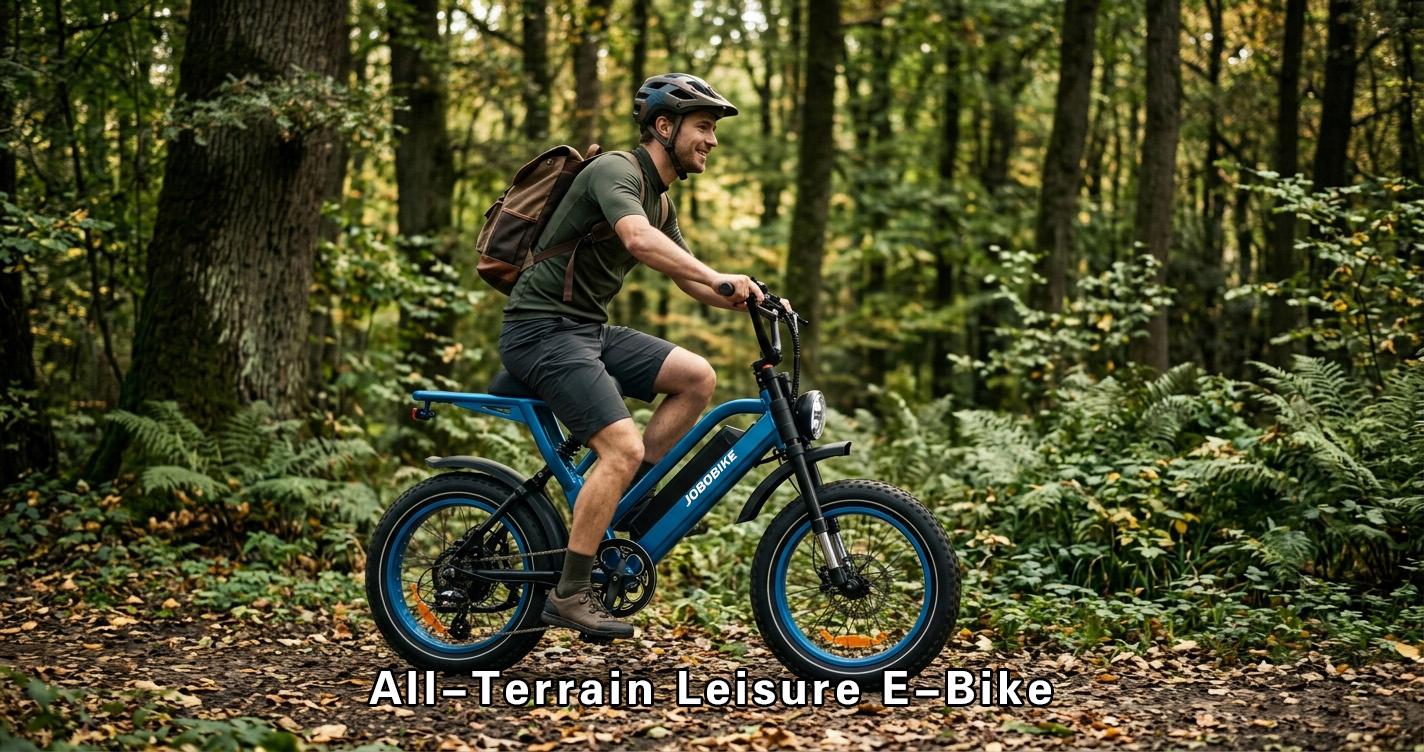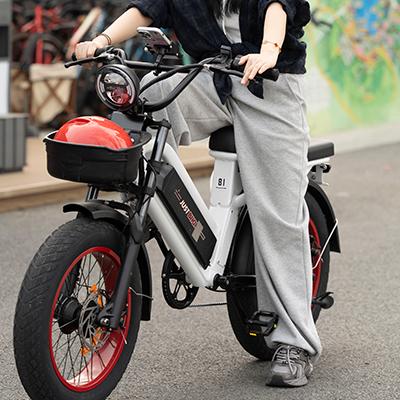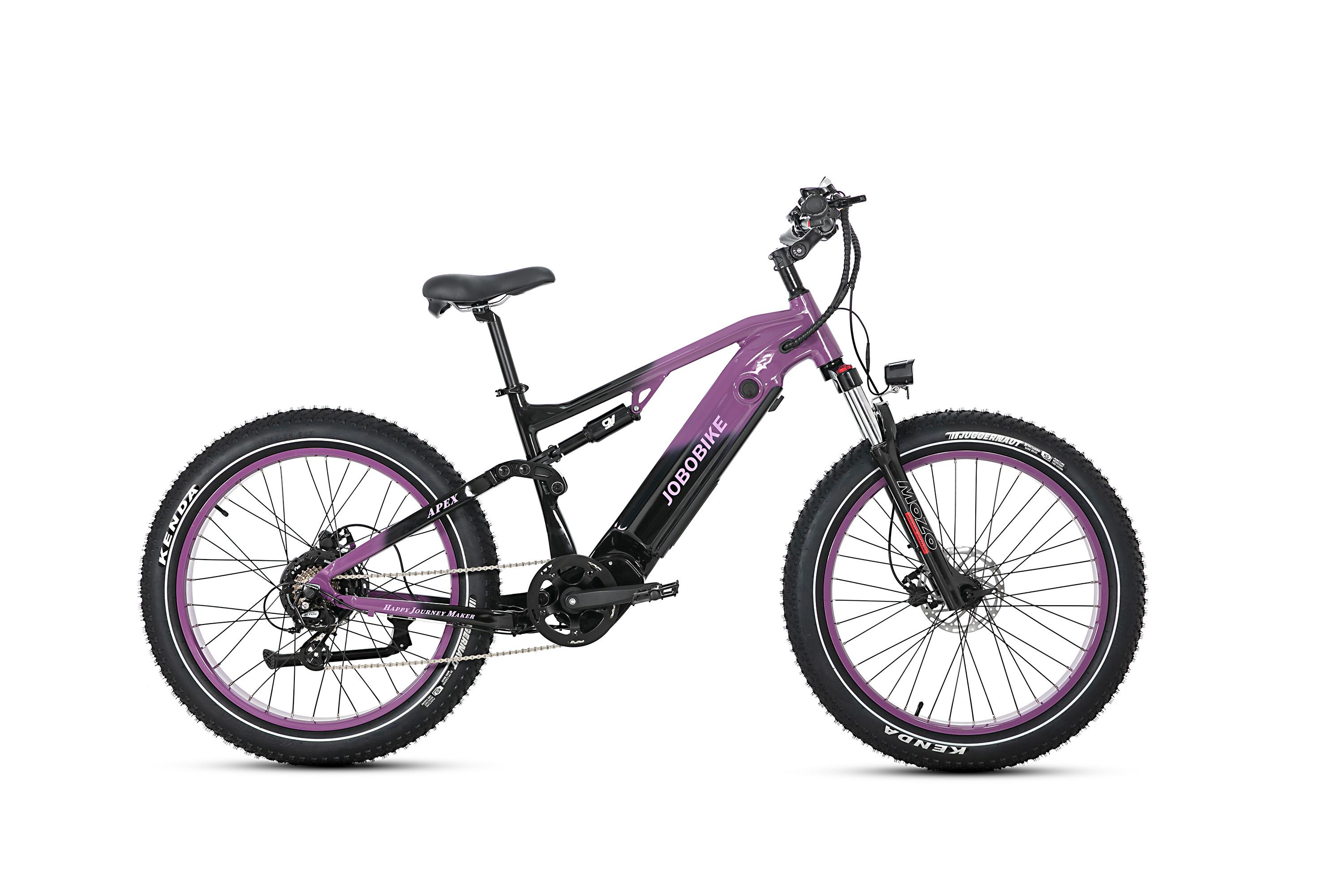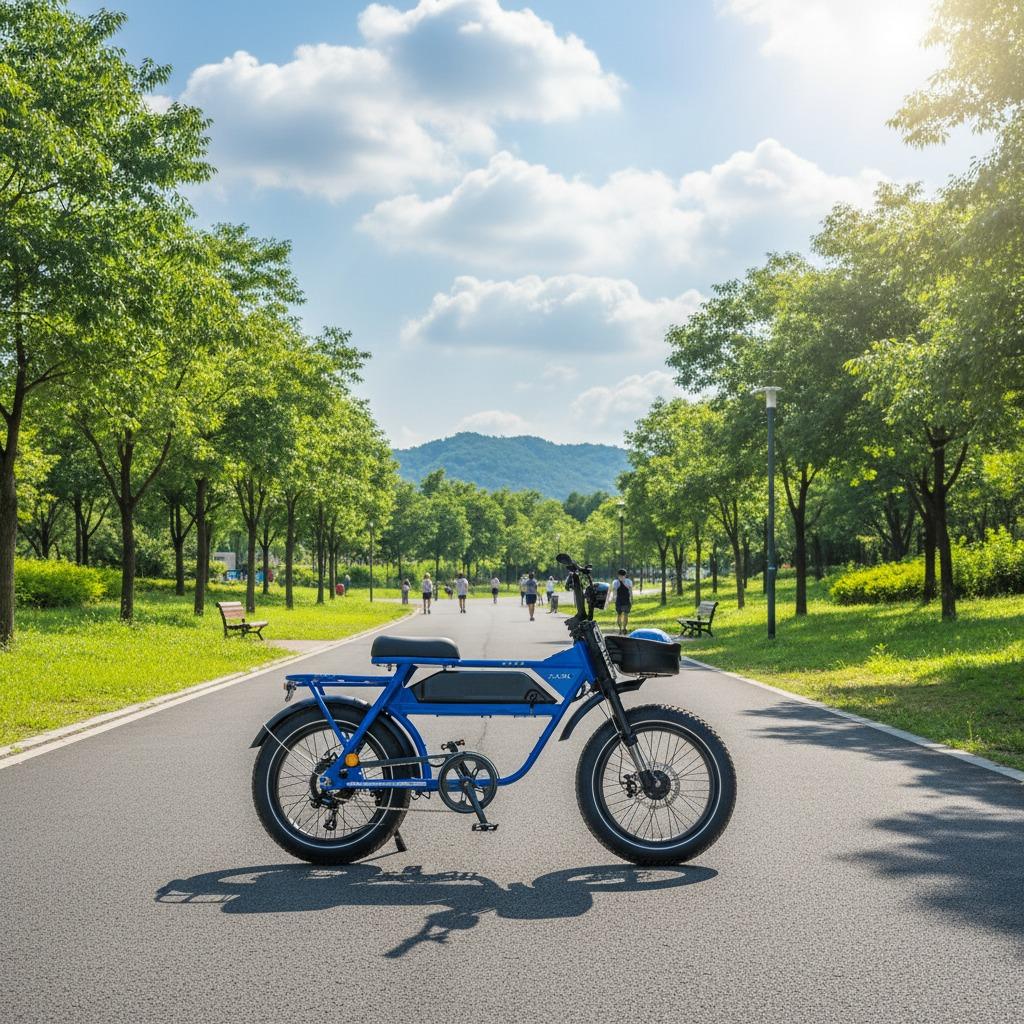
In the bustling rhythm of modern cities, the shared electric bike emerges as a beacon of convenient and eco-conscious mobility. This innovative transport option blends the thrill of cycling with the ease of electric assistance, allowing riders to glide through urban landscapes without breaking a sweat. As cities grow denser and parking becomes a nightmare, turning to a shared electric bike offers a practical escape, reducing reliance on cars and fostering a greener daily commute. Imagine unlocking a sleek ride via a simple app, pedaling effortlessly to your destination, and leaving it ready for the next user—all while contributing to a more sustainable urban environment.
What Makes Electric Bicycle Sharing Programs Transformative?
Electric bicycle sharing programs are transforming how communities connect and move, providing fleets of e-bikes stationed at key locations for easy access. These initiatives, often powered by renewable energy docking stations, cater to everyone from daily commuters to weekend explorers. Picture a vibrant morning where you grab an electric bicycle sharing bike, its battery humming softly as you zip past traffic jams. The system's app tracks your ride in real-time, ensuring seamless integration with public transit. With features like GPS navigation and secure locks, these programs prioritize safety and reliability, making shared electric bike experiences both intuitive and enjoyable. Moreover, they promote physical activity by offering adjustable pedal-assist levels, encouraging riders to engage their muscles while the motor handles the hills.
How Do Shared Bikes Build Stronger Communities?
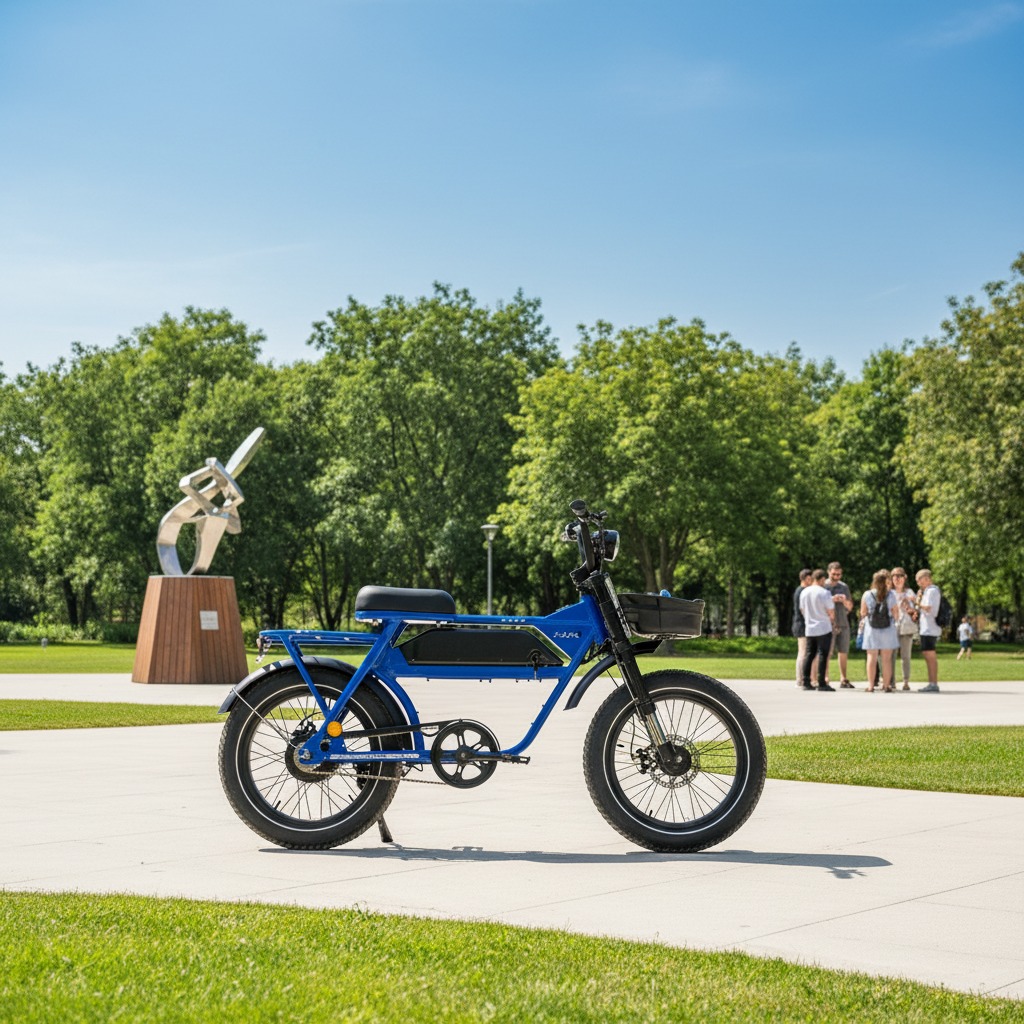
Community shared bikes weave a tapestry of connection, turning solitary commutes into opportunities for social interaction. Stations pop up in parks, near cafes, and along waterfronts, inviting locals to hop on and explore their neighborhoods anew. Envision a family outing where kids discover the joy of a shared electric bike, their laughter echoing as they cruise gentle paths. These programs not only ease traffic congestion but also spark conversations—riders chatting about routes or weather while adjusting seats for comfort. By integrating durable frames in eye-catching colors, like a striking blue that stands out against gray sidewalks, community bike share systems enhance visual appeal and encourage participation. The padded seats and rear cargo racks add practicality, allowing users to carry groceries or picnic supplies without strain.
Why Are These Bikes Key to Sustainable Transport Solutions?
Sustainable transport solutions like ride-sharing e-bikes are pivotal in the fight against climate change, slashing carbon emissions one pedal at a time. These bikes, equipped with efficient hub motors and all-terrain tires, navigate everything from smooth pavement to rugged trails with grace. The centrally mounted battery, seamlessly blending into the frame, powers rides up to 40 miles on a single charge, minimizing downtime and maximizing impact. In a world craving eco-friendly alternatives, shared electric bike networks reduce the need for fossil fuel vehicles, promoting cleaner air and quieter streets. Riders benefit from headlight-equipped handlebars for safe evening journeys, while the overall design exudes modern elegance—think sleek lines that turn heads and inspire others to join the movement.
What is the Future of Ride-Sharing E-Bikes in Urban Life?
Looking ahead, ride-sharing e-bikes promise to redefine urban living, with expansions into more neighborhoods and smart integrations like AI-optimized station placements. Community bike share efforts are evolving, incorporating user feedback to refine bike ergonomics, such as adjustable handlebars for diverse riders. The allure of electric bicycle sharing lies in its versatility: whether tackling steep inclines with motor support or enjoying a leisurely spin through green spaces, these bikes deliver freedom wrapped in sustainability. As more people embrace shared electric bike options, cities bloom with vitality—fewer cars, more smiles, and a collective step toward a healthier planet. With their robust wheels and intuitive controls, these rides aren't just transport; they're a lifestyle choice that invigorates the soul and safeguards the earth.
How Can You Develop a Shared E-Bike Fleet for Your Community?
Are you looking to launch or expand a shared electric bike program in your city or community? We are a professional e-bike manufacturer specializing in creating durable, high-performance bikes ideal for shared mobility systems. We offer comprehensive OEM and ODM services, providing full customization from frame design and motor specifications to integrated smart locks and branding. Our bikes are built for high-frequency use, safety, and ease of maintenance, supporting scalable fleet deployments. Contact us to discuss your project requirements and explore how we can partner to develop a reliable and sustainable shared e-bike solution tailored to your needs.