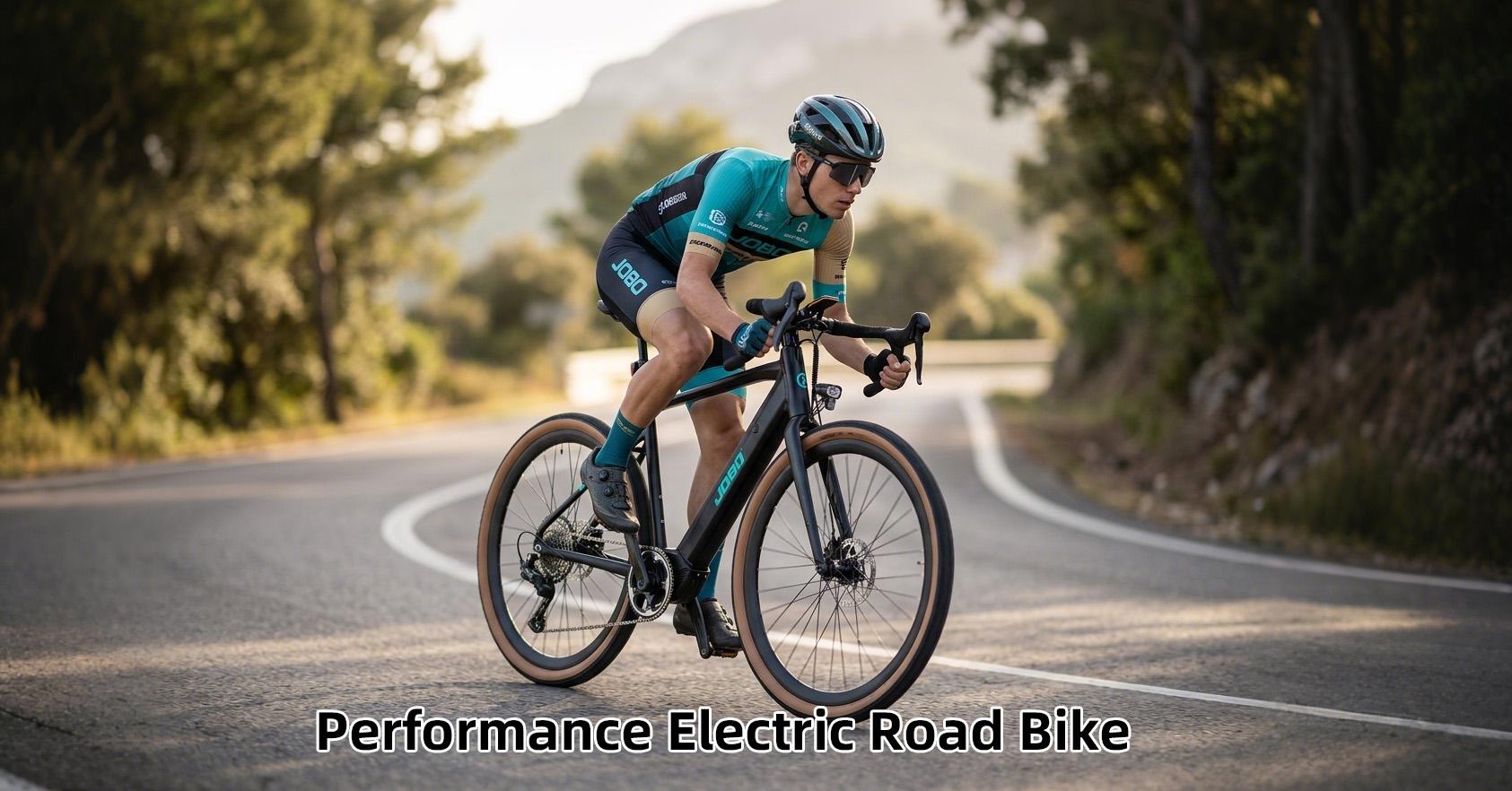
Electric road bikes are designed to combine the speed and aerodynamic efficiency of traditional road cycling with the added support of modern pedal-assist technology. In real-world use, they significantly reduce rider fatigue, extend travel range, and make both urban commuting and multi-hour endurance riding more accessible than ever.
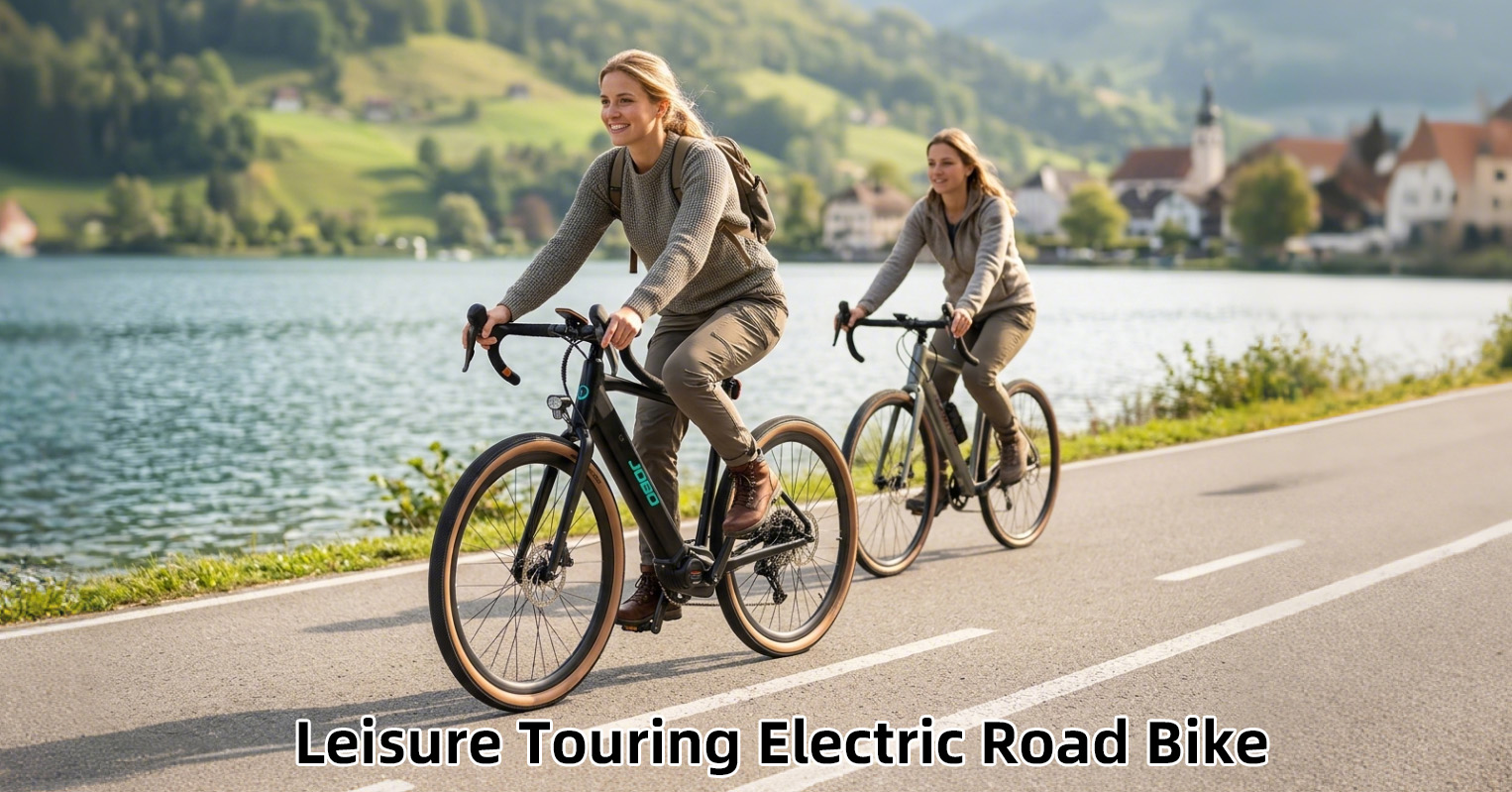
Quick Answer: What Is an Electric Road Bike Best For?
- Best use cases: Long-distance riding, urban commuting, endurance cycling
- Motor type: Mid-drive systems for better torque and efficiency
- Frame design: Lightweight aluminum or carbon fiber geometry
- Key advantage: Reduced physical strain with maintained riding performance
In short, an electric road bike allows riders to go further, ride longer, and maintain higher average speeds without hitting the physical “wall” of exhaustion.
At a Glance: How Electric Road Bikes Compare
To help you understand where the electric road bike fits into the cycling world, here is a direct comparison of its performance against traditional road bikes and standard e-city bikes.
|
Feature |
Electric Road Bike (E-Road) |
Traditional Road Bike |
Electric City Bike (E-City) |
|
Average Weight |
10kg – 20kg (Lightweight) |
7kg – 10kg (Ultra-light) |
20kg – 30kg (Heavy) |
|
Primary Goal |
Efficiency & Distance |
Pure Physical Performance |
Utility & Short Commutes |
|
Climbing Ability |
Effortless (Motor Assisted) |
High Effort Required |
Moderate (Heavy Frame) |
|
Commute Status |
Fast, Sweat-Free, Agile |
Physically Demanding |
Steady, Utility-focused |
|
Handling/Feel |
Nimble & Responsive |
Most Agile |
Stable but Bulky |
|
Range (Typical) |
80km - 120km (Assisted) |
Dependent on Fitness |
40km - 80km |
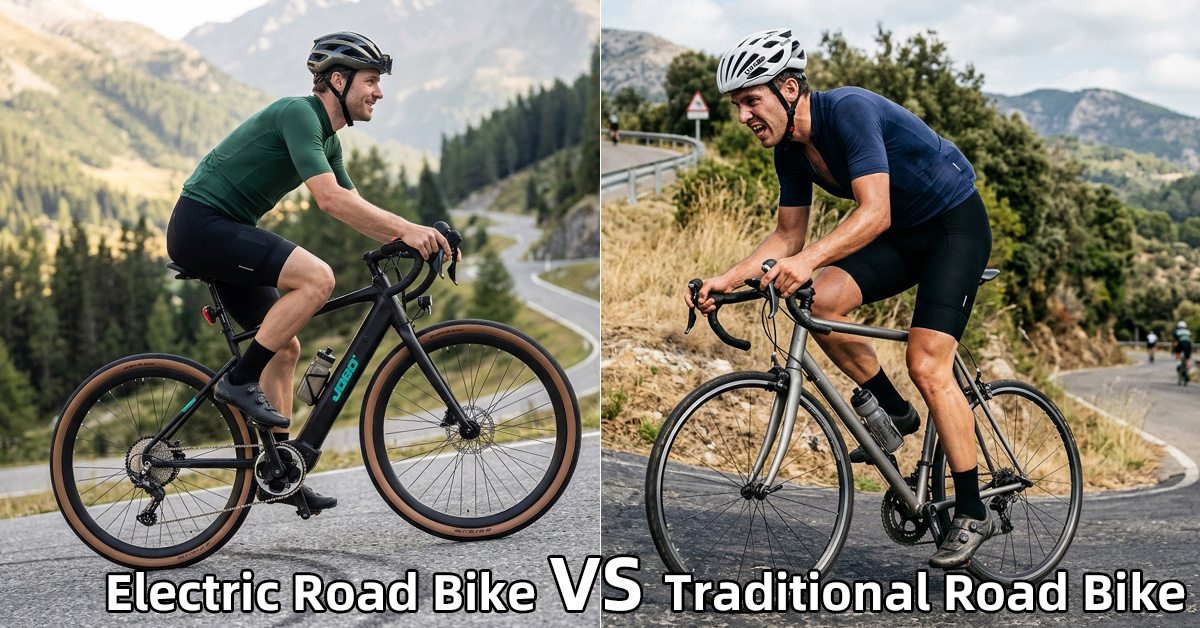
Why Electric Road Bikes Are Different from Traditional Road Bikes
Unlike conventional road bikes, electric road bikes integrate a compact motor and stealthy battery system that supports pedaling rather than replacing it.
The key difference is not purely top speed—it is efficiency and sustainability of effort.
A well-designed pedal-assist system (especially one using a torque sensor) delivers power synchronously with your legs. This feels incredibly natural, especially when you are:
- Climbing 10%+ gradient hills
- Pedaling into brutal headwinds
- Accelerating from a complete stop at traffic lights
This makes electric road bikes the ultimate tool for riders who want high performance without overexertion.
Real-World Use Cases of Electric Road Bikes
1. Long-Distance Road Riding (Endurance)
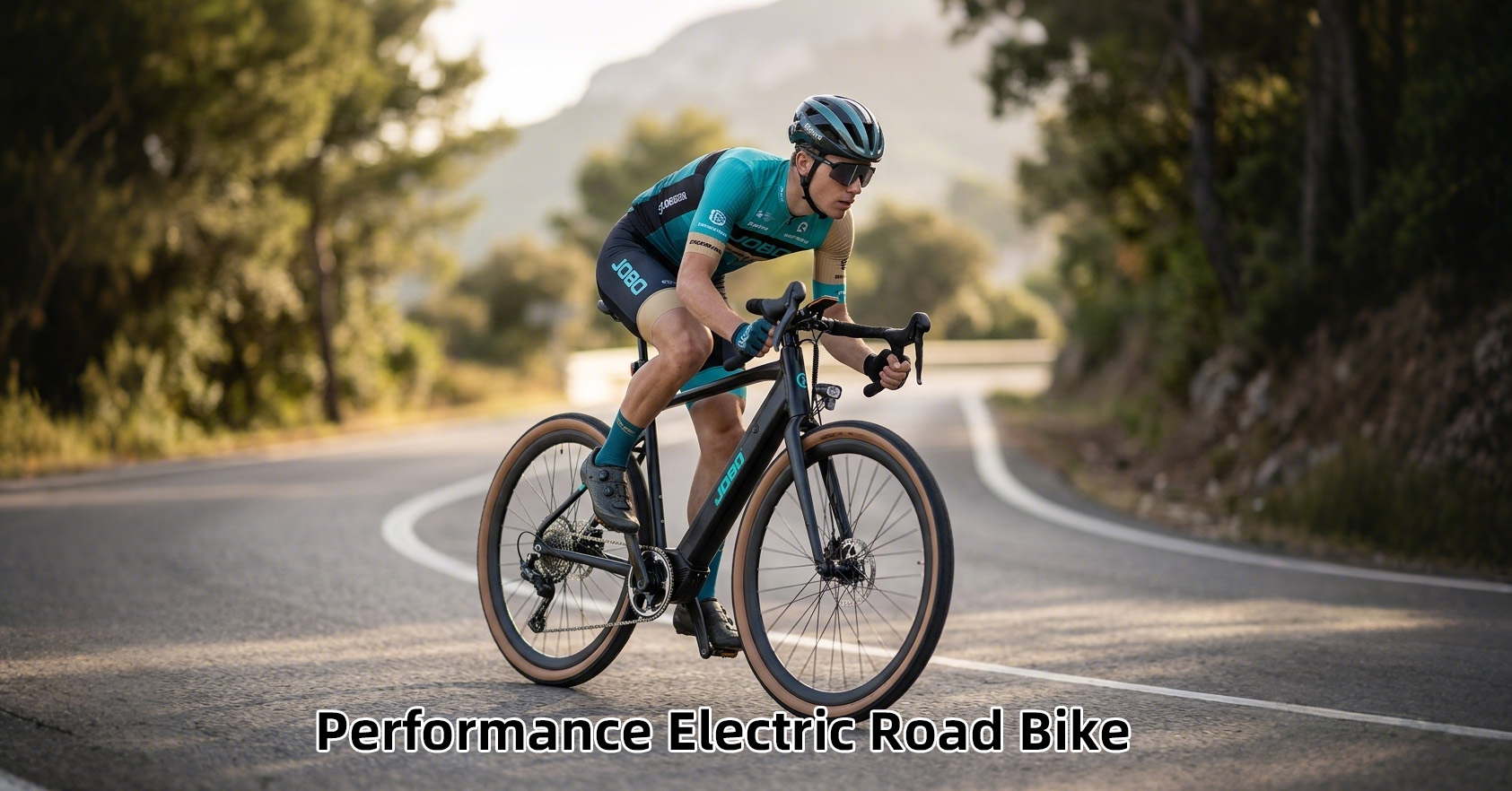
For endurance riders, muscular fatigue and unpredictable headwinds are the biggest limiting factors. Electric road bikes address this directly.
With smart pedal assistance, riders can maintain a steady cadence (typically 80-90 RPM) over extended distances. An efficient mid-drive motor improves torque transfer, making uphill sections feel like flat roads.
- The Result: A route that used to drain you at kilometer 60 now feels comfortable up to kilometer 100+, with zero performance drop-off in the final miles.
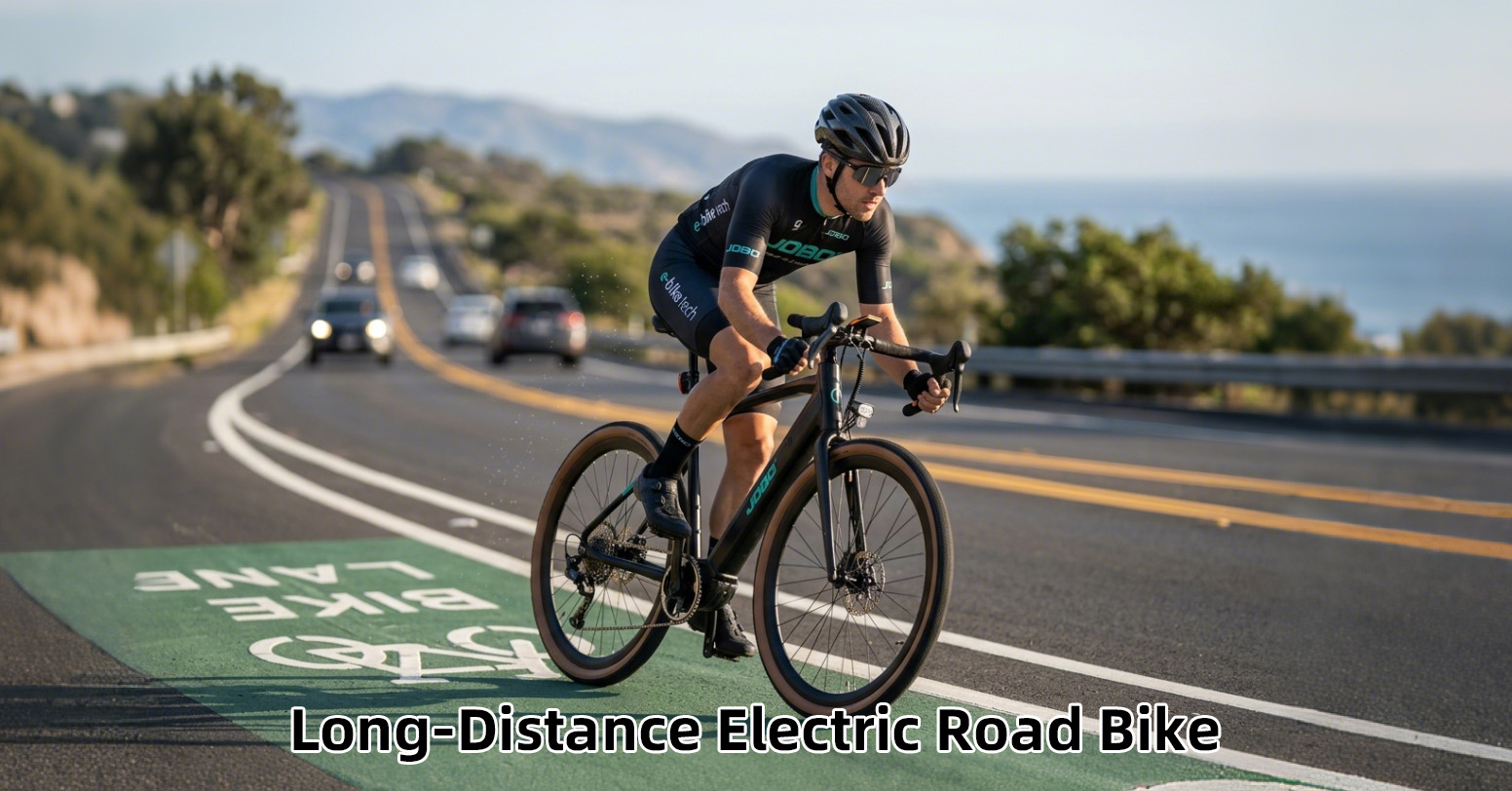
2. Urban Commuting
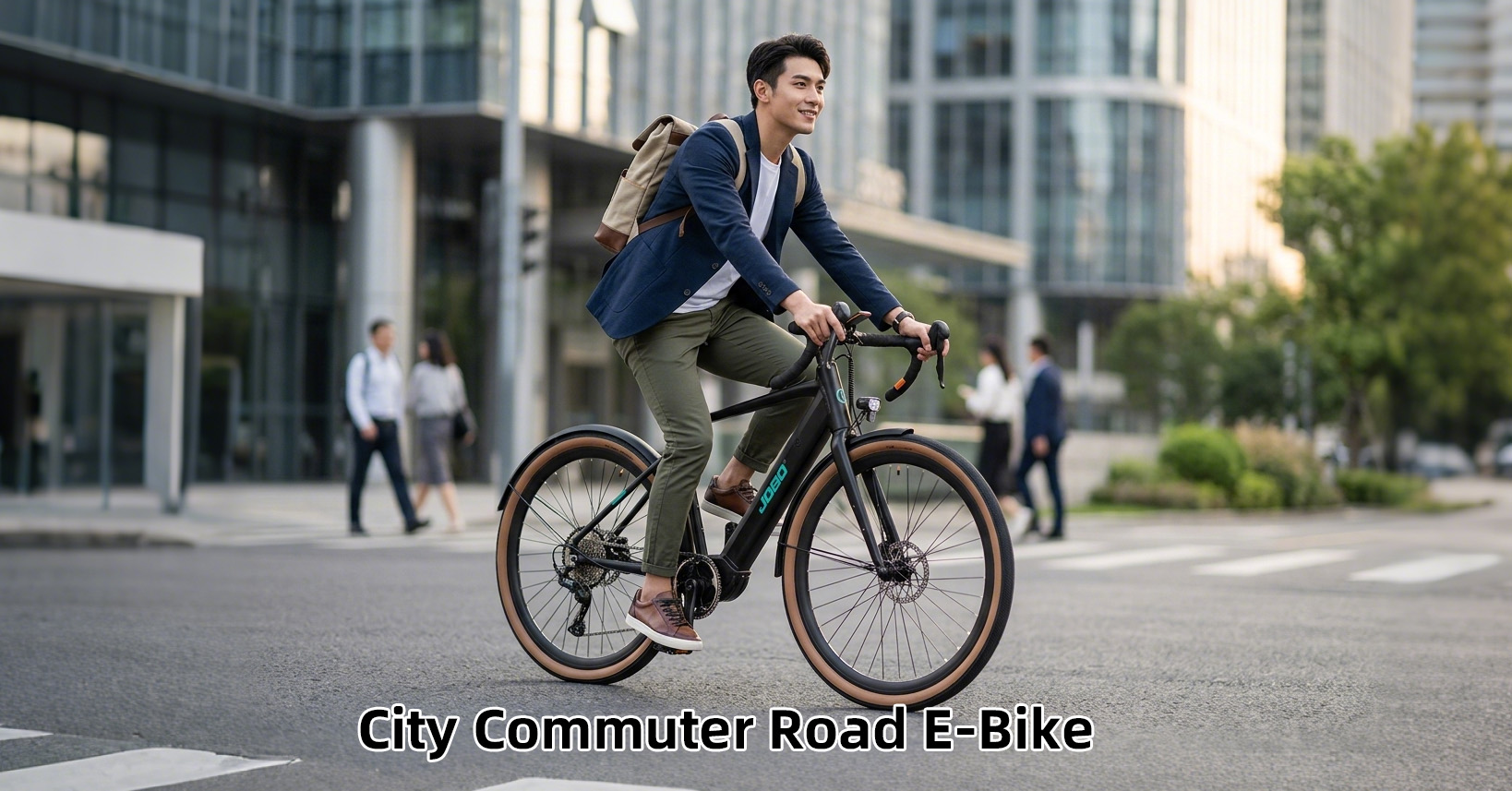
In city environments, electric road bikes offer a highly practical, fast, and agile alternative to cars, public transport, or heavy commuter e-bikes.
The biggest advantage for professionals? You can arrive at the office without needing a shower.
- The electric assist takes the sweat out of stop-and-go traffic and bridge climbs.
- The lightweight frame ensures agility in bike lanes, unlike bulky standard e-bikes.
- The Result: Predictable travel times, reduced reliance on traffic conditions, and a stress-free start to the workday.
3. Fitness and “Zone” Training
A common misconception is that electric bikes “do all the work.” In reality, they are phenomenal tools for Zone 2 (aerobic) heart rate training. Instead of your heart rate spiking into the red zone during a steep climb, you simply increase the motor support to stay within your target fat-burning zone.
4. Group Riding and Weekend Cycling
Group rides often create frustrating gaps between riders of different fitness levels. Electric road bikes act as the great equalizer.
- Keep up with faster, younger riders effortlessly.
- Focus purely on the social experience and the scenery rather than gasping for air.
Key Technologies Behind High-Performance Electric Road Bikes
Mid-Drive Motor Systems
Mid-drive motors are the gold standard. By delivering power directly through the drivetrain and using torque sensors, they provide:
- Optimal center of gravity and balance.
- Smooth, jerk-free acceleration.
- Maximum climbing efficiency compared to hub motors.
Lightweight Frame Engineering
A heavy bike ruins the road cycling experience. High-quality e-road bikes utilize optimized aluminum alloys or carbon fiber to hide the battery within the downtube, keeping the total weight frequently under 15kg.
What to Look for in a Reliable Electric Road Bike Manufacturer
If you are a brand, distributor, or a discerning buyer, looking under the hood of the manufacturing process is crucial:
- Strict Compliance: Ensure components meet global safety standards, such as EN15194 (EU) or UL (US) certifications.
- System Integration: The manufacturer must expertly coordinate frame geometry with motor placement to avoid a “clunky” ride.
- Precision Manufacturing: High-speed road safety requires elite welding techniques and carbon layup expertise.
- IoT Readiness: Ability to integrate App-connectivity and GPS modules for modern smart-mobility needs.

Contact & OEM Support
-
📞 Phone: +86 198 8486 5613
-
📧 Email: info@jobobikes.com / sale09@jobobikes.com
-
🌐 Website: https://www.joboev.com
FAQ: Electric Road Bikes
Are electric road bikes good for long-distance riding?
Yes. With batteries ranging from 250Wh to 500Wh, they offer 60-120km of range. They drastically reduce late-ride fatigue, making multi-hour rides accessible to everyone.
How fast can an electric road bike go?
In the EU, motor assistance cuts off at 25 km/h; in the US, it’s 20-28 mph. However, because these bikes are lightweight, you can easily pedal faster than the motor limit using your own strength.
Is an electric road bike suitable for fitness?
Absolutely. You can ride with zero assist for a tough workout, or use high assist on “active recovery” days to keep your heart rate stable.
Final Thoughts
Electric road bikes are not a replacement for traditional cycling—they are a stunning evolution. By marrying the aggressive geometry of an analog road bike with the intelligence of modern pedal assistance, they eliminate the barriers of headwinds and exhaustion.
Whether you are an endurance athlete or a city commuter, the electric road bike represents the ultimate balance of human effort and engineered capability.