Small electric tricycles (e-trikes) are rapidly becoming one of the most practical micro-mobility solutions globally. Combining the agility of a bicycle with the payload capacity of a small van, these three-wheeled electric vehicles offer unmatched stability and zero-emission operations.
Whether for a last-mile delivery fleet in a busy European capital, a mobile coffee business, or agricultural transport, small electric tricycles provide an exceptional return on investment (ROI). This guide explores high-value real-world applications and key drivetrain comparisons to help distributors and B2B buyers choose the right fleet.
Top 5 Use Cases for Small Electric Tricycles
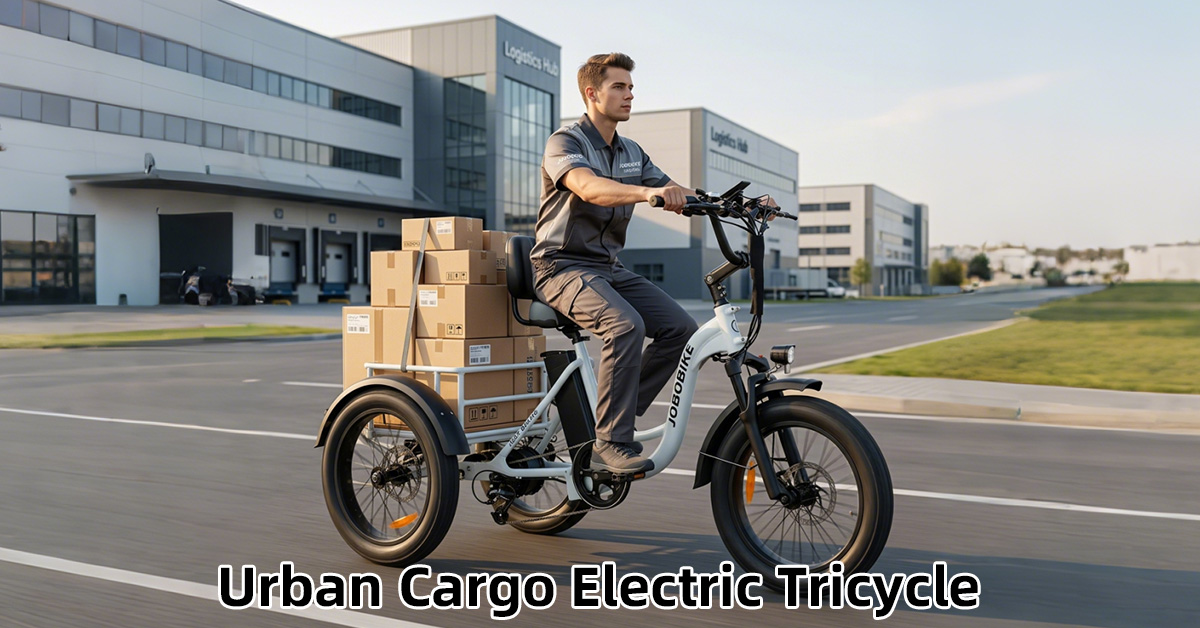
1. Urban Cargo & Last-Mile Delivery
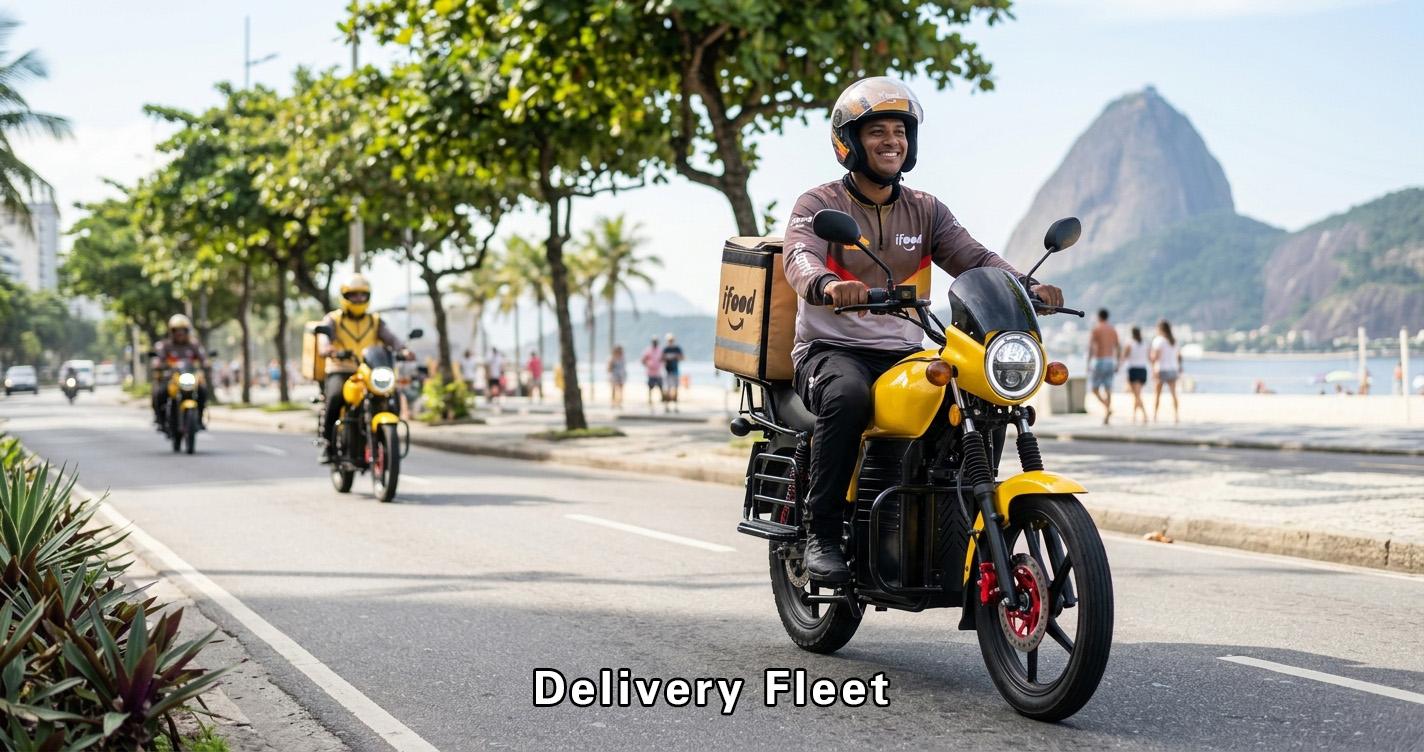
In heavily congested cities operating under Low Emission Zones (LEZ), electric cargo tricycles are replacing traditional diesel delivery vans.
- Performance Metrics: Many commercial e-trikes support payloads of 150 kg to 300 kg (330–660 lbs).
- Why Builders Choose Them: They feature a narrow wheelbase designed to navigate narrow bike lanes and congested streets. They eliminate parking fines and fuel costs, making them the ultimate tool for package distribution, food delivery, and warehouse-to-store logistics.
2. Family Utility & Senior Transport
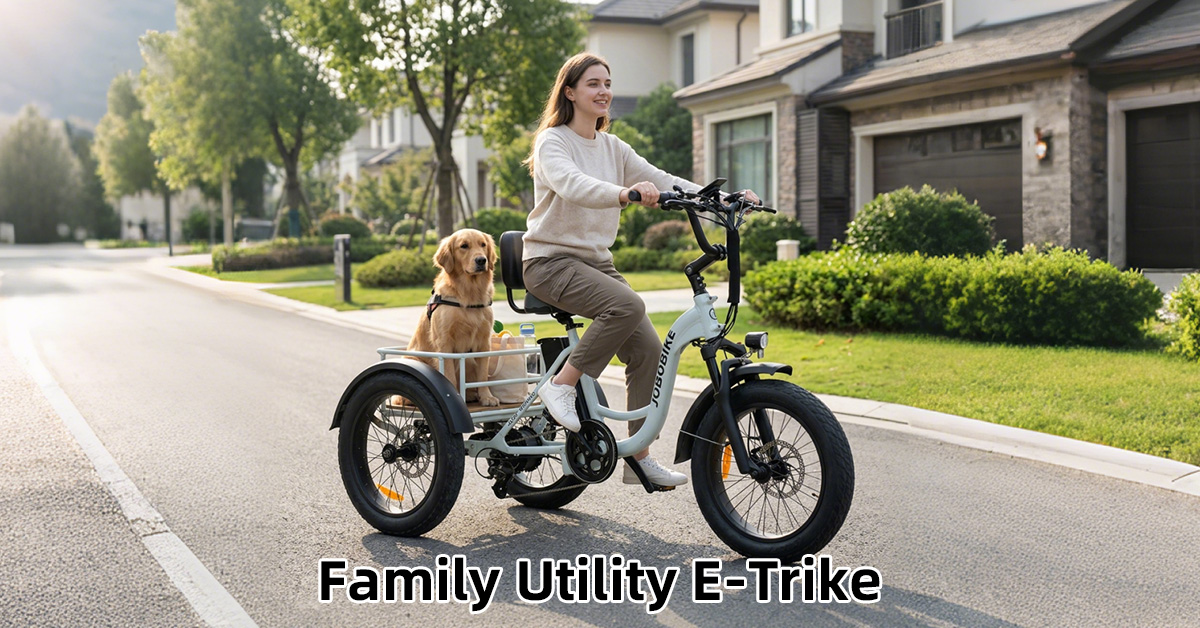
For residential users, especially the elderly, two-wheeled e-bikes can pose a balancing risk. Small e-trikes eliminate this issue entirely.
- Performance Metrics: Step-through frames and lower center-of-gravity designs ensure safety.
- Why Families Choose Them: Riders can easily carry a week’s worth of groceries or safely transport pets in the rear cargo basket. They require zero balancing skills, making short-distance community commutes stress-free for all ages.
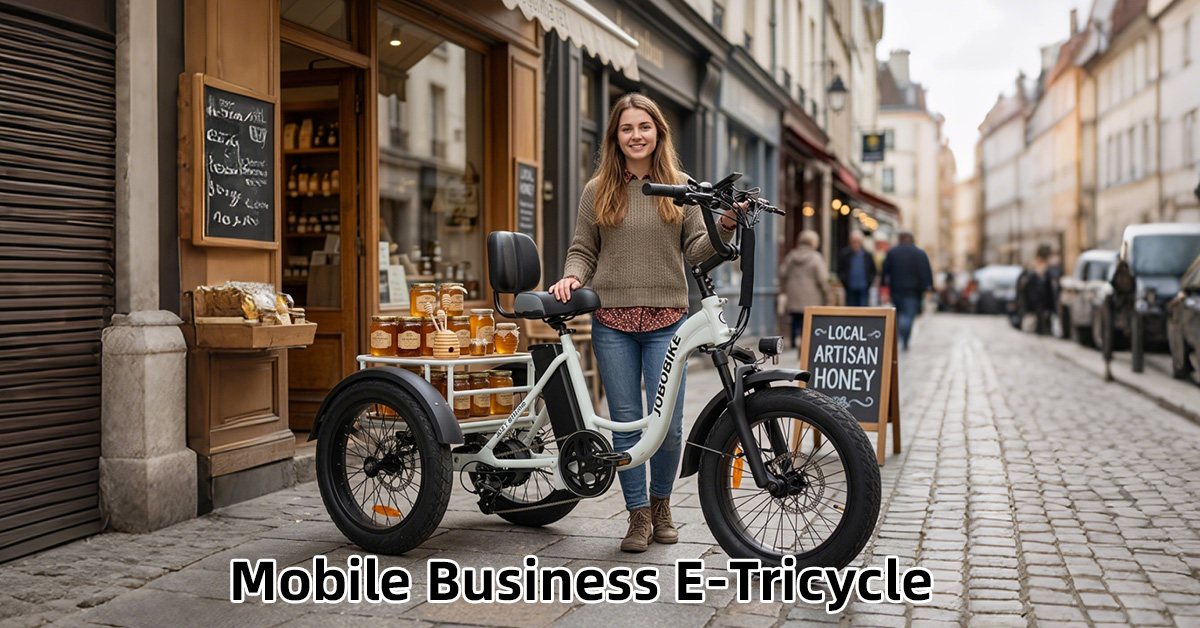
3. Mobile Business & Pop-Up Retail
Entrepreneurs are leveraging heavy-duty e-tricycles as mobile storefronts, drastically reducing brick-and-mortar rental costs.
- Performance Metrics: Commercial e-trikes can be customized with insulated boxes or power inverters for equipment.
- Why Businesses Choose Them: From street-side coffee carts and ice cream vendors to pop-up florist shops, e-trikes can enter pedestrian-only tourist zones and commercial streets where traditional food trucks are banned.
4. Farm Utility & Agricultural Logistics
In rural environments, small electric tricycles serve as light-duty, silent tractors.
- Performance Metrics: Equipped with fat tires, robust suspension systems, and high-torque motors, they can conquer uneven dirt roads.
- Why Farmers Choose Them: They are perfect for carrying heavy bags of feed, moving harvested crops, or doing daily perimeter checks without the noise and fuel expenses of an ATV or gas-powered tractor.
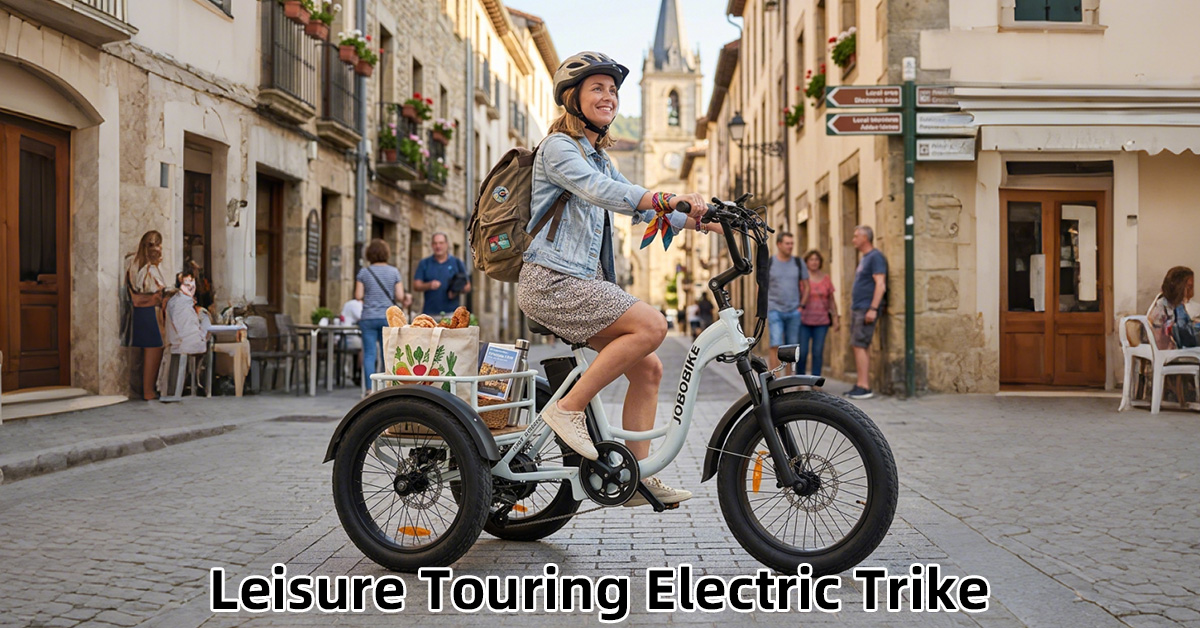
5. Leisure Touring & Resort Rentals
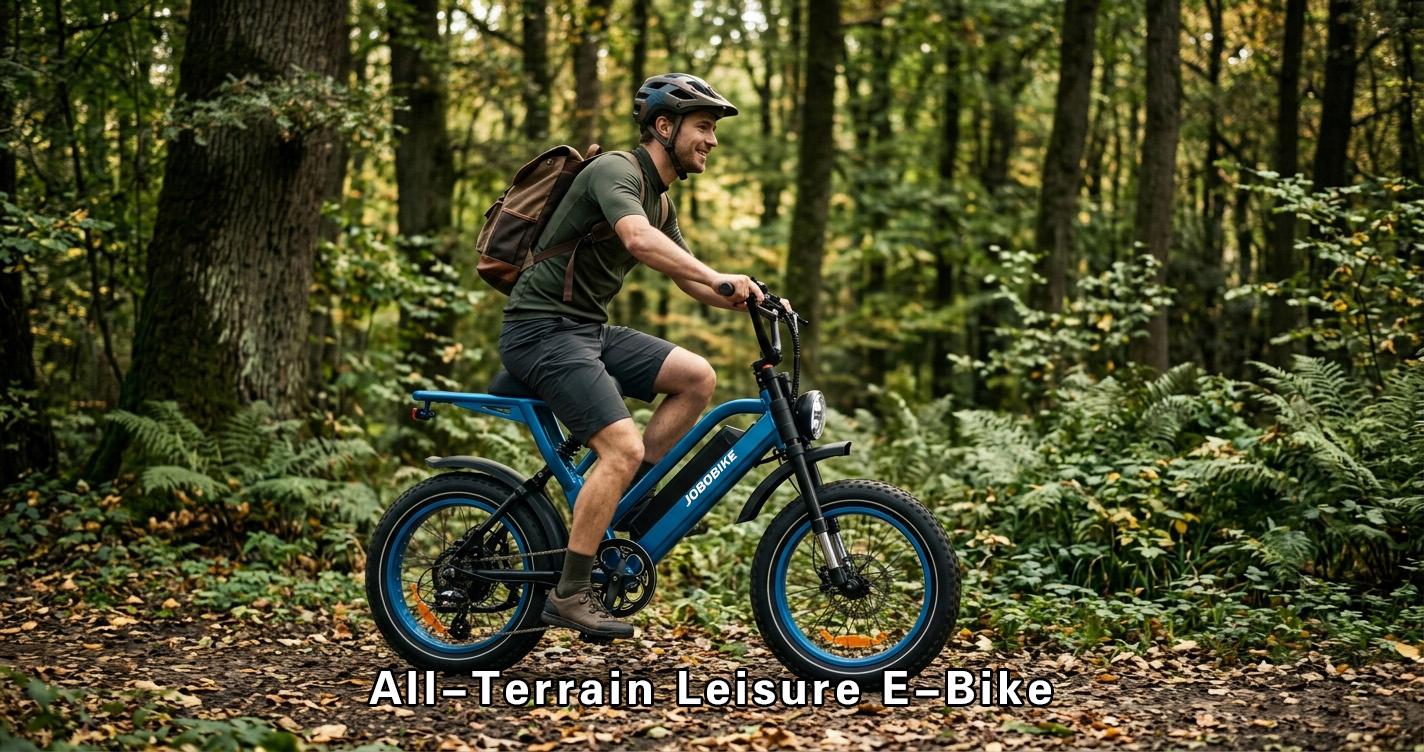
Tourist destinations, eco-resorts, and huge industrial campuses use e-trikes for internal mobility.
- Performance Metrics: Battery ranges of 60–80 km allow for all-day rental operation.
- Why Fleets Choose Them: The comfortable upright riding posture and high stability mean any tourist—regardless of their cycling experience—can safely rent and enjoy the vehicle along coastal paths or scenic parks.
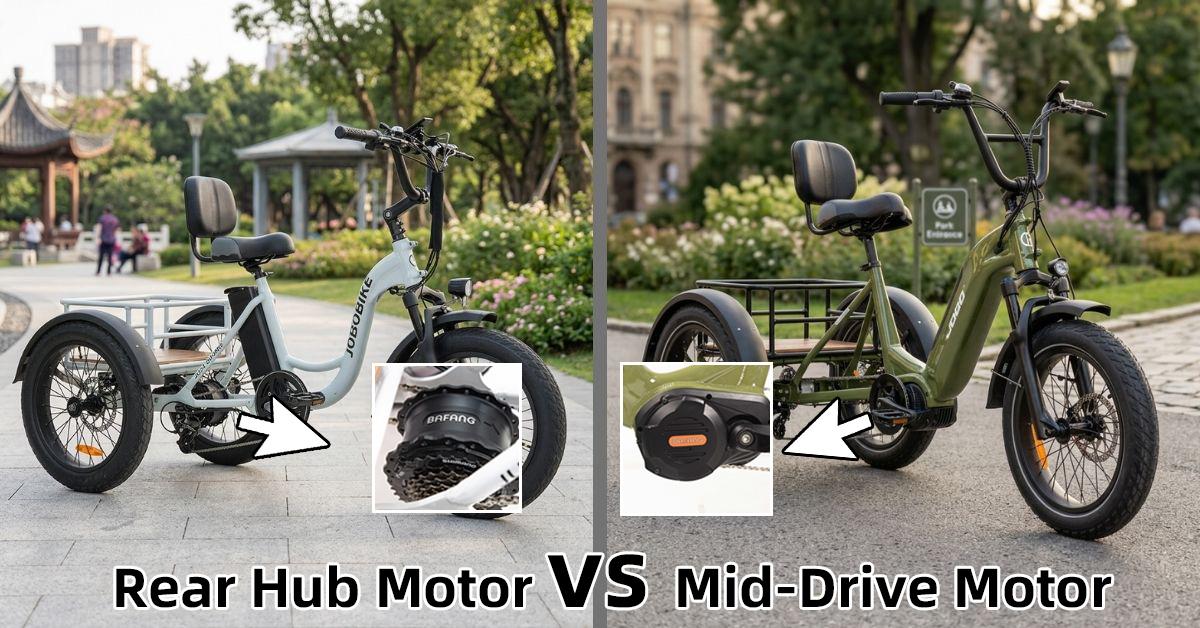
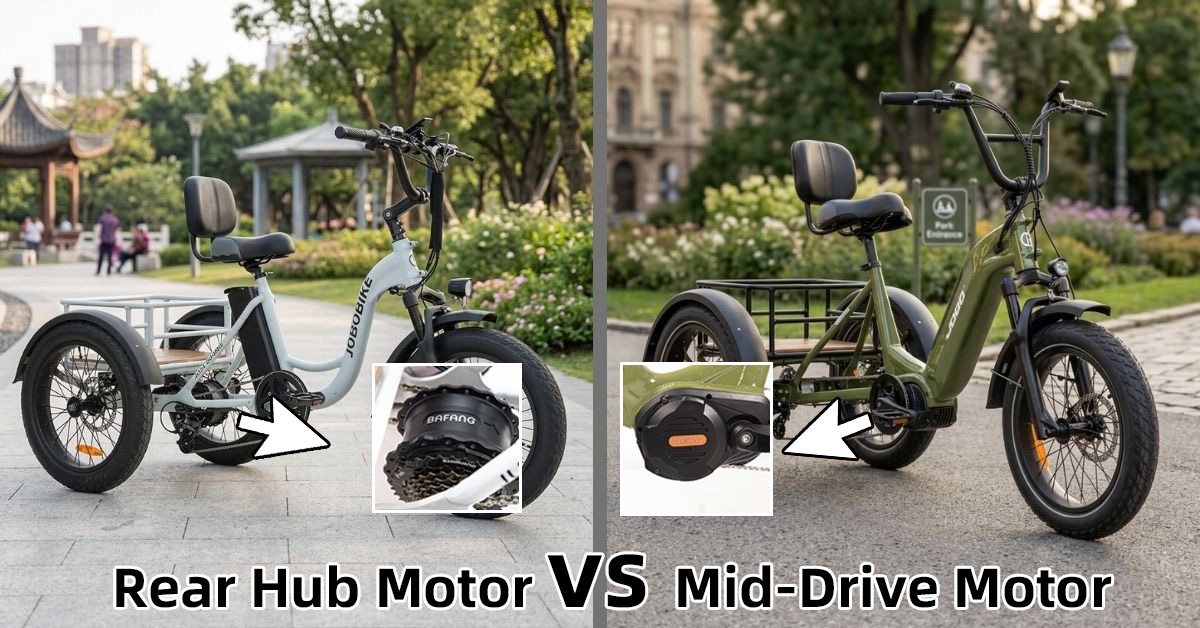
Technical Guide: Rear Hub Motor vs. Mid-Drive Motor
For B2B buyers and fleet operators, selecting the right powertrain is the most critical decision. It directly impacts load capacity and terrain suitability.
| Feature / Metric | Rear Hub Motor E-Trikes | Mid-Drive Motor E-Trikes |
|---|---|---|
| Ideal Terrain | Flat urban roads & paved communities | Steep hills, farms & off-road trails |
| Max Torque | Moderate (typically 45–65 Nm) | Very High (up to 80–120+ Nm) |
| Load Performance | Standard payload (grocery/city delivery) | Heavy duty (commercial cargo/farming) |
| Maintenance & Cost | Lower cost, simple to replace | Higher upfront cost, requires chain maintenance |
| Best Application | Urban deliveries, elderly commuters | Agricultural use, heavy cargo logistics |
Why Source from a Premium E-Tricycle Manufacturer?
As the global demand for micro-mobility expands, distributors and fleet operators need reliable OEM/ODM manufacturing partners. A professional manufacturer ensures:
Modular Customization: Interchangeable rear cargo boxes, flatbeds, or passenger seats based on market demands.
Durable Chassis Engineering: Reinforced steel or aluminum alloy frames built to withstand years of daily commercial abuse.
Global Compliance: Strict quality control ensuring CE, EN15194, or UL certifications for seamless import into European and North American markets.

Contact & OEM Support
-
📞 Phone: +86 198 8486 5613
-
📧 Email: info@jobobikes.com / sale09@jobobikes.com
-
🌐 Website: https://www.joboev.com
Frequently Asked Questions (FAQ)
How much weight can a small electric tricycle safely carry?
Standard consumer e-trikes can carry around 120–150 kg (including the rider). However, commercial and heavy-duty cargo e-trikes feature reinforced frames that can support payloads of up to 250 kg to 300 kg, making them ideal for logistics and farming.
Are electric tricycles better for elderly riders than electric bicycles?
Yes. Electric tricycles offer strict stability due to their three-wheel base. They do not require the rider to balance, and they usually feature an ultra-low step-through frame, making mounting and dismounting extremely safe for seniors or individuals with limited mobility.
Can I customize the cargo box for my business fleet?
Absolutely. Specialized manufacturers offer OEM/ODM services. Buyers can order customized rear platforms—such as insulated food delivery boxes, lockable parcel cabinets, or flatbeds—to perfectly match the specific needs of their business operations.