
Opening New Markets: How Licensed E-Bike Exports Drive Global Growth
For businesses expanding into international e-bike markets, the challenge is rarely just manufacturing enough units—it’s about making sure every bike meets the legal, technical, and branding requirements of the destination country. Failure to comply with licensing or certification rules can delay launches, incur fines, and damage brand trust.
At Jobo, we specialize in licensable e-bike exports, ensuring that every shipment leaves our EU assembly line fully certified, ready for customs clearance, and aligned with your brand strategy.
Why Licensing and Certification Matter in E-Bike Exports
-
Market Entry Compliance – Countries have specific regulations on motor wattage, speed limits, and safety features. Without proper licensing, entry can be denied.
-
Brand Reputation Protection – Certified products show customers and authorities that you meet global safety and performance standards.
-
Faster Customs Processing – Proper documentation speeds up import clearance and reduces storage fees.
-
Long-Term Market Stability – Meeting local regulations from day one prevents costly retrofits or recalls.
How Jobo Supports Licensable E-Bike Exports
-
EN15194 Certification – All models meet EU standards, with adaptations for target markets such as the UK, Australia, or North America.
-
OEM Customization – Adjustments to specs, labeling, and branding to match local legal requirements and consumer preferences.
-
EU-Based Assembly – Facilitates compliance with regional trade agreements and simplifies export logistics.
-
Documentation Support – Full export documentation including certificates, test reports, and manuals in the destination language.
-
Logistics Coordination – Partner freight solutions for air, sea, or rail transport, with container optimization for bulk orders.
Real-World Applications
-
Retail Chains Entering New Regions – Launch compliant e-bike lines with minimal delay.
-
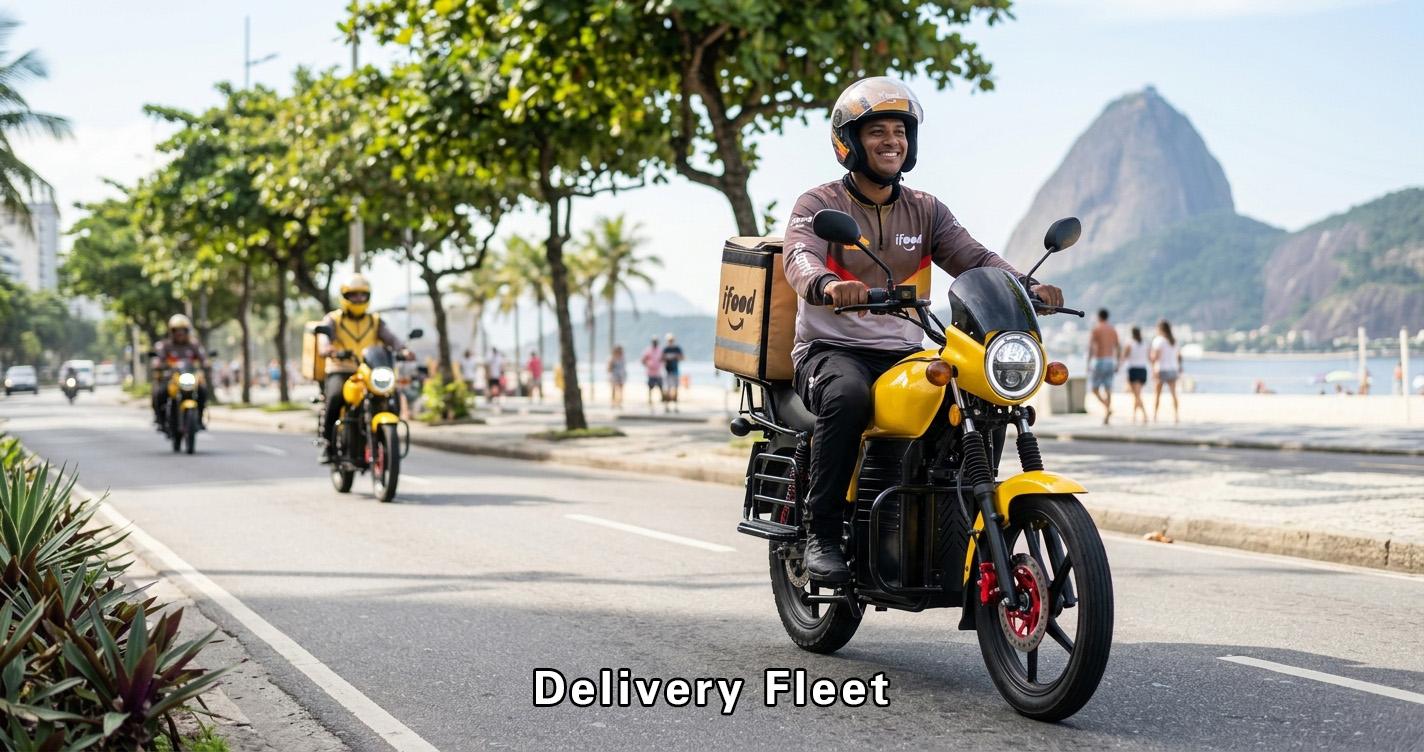
Fleet Operators Expanding Internationally – Move from a domestic base to multi-country operations.
-
Brand Licensing Deals – Produce and export e-bikes under licensing agreements for foreign partners.
-
Distributors Seeking Exclusive Models – Secure market-ready designs with region-specific adaptations.
Strategic Recommendations for Smooth E-Bike Exports
-
Research Target Market Rules Early – Engage with your OEM partner before finalizing designs.
-
Bundle Certifications with the Shipment – Avoid customs delays with full documentation on hand.
-
Adapt Branding Strategically – Ensure your visual identity fits local cultural and legal expectations.
-
Plan for After-Sales Support – Identify service partners or stock spare parts locally.
Frequently Asked Questions
Q: Can Jobo adapt models for different market regulations?
Yes. We can adjust speed limits, motor power, labeling, and lighting to meet specific regional rules.
Q: Do you handle export documentation?
Absolutely. We provide certificates, manuals, and compliance documents for customs and local authorities.
Q: Can I export under my own brand?
Yes, our OEM service ensures all branding, packaging, and labeling match your identity while meeting legal requirements.
Go Global with Jobo’s Licensed E-Bike Export Service
Expanding internationally requires more than a good product—it demands compliance, precision, and market readiness. With Jobo’s OEM expertise, EU-based assembly, and certification support, your e-bikes arrive ready to sell, no matter where they’re headed.
-
Learn more about our export-ready OEM e-bikes
-
Contact our team to plan your licensed export project