
Why Lightweight E-Bike OEM Partnerships Are Gaining Ground

Why Lightweight E-Bike OEM Partnerships Are Gaining Ground

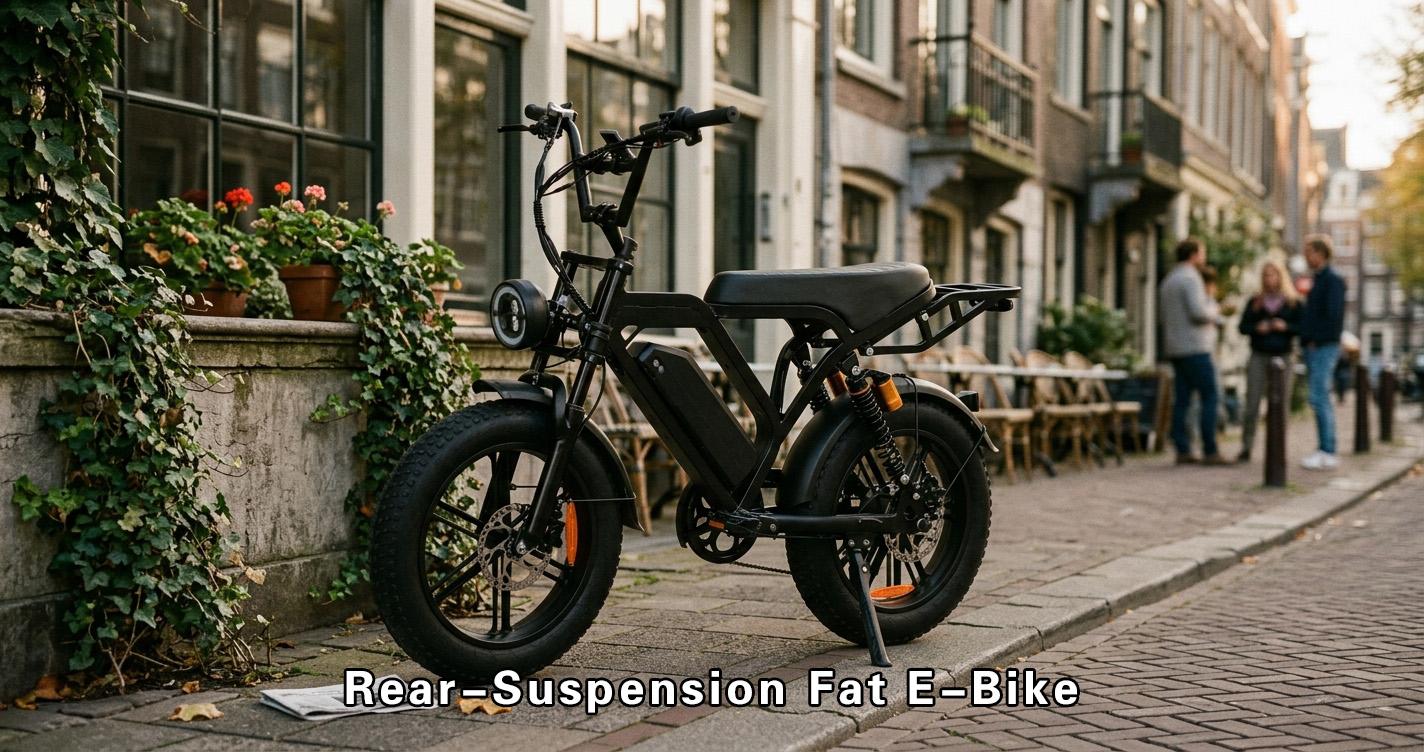
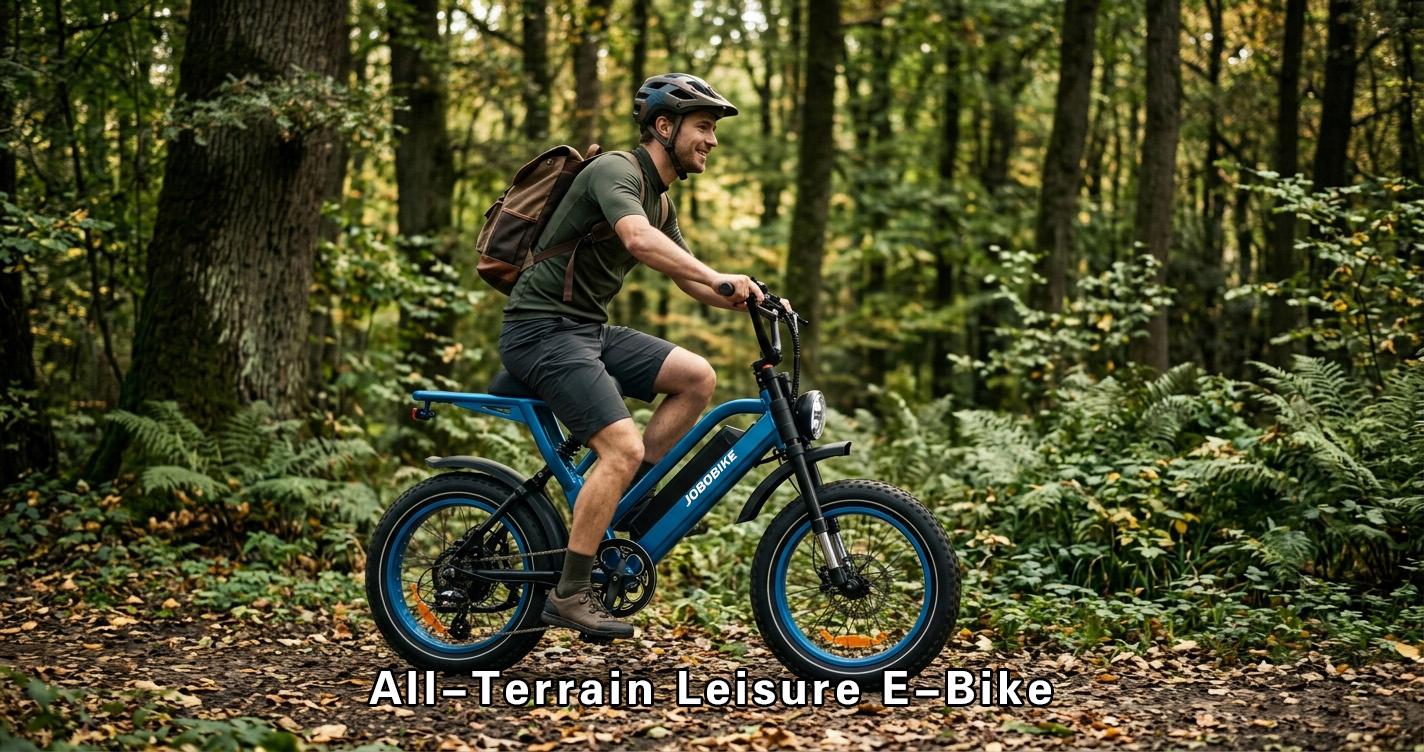
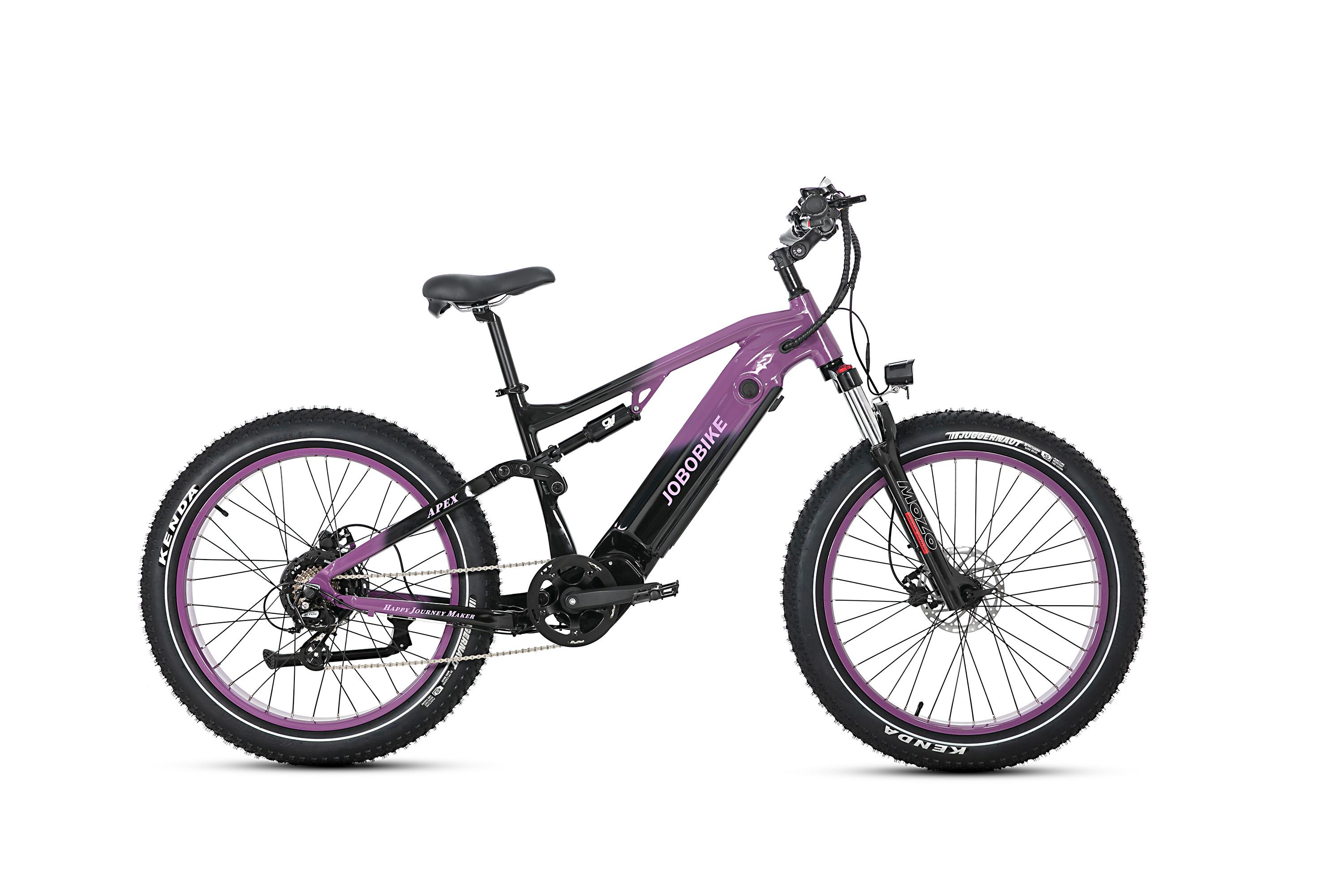
OEM-branded lightweight Jobo e-bikes lined up at EU assembly hub

Why Lightweight E-Bike OEM Partnerships Are Gaining Ground

Urban riders today aren’t just looking for range—they’re looking for agility, storage ease, and stylish design. For OEM brands, the shift toward lightweight e-bikes is a clear signal: performance must come in a compact, commuter-friendly form.

At Jobo EV, we help our OEM partners develop light, CE-certified e-bikes that blend convenience, aesthetics, and market scalability.

Lightweight Doesn’t Mean Low Power

Our OEM-ready models maintain essential specs while reducing unnecessary bulk:

  • ⚡ 250W hub motors with smooth torque control

  • 🔋 Removable lithium batteries (36V/48V) that remain compact

  • 🪶 Frame weights under 20kg, ideal for stairs, trains, and folding storage

  • 🚲 Geometry designed for upright comfort without excess materials

Ideal for These Markets

  • City commuters: Professionals looking to ditch the car

  • Rental operators: Needing durable yet portable fleet bikes

  • Lifestyle brands: Launching minimalist, sleek designs

  • Tech brands: Adding smart features to light e-bike frames

  • OEMs expanding into e-mobility: Without reengineering from scratch

Our models serve both D2C markets and branded B2B platforms across Europe and North America.

Smart OEM Planning: 5 Things to Decide Early

If you're developing your own lightweight e-bike, here’s what to finalize before prototyping:

  1. Frame style & material: Step-through? Folding? Hydroformed alloy or carbon blend?

  2. Motor specs: Front or rear hub? EU max power compliance?

  3. Battery placement: Integrated vs removable, under saddle vs down tube

  4. Display system: Minimalist LED vs smart LCD

  5. Branding touchpoints: Frame printing, packaging, manuals, digital assets

At Jobo EV, we help you define and document each of these from day one—so your OEM product isn’t just light in weight, but heavy in market appeal.

FAQs About Lightweight E-Bike OEM Projects

Q1: Can I use my own frame design with your electronics?
Yes, we support hybrid OEM setups—your frame + our motor & battery systems.

Q2: What is your MOQ for lightweight OEM models?
Minimum starts at 50 units per model, with flexible trial runs for new designs.

Q3: How fast can I go from design to first delivery?
Typical OEM timeline: 3–4 weeks for samples, 30–45 days for production.

Launch Light. Scale Fast.

Lightweight e-bikes are shaping the future of urban transport. With JOBO’s OEM solutions, you don’t have to choose between agility, compliance, or customization—you get it all.

Start your OEM development with us at www.joboev.com/products or contact our project team to outline your lightweight e-bike roadmap.

Related Articles

Electric Motorcycle vs. Electric Scooter: A Complete Buyer's Guide (2026)

Electric Motorcycle vs. Electric Scooter: A Complete Buyer's Guide (2026)

1.JOBO 72V 50Ah High Performance Electric Motorcycle 2.Who Should Buy an Electric Motorcycle? 3.Who Should Buy an Electric Scooter? 4.4 Things to Consider Before You Decide 5.Frequently Asked Questions (FAQ)

Top 10 FAQs About Moped-Style E-Bikes: Speed, Range, Legality, and Customization Options

Top 10 FAQs About Moped-Style E-Bikes: Speed, Range, Legality, and Customization Options

1. What Exactly Is a Moped-Style E-Bike? 2. How Fast Can a Moped-Style E-Bike Go? 3. What Is the Real-World Range on a Single Charge? 4. Are Moped-Style E-Bikes Street Legal? 5. Why Choose a 500W Rear Motor? 6. Can I Ride a Fat-Tire E-Bike in Rain or Snow? 7. What Customization Options Are Available? 8. How Do the Brakes and Suspension Perform? 9. Do I Need a License, Registration, or Insurance? 10. Who Should Buy a Moped-Style Fat-Tire E-Bike? Conclusion

Retro Fat-Tire E-Bike vs. Standard City E-Bike

Retro Fat-Tire E-Bike vs. Standard City E-Bike

1.Tire Size: The 4-Inch Advantage 2.Motor Power: 1000W vs. the Urban Standard 3.Terrain and Weather Adaptability 4.Safety Features: Beyond Basic Brakes 5.Comfort and Riding Position 6.Battery and Real-World Range 7.Who Should Choose Which? 8.Frequently Asked Questions (FAQ) 9.Final Verdict

From OEM to Shared Fleet Partner: How Factory Direct Cuts 30% Costs

From OEM to Shared Fleet Partner: How Factory Direct Cuts 30% Costs

1.Why Fleet Operators Are Reconsidering Their Procurement Model 2.The 30% Cost Breakdown: Where the Savings Come From 3.What to Look for in a Factory-Direct OEM Partner 4.Real-World Application: A 500-Bike Shared Fleet Scenario 5.Common Concerns About Factory-Direct Procurement 6.How to Transition from Distributor to Factory-Direct 7.Conclusion: Factory Direct Is a Strategic Advantage, Not Just a Cost Cut

How to Build a Smart E-Bike Rental System from Scratch

How to Build a Smart E-Bike Rental System from Scratch

1.A Complete Guide to Launching a GPS-Enabled, IoT-Powered Shared E-Bike Business 2.What Is a Smart E-Bike Rental System? 3.Core Components of a Smart E-Bike Rental System 4.How IoT Makes Smart Bike Rental More Efficient 5.Choosing the Right E-Bike for Rental Fleets 6.Ideal Locations for Smart E-Bike Rental Projects 7.Why GPS and IoT Matter for Fleet Security 8.Revenue Models for Smart E-Bike Rental Businesses 9.Why Partner with an OEM/ODM Smart E-Bike Manufacturer? 10.Future Trends in Smart E-Bike Sharing 11.Conclusion

Limited Stock Alert: High-Performance MTB E-Bikes Ready to Ship from US Warehouse

Limited Stock Alert: High-Performance MTB E-Bikes Ready to Ship from US Warehouse

1.Don't Wait Months — Get Premium 1000W Electric Bikes Delivered in Days 2.Why This Matters for Your Business 3.Product Highlights 4.Key Selling Points for Your Customers 5.Who Should Buy This? 6.Act Fast — Here's Why 7.Ready to Order?