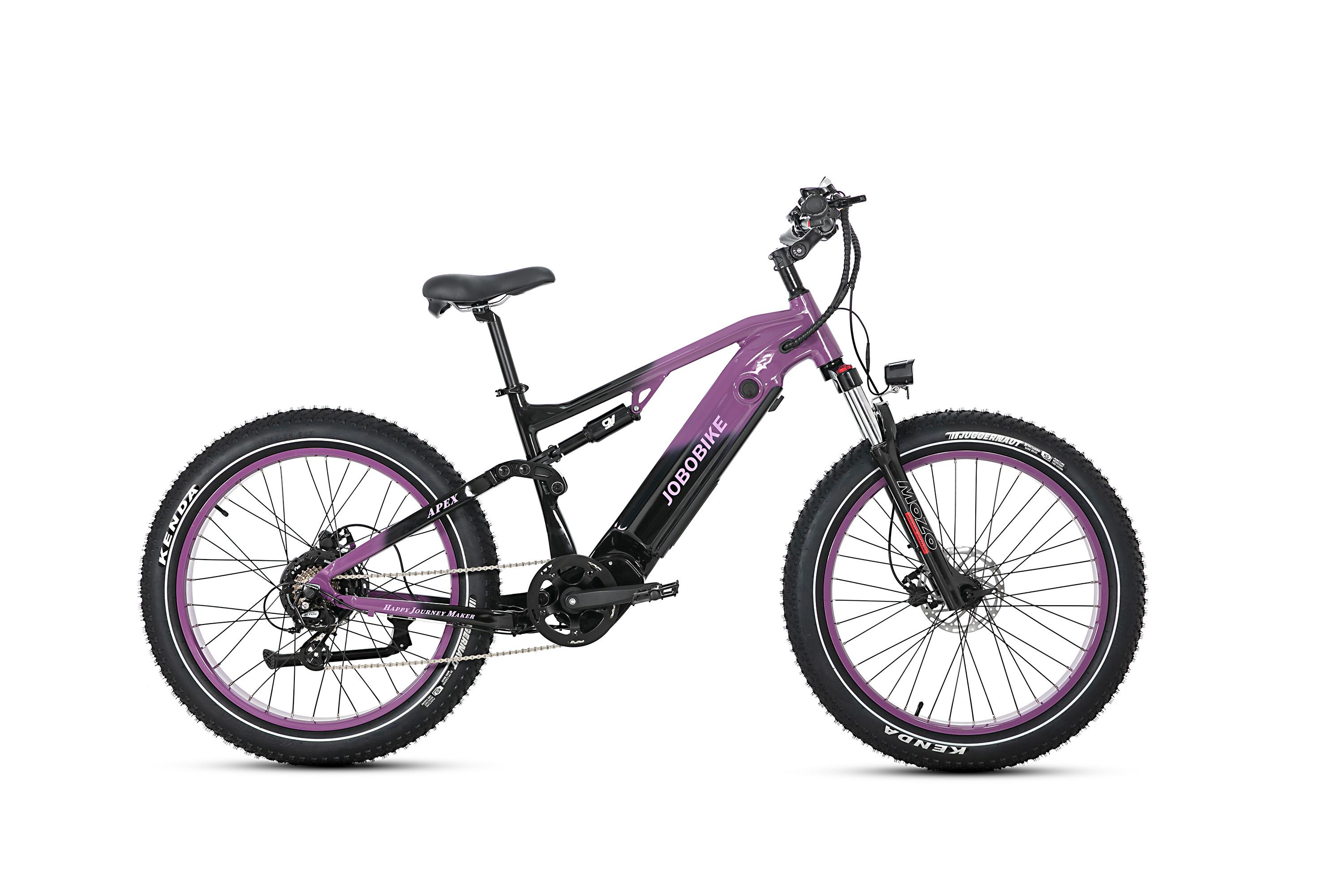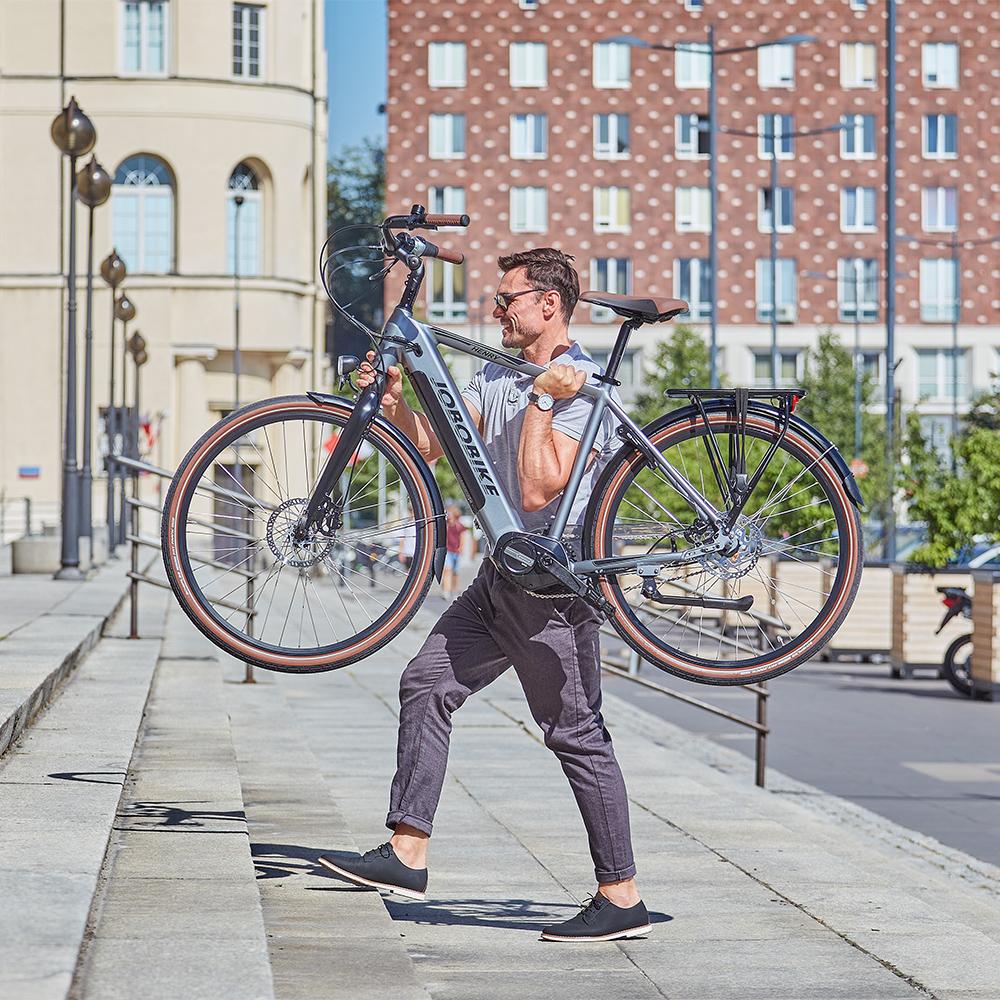

Long-Range Touring E-Bikes: Built for Endurance, Comfort, and Exploration
Why Touring E-Bikes Redefine Distance Travel
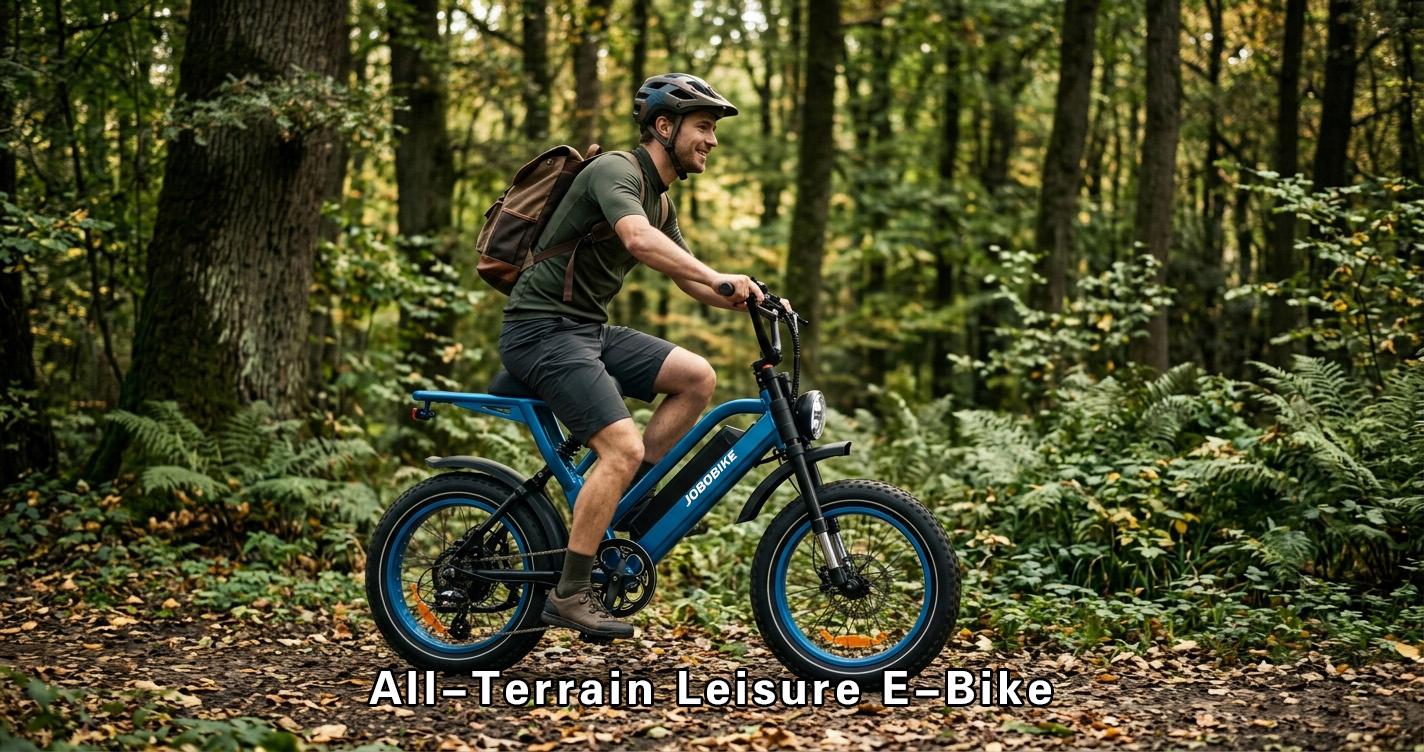
Touring e-bikes have become a new benchmark in sustainable mobility — offering range, stability, and ergonomic comfort for riders who travel far beyond city limits.
Unlike commuter models focused on short rides, long-range touring e-bikes integrate dual-battery systems, mid-drive motors, and reinforced frames, ensuring continuous performance across mountain passes, uneven roads, or coastal highways.
For OEM partners, these bikes represent the evolution of performance-driven engineering into a lifestyle-ready solution.
Core Components That Define a Long-Range Touring E-Bike
Designing an e-bike for endurance requires precise integration between electrical, mechanical, and ergonomic systems.
Key engineering focuses include:
-
Dual or high-capacity batteries (1000–1600 Wh) for 150+ km range
-
Mid-drive motors (60–100 Nm torque) for consistent climbing power
-
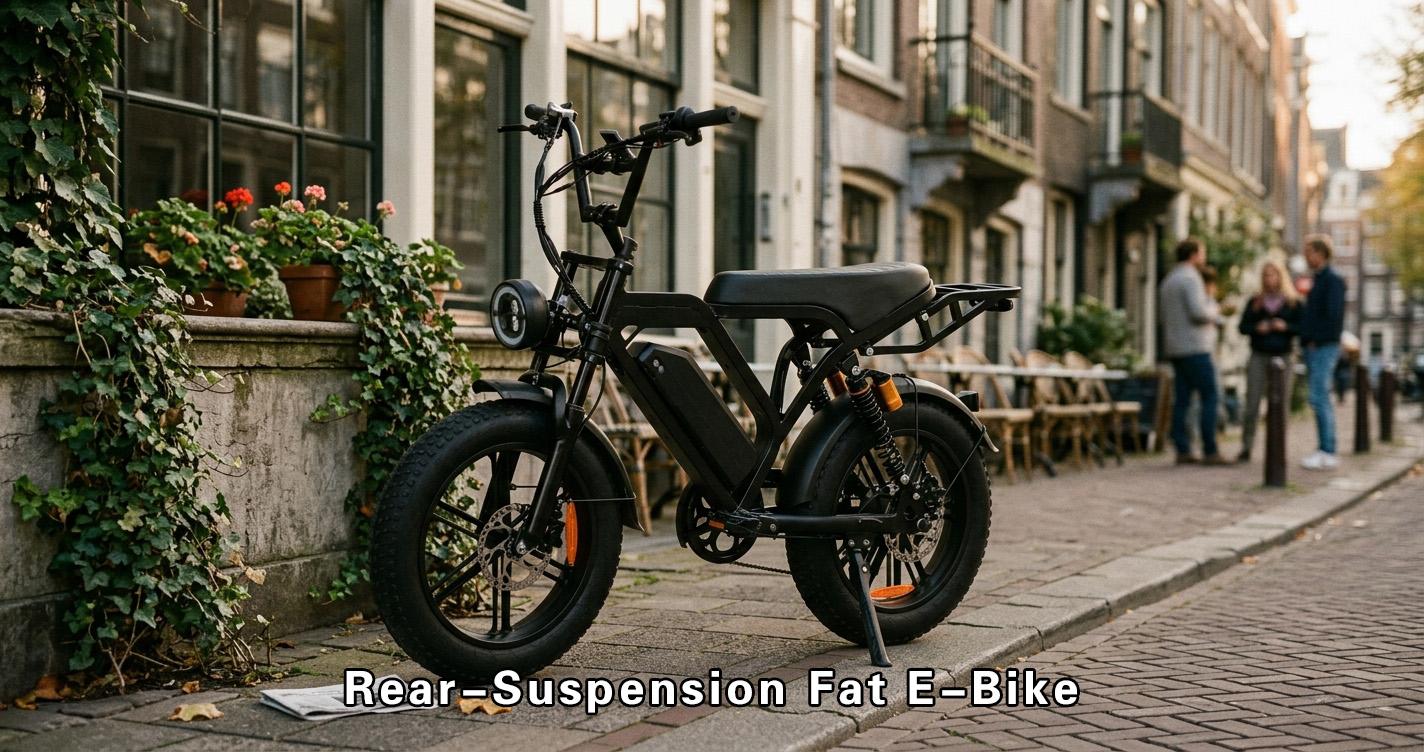
Touring geometry frames to reduce fatigue over multi-hour rides
-
Hydraulic suspension forks and seat post shock absorption
-
Integrated racks and mounts for panniers or cargo bags
-
All-weather lighting and fenders for road safety
The result is a durable, efficient platform designed to handle variable terrains while maintaining rider comfort over extended journeys.
Comparison: Touring vs Standard E-Bike
| Feature | Long-Range Touring E-Bike | Standard Commuter E-Bike |
|---|---|---|
| Battery Capacity | 1000–1600 Wh | 360–720 Wh |
| Motor Type | Mid-drive (60–100 Nm) | Hub motor (40–60 Nm) |
| Range per Charge | 120–160 km | 50–80 km |
| Frame Design | Touring geometry, reinforced joints | Compact city frame |
| Comfort Level | Ergonomic posture, wide saddle | Upright urban seat |
| Ideal Use Case | Long-distance travel, touring, adventure | Daily city commuting |
This configuration enables touring e-bikes to combine power and endurance with real-world usability for logistics or recreational travel.
Manufacturing Insight from JOBO ebike
At JOBO ebike, our touring series integrates mid-drive motors, dual battery configurations, and custom frame geometries designed for high-mileage performance.
Each long-range touring model is tested under simulated real-world endurance conditions — including continuous hill climbing, sustained torque loads, and vibration testing across rough terrains.
For OEM clients, this means every bike leaving our line is engineered for balance, durability, and efficiency, ensuring reliable performance across cross-country expeditions or professional tourism fleets.
OEM Customization Options for Touring E-Bikes
| Customizable Component | Available Options | OEM Value |
|---|---|---|
| Motor Power | 250W / 500W / 750W mid-drive | Regional compliance & flexibility |
| Battery System | Dual 48V 15Ah–20Ah | Extended range for long rides |
| Frame Design | Step-over / Step-through touring frame | Targeted rider ergonomics |
| Brake Type | Hydraulic disc / regenerative system | Safe descent on steep terrain |
| Suspension | Adjustable fork & seat post | Multi-terrain adaptability |
| Accessories | Rear rack, pannier mounts, GPS tracking | OEM branding & functionality |
These customization options help brands create signature touring e-bikes that blend comfort, function, and aesthetic consistency.
What Buyers Should Check Before Ordering
| Common Issue | Why It Matters | Recommendation |
|---|---|---|
| Inaccurate range claims | Misleads users and damages trust | Request real-world range tests |
| Poor frame welding | Affects stability on long rides | Insist on fatigue & vibration reports |
| Weak BMS protection | Risks battery imbalance | Choose certified smart BMS systems |
| Inadequate heat management | Reduces motor life | Verify mid-drive cooling design |
| Poor ergonomic design | Causes rider fatigue | Evaluate geometry fit samples |
| Low-grade tires | Short lifespan | Use touring-rated puncture-proof tires |
Frequently Asked Questions
Q1: How long can a touring e-bike travel on one charge?
With dual batteries and efficient mid-drive motors, a well-configured model can cover 120–160 km depending on terrain and payload.
Q2: Can OEMs integrate GPS or tracking modules?
Yes, many touring e-bikes now include IoT modules for fleet tracking or navigation systems.
Q3: Are touring e-bikes suitable for commercial use?
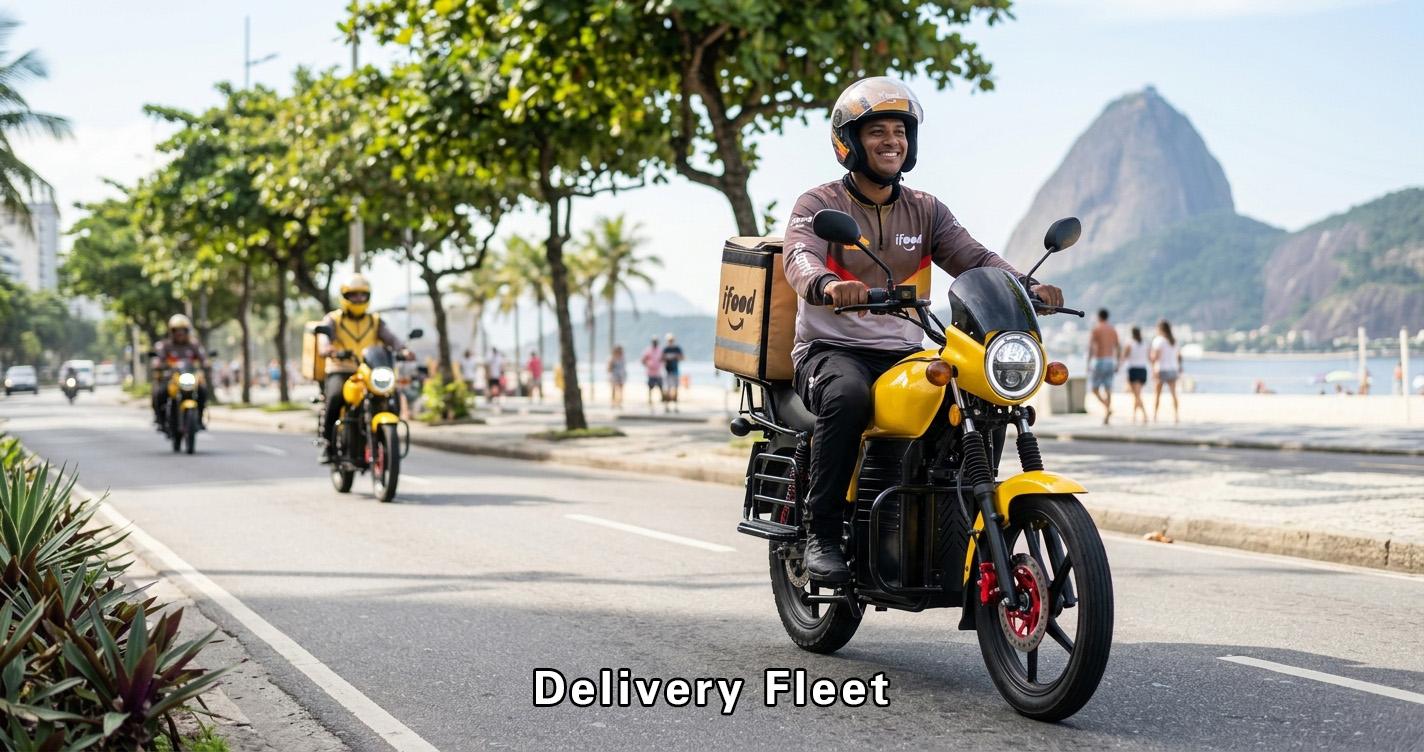
Absolutely. Their endurance and load-handling capability make them ideal for rental fleets, tourism services, and long-range courier operations.
Endurance That Moves Beyond Boundaries
The long-range touring e-bike represents the intersection of engineering precision and real-world adventure.
At JOBO ebike, we help global brands and OEM partners design touring e-bikes that endure — integrating power, comfort, and control into one cohesive system.
To learn more about our OEM manufacturing solutions or begin your next touring model project, visit our homepage or get in touch through our contact page.