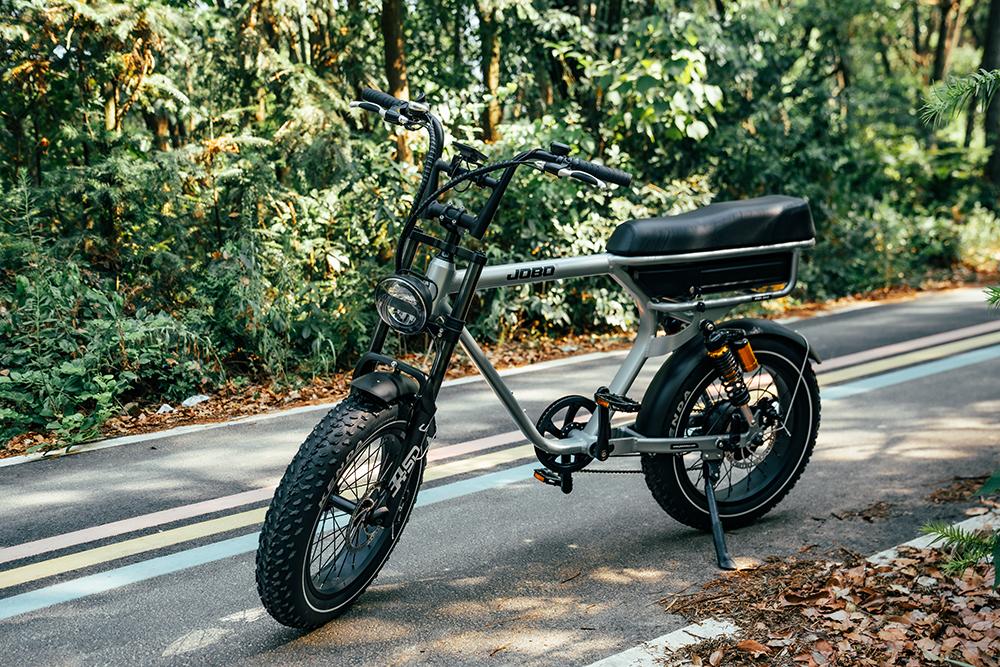
The Future of Corporate Commuting is Electric
In today's fast-paced business world, forward-thinking companies are constantly seeking innovative ways to enhance employee well-being, promote sustainability, and create a more attractive workplace culture. One of the most impactful and rapidly growing trends is the integration of electric bike fleets for daily commutes. As businesses recognize the multifaceted benefits of this green initiative, the demand for a reliable B2B commuter e-bike supplier has surged. These programs offer a practical solution to urban congestion, reduce carbon footprints, and provide employees with a healthy, enjoyable, and cost-effective way to travel to and from work. By investing in e-bikes, companies are not just providing a perk; they are making a powerful statement about their commitment to their people and the planet, setting a new standard for the modern corporate environment.
Why Companies are Embracing E-Bike Fleets
The corporate shift towards e-bike programs is driven by a clear return on investment that extends beyond financial metrics. Firstly, sustainability is a major motivator. Companies with strong Corporate Social Responsibility (CSR) goals see e-bike fleets as a tangible way to reduce their collective environmental impact. Encouraging employees to cycle instead of drive directly lowers greenhouse gas emissions. Secondly, employee wellness is paramount. Cycling is a fantastic form of low-impact exercise that can improve physical and mental health. Employees who arrive at work feeling energized and refreshed are often more productive and engaged. E-bikes level the playing field, making cycling accessible to individuals of varying fitness levels by providing a motorized assist for hills and long distances. This inclusivity ensures that more employees can participate and reap the health benefits. Lastly, e-bikes solve the persistent “last mile” problem for commuters who rely on public transportation, bridging the gap between a bus or train station and the office with ease and efficiency.
Defining the Ideal Commuter E-Bike
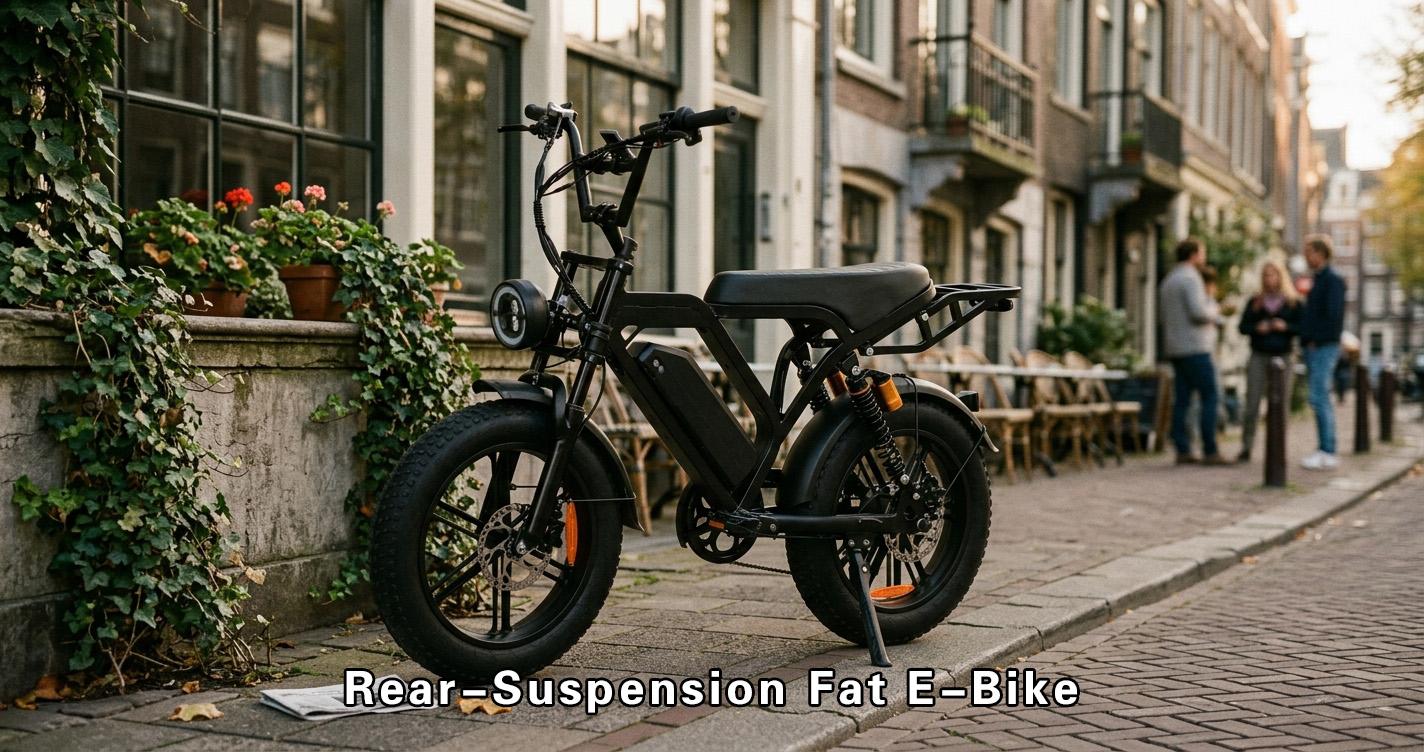
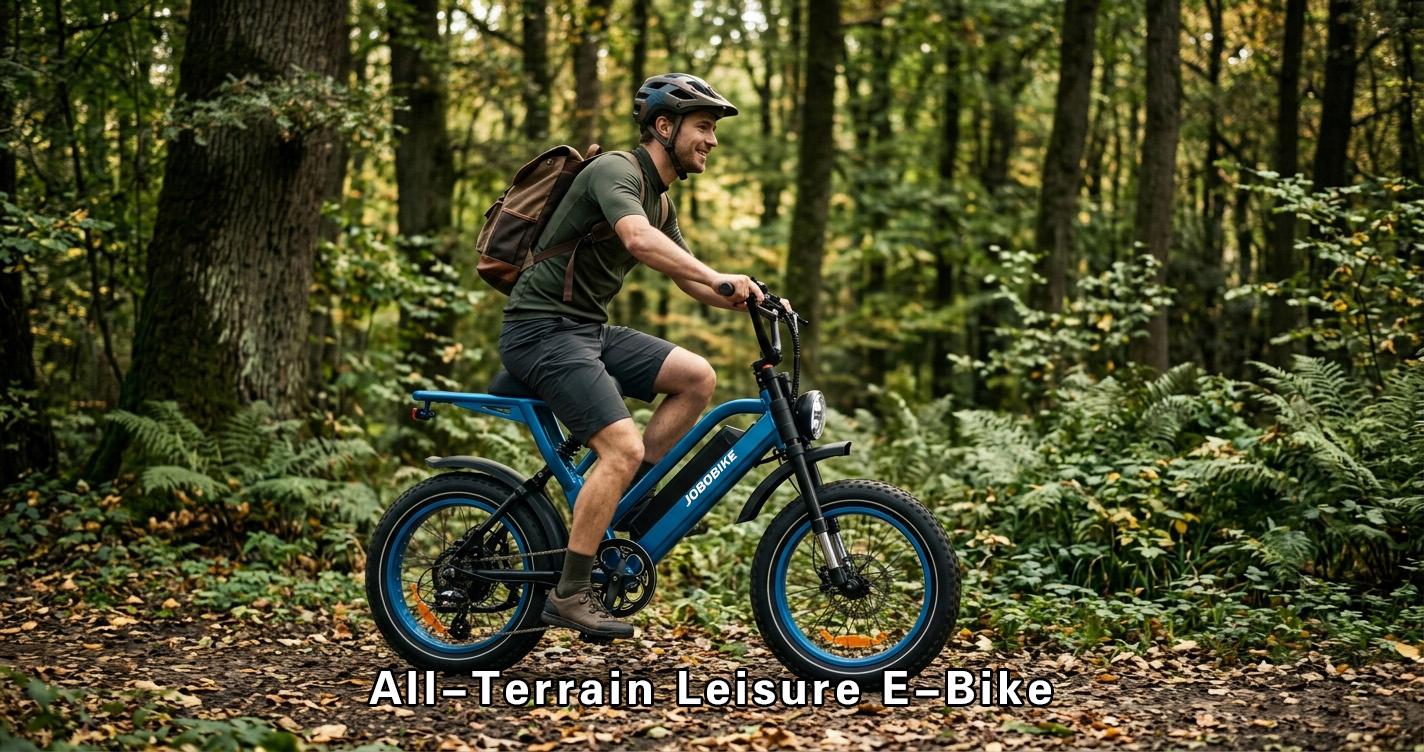
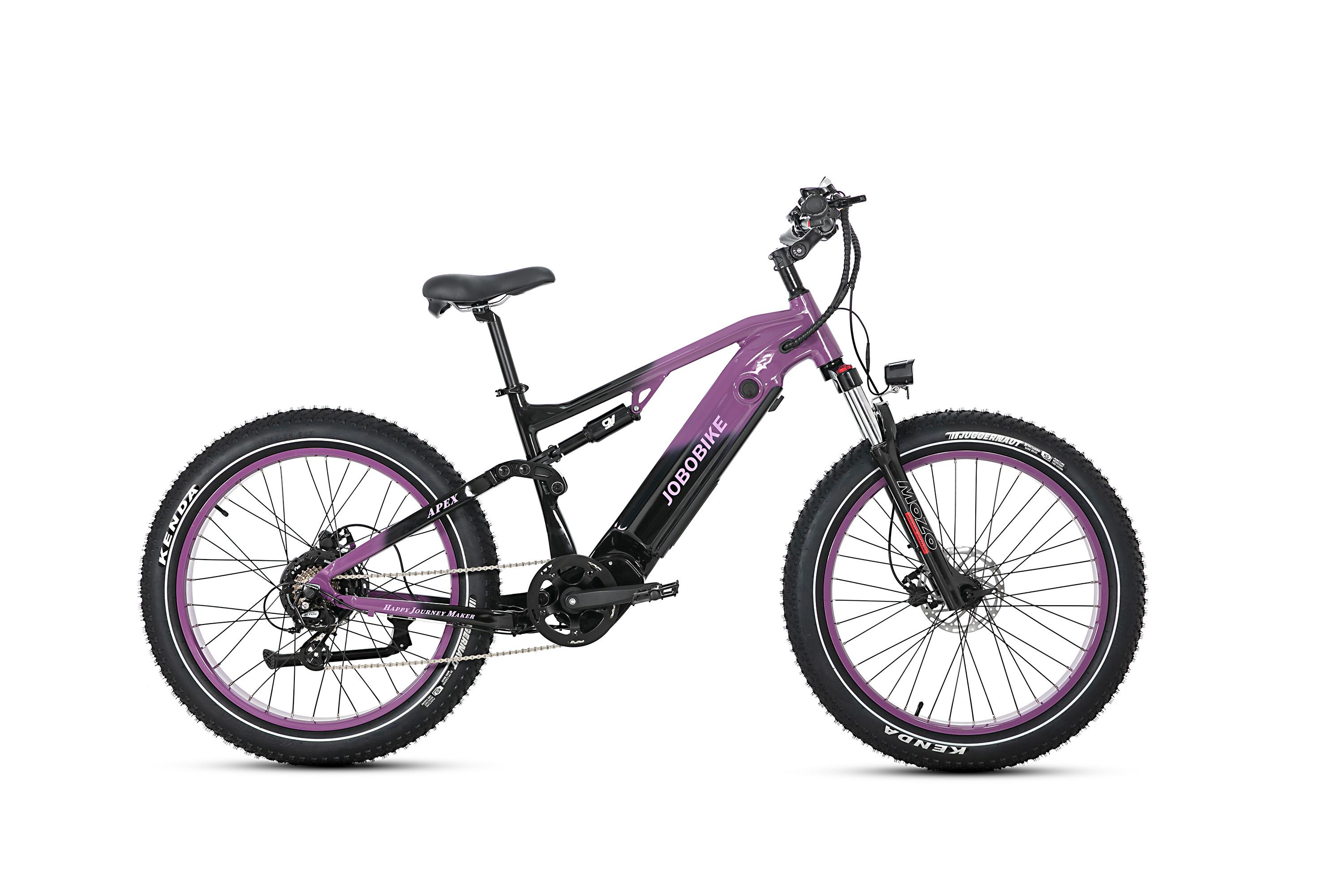
When building a corporate fleet, selecting the right equipment is critical for the program's success and safety. The ideal commuter e-bike must be a perfect blend of durability, comfort, and user-friendly technology. Look for models built on a sturdy yet lightweight frame, capable of withstanding the daily rigors of urban use while being easy to handle. A powerful and reliable pedal-assist motor is essential, allowing riders to glide up inclines and cover distances without breaking a sweat. Battery life is another key consideration; it must be sufficient for a round-trip commute for the majority of users. Comfort features, such as an ergonomic saddle and cushioned handlebars, are non-negotiable for ensuring a pleasant ride. From a practical standpoint, essentials like a rear rack for carrying laptops and other items, robust tires for stable traction on various surfaces, and powerful brakes for superior stopping power in all weather conditions are crucial safety and convenience components. The goal is to provide a machine that is not just a mode of transport, but a joy to ride every day.
The Strategic Advantage of a Specialized B2B Supplier
While it may be tempting to purchase e-bikes from a consumer retailer, partnering with a dedicated B2B commuter e-bike supplier offers strategic advantages that are vital for long-term program success. A specialized B2B partner understands the unique needs of corporate clients. They can offer volume-based pricing, making the initial investment more manageable. More importantly, they provide comprehensive service and maintenance packages, ensuring the fleet remains in optimal, safe working condition, which minimizes downtime and liability. A professional supplier can also offer customization options, allowing companies to brand the bikes with their logos and colors, turning the fleet into mobile advertisements. They act as consultants, helping to select the right models based on employee demographics and local terrain, and ensuring a consistent standard of quality across the entire fleet. This partnership approach removes the logistical headaches of fleet management, allowing the company to focus on the positive impact of the program.
Expanding the Scope: Beyond the Daily Commute
While the primary focus is often on commuting, a versatile B2B supplier can offer a range of cycling solutions to meet diverse corporate needs. A comprehensive portfolio might include high-performance road bikes in addition to commuter e-bikes. These can be used for corporate wellness challenges, team-building events, or as a premium perk for employees. Imagine organizing a company-wide charity ride or weekend cycling excursions with a fleet of lightweight, expertly engineered carbon fiber road bikes. These premium models, designed for speed and efficiency, offer a different kind of cycling experience that can foster camaraderie and promote a deeper culture of health and fitness within the organization. By offering a varied fleet, companies can cater to both the practical needs of daily commuters and the recreational interests of cycling enthusiasts, creating a truly holistic wellness program.
Implementing a Successful Corporate E-Bike Program
Launching an e-bike program requires more than just purchasing the bikes; it demands thoughtful planning and implementation. The first step is to assess employee interest and potential usage patterns to determine the appropriate fleet size. Next, infrastructure must be considered. This includes designated secure parking areas to prevent theft and charging stations to ensure the e-bikes are always ready to go. Rider safety is the highest priority. Companies should partner with their B2B commuter e-bike supplier to provide mandatory training sessions covering traffic laws, safe riding practices, and proper use of the e-bike’s features. Providing safety gear such as helmets and high-visibility vests is also essential. A clear usage policy should be established, outlining rider responsibilities and company guidelines. By taking these preparatory steps, a business can ensure a smooth rollout and create a program that is safe, successful, and highly valued by employees.
Pioneering a Greener, Healthier Workplace
In conclusion, the adoption of corporate e-bike fleets represents a significant evolution in employee benefits and corporate responsibility. It is a strategic investment in employee health, environmental stewardship, and brand image. The journey from concept to a fully operational, successful program is made seamless by partnering with an expert B2B commuter e-bike supplier who can provide the right equipment, support, and guidance. As cities continue to evolve and the demand for sustainable solutions grows, companies that embrace electric mobility will not only attract top talent but will also lead the way in creating happier, healthier, and more connected workplace communities. The future of the commute is here, and it’s powered by two wheels.