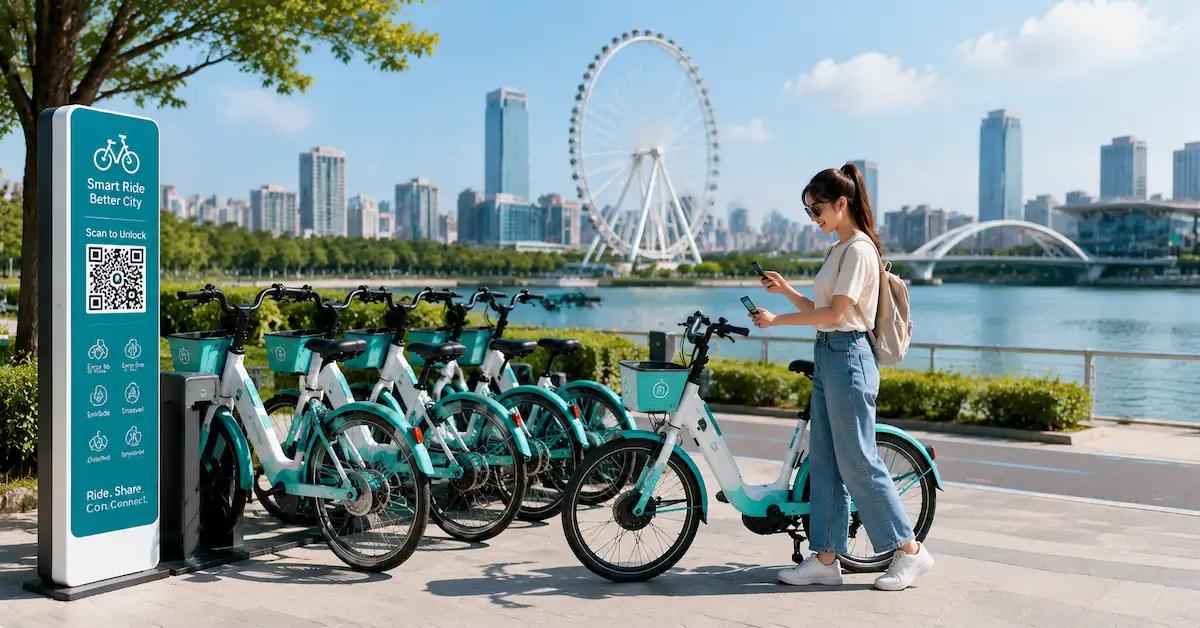
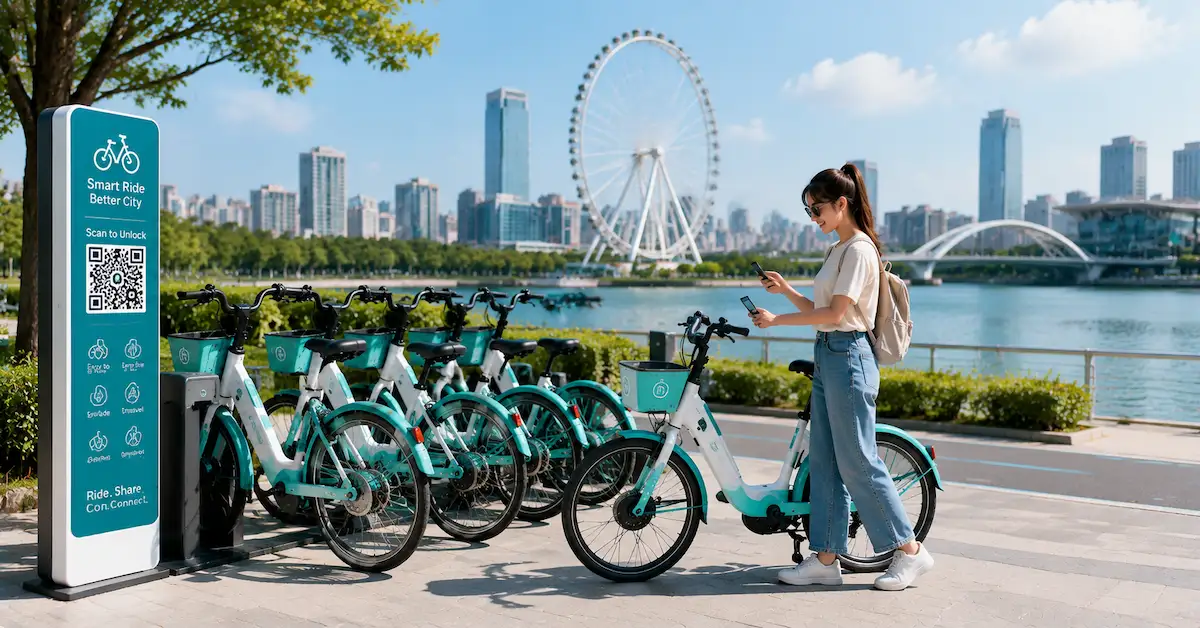
Urban transportation is changing rapidly as cities, companies, and communities look for more flexible and sustainable ways to solve short-distance travel needs. Shared electric bikes have become an important part of modern mobility systems because they provide convenient transportation without requiring users to own a vehicle.
For operators, choosing the right shared electric bike manufacturer is one of the most important decisions when developing a bike-sharing project.
Unlike personal electric bikes, shared e-bikes must support:
- Multiple daily users
- Frequent charging cycles
- Outdoor storage
- Different riding habits
- Continuous fleet operation
- Lower maintenance requirements
A professional shared electric bike manufacturer must understand not only bicycle production but also fleet management requirements, durability expectations, smart system compatibility, and long-term service support.
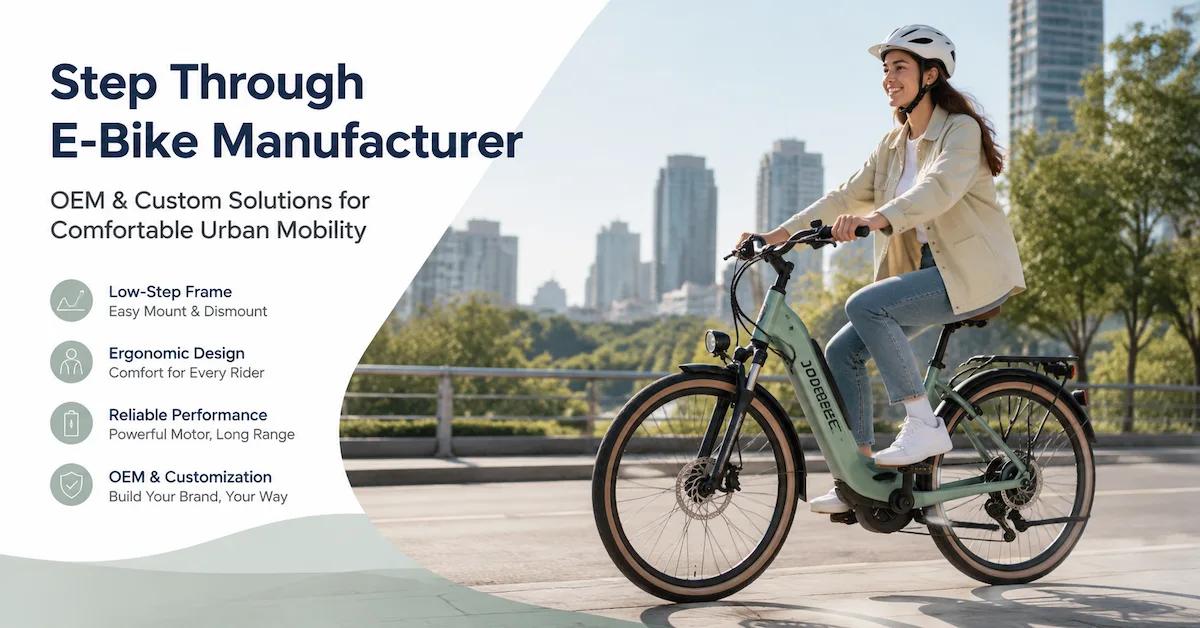
JOBOBIKE provides electric mobility solutions for global partners, including city electric bikes, cargo electric bikes, shared mobility products, and customized OEM electric bicycle solutions.
Explore JOBOBIKE products:
https://www.joboev.com/products
The Growth of Shared Electric Mobility
Shared mobility continues expanding because businesses and governments are looking for alternatives to traditional transportation.
Shared electric bikes are increasingly used for:
- Urban commuting
- Last-mile transportation
- Campus mobility
- Tourism transportation
- Business parks
- Residential communities
Compared with traditional bicycles, electric assistance allows more users to travel longer distances with less physical effort.
This makes shared e-bikes suitable for a wider range of users and applications.
Why Businesses Invest in Shared Electric Bikes
For operators, shared electric bikes can provide several advantages:
Lower Operating Costs
Compared with cars or motorcycles, electric bikes require:
- Less energy consumption
- Less parking space
- Lower maintenance costs
Flexible Transportation
Shared e-bikes can connect users between:
- Subway stations
- Office areas
- Residential communities
- Tourist attractions
Sustainable Mobility Image
Businesses and cities can improve their environmental image by introducing cleaner transportation options.
What Makes a Professional Shared Electric Bike Manufacturer Different
A reliable manufacturer should provide more than a standard electric bicycle.
Shared mobility products require special attention to:
- Frame durability
- Electrical reliability
- Fleet operation
- Smart integration
- Maintenance efficiency
A professional factory helps buyers develop products suitable for long-term commercial use.
Fleet-Oriented Product Design
Shared electric bikes are designed differently from consumer e-bikes.
Manufacturers need to consider:
- Higher usage frequency
- Multiple riders
- Different riding styles
- Outdoor exposure
- Service requirements
Durable Frame Structure
The frame is one of the most important components of a shared electric bike.
A commercial-grade frame should provide:
- Strong welding quality
- Stable geometry
- Reinforced structures
- Long service life
Poor frame design may result in:
- Increased repairs
- Safety risks
- Higher operating costs
Easy Maintenance Design
Fleet operators need products that are easy to maintain.
A practical shared e-bike design should support:
- Quick component replacement
- Standardized spare parts
- Simple troubleshooting
- Easy battery access
Reliable Electrical System Integration
A shared electric bike manufacturer must carefully integrate:
- Motor
- Battery
- Controller
- Display
- Wiring
- Smart systems
Battery Performance
Fleet operators should evaluate:
- Battery range
- Charging cycles
- Safety features
- Replacement convenience
A reliable battery system reduces downtime and improves fleet efficiency.
Motor Configuration
The motor should match:
- Riding environment
- User weight
- Road conditions
- Daily operating distance
For shared applications, stable performance is often more important than maximum power.
Key Features Buyers Should Evaluate Before Purchasing Shared Electric Bikes
When selecting a supplier, buyers should evaluate the complete product system.
| Feature | Importance |
|---|---|
| Frame strength | Supports long-term fleet operation |
| Battery system | Determines range and reliability |
| Motor performance | Affects riding experience |
| Smart compatibility | Supports fleet management |
| Brake system | Ensures safety |
| Spare parts | Reduces maintenance downtime |
| Packaging | Protects products during shipping |
Smart Management Compatibility
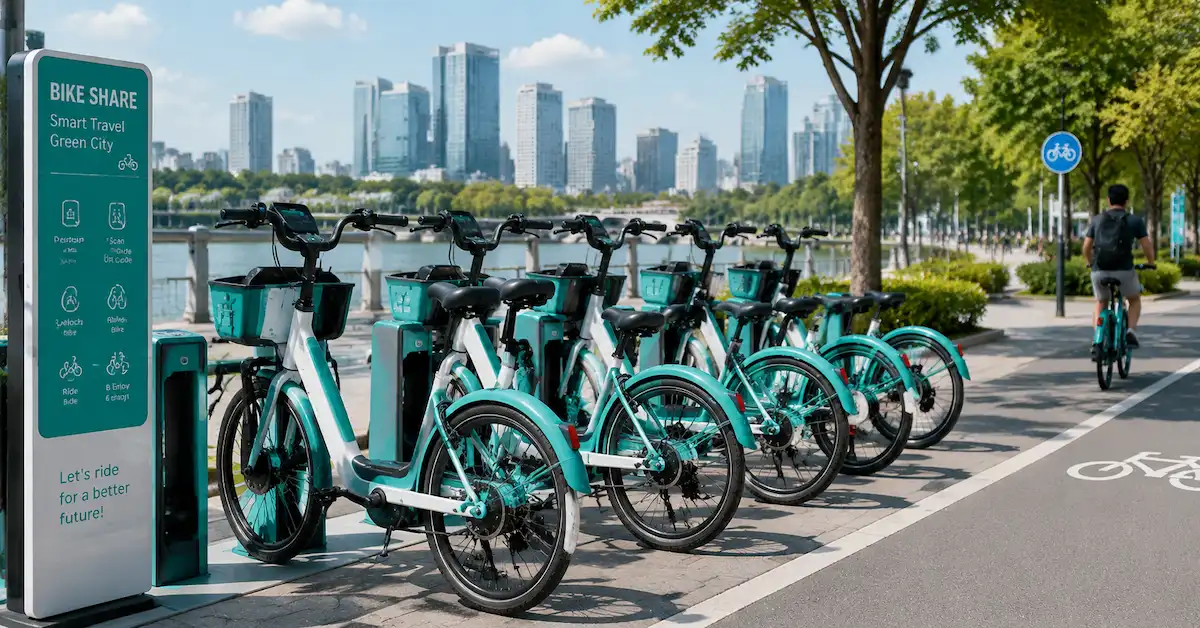
Modern shared electric bike projects often require digital management.
Possible integrations include:
- GPS tracking
- Smart locks
- Mobile applications
- Fleet monitoring systems
- Remote diagnostics
GPS and IoT Integration
For large fleets, operators may need:
- Real-time location
- Vehicle status monitoring
- Usage data
- Maintenance reminders
A manufacturer should understand how the bicycle hardware connects with these systems.
Safety and Security Features
Shared bikes face higher theft and misuse risks.
Possible solutions include:
- Smart locks
- GPS tracking
- Reinforced components
- Anti-tampering designs
A professional supplier should consider security during product development.
Shared Electric Bike Manufacturing Process
A reliable manufacturing process ensures product consistency and stable fleet performance.
Product Requirement Analysis
Before production begins, the manufacturer should understand:
- Target market
- Fleet size
- Application environment
- User type
- Smart system requirements
Different projects require different configurations.
For example:
A university campus may prioritize convenience.
A city project may prioritize durability.
A tourism operator may prioritize comfort and appearance.
Engineering and Prototype Development
The engineering team develops:
- Frame design
- Electrical configuration
- Battery placement
- Smart system integration
- Accessory solutions
Prototype Testing
Before bulk production, prototypes should be tested for:
- Riding comfort
- Battery performance
- Motor response
- Brake performance
- Smart functions
Prototype testing helps identify problems before large-scale deployment.
Mass Production and Quality Inspection
A professional shared electric bike factory should control every production stage.
Incoming Material Inspection
Check:
- Frames
- Batteries
- Motors
- Controllers
- Brakes
- Wheels
Assembly Inspection
Verify:
- Electrical connections
- Bolt tightening
- Brake adjustment
- Component installation
Final Testing
Before shipment, products should be tested for:
- Riding performance
- Electrical functions
- Safety
- Appearance
- Packaging quality
OEM and Private Label Shared Electric Bike Solutions
Many mobility companies prefer OEM cooperation because they need products that match their own business model.
A professional shared electric bike manufacturer should provide flexible customization options.
Branding Customization
Available options may include:
- Frame logo
- Product colors
- Battery branding
- Packaging design
- User manuals
- Labels
Product Configuration Customization
Buyers may customize:
- Battery capacity
- Motor system
- Tires
- Brakes
- Display
- Accessories
Fleet-Specific Development
Different businesses require different solutions.
City Bike Sharing Projects
Focus on:
- Durability
- Smart management
- Easy maintenance
Campus Mobility Programs
Focus on:
- Safety
- Comfortable riding
- Simple operation
Tourism Rental Projects
Focus on:
- Appearance
- User friendliness
- Reliability
How to Choose the Right Shared Electric Bike Manufacturer
Before cooperation, buyers should evaluate several factors.
Manufacturing Capability
Ask:
- Does the company manufacture directly?
- Can it support bulk production?
- Does it have engineering capability?
Product Experience
Evaluate:
- Previous mobility projects
- Commercial applications
- Product categories
- Customization experience
Quality Control System
Confirm whether the supplier has:
- Component inspection
- Production inspection
- Final testing
- Quality records
After-Sales Support
Long-term fleet operation requires:
- Spare parts
- Technical support
- Warranty solutions
- Maintenance guidance
Common Mistakes When Buying Shared Electric Bikes
Choosing Only Based on Price
The lowest quotation may create problems with:
- Battery quality
- Component durability
- Maintenance costs
- Customer experience
Ignoring Fleet Maintenance
Shared projects require planning for:
- Replacement parts
- Repairs
- Battery management
- Technical support
Skipping Pilot Testing
Before large deployment, buyers should test:
- Real user experience
- Battery performance
- Maintenance requirements
- Smart functions
Not Planning Future Supply
A reliable supplier should support:
- Repeat orders
- Spare parts
- Product upgrades
- Long-term cooperation
Why Choose JOBOBIKE as Your Shared Electric Bike Manufacturer
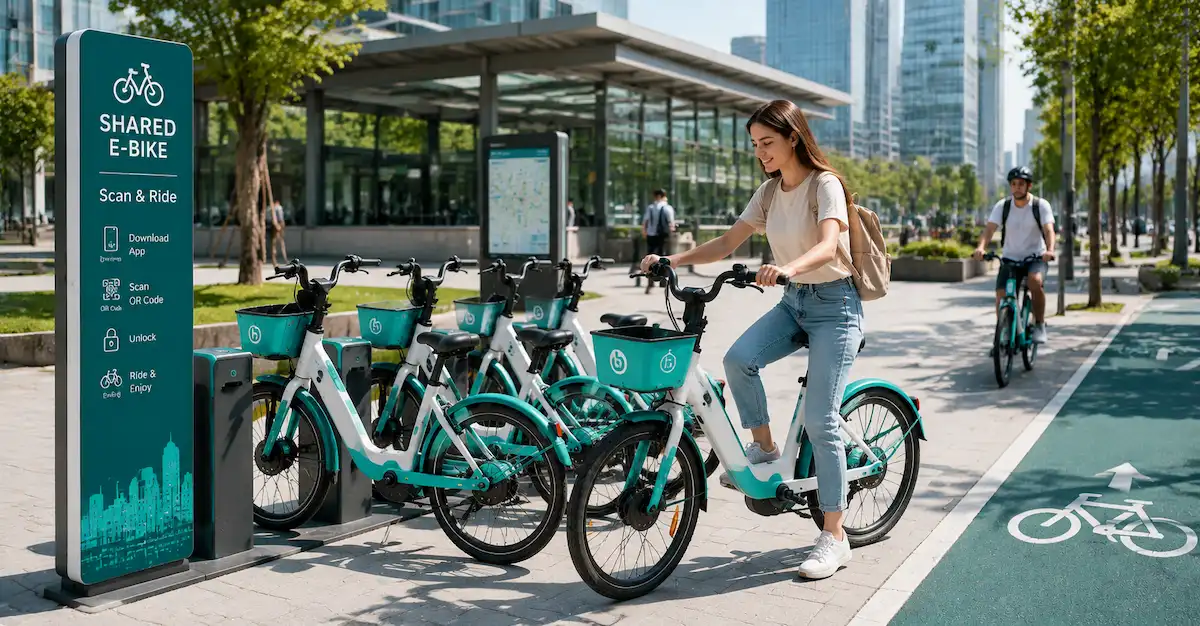
JOBOBIKE supports international mobility companies, distributors, and private-label brands with electric bicycle manufacturing solutions.
The company provides:
- OEM and ODM development
- Product customization
- Electric mobility solutions
- Quality control
- Global supply support
JOBOBIKE helps partners develop products for:
- Bike-sharing programs
- Urban mobility projects
- Campus transportation
- Tourism rental businesses
- Commercial fleets
Learn more about JOBOBIKE:
https://www.joboev.com/about-us
Contact JOBOBIKE for OEM cooperation:
https://www.joboev.com/contact-us
FAQ
What is a shared electric bike manufacturer?
A shared electric bike manufacturer develops and produces electric bicycles designed for fleet operations, rental programs, and shared mobility systems.
How are shared electric bikes different from normal e-bikes?
Shared e-bikes require stronger durability, easier maintenance, smart compatibility, and designs suitable for multiple users.
Who uses shared electric bikes?
Common users include:
- Cities
- Universities
- Tourism operators
- Residential communities
- Corporate campuses
- Mobility companies
Can shared electric bikes be customized?
Yes. Manufacturers can customize:
- Branding
- Colors
- Batteries
- Motors
- Smart systems
- Accessories
- Packaging
What smart features can shared e-bikes support?
Possible features include:
- GPS tracking
- Smart locks
- Mobile access
- Fleet monitoring systems
How should operators maintain shared electric bikes?
Maintenance usually includes:
- Battery inspection
- Brake service
- Tire replacement
- Electrical checks
- Software management
Can JOBOBIKE provide OEM shared electric bikes?
Yes. JOBOBIKE supports OEM and ODM projects with customized electric mobility solutions.
What should buyers evaluate before ordering?
Important factors include:
- Factory capability
- Product reliability
- Smart compatibility
- Maintenance support
- Production capacity
How long does shared electric bike production take?
Production time depends on customization requirements, quantity, components, and project planning.
How can I request a quotation?
Provide your project requirements, fleet size, target market, and customization needs through the JOBOBIKE contact page.
Conclusion
Choosing the right shared electric bike manufacturer is essential for building a reliable and scalable bike-sharing solution.
A professional manufacturer should provide:
- Durable product design
- Reliable electrical systems
- Smart integration capability
- OEM customization
- Quality control
- Long-term support
As cities and businesses continue investing in sustainable transportation, shared electric bikes provide valuable opportunities for mobility operators, tourism companies, campuses, and commercial projects.
JOBOBIKE supports global partners with customized shared electric bike solutions from product development to bulk manufacturing.
Start your shared e-bike project: