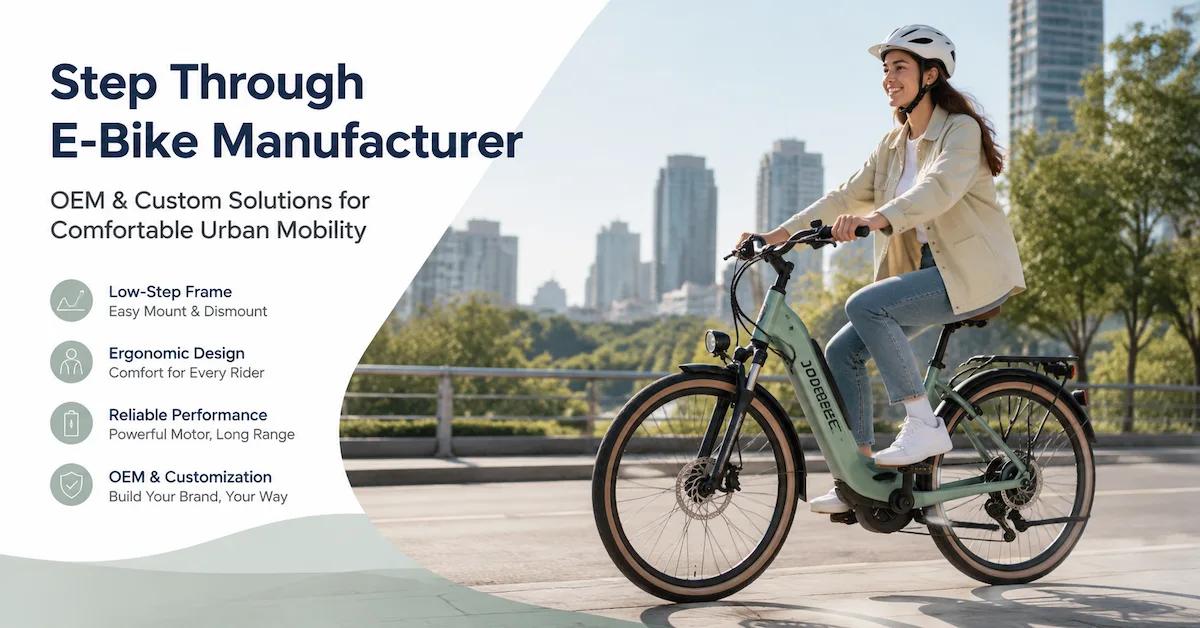
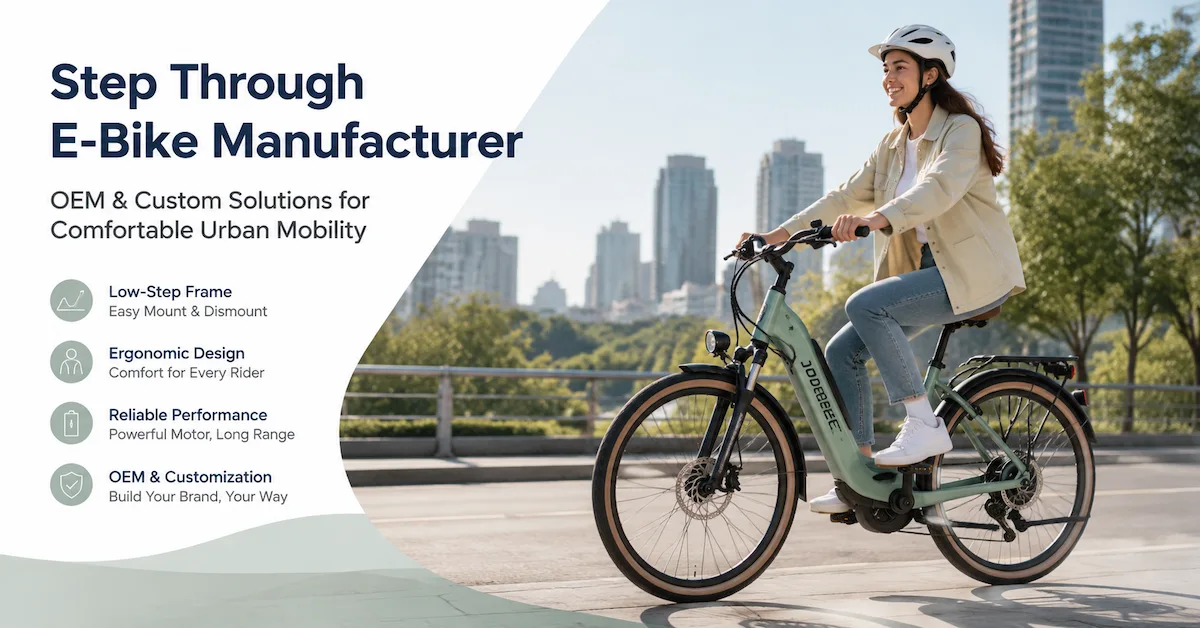
The global electric bicycle market is shifting toward more comfortable, accessible, and practical mobility solutions. Among different e-bike categories, step through electric bikes have become increasingly popular because they provide easier mounting, improved comfort, and a more user-friendly riding experience.
For distributors, importers, retailers, and private-label brands, choosing the right step through e-bike manufacturer is essential for building competitive products.
A professional manufacturer should provide more than a standard bicycle. It should support:
- Frame engineering
- Ergonomic design
- Battery integration
- Motor selection
- Component matching
- OEM customization
- Quality control
- Global production support
Step through e-bikes are widely used for:
- Urban commuting
- Daily transportation
- Senior mobility
- Women’s cycling markets
- Rental businesses
- Tourism applications
A reliable manufacturing partner helps brands develop products that match customer needs while maintaining stable quality and production efficiency.
JOBOBIKE provides electric mobility solutions for global buyers, including city electric bikes, step through models, cargo e-bikes, mountain e-bikes, folding electric bikes, and customized OEM solutions.
Explore JOBOBIKE products:
https://www.joboev.com/products
What Is a Step Through E-Bike?
A step through e-bike is an electric bicycle designed with a low-entry frame that allows riders to easily step over the frame instead of lifting their leg over a high top tube.
This design provides:
- Easier mounting and dismounting
- More comfortable riding posture
- Better accessibility
- Improved convenience for daily use
Compared with traditional high-step bicycles, step through models are especially suitable for:
- Older riders
- Urban commuters
- Riders wearing work clothing
- Casual cyclists
- Short-distance transportation users
The popularity of step through e-bikes comes from their balance between comfort, practicality, and modern electric assistance.
Why Choose a Professional Step Through E-Bike Manufacturer?
A specialized step through e-bike manufacturer understands that low-step frame designs require careful engineering.
The frame structure must provide:
- Easy access
- Sufficient strength
- Stable handling
- Battery integration
- Long-term durability
Low-Step Frame Engineering
The frame is one of the most important parts of a step through electric bike.
A professional manufacturer should evaluate:
- Frame geometry
- Tube structure
- Welding quality
- Reinforcement points
- Weight distribution
- Battery position
Because step through frames remove the traditional top tube, engineers must carefully balance accessibility and structural strength.
Poor frame design may lead to:
- Reduced stability
- Lower durability
- Uncomfortable riding
- Limited load capacity
Comfortable Riding Position
Step through e-bikes are designed around rider comfort.
Important design factors include:
- Upright riding posture
- Handlebar position
- Saddle height
- Frame height
- Suspension system
For daily commuting, comfort can be more important than maximum speed or aggressive performance.
Motor Performance
Although step through e-bikes are usually designed for urban riding, they still require reliable electric assistance.
The motor system should provide:
- Smooth acceleration
- Efficient power delivery
- Hill-climbing ability
- Stable operation
Motor selection depends on:
- Rider weight
- Terrain
- Battery capacity
- Local regulations
- Intended application
Main Applications of Step Through Electric Bikes
Urban Commuting
Urban transportation is one of the largest markets for step through e-bikes.
Common users include:
- Office workers
- Students
- City residents
- Daily commuters
Popular features:
- Comfortable geometry
- Rear racks
- Fenders
- Lights
- Long-range batteries
Senior Mobility Market
Step through designs are especially valuable for senior riders.
Advantages include:
- Easier access
- Lower riding difficulty
- Stable handling
- Comfortable operation
Manufacturers targeting this market should focus on:
- Safety
- Reliability
- Simple controls
- Comfortable riding experience
Women’s E-Bike Market
Many women riders prefer step through models because of:
- Easier mounting
- Practical design
- Comfortable position
- Stylish appearance
Brands targeting this segment often customize:
- Frame colors
- Accessories
- Battery integration
- Product styling
Rental and Tourism Applications
Hotels, resorts, and tourism operators often use step through e-bikes because they are easy for different riders to operate.
Rental-focused buyers should consider:
- Durable components
- Easy maintenance
- Standardized parts
- Comfortable riding
Key Components of a Reliable Step Through E-Bike
| Component | Buyer Considerations |
|---|---|
| Frame | Strength, comfort, durability |
| Motor | Smooth assistance and efficiency |
| Battery | Range and reliability |
| Brakes | Safety performance |
| Tires | Comfort and stability |
| Display | User-friendly operation |
| Accessories | Practical daily use |
A professional factory should recommend components according to the target market instead of simply selecting the cheapest configuration.
How Step Through E-Bikes Are Manufactured
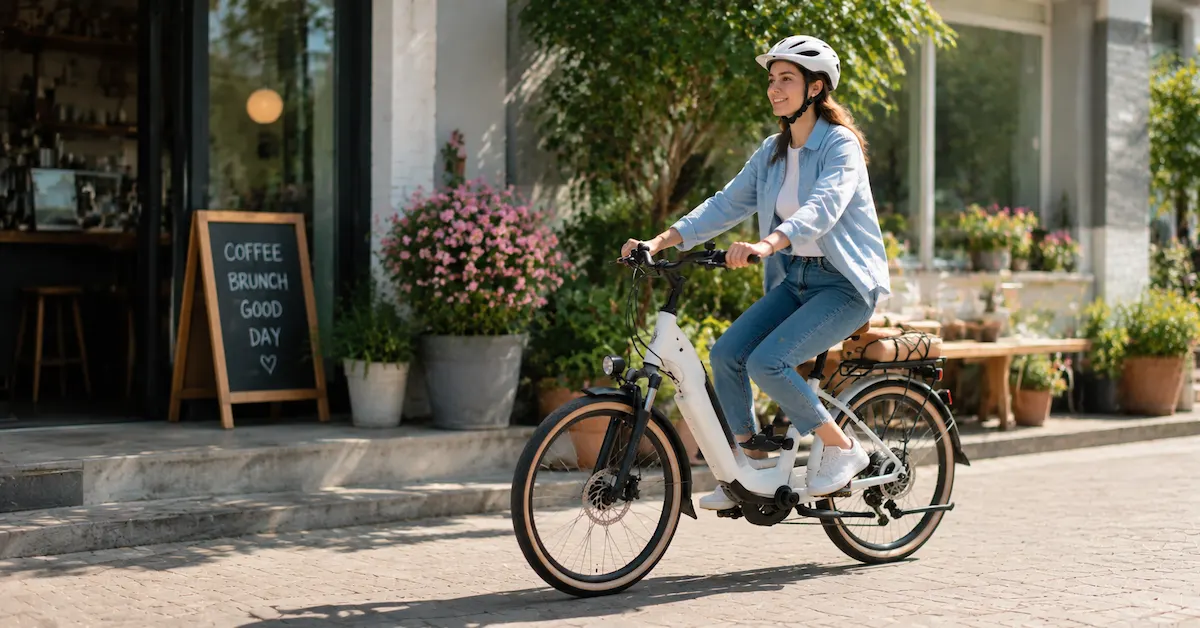
A reliable manufacturing process ensures product quality and consistency.
Step 1: Product Planning
The manufacturer evaluates:
- Target customers
- Market positioning
- Riding environment
- Price range
- Product requirements
Step 2: Frame Development
Engineers design:
- Low-step structure
- Battery placement
- Riding geometry
- Reinforcement points
- Accessory compatibility
Step 3: Prototype Testing
Before mass production, prototypes should be evaluated for:
- Comfort
- Stability
- Riding position
- Motor performance
- Battery range
- Brake response
Step 4: Component Integration
The production team installs:
- Motor system
- Battery
- Controller
- Display
- Wheels
- Brakes
- Accessories
Step 5: Quality Inspection
Final inspections include:
- Frame checking
- Electrical testing
- Brake testing
- Riding evaluation
- Appearance inspection
- Packaging verification
OEM and Private Label Step Through E-Bike Solutions
Many global brands choose OEM cooperation to create differentiated products.
A capable step through e-bike manufacturer can support:
Branding Customization
Including:
- Frame logos
- Battery labels
- Packaging
- Manuals
- Product names
Product Customization
Including:
- Frame colors
- Battery capacity
- Motor systems
- Brake options
- Accessories
- Display configurations
Market-Specific Solutions
Different markets may require different designs.
Urban Commuter Brands
Focus on:
- Comfort
- Range
- Practical accessories
Senior Mobility Brands
Focus on:
- Easy operation
- Safety
- Stability
Rental Businesses
Focus on:
- Durability
- Simple maintenance
- Standard components
Quality Control for Step Through E-Bikes
A professional factory should have multiple inspection stages.
Incoming Component Inspection
Check:
- Frames
- Motors
- Batteries
- Brakes
- Wheels
- Controllers
Assembly Inspection
Verify:
- Bolt tightening
- Cable routing
- Electrical connections
- Brake adjustment
- Component installation
Final Performance Testing
Evaluate:
- Motor assistance
- Battery charging
- Riding comfort
- Stability
- Noise
- Safety functions
How to Choose the Right Step Through E-Bike Manufacturer
Before cooperation, buyers should evaluate:
Factory Experience
Questions:
- Does the company manufacture directly?
- Does it have e-bike development experience?
- Can it support long-term production?
Engineering Capability
Check:
- Product design ability
- Prototype development
- Technical support
- Custom solutions
OEM Capability
Evaluate:
- Branding options
- Minimum order quantity
- Customization flexibility
- Production management
After-Sales Support
Confirm:
- Spare parts supply
- Warranty process
- Technical assistance
- Long-term cooperation ability
Common Mistakes When Buying Step Through E-Bikes
Choosing Only by Price
Low-cost products may create problems with:
- Frame quality
- Battery performance
- Component reliability
- Customer satisfaction
Ignoring Frame Strength
A comfortable low-step design still requires professional engineering to maintain durability.
Skipping Sample Testing
Samples help identify:
- Riding comfort issues
- Component problems
- Design improvements
Lack of Spare Parts Planning
Long-term business requires:
- Batteries
- Chargers
- Controllers
- Brake components
- Replacement parts
Why Choose JOBOBIKE as Your Step Through E-Bike Manufacturer?
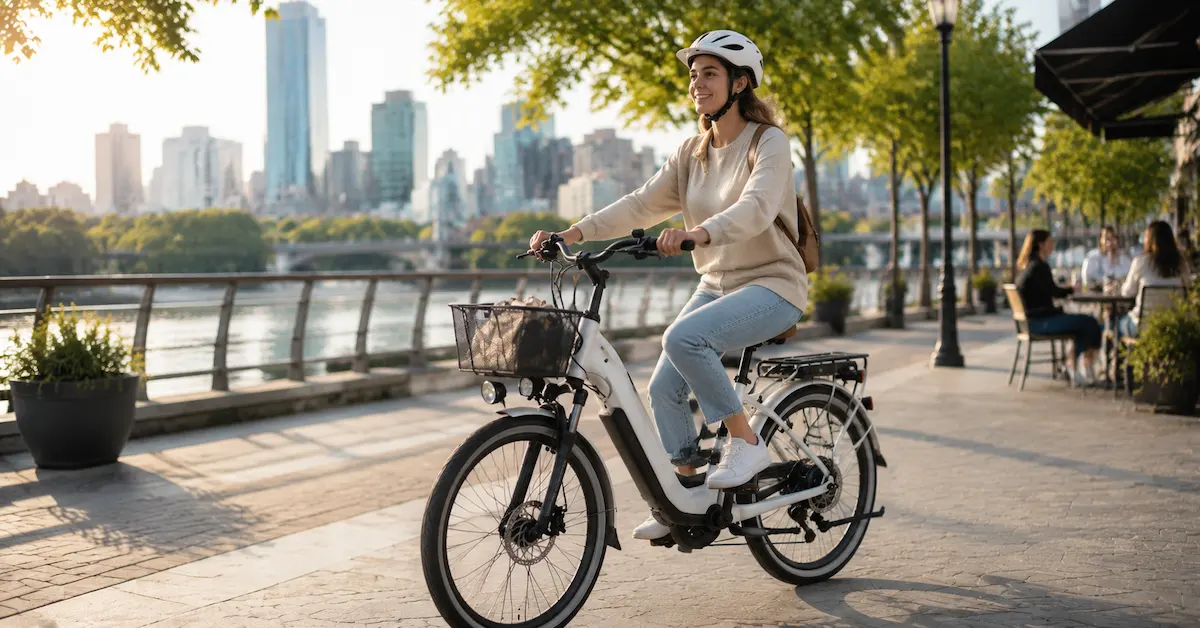
JOBOBIKE supports international brands, distributors, and retailers with electric bicycle manufacturing solutions.
Capabilities include:
- OEM and ODM development
- Product customization
- Electric bike production
- Quality control
- Global supply support
JOBOBIKE develops electric mobility products for:
- Urban commuting
- Lifestyle markets
- Commercial mobility
- Rental businesses
- Private-label brands
Learn more about JOBOBIKE:
https://www.joboev.com/about-us
Contact JOBOBIKE for OEM projects:
https://www.joboev.com/contact-us
FAQ
What is a step through e-bike manufacturer?
A step through e-bike manufacturer designs and produces low-entry electric bicycles for commuting, mobility, rental, and lifestyle applications.
Why are step through e-bikes popular?
They provide easier mounting, comfortable riding positions, and better accessibility for different riders.
Who uses step through electric bikes?
Common users include commuters, seniors, women riders, tourists, rental customers, and urban transportation users.
Can step through e-bikes be customized?
Yes. Manufacturers can customize colors, logos, batteries, motors, accessories, packaging, and technical specifications.
What makes a good step through e-bike factory?
A reliable factory should have engineering ability, production experience, quality control, OEM capability, and after-sales support.
Are step through e-bikes suitable for commercial use?
Yes. They are commonly used for rentals, tourism, urban mobility programs, and business transportation.
What should buyers check before bulk ordering?
Buyers should evaluate:
- Product specifications
- Sample performance
- Factory capability
- Quality systems
- Spare parts support
Can JOBOBIKE provide OEM step through e-bikes?
JOBOBIKE supports OEM and ODM projects including branding, customization, and production solutions.
How long does production take?
Production depends on customization requirements, order quantity, components, and production scheduling.
How can I request a quotation?
Provide your target market, product requirements, quantity, customization needs, and delivery expectations through JOBOBIKE contact channels.
Conclusion
Choosing the right step through e-bike manufacturer helps brands develop comfortable, reliable, and competitive electric mobility products.
A professional manufacturer should provide:
- Strong frame engineering
- Reliable electrical systems
- Stable production
- OEM customization
- Quality inspection
- Long-term support
As demand grows for practical urban transportation, step through e-bikes provide valuable opportunities for distributors, retailers, and mobility brands.
JOBOBIKE supports global partners with customized electric bicycle manufacturing solutions from product development to bulk production.
Start your step through e-bike project: