Shared Fleet E-Bike Platforms: Powering the Future of Smart Urban Mobility
A Connected Model for Urban Transport Operators
As city mobility shifts toward electrification and data-driven logistics, the shared fleet e-bike platform has emerged as the foundation for efficient fleet operations.
It integrates electric vehicles, telematics, and software analytics into one ecosystem — helping operators monitor usage, prevent theft, and improve utilization rates.
For startups and established operators alike, it’s the technology backbone that transforms fleet ownership into a scalable, service-based model.
The Core Architecture Behind a Fleet E-Bike Platform
Modern fleet e-bikes are no longer standalone vehicles; they’re nodes in a connected network.
A complete platform typically includes:
| Module | Function |
|---|---|
| IoT Connectivity | GPS tracking, SIM-based communication, real-time data feedback |
| Fleet Management Dashboard | Vehicle status, maintenance alerts, and user analytics |
| Smart Lock System | Remote access and usage authorization |
| Battery Management System (BMS) | Monitors health, temperature, and charging cycles |
| Data Integration API | Connects to payment systems, apps, and logistics software |
| Predictive Maintenance AI | Forecasts wear and tear to reduce downtime |
By combining these modules, a shared fleet e-bike platform enables both operational transparency and predictive efficiency.
Why Fleets Choose Compact and Modular E-Bike Designs
Fleet managers prioritize bikes that balance durability, repairability, and energy efficiency.
That’s why modular, compact e-bike frames dominate shared systems — they reduce maintenance costs and simplify part replacement.
Key benefits include:
-
Standardized frame geometry for interchangeable components
-
Easily replaceable batteries to minimize vehicle downtime
-
Waterproof electronic housings for outdoor city environments
-
Adjustable seats and handlebar configurations for shared use
-
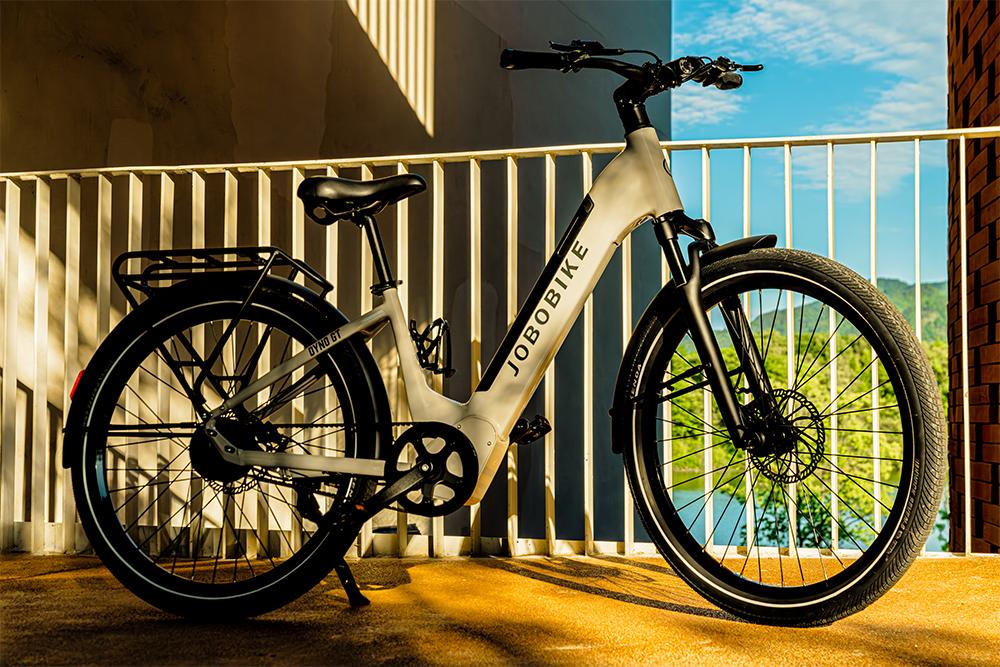
Low-step designs for easy accessibility across riders
This mechanical simplicity is what allows a fleet to operate 100–500 bikes with minimal manual intervention.
Manufacturing Insight from JOBO ebike
At JOBO ebike, we collaborate with urban mobility operators and software developers to build hardware-ready platforms that integrate seamlessly into fleet systems.
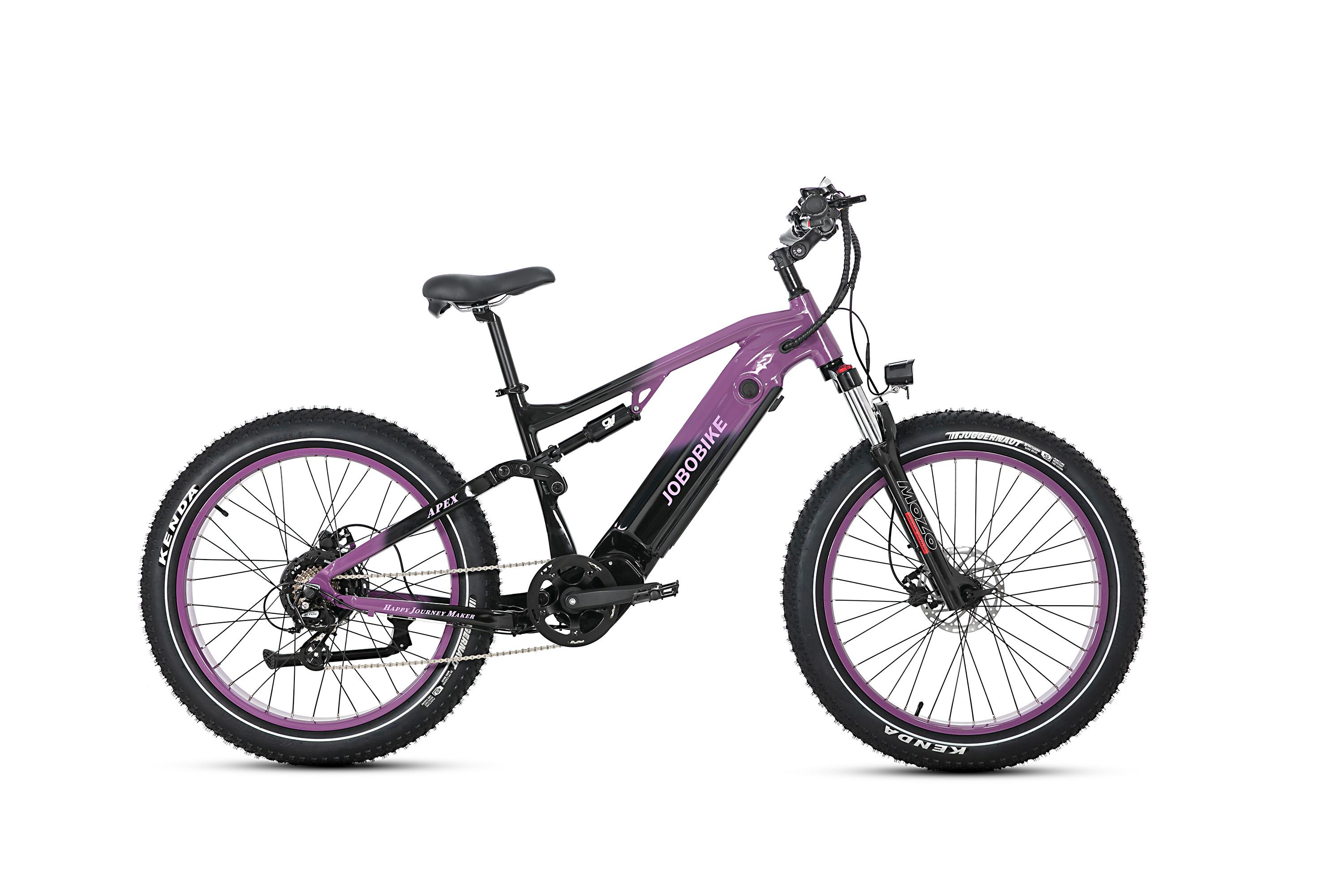
Our e-bikes feature IoT-enabled controllers, anti-theft locking systems, and fleet-grade battery modules tested for endurance and security.
Whether for short-term rental fleets or corporate campus mobility, JOBO ebike provides OEM-ready models built for long-term reliability and smart integration.
Integration with Management Systems and APIs
The efficiency of a shared fleet depends on how well the e-bike hardware interacts with its platform software.
Common integrations include:
-
GPS + GSM data sync for live tracking
-
Fleet performance analytics dashboards
-
API connection to payment gateways or rental apps
-
Firmware OTA updates for fleet-wide optimization
When combined, these systems allow managers to track every kilometer, battery cycle, and user interaction in real time — transforming mobility management into an automated process.
What Fleet Operators Should Check Before Partnership
| Common Issue | Why It Matters | Recommendation |
|---|---|---|
| Non-standard communication protocol | Limits data integration | Choose open API-based systems |
| Weak frame durability | Raises maintenance costs | Select fleet-grade frames |
| No anti-theft measures | Causes loss and downtime | Require GPS + smart lock |
| Unstable firmware | Affects user experience | Opt for tested OTA-supported systems |
| Unverified OEM | Risk of inconsistent quality | Partner with certified manufacturers |
Frequently Asked Questions
Q1: How many e-bikes can a shared platform manage efficiently?
Depending on system capacity, typically 50 to 5,000 units per platform.
Q2: Can existing fleets retrofit IoT modules?
Yes, with compatible hardware, most standard controllers can integrate GPS and lock modules.
Q3: What are the key certifications to verify before fleet deployment?
EN15194 for electrical safety, UN38.3 for battery compliance, and CE for overall conformity.
Enabling Scalable, Sustainable Mobility
From delivery startups to smart city projects, shared fleet e-bike platforms are redefining how organizations deploy and manage electric mobility.
At JOBO ebike, we provide the OEM foundation — durable hardware, IoT-ready integration, and custom configurations — enabling operators to scale with confidence.
To discuss partnership models or fleet-ready designs, visit our homepage or contact us through the contact page.