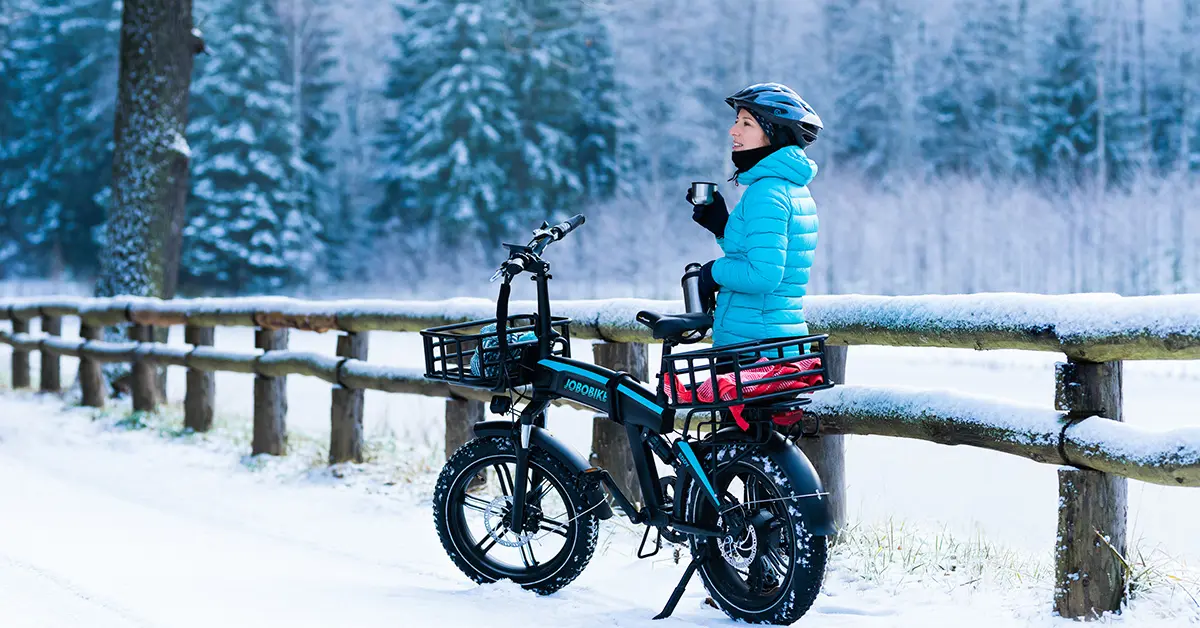

Smart Folding E-Bikes: Compact Design Meets Intelligent Control
Redefining the Future of Urban Commuting
The smart folding e-bike represents a new generation of electric mobility — one that combines digital intelligence, compact design, and mechanical precision.
It’s designed for riders who demand both portability and performance, and for OEM partners aiming to deliver cutting-edge connected vehicles to global markets.
This segment is driving the evolution of urban commuting, merging electric drive systems with real-time data control and app-based smart features.
Core Features of a Smart Folding E-Bike
Modern smart folding e-bikes balance mechanical flexibility with intelligent system integration.
Their core design elements typically include:
-
Quick-fold frame system (10-second fold) with reinforced alloy joints
-
Smart display and Bluetooth connectivity for real-time control
-
GPS and app-based anti-theft protection
-
Integrated 36V 10Ah lithium battery offering 60–80 km range
-
High-efficiency rear hub motor (250–350W) with torque sensors
-
Automatic power-assist and ride-mode adjustment via mobile app
-
Lightweight frame (≤18 kg) engineered for office, train, or home storage
Together, these features make smart folding e-bikes ideal for daily commuters, delivery operators, and shared mobility services in high-density cities.
Comparison: Traditional Folding vs Smart Folding E-Bike
| Feature | Traditional Folding E-Bike | Smart Folding E-Bike |
|---|---|---|
| Folding Mechanism | Manual latch | One-touch assisted fold |
| Connectivity | None | Bluetooth + IoT app control |
| Motor System | Fixed assist level | Adaptive torque sensing |
| Security | Key lock | GPS + app-based anti-theft |
| Diagnostics | Manual inspection | Real-time via dashboard |
| Maintenance | Reactive | Predictive alerts via cloud |
The smart system not only simplifies the commute but also reduces downtime and improves fleet-level monitoring for operators and OEM buyers.
Manufacturing Insight from JOBO ebike
At JOBO ebike, we integrate electronic control units (ECUs) and IoT connectivity modules directly into folding e-bike frames.
Our R&D process covers structural fatigue analysis, IP65 waterproofing, and OTA firmware testing to ensure durability under complex city conditions.
The goal is to combine mechanical simplicity with intelligent control, producing bikes that are both portable and technologically advanced.
OEM clients can choose from smart folding frameworks optimized for different markets — from commuter-focused lightweight models to app-integrated rental fleets.
OEM Customization Options
| Customizable Feature | Available Options | OEM Advantage |
|---|---|---|
| Frame Material | Aluminum / Magnesium / Carbon alloy | Weight and strength balance |
| Motor System | 250W / 350W rear hub | Regional compliance |
| Battery Capacity | 36V 7–10Ah integrated | Flexible range choice |
| Folding Style | Mid-frame / Handlebar fold | Adapted to user scenario |
| Smart System | Bluetooth / GPS / 4G IoT | Connected fleet support |
| Display Type | TFT / LED / App-based | Brand-specific UX |
With modular assembly and open software APIs, JOBO enables OEM partners to build connected product ecosystems tailored for their target audience.
What to Check Before Purchasing
| Common Issue | Why It Matters | Recommendation |
|---|---|---|
| Fragile folding hinge | Reduces lifespan | Request fatigue test data |
| Poor app compatibility | Hinders connectivity | Verify firmware version |
| Weak signal strength | Affects GPS tracking | Ensure optimized antenna design |
| Battery overheating | Shortens cycle life | Use certified cells with BMS |
| Complicated maintenance | Increases cost | Ask for OTA diagnostic support |
| Excess weight | Reduces portability | Target ≤18 kg configuration |
These evaluations help ensure the folding e-bike truly delivers smart and sustainable performance in real-world use.
Smart Mobility for Urban Efficiency
A smart folding e-bike is not just a vehicle — it’s an intelligent commuting system.
With app-based control, GPS monitoring, and OTA updates, riders gain both flexibility and security.
At JOBO ebike, we help OEM partners develop connected, durable, and lightweight folding e-bikes tailored for diverse market needs.
To explore our latest OEM smart folding solutions, visit our homepage or connect with our team via the contact page.