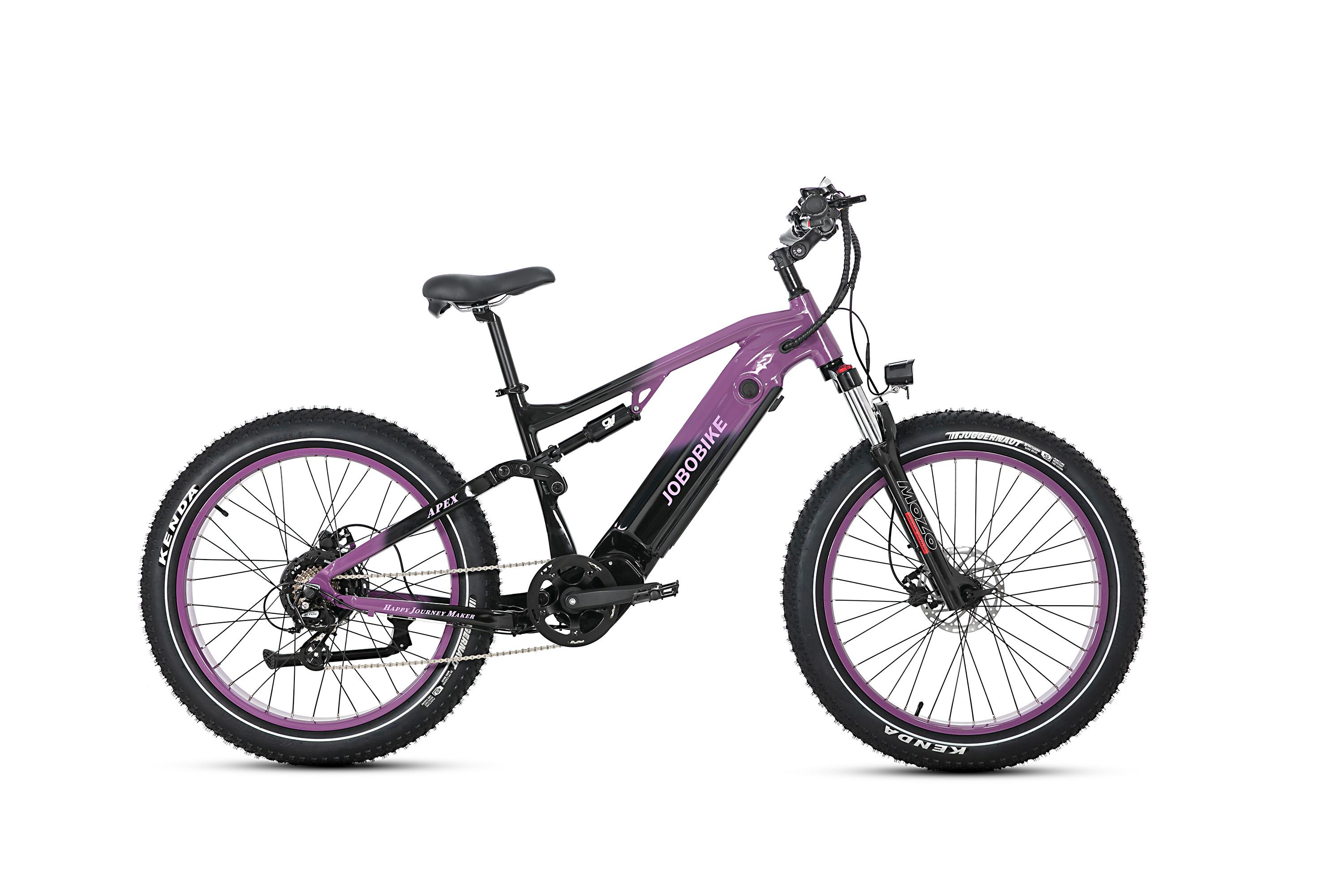

Built to Last: The Business Value of a Sustainable E-Bike Manufacturer
As cities push toward greener transport goals and regulations tighten across Europe, sustainability in e-bike production is no longer a nice-to-have—it’s a strategic advantage.
For electric bike brands, working with a sustainable e-bike manufacturer isn’t just about ethics. It’s about positioning, market access, and building a long-lasting product your customers can stand behind.
What Sustainability Really Means in E-Bike Manufacturing
Sustainability isn’t just about carbon offsets or recycled packaging. At Jobo, it’s built into every stage of how we design, produce, and ship our bikes.
Here’s what it means practically:
-
Energy-efficient production lines with smart usage tracking
-
Battery reuse and lifecycle planning for all Jobo e-bikes
-
Modular frame and component design for easier servicing and part replacement
-
Local EU assembly to reduce freight miles and customs waste
-
Eco-certified materials (paints, saddle fabrics, packing foam)
The Business Impact of Sustainable Manufacturing
Sustainability is also about performance and profitability:
Extended Product Lifespan
A cargo bike built for heavy-duty fleet use lasts longer thanks to stress-tested welds, weather-sealed electronics, and reinforced drivetrain design.
Reduced Replacement and Maintenance
Designing city bikes with smart battery management extends charge cycles, lowering end-user total cost of ownership (TCO).
Easier Regulatory Approval
With EN15194, CE, and RoHS compliance built in, Jobo-made OEM bikes meet growing expectations from importers, cities, and public fleet tenders.
Brand Alignment with Policy & Grants
Clients using folding bikes or commuter e-bikes can leverage their sustainability specs when applying for green transport subsidies or fleet incentives.
Jobo’s Sustainability Approach
-
EU-based assembly & warehousing: Less shipping, faster restock
-
Certified supplier network: Verified input material sources
-
Lifecycle support: Battery swap and service-ready frame access
-
Low-waste painting: Electrostatic coating reduces overspray by 85%
-
Bulk shipping strategies: Packaged to reduce carbon per unit
Where Sustainable E-Bikes Make a Difference
-
Municipal programs: City-wide deployments of Jobo city bikes help reduce car dependency and align with urban carbon neutrality goals.
-
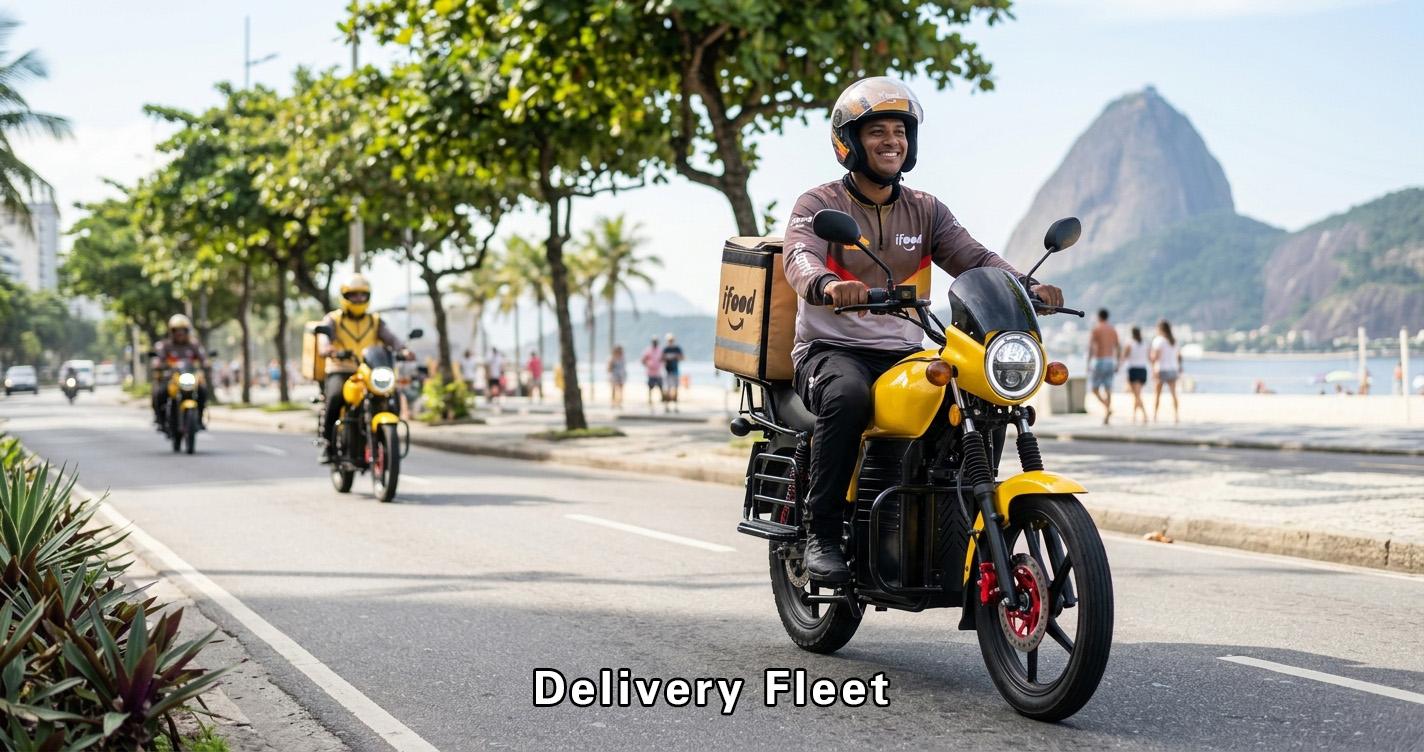
Delivery fleets: Heavy-duty Jobo cargo bikes with reinforced frames and swappable batteries lower environmental impact and reduce fleet downtime.
-
Tourism services: Clean, quiet, and energy-efficient Jobo folding bikes support eco-conscious travel and attract sustainability-minded travelers.
-
University and campus mobility: Compact, low-maintenance bikes reduce shuttle bus reliance and align with institutional climate targets.
-
Real estate and smart community projects: Developers integrate Jobo e-bikes into residential mobility hubs to promote green transit alternatives.
-
Corporate ESG initiatives: Businesses use branded e-bikes for employee commuting, reducing Scope 3 emissions while enhancing CSR visibility.
What Sustainability-Focused Clients Want to Know
Q1: Do Jobo’s bikes qualify for EU sustainability tenders?
Yes. All Jobo OEM models meet EN15194 and CE compliance, and include material source documentation for grant application support.
Q2: What makes Jobo’s batteries more sustainable?
We use high-efficiency lithium-ion cells rated for 800+ full cycles, with optional smart BMS integration and local recycling programs in Europe.
Q3: Is there a way to reuse frames or parts from older bikes?
Yes. Our modular designs allow easy frame inspection and part upgrades—extending total bike life and reducing landfill risk.
Grow Responsibly with a Manufacturer That Shares Your Values
Sustainability is not just an operational decision—it’s a growth strategy. With more buyers, cities, and investors demanding accountability, brands that partner with a sustainable e-bike manufacturer like Jobo gain credibility, compliance, and long-term competitive edge.
👉 Explore our green-certified OEM e-bike options
📞 Talk to our production team about building sustainable mobility together.