Torque Sensor E-Bike Manufacturers: Raising Standards in Precision and Performance
In the fast-evolving e-bike market, precision matters. Riders today expect seamless assistance, natural pedaling feel, and efficient battery use. At the heart of this expectation lies torque sensor technology—a feature that differentiates premium models from entry-level alternatives.
For brands and fleet operators, working with a reliable torque sensor e-bike manufacturer isn’t just about adding a component; it’s about delivering performance that customers notice and value.
Why Torque Sensors Are Game-Changers
-
Natural Riding Experience – Unlike cadence sensors that only detect pedaling, torque sensors measure applied force, delivering smooth and proportional motor assistance.
-
Efficiency in Battery Use – By adapting output to rider effort, torque sensors optimize energy consumption, extending range—critical for fleet operations and long commutes.
-
Market Differentiation – Consumers increasingly equate torque sensor technology with premium quality, allowing retailers to position themselves above budget competitors.
According to Deloitte’s 2024 mobility report, 70% of new e-bike adopters in urban areas prefer models with torque sensors, citing comfort and control as decisive factors.
Business Pain Points Without Reliable Production
-
Inconsistent Integration – Poorly calibrated sensors lead to laggy response, undermining the premium feel.
-
Limited Scalability – Small workshops may manage prototypes, but bulk orders often expose quality issues.
-
Compliance Risks – Non-certified sensor systems may fail EN15194 testing, blocking access to EU markets.
-
Delayed Delivery – Suppliers lacking large-scale production capacity cause missed seasonal or fleet deployment windows.
How Jobo Adds Value as a Torque Sensor E-Bike Manufacturer
-
Precision Engineering – All Jobo e-bikes with torque sensors undergo calibration and ride testing to ensure consistent pedal-assist response.
-
Custom Solutions – From Jobo city bikes optimized for commuters to Jobo cargo bikes for delivery fleets, torque sensor systems are tuned for different use cases.
-
Compliance First – Every torque sensor system is integrated with EN15194 and CE certification processes for seamless market access.
-
Scalable Manufacturing – EU-based assembly hubs guarantee timely delivery for bulk orders, reducing supply chain risks.
Application Scenarios
-
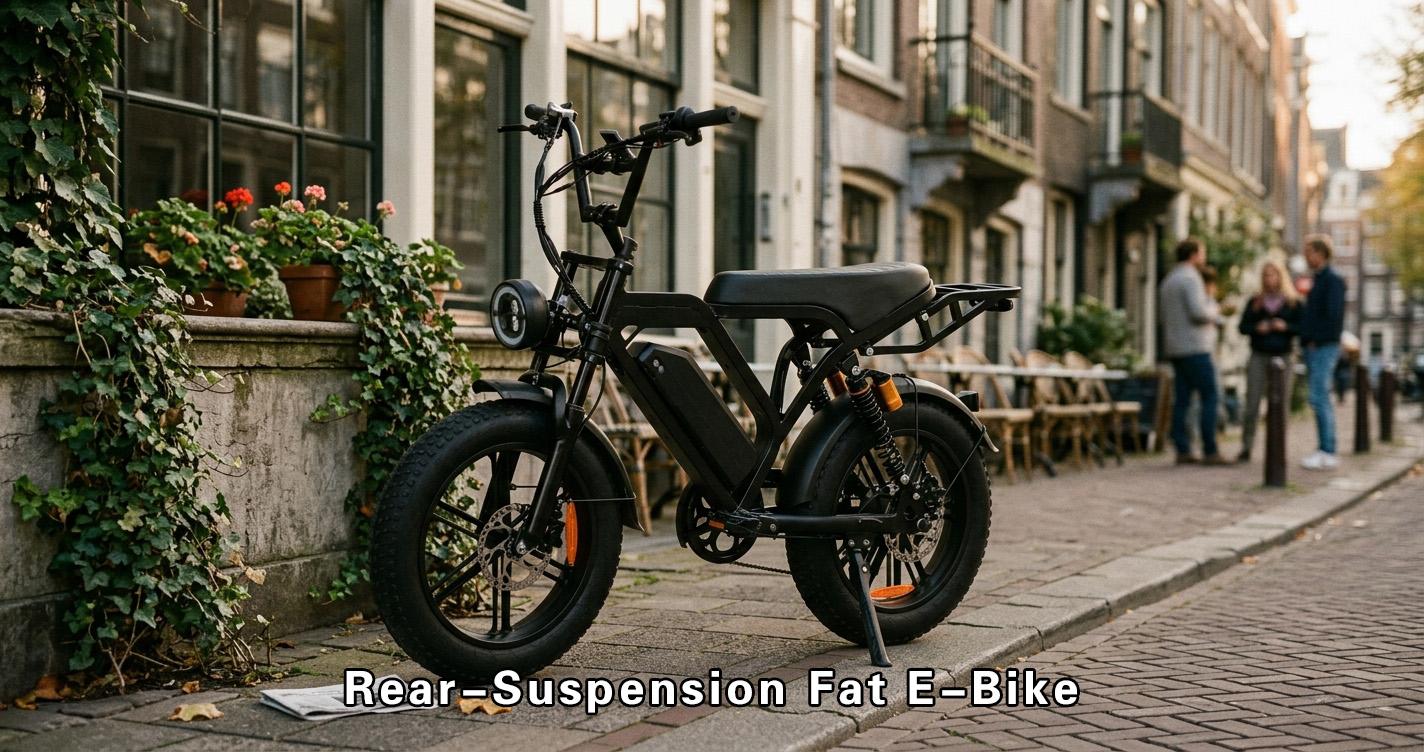
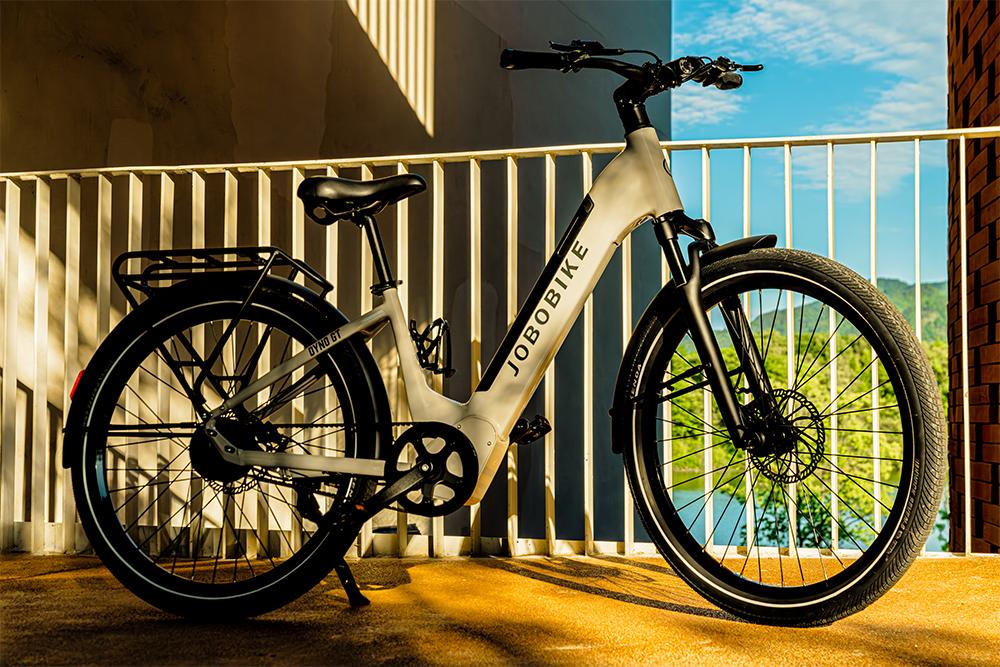
Urban Commuting – Jobo city e-bikes with torque sensors give professionals a smooth, efficient ride for daily travel.
-
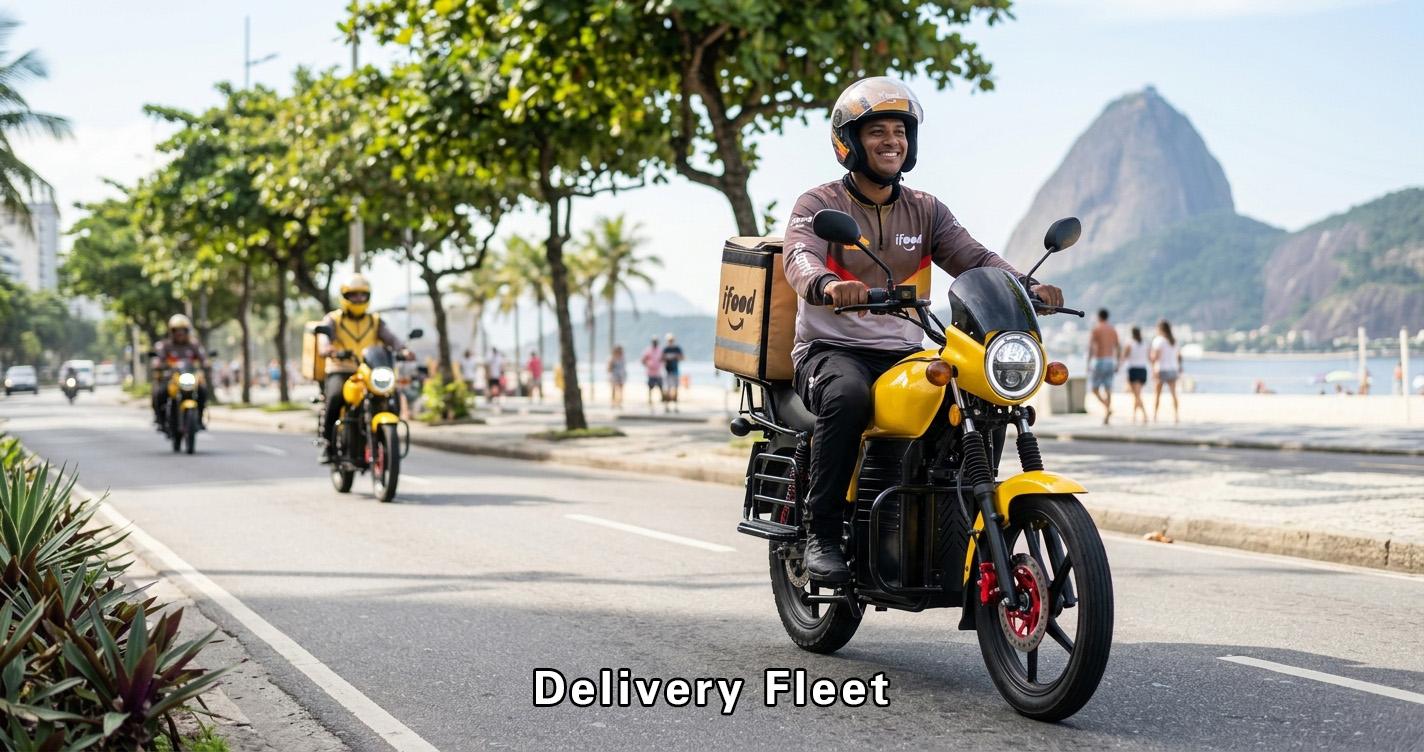
Delivery Fleets – Torque sensors ensure consistent power support for heavy loads, extending battery range on Jobo cargo bikes.
-
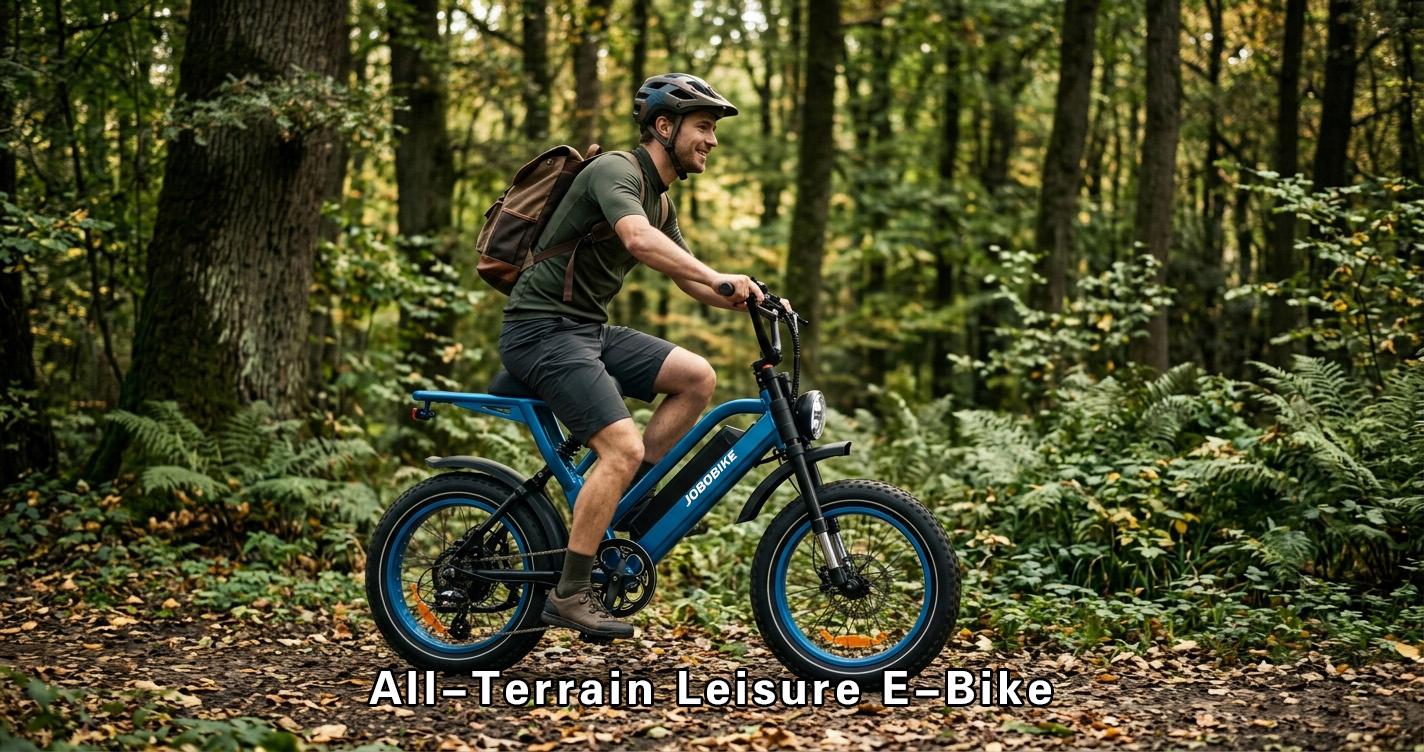
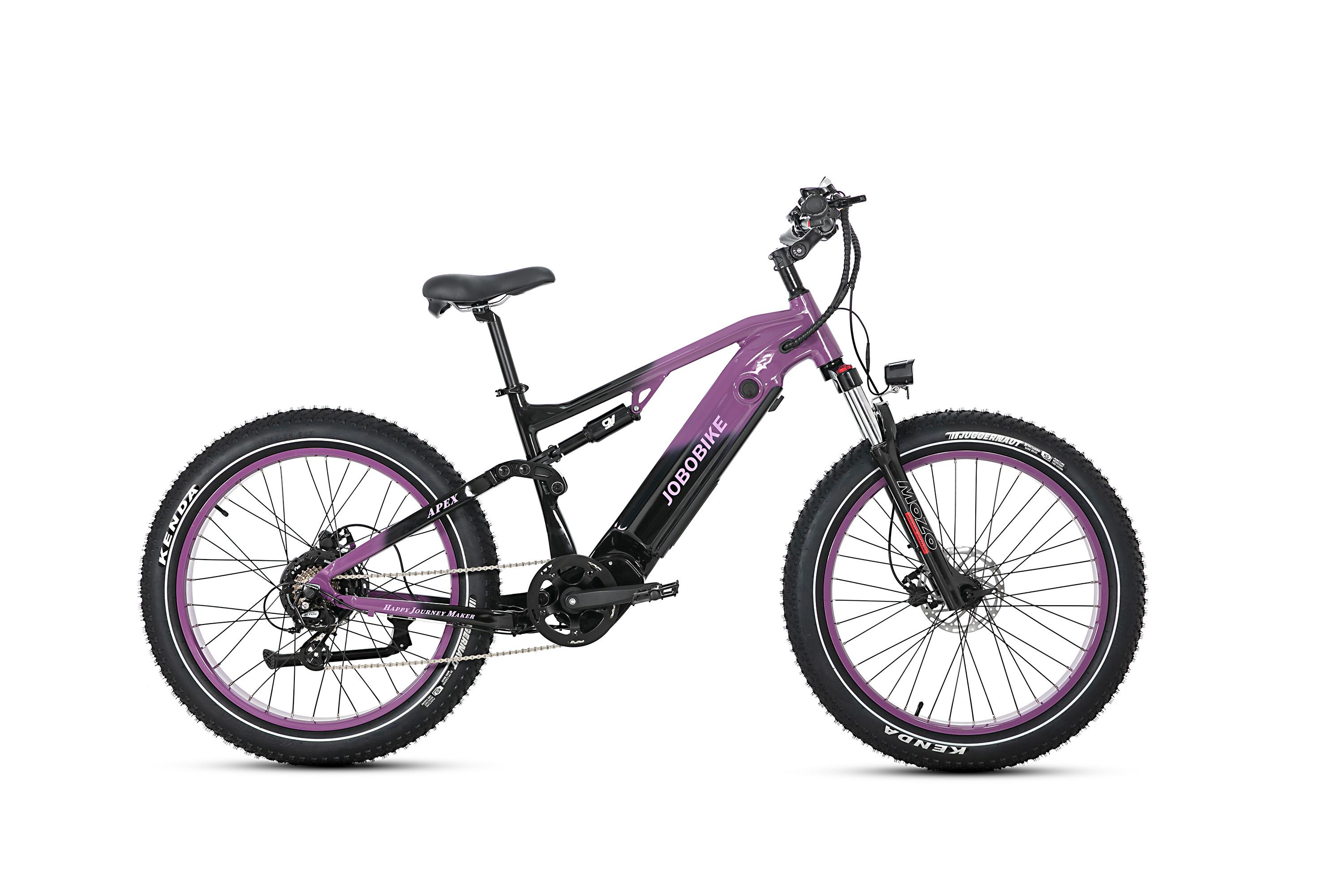
Adventure & Fitness – On Jobo mountain bikes, torque sensors enhance control on steep terrains, providing a responsive yet natural riding feel.
-
Compact Solutions – Jobo folding bikes integrate torque sensors for city riders seeking both convenience and premium performance.
Frequently Asked Questions
Q1: Can torque sensor calibration be customized for different markets?
Yes. Jobo offers tuning options—ranging from efficiency-focused settings for commuters to high-assist modes for delivery fleets.
Q2: How does Jobo ensure sensor reliability at scale?
Every torque sensor system undergoes multi-point testing, including stress simulations, to ensure consistent performance across bulk production.
Q3: What certifications support torque sensor-equipped e-bikes?
All Jobo models with torque sensors are tested for EN15194 and CE compliance, ensuring legal entry into the European market.
Partner With a Manufacturer That Delivers Precision
In today’s market, riders expect more than just an e-bike—they expect refinement. A trusted torque sensor e-bike manufacturer like Jobo gives brands the ability to scale with confidence, offering smoother rides, certified compliance, and on-time delivery.
Discover our OEM production solutions or connect with our specialist team to see how torque sensor integration can power your next growth phase.