Why Urban Cargo E-Bikes Are Redefining City Delivery and Daily Utility
Built for Real Urban Tasks, Not Just Commuting
City environments demand fast acceleration, stable load handling, and easy maneuvering through narrow roads or traffic.
A urban cargo e-bike is engineered specifically for these tasks, offering:
-
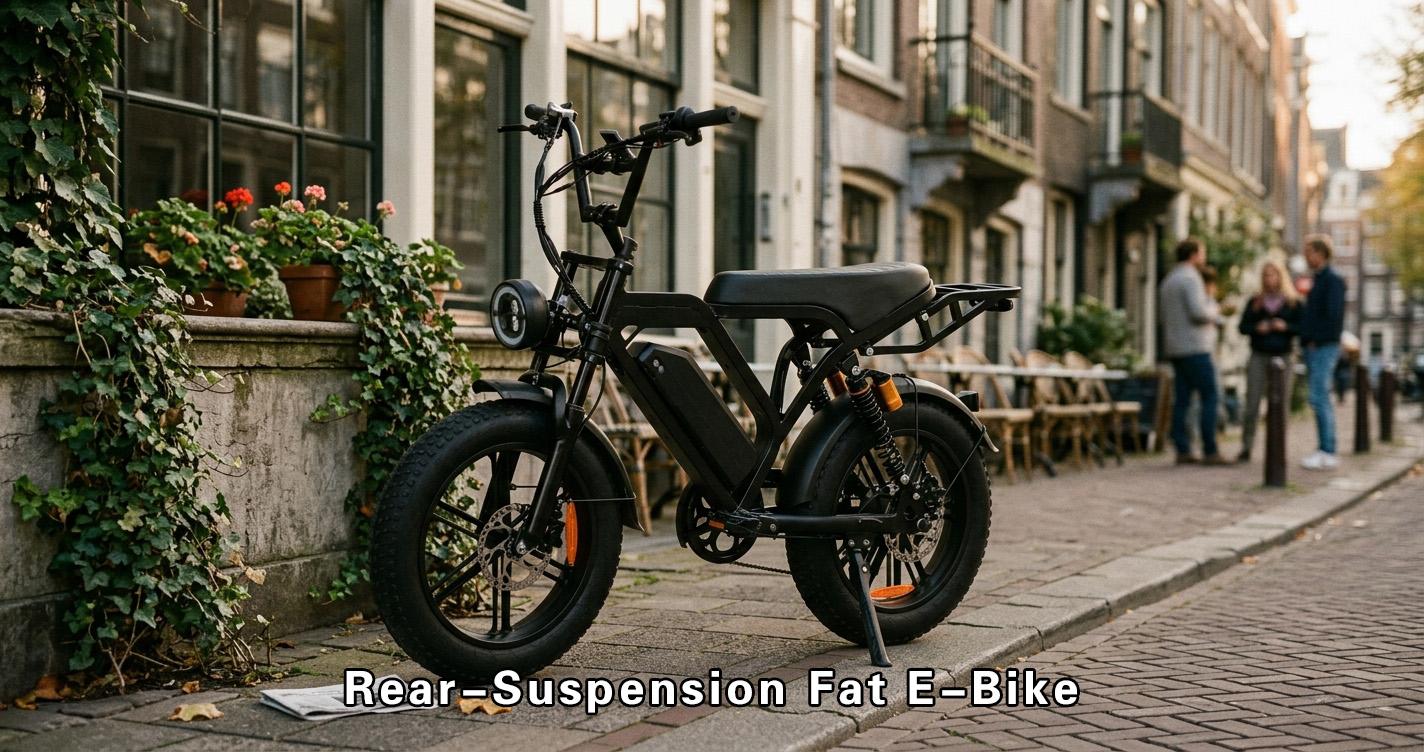
Stronger frames for carrying parcels, groceries, tools, or equipment
-
Extended wheelbase for stability under load
-
Efficient motors capable of repeated start-stop cycles
-
Compact, city-friendly dimensions
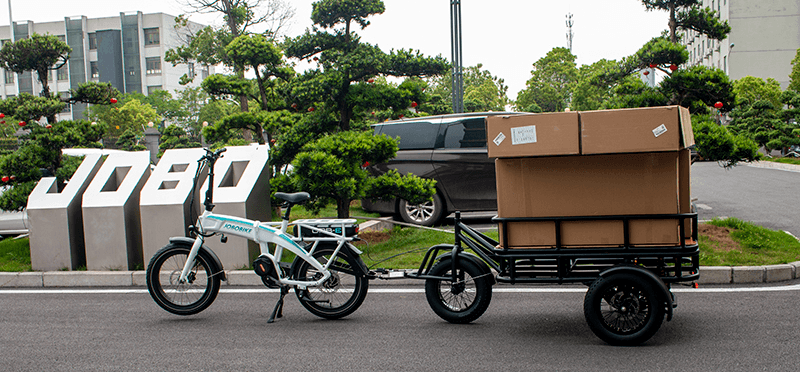
Unlike typical commuter bikes, cargo-oriented designs allow riders and delivery operators to transport meaningful payloads without sacrificing control.
Structural Engineering for Load Stability
A cargo platform must balance strength and maneuverability. Key engineering features include:
-
Reinforced 6061/7005 aluminum frames with multi-welded support points
-
Front or rear cargo racks rated from 25–60 kg depending on configuration
-
Low-center-of-gravity geometry to keep the bike stable even when fully loaded
-
Wider tire platforms (20–24 inches) to absorb vibration and improve traction
-
Hydraulic disc brakes for reliable stopping power under additional mass
Together, these elements ensure that an urban cargo e-bike handles predictably in busy city environments and tight delivery spots.
Power Systems Designed for Stop-and-Go Efficiency
Urban delivery includes frequent braking, restarting, and navigating slopes or overpasses.
Powertrain elements typically include:
-
250W–500W rear hub motors tuned for torque rather than top speed
-
36V/48V battery systems that maintain stable output during heavy load conditions
-
Heat-managed controllers to prevent performance drop in long working hours
-
Programmable torque curves for smoother acceleration with cargo
This configuration helps riders maintain consistent speed and control without draining the battery prematurely.
Urban Cargo E-Bike vs Standard City E-Bike
| Feature | Urban Cargo E-Bike | Standard City E-Bike |
|---|---|---|
| Load Capacity | High (25–60+ kg) | Low (5–15 kg) |
| Frame Strength | Reinforced for cargo | Standard commuter design |
| Handling | Stable under load | Best with no cargo |
| Ideal Use Case | Delivery, utility transport | Commuting, leisure |
| Braking | Stronger hydraulic brakes | Standard brakes |
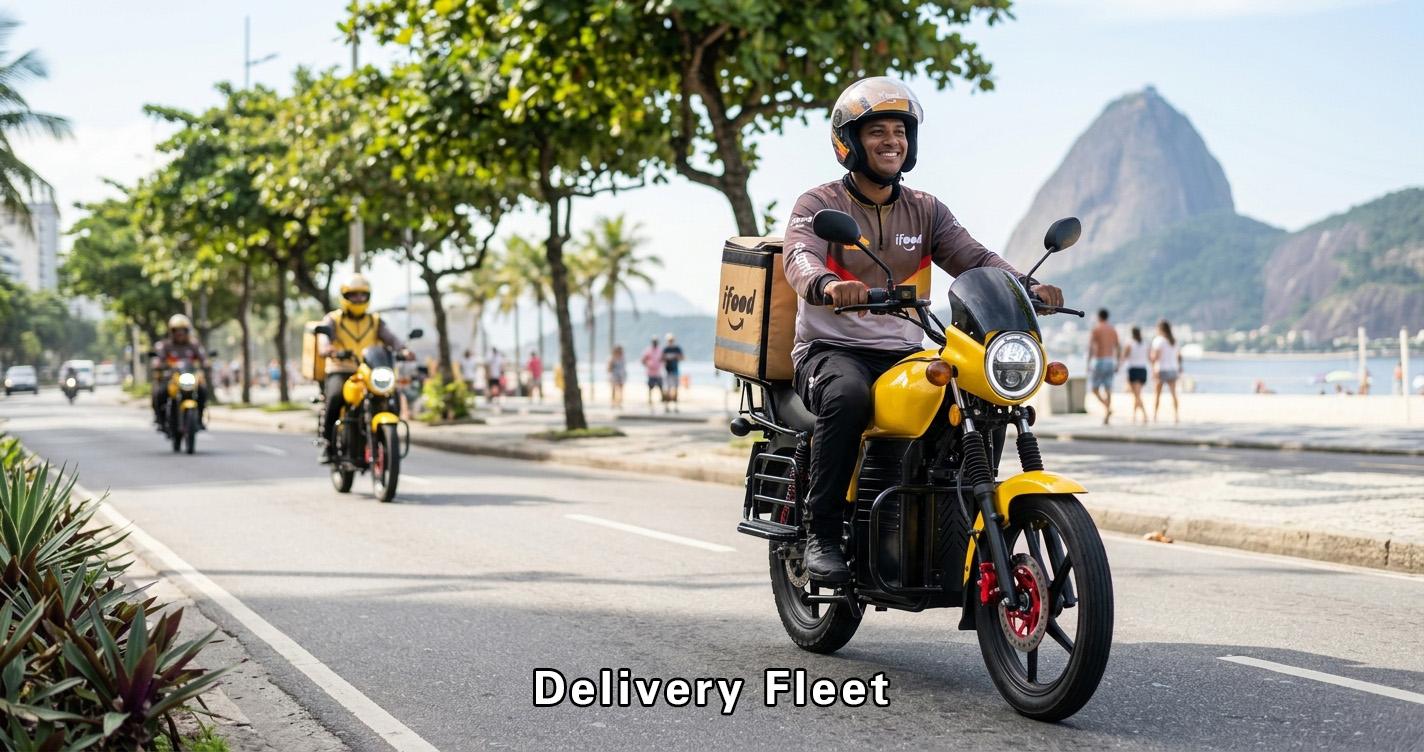
This comparison shows why fleet operators and delivery platforms increasingly prefer utility-oriented cargo models.
Manufacturing Insight from JOBO ebike
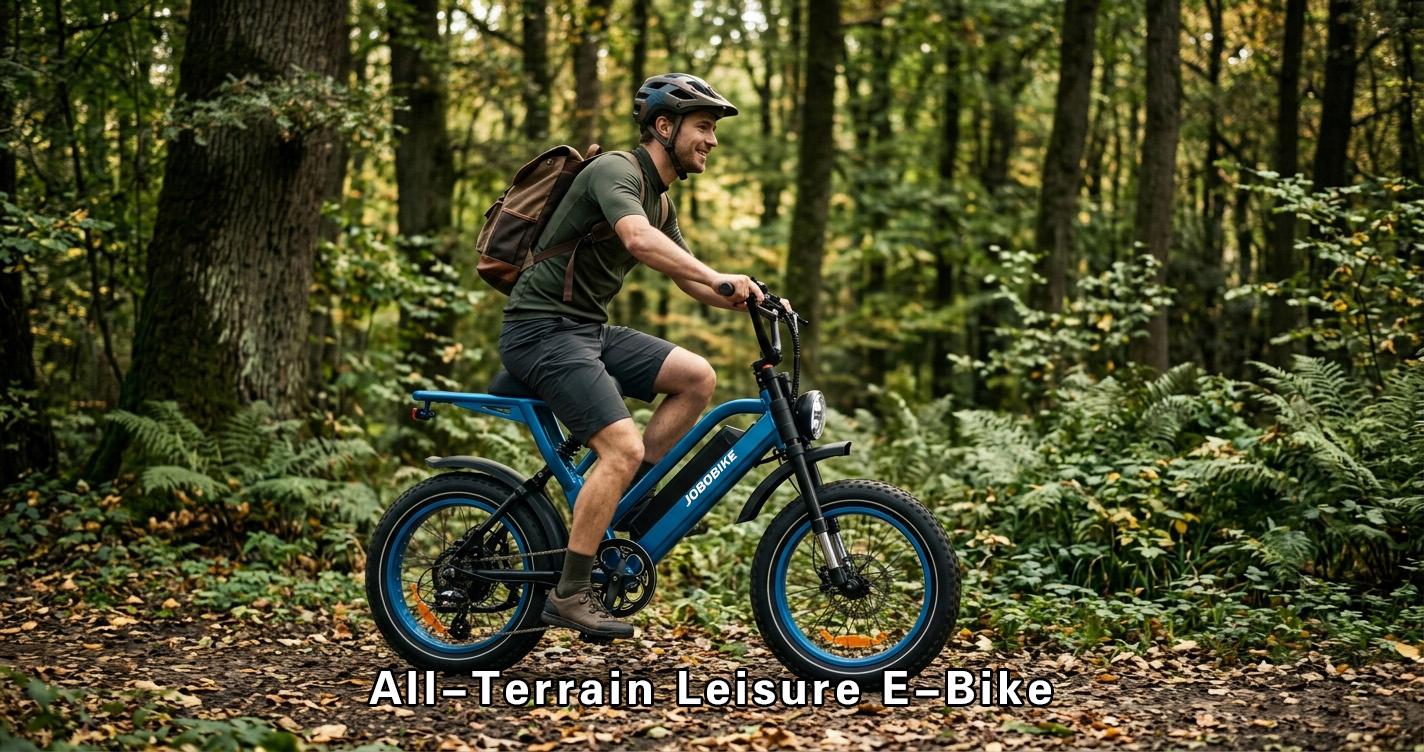
At JOBO ebike, development of cargo-oriented models emphasizes:
-
Structural reinforcement at rack interfaces
-
Balanced frame geometry for predictable handling
-
Modular racks and mounting points
-
Long-life electronics designed for daily start-stop cycles
Each model undergoes load simulation, vibration testing, and heat-performance evaluation to ensure real-world suitability for high-frequency city use.
Recommended Configurations for Different Urban Use Cases
1. Food & Parcel Delivery
-
Lightweight rear rack
-
Fast acceleration motor tuning
-
48V mid-capacity battery
Best for high-frequency short routes.
2. Grocery & Utility Transport
-
Larger front and rear platforms
-
Stronger frame welds
-
Wide tires for stability
Suitable for multi-stop transport or personal utility needs.
3. Corporate & Campus Operations
-
Modular cargo baskets
-
Maintenance-friendly electronics
-
Anti-theft locking points
Ideal for hospitals, schools, hotels, and internal logistics.
4. Commercial Urban Fleets
-
Long-lasting batteries
-
Easy component access
-
Uniform parts for maintenance
Designed to minimize downtime across a large fleet.
What Buyers Should Check Before Purchasing
| Common Issue | Why It Matters | Recommendation |
|---|---|---|
| Weak rack attachment | Causes instability under load | Choose multi-point welded racks |
| Low motor torque | Hard to start when loaded | Select torque-tuned 250–500W systems |
| Poor weight distribution | Leads to unsafe handling | Ensure low center-of-gravity frame |
| Insufficient brake capacity | Inadequate for heavy loads | Use hydraulic disc brakes |
| Low battery endurance | Stops mid-route | Choose 48V batteries with high efficiency |
| Plastic rack parts | Prone to cracking | Prefer metal platforms only |
| Poor sealing | Rain affects electronics | Require IP-rated connectors and housings |
Frequently Asked Questions
Q1: Can an urban cargo e-bike replace a scooter or small van for deliveries?
For short-to-medium city routes, yes. Cargo e-bikes handle dense traffic and narrow streets better.
Q2: What is the realistic range under load?
Typically 40–70 km depending on cargo weight and terrain.
Q3: Are cargo e-bikes difficult to ride when fully loaded?
Not when the geometry and rack structure are engineered correctly.
Practical Utility for a Modern, Compact City
As delivery services grow and personal transport evolves, the urban cargo e-bike provides a practical, efficient alternative for carrying goods in city environments. At JOBO ebike, we continue refining frame durability, load stability, and energy efficiency to support OEM partners developing city delivery and utility platforms.
To explore technical options or discuss customization, visit our homepage or reach our team through the contact page.