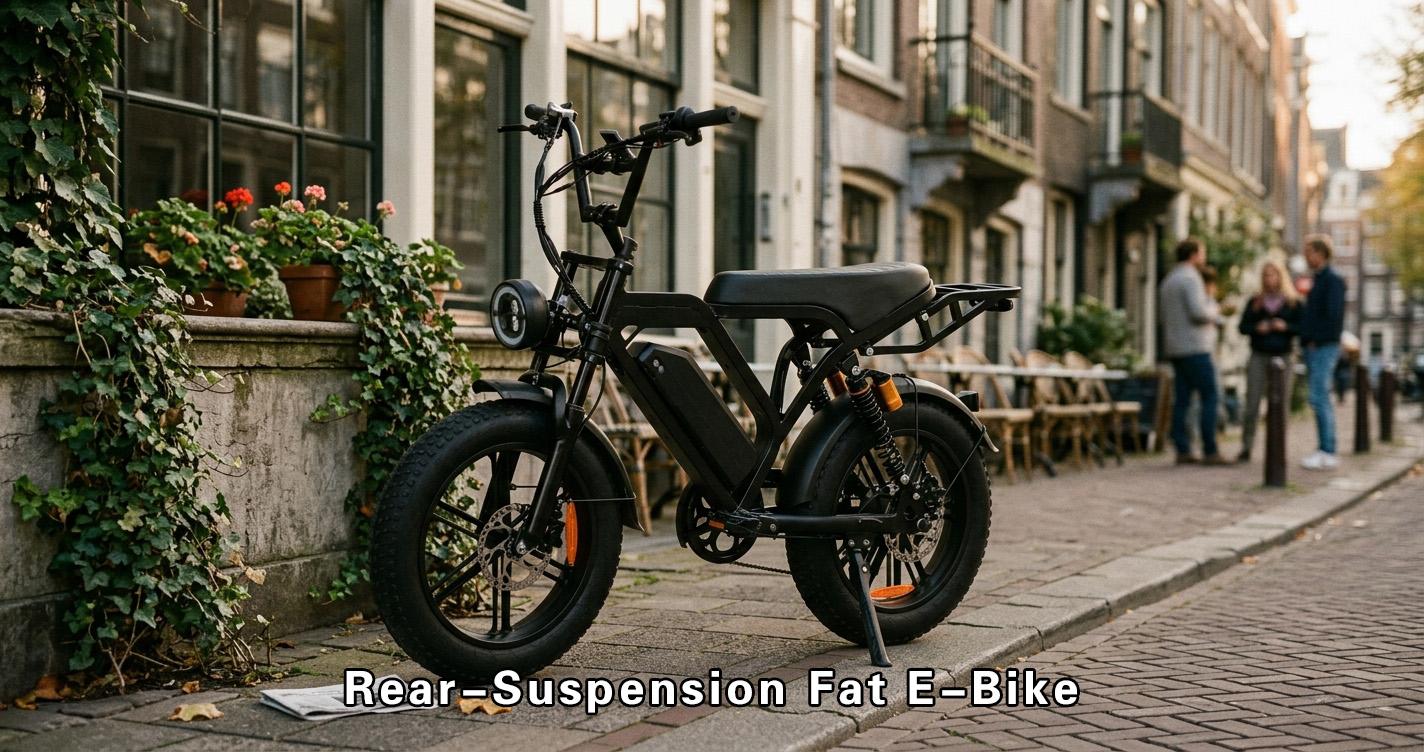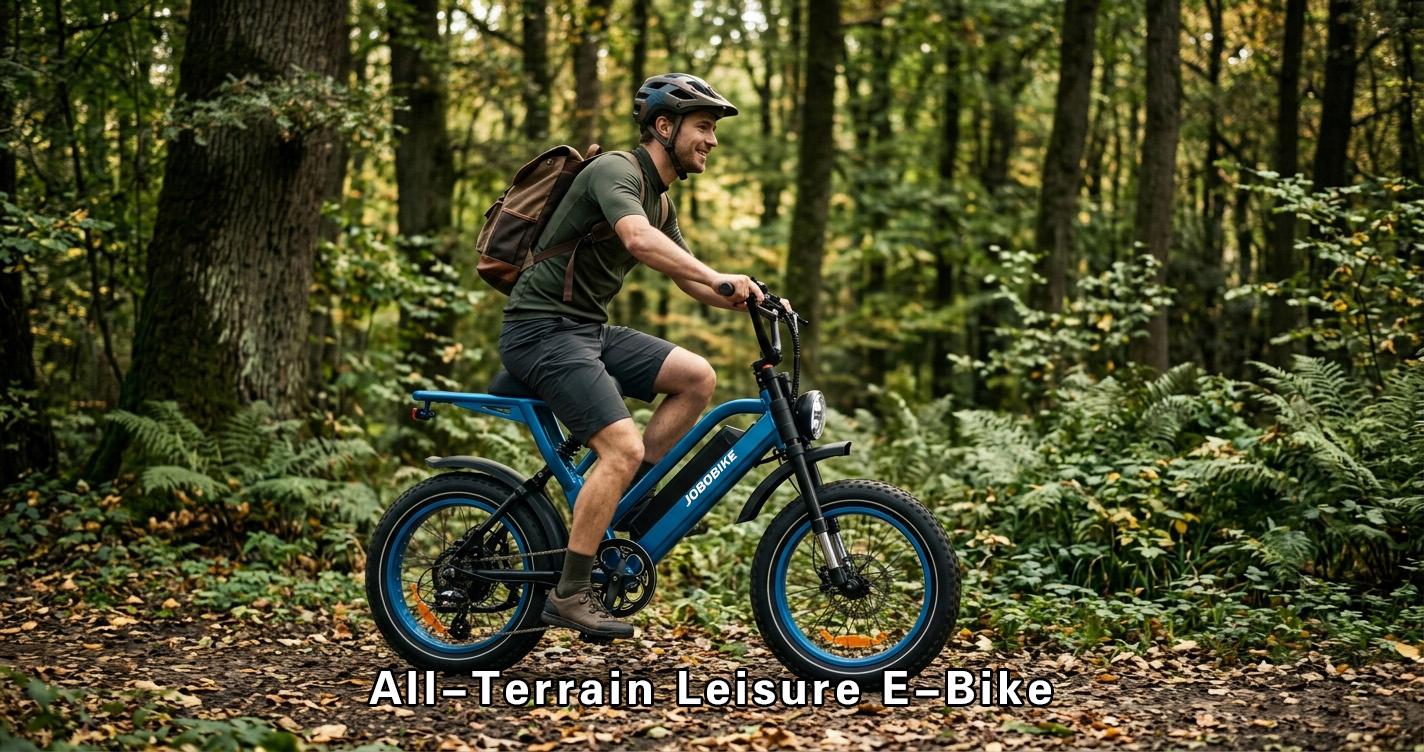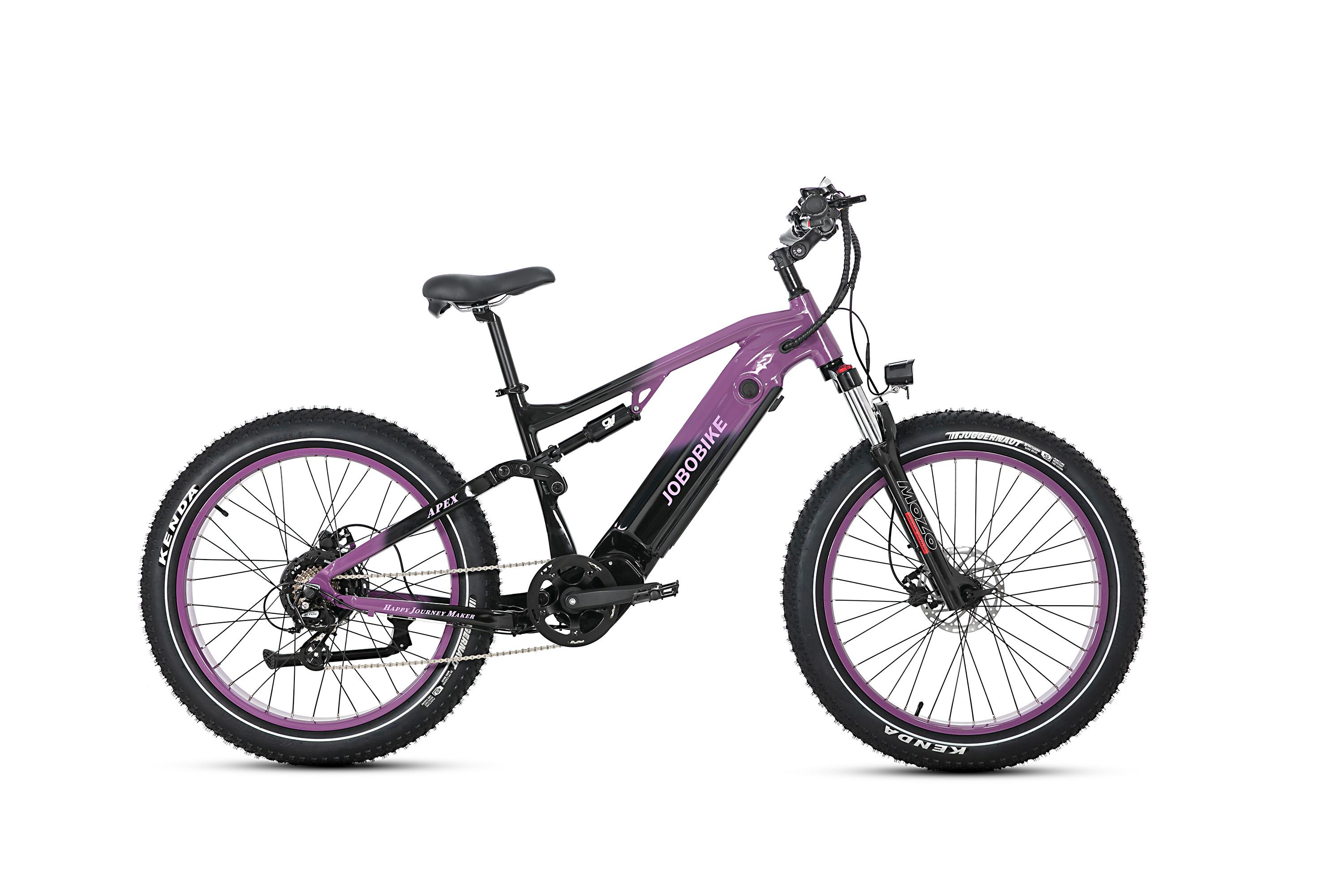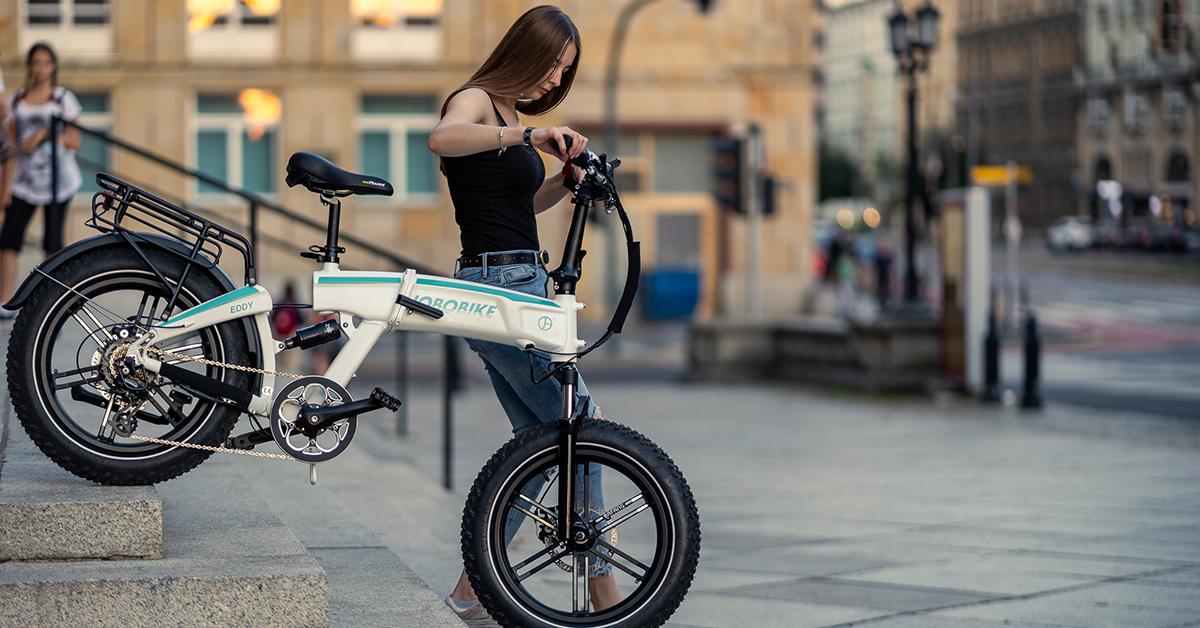

Urban Smart Mini E-Bikes: Compact Intelligence for Modern City Commuters
A New Era of Connected Urban Mobility
The urban smart mini e-bike brings digital intelligence to compact electric mobility.
Equipped with IoT systems, smart app integration, and real-time diagnostics, these models redefine what city commuting means for riders and operators alike.
For OEM brands, this segment opens a fast-growing market where software meets hardware, allowing differentiation through data-driven experiences and user convenience.
Core Smart Features That Enhance Daily Commuting
Unlike traditional mini e-bikes, smart versions incorporate intelligent control modules for safer and more efficient rides.
Typical features include:
-
App connectivity via Bluetooth or 4G IoT module for control and tracking
-
Smart LCD/TFT display showing real-time speed, range, and motor load
-
Geo-fencing and anti-theft alerts integrated into the mobile app
-
Battery management system (BMS) with real-time health diagnostics
-
Over-the-air firmware updates for long-term system reliability
-
Auto-lock and power-assist modes for shared fleet use
These innovations transform compact e-bikes into connected urban vehicles, ideal for both private users and shared mobility operators.
Technical Specifications for OEM Reference
| Specification | Typical Value | OEM Benefit |
|---|---|---|
| Frame Material | Aluminum / Magnesium alloy | Lightweight and durable |
| Motor Power | 250–350W rear hub motor | Legal urban performance |
| Battery System | 36V 7–10Ah lithium pack | 40–60 km range |
| Connectivity | App / IoT / GPS module | Real-time data visibility |
| Waterproof Rating | IP65 | Weather-resistant |
| Wheel Size | 14”–16” | Compact city handling |
These specs create a balanced system that prioritizes power efficiency, digital usability, and long-term reliability in crowded city environments.
Manufacturing Insight from JOBO ebike
At JOBO ebike, we develop smart e-mobility platforms that integrate hardware performance with intelligent digital systems.
Our design team collaborates with software partners to embed IoT chips, Bluetooth modules, and smart battery interfaces directly into compact frames.
Each model undergoes firmware testing, vibration simulation, and EMC (Electromagnetic Compatibility) certification to meet international standards.
OEM customers can choose between standard smart systems or fully custom app integrations to align with their brand ecosystem.
What to Check Before Purchasing
| Common Issue | Why It Matters | Recommendation |
|---|---|---|
| Incompatible app interface | Reduces usability | Request demo firmware access |
| Weak GPS signal | Affects tracking | Ensure antenna optimization |
| Complex software maintenance | Increases cost | Choose OTA-compatible systems |
| Poor waterproofing | Damages sensors | Require IP65 compliance |
| Battery data mismatch | Misleading range info | Verify BMS synchronization |
| Limited tech support | Slows updates | Partner with active OEM supplier |
These checks help buyers ensure they are choosing a truly integrated smart mobility solution — not just an e-bike with a screen.
Benefits for Fleet Operators and OEM Buyers
Urban smart mini e-bikes are more than a transport product — they are data-driven mobility tools.
Fleet operators can use cloud dashboards to monitor location, maintenance needs, and battery cycles in real time.
For OEM buyers, smart mini platforms mean faster market deployment, reduced aftersales issues, and higher end-user satisfaction.
Additionally, the smaller frame design makes logistics and storage significantly easier — a critical advantage for shared mobility startups and rental programs.
Frequently Asked Questions
Q1: Can smart mini e-bikes connect to custom brand apps?
Yes. JOBO supports API-level integration with third-party or proprietary apps for tracking and fleet management.
Q2: What’s the lifespan of smart systems?
Typically 3–5 years, depending on environmental conditions and firmware update frequency.
Q3: Are these models suitable for export?
All smart mini e-bikes from JOBO comply with EN15194, CE, and FCC certifications for international distribution.
Smart, Compact, and Ready for the City
The urban smart mini e-bike proves that intelligence doesn’t require size — only thoughtful engineering.
At JOBO ebike, we help OEM partners deliver connected, compact e-bikes that combine performance, portability, and digital innovation.
To explore smart mini mobility solutions or start your OEM project, visit our homepage or contact our team via the contact page.