If you can already ride the Tube in London, cycle a OV-fiets in Amsterdam, or walk across Hyde Park, why would you bother with a shared e-bike?
It sounds like a fair question—until you realise that the Paris Métro doesn't drop you at your front door, parking in Kensington costs more than your lunch, and walking two miles through a London drizzle or a Berlin winter is nobody's idea of a good time.
The truth is, JOBO isn't trying to replace your car, your Oyster card, or your walking boots. It solves the exact trips where driving is overkill, walking is too slow, and public transit leaves you stranded half a kilometre short. Here are seven real-world scenarios where JOBO shared e-bikes stop being a novelty and start being the only logical choice in European cities.
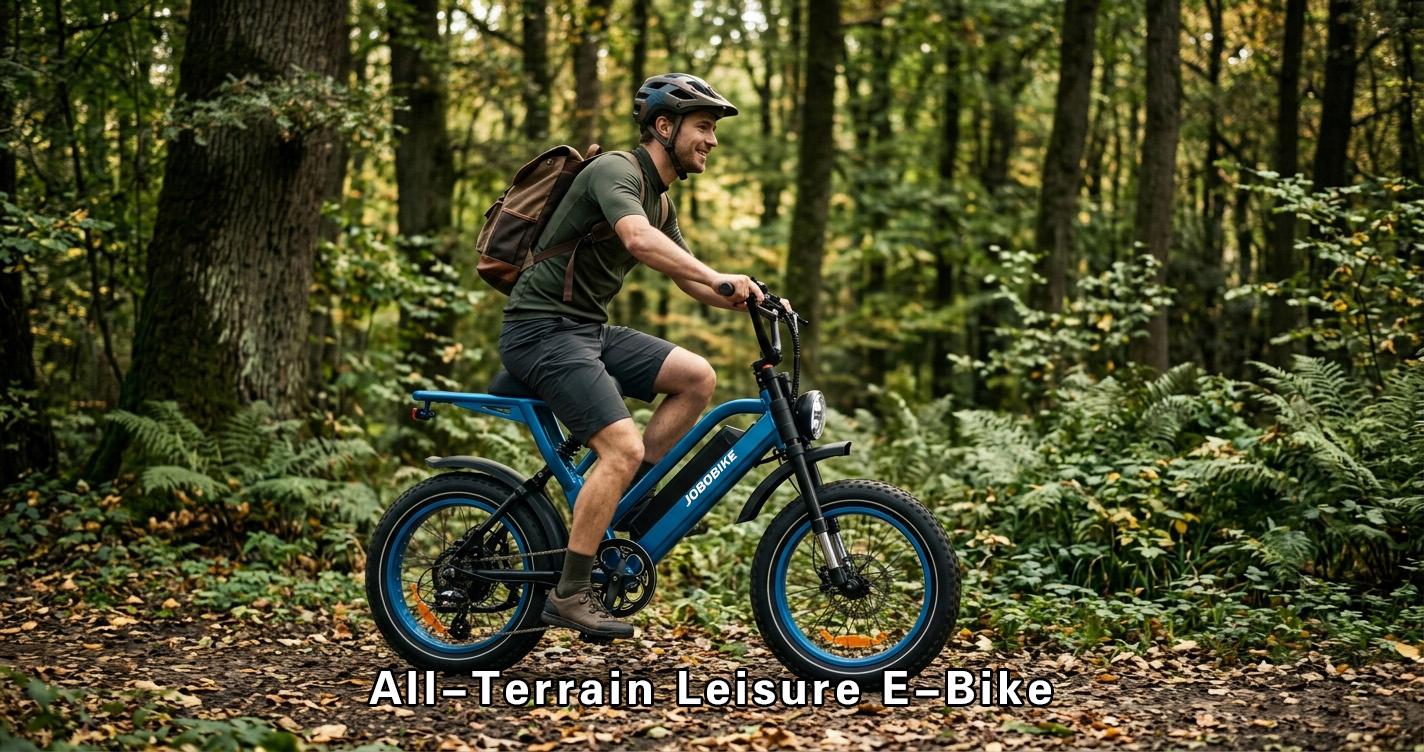
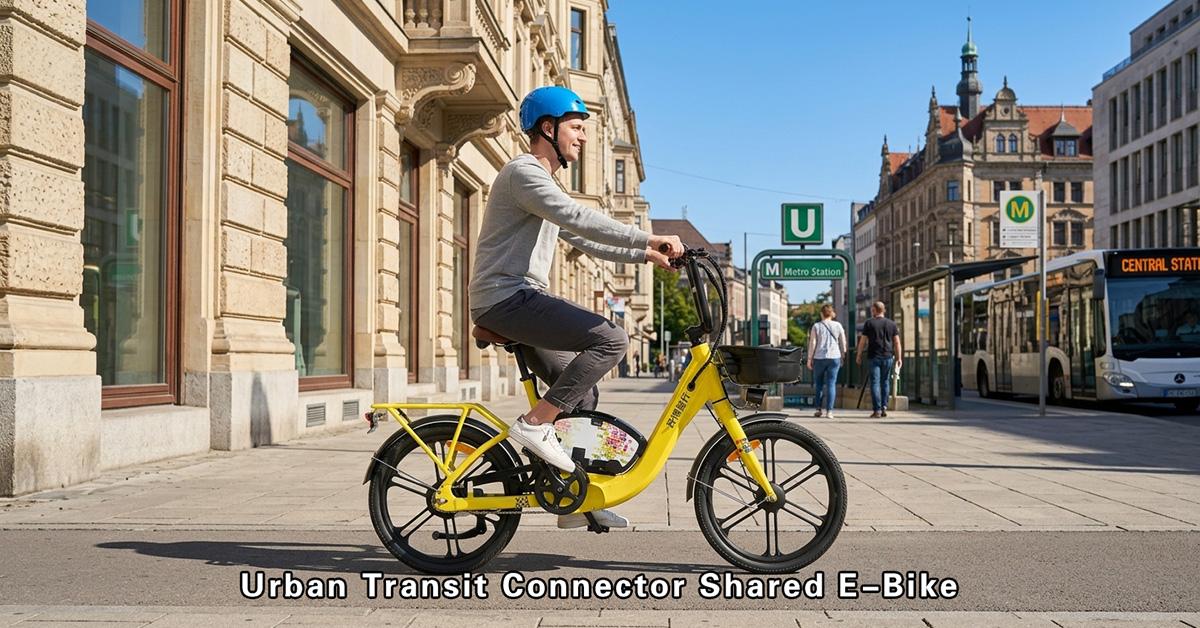
1. Scenic Leisure Touring: Enjoy the Park Without the Burn
The scenario: You're spending Saturday in Hyde Park, Bois de Boulogne, or along Amsterdam's Vondelpark. Walking the full loop means 90 minutes of sore feet and a skipped lunch at the café. A Santander Cycle or traditional rental? Fine, until you realise you're locked into docking stations and hourly rates.
Why JOBO works here: JOBO's shared folding e-bike gives you scenic leisure touring without the sweat or the schedule. Cruise past Serpentine Lake in London, glide through the Conservatoire in Paris, or follow the Englischer Garten in Munich for 10 kilometres—stop for photos, grab a coffee at Betty's, and never worry about returning to a specific rack. Because JOBO bikes fold and deploy quickly, operators can station them at multiple park entrances: near Marble Arch, by the Jardin du Luxembourg, or at Amstelveenseweg—no massive docking infrastructure required.
The real point: In car-free green spaces, JOBO hits the sweet spot between a leisurely stroll and an overpriced rickshaw.
2. Urban Transit Connector: Fixing the "Last Mile" After the Tube or Métro
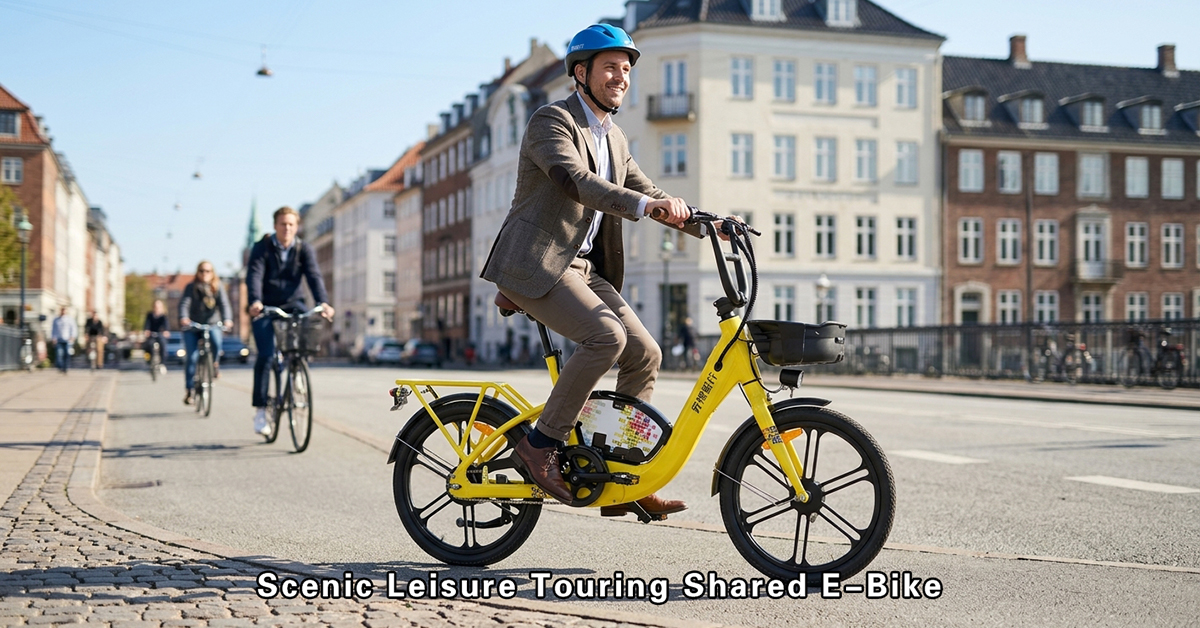
The scenario: You step out of King's Cross St. Pancras in London, Gare du Nord in Paris, or Berlin Hauptbahnhof. Your flat is 1.5 kilometres away. The connecting bus is stuck in traffic on Oxford Street or Karl-Marx-Allee. You could walk, but it's pelting down in Manchester, humid in Lisbon, or you're already ten minutes late for dinner in Barcelona.
Why JOBO works here: This is the infamous first- and last-mile problem that every London Underground, Paris Métro, and Berlin S-Bahn rider knows too well. JOBO shared e-bikes positioned at transit exits let you bridge that gap in under four minutes. No surge pricing like a Bolt or Uber. No waiting for the TfL bus that never shows. JOBO's compact urban folding frame fits into tight pavement spaces where traditional docked systems can't—right outside Tube stations, RER stops, or ** tram terminals** in Rotterdam.
The real point: JOBO doesn't compete with TfL or the RATP—it completes them.
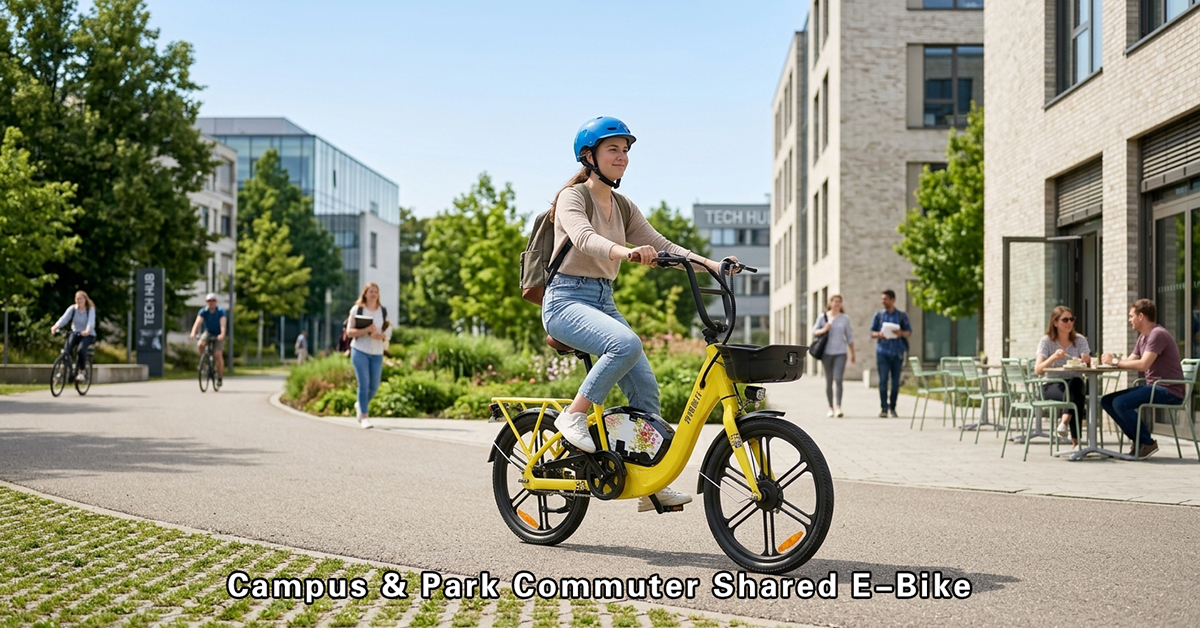
3. Campus & Park Commuter: Making It to Lecture on Time
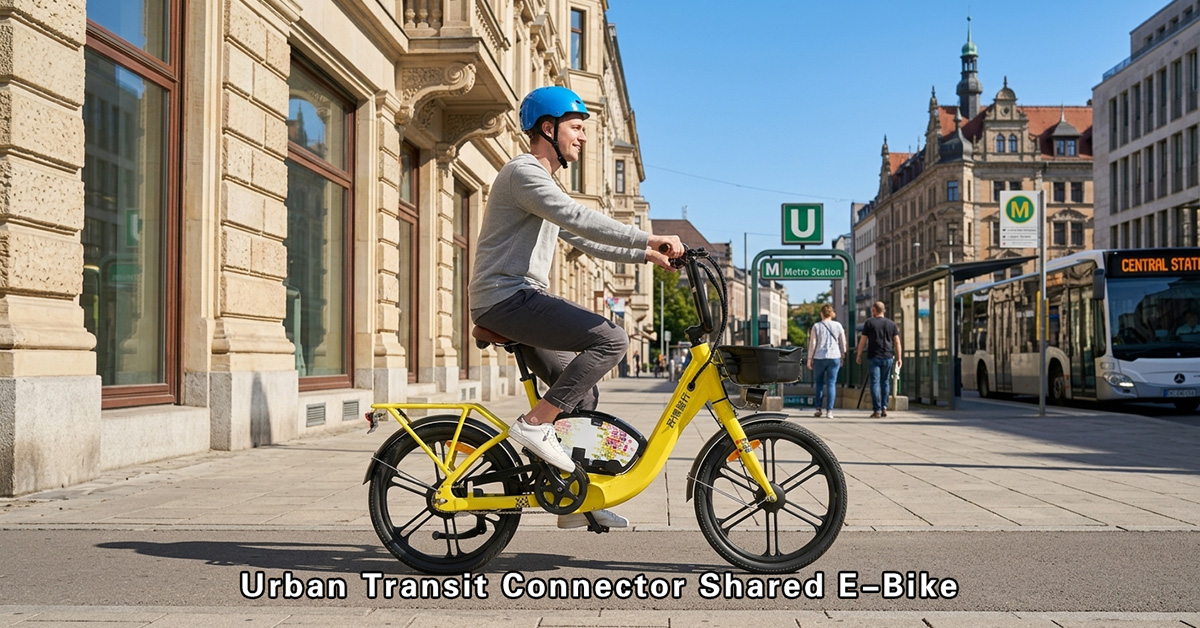
The scenario: You've got eight minutes to get from the engineering quad at Imperial to the lecture hall across South Kensington. Or you're at TU Munich, and your lab is a twelve-minute walk through Garching. Maybe you're in Amsterdam's Zuidas business district, where the canteen is technically "on-site" but requires a hike past three bike sheds.
Why JOBO works here: Universities like Oxford, Sorbonne, and corporate campuses in Cambridge Science Park are closed-loop environments. JOBO's campus commuter system just needs density—bikes near halls of residence, student unions, and innovation hubs—so there's always one within a thirty-second walk. No need to own a bike you have to lock at the Bodleian and pray isn't stolen. No showing up to class drenched because you had to sprint from Trinity College Dublin.
The real point: On controlled campuses, JOBO isn't "public transport." It's on-demand personal mobility—grab it, ride it, leave it.
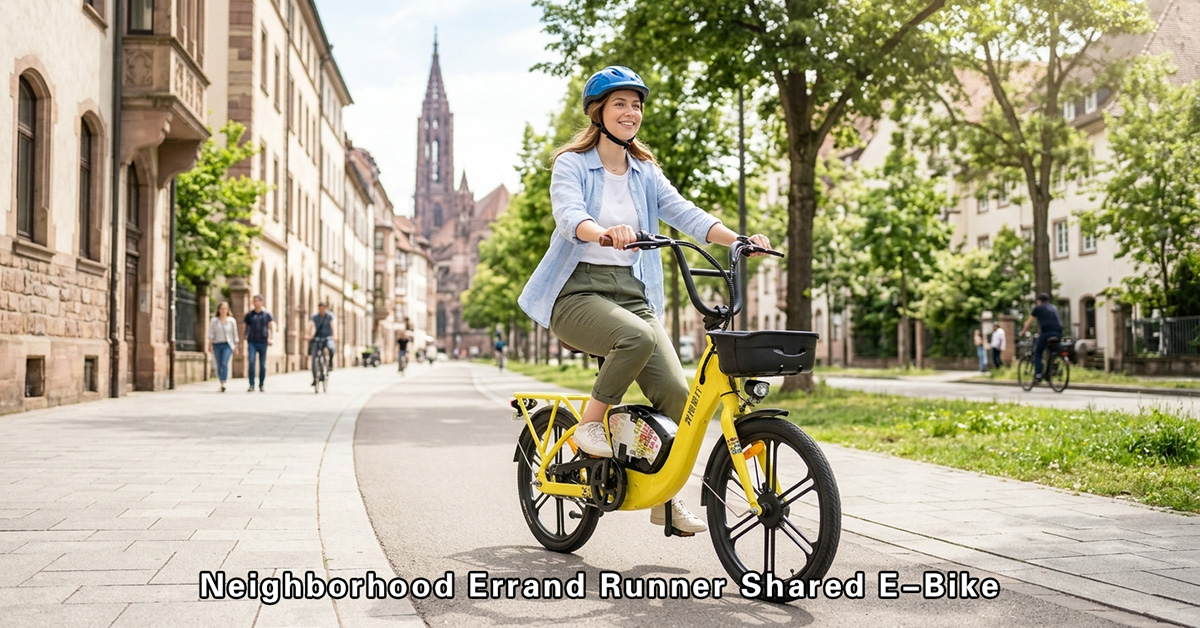
4. Neighborhood Errand Runner: The 2-Kilometre Lifestyle Radius
The scenario: You need to grab milk from Tesco on High Street Kensington, pick up a prescription at Boots in Shoreditch, or drop off dry cleaning near Le Marais in Paris. It's 1.8 kilometres total. Driving means finding a parking bay on Karl-Marx-Straße or Via del Corso—a ten-minute circling mission for a five-minute errand. Walking means carrying bags back through the Amsterdam drizzle.
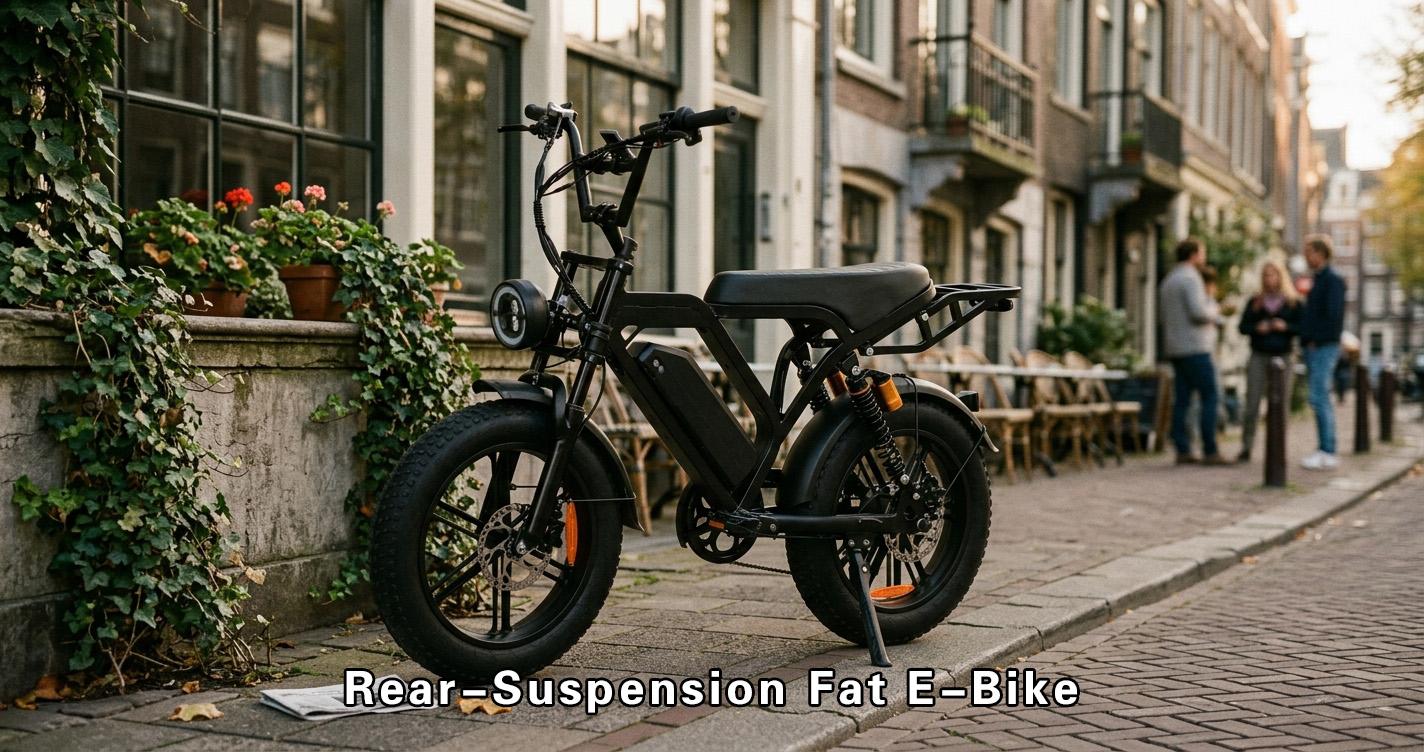
Why JOBO works here: This is short-distance travel at its most honest. JOBO turns a twenty-minute walk through Kreuzberg or Notting Hill into a four-minute ride. The rear rack handles your shopping bags better than an e-scooter. And for cities, these sub-3-kilometre trips are the low-hanging fruit of decarbonisation: they replace the most wasteful car trips—the cold-start engine drives that burn more fuel parking than moving, especially in ULEZ zones like central London.
The real point: JOBO makes your neighbourhood car-free without making it inconvenient.
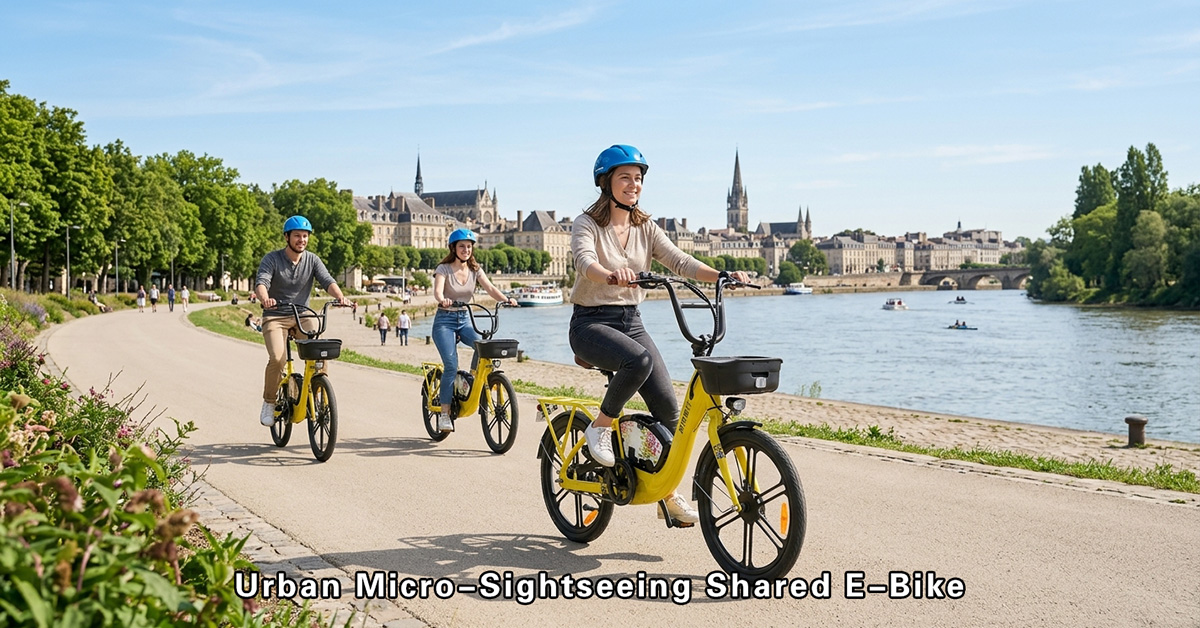
5. Urban Micro-Sightseeing: See the City Without the Tour Bus
The scenario: You're exploring Shoreditch in London, Alfama in Lisbon, or the Canal Ring in Amsterdam. A black cab flies past the street art on Brick Lane before you can pull out your phone. A City Sightseeing bus locks you into someone else's timeline. Walking from Montmartre to the Seine eats your entire afternoon.
Why JOBO works here: Urban micro-sightseeing means covering enough ground to hit Gothic Quarter, El Born, and the Barceloneta beach in one afternoon—while still moving slowly enough to actually see things. JOBO lets you hop between a gallery in Fitzrovia, a coffee roaster in Kreuzberg, and Nyhavn in Copenhagen without hailing five separate taxis. The pedal-assist flattens the hills in Lisbon's Alfama or Athens' Plaka without turning you into a sweaty mess before your dinner reservation at Dishoom or Bouillon Chartier.
The real point: Real city exploration needs the freedom to pause—and JOBO gives you exactly that.
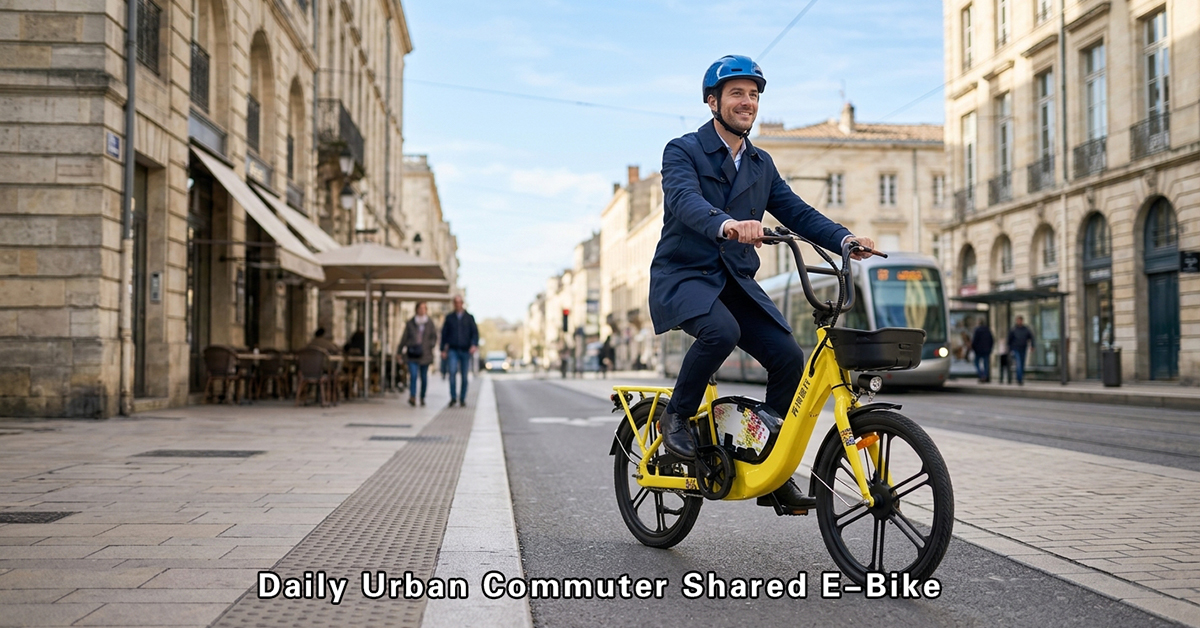
6. Daily Urban Commuter: The 4-Kilometre Sweet Spot
The scenario: You live in Hackney and work in Canary Wharf. Or you're in Belleville commuting to La Défense. Maybe you're in Prenzlauer Berg heading to Mitte. It's 3 to 5 kilometres. Too far to walk daily without arriving looking like you've just finished a spin class. Too short to justify the £40/day City of London car park or the congestion charge. The bus exists, but it takes thirty-five minutes with stops.
Why JOBO works here: This is where the daily urban commuter JOBO bike makes its cleanest argument. At an average shared micromobility distance of roughly 2 kilometres, a 4-kilometre commute is comfortably within range. You skip the A10 traffic or the Central line at rush hour. You don't pay London congestion charge or Paris parking rates. And unlike a regular Boris Bike, JOBO's electric assist means you won't walk into your WeWork or Goldman Sachs lobby drenched in sweat.
The real point: For the "too short to drive, too long to walk" commute, JOBO is the only option that's cheap, fast, and actually pleasant.
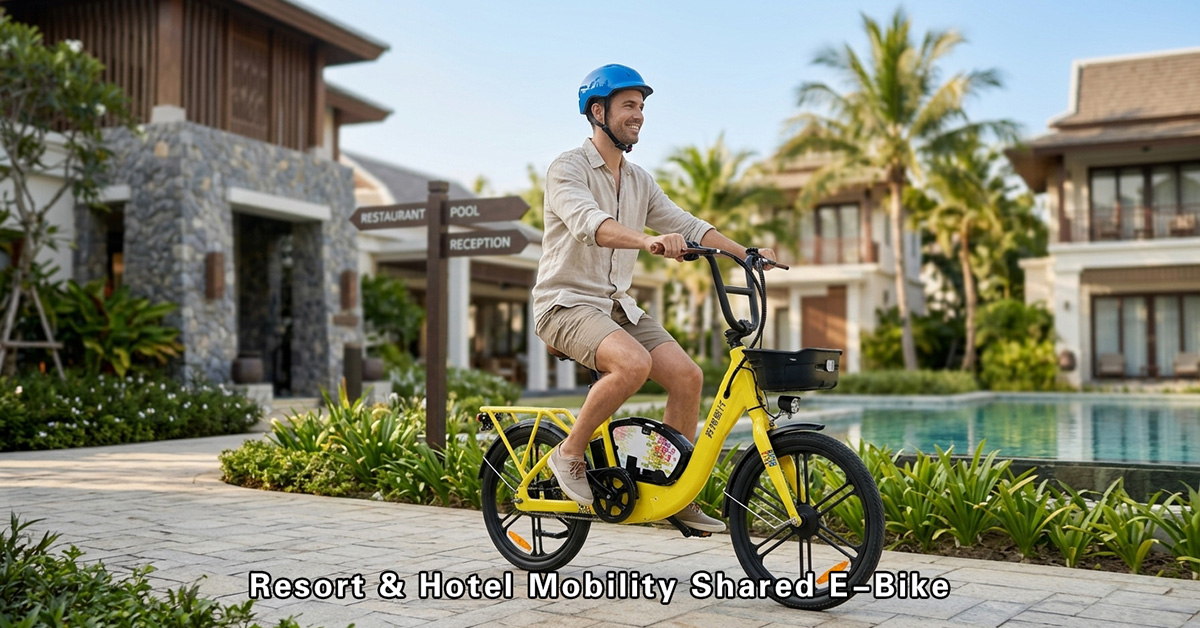
7. Resort & Hotel Mobility: Get Around Without Leaving the Property
The scenario: You're at a beach resort in Biarritz, a lakeside lodge in Lake Como, or a sprawling golf resort in the Algarve. The pool is a ten-minute walk from your suite. The restaurant is twelve minutes in the other direction. Calling a golf buggy means waiting ten minutes for a two-minute ride. Walking across a Provence vineyard estate or a Cotswolds manor in the July heat ruins the holiday vibe.
Why JOBO works here: Inside a resort & hotel mobility system, JOBO shared e-bikes become the internal shuttle guests actually want to use. Faster than walking across a 200-hectare property. Quieter than petrol-powered resort carts disturbing the peace in Tuscany. JOBO's folding design means concierge desks at Brighton boutique hotels or Mallorca fincas can store a fleet compactly behind the desk. Guests get a "green amenity" they actually post on Instagram—turning transport into part of the experience.
The real point: JOBO turns sprawling European resorts into bikeable villages.
So What's the Real Point of JOBO in European Cities?
Let's be honest: JOBO isn't perfect. Battery levels can vary. Pricing adds up if you're riding for an hour. And like any shared fleet, poorly managed bikes can clutter a Barcelona cycle lane or a London pavement.
But JOBO wins because it doesn't try to do everything. It owns the short-distance, low-friction trip—the exact journey where driving is overkill, walking is impractical, and transit is almost-there-but-not-quite.
From the last mile out of King's Cross to a Saturday loop around Hyde Park, JOBO isn't reinventing transport. It's just fixing the parts that cars, trains, and buses have always ignored.
If operators and cities get the basics right—equitable distribution into East London or Paris' banlieues, smart geofencing around pedestrianised plazas, and reliable maintenance—JOBO shared e-bikes won't be a Silicon Valley fad. They'll be standard city infrastructure from Madrid to Manchester, one 2-kilometre trip at a time.

Contact & OEM Support
-
📞 Phone: +86 198 8486 5613
-
📧 Email: info@jobobikes.com / sale09@jobobikes.com
-
🌐 Website: https://www.joboev.com
FAQ: JOBO Shared E-Bikes in European Cities
Q1: Where can I find JOBO shared e-bikes near me in London, Paris, or Berlin?
A: JOBO fleets concentrate near major transport hubs like King's Cross, Gare du Nord, and Alexanderplatz, plus university campuses, city centres, and tourist districts. Check the JOBO app for real-time availability in your neighbourhood.
Q2: Are JOBO e-bikes good for tourists visiting Hyde Park or the Canal Ring?
A: Absolutely. JOBO's pedal-assist and comfortable frame make it ideal for urban micro-sightseeing in London, Amsterdam's waterfront, and Paris' historic core.
Q3: How much does a JOBO shared e-bike cost compared to Uber or Boris Bikes?
A: JOBO typically uses an unlock fee plus per-minute pricing. For neighbourhood errand trips under fifteen minutes, it's generally cheaper than a taxi and more flexible than a docked bike.
Q4: Can I commute daily on a JOBO from Hackney to Canary Wharf or Belleville to La Défense?
A: Yes. For commutes under 5 kilometres, JOBO offers a reliable daily urban commuter alternative that avoids Tube delays and congestion charges.
Q5: What makes JOBO different from Lime, Tier, or Santander Cycles?
A: JOBO specialises in compact urban folding e-bikes—easier to park, faster to deploy in dense European streets, and ideal for the precise gaps between walking, transit, and driving.