Why Are City E-Bikes So Popular in Europe?
City e-bikes have rapidly become one of the most popular transportation choices across Europe. From Amsterdam and Berlin to Paris and Copenhagen, urban electric bikes are transforming the way people commute, travel, and experience city life.
As fuel prices rise and cities invest more in cycling infrastructure, European consumers are increasingly choosing city e-bikes for convenience, sustainability, and cost savings.
In this article, we explore why city e-bikes are booming in Europe and what this trend means for the future of urban mobility.
What Is a City E-Bike?
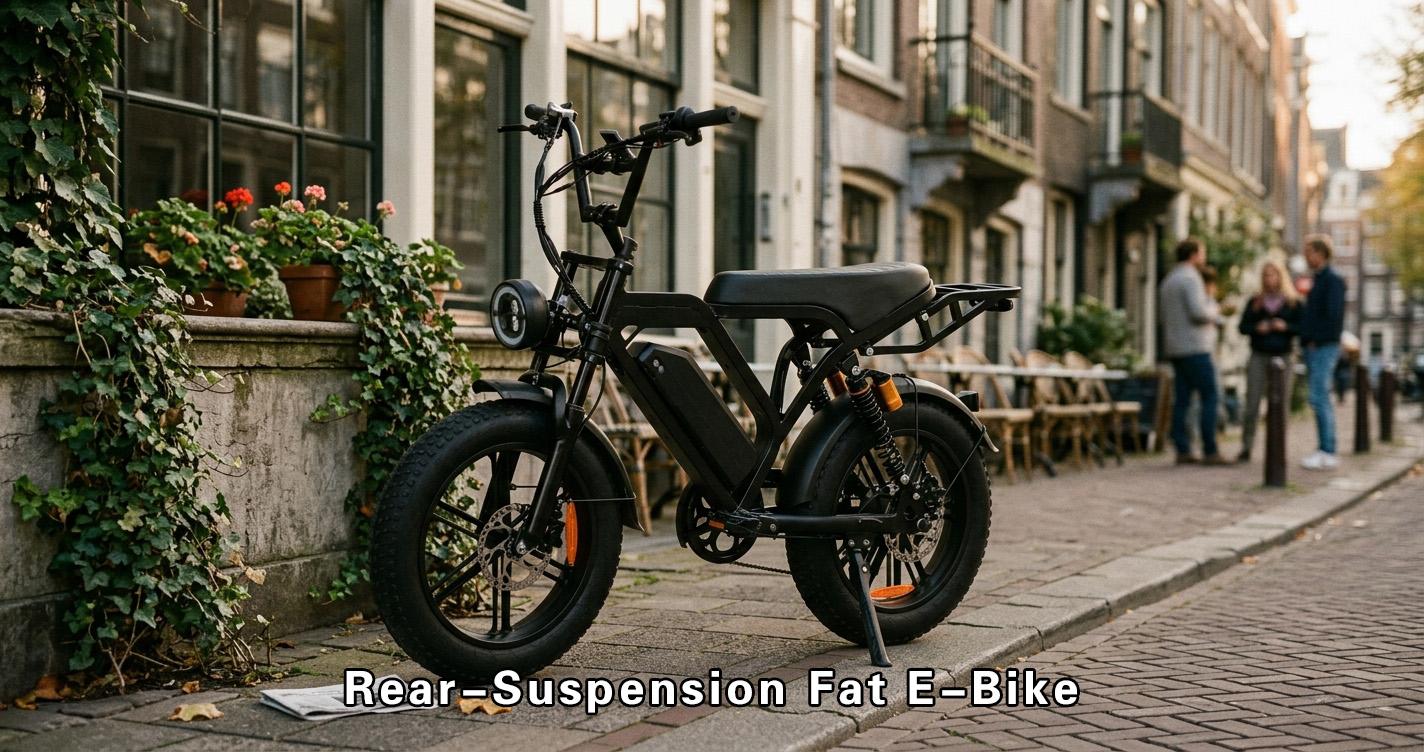
A city e-bike, also known as an urban commuter e-bike, is an electric bicycle designed specifically for daily transportation in urban environments.
Compared with mountain e-bikes or cargo bikes, city e-bikes focus more on:
-
Comfortable riding posture
-
Lightweight frame design
-
Efficient commuting
-
Integrated lights and fenders
-
Smooth riding on paved roads
-
Practical accessories like rear racks and baskets
Most European city e-bikes use pedal-assist systems that help riders travel longer distances with less effort.
Why Are City E-Bikes Becoming So Popular in Europe?
1. European Cities Are Built for Cycling
One major reason for the popularity of city e-bikes is Europe’s strong cycling culture.
Many European countries have invested heavily in:
-
Dedicated bike lanes
-
Bicycle parking systems
-
Green transportation policies
-
Low-emission urban zones
Cities like Amsterdam and Copenhagen already prioritize bicycles over cars in many areas. This creates an ideal environment for city e-bike commuting.
As infrastructure improves, more commuters feel comfortable replacing short car trips with electric bikes.
2. Rising Fuel and Transportation Costs
Transportation costs across Europe have increased significantly in recent years.
Compared with cars, city e-bikes offer:
-
Lower daily commuting costs
-
Minimal maintenance expenses
-
No fuel consumption
-
Reduced parking costs
Charging an e-bike battery is far cheaper than refueling a car, making electric bikes an attractive long-term transportation solution.
For many urban residents, city e-bikes provide an affordable alternative for everyday mobility.
3. City E-Bikes Make Commuting Easier
Traditional bicycles can be tiring during long commutes, uphill riding, or strong headwinds.
City e-bikes solve these problems with pedal assistance.
Benefits include:
-
Less physical strain
-
Faster commuting times
-
Easier hill climbing
-
Reduced sweating before work
-
Comfortable riding for all age groups
This convenience has helped city e-bikes appeal to both younger commuters and older riders.
4. Sustainability and Environmental Awareness
Environmental concerns are another key factor driving e-bike adoption in Europe.
Consumers are increasingly looking for greener transportation options that help reduce carbon emissions and traffic congestion.
Compared with cars and motorcycles, city e-bikes produce significantly lower environmental impact.
Many European governments also encourage e-bike usage through:
-
Subsidies
-
Tax incentives
-
Green transportation programs
-
Urban mobility initiatives
As sustainability becomes more important, city e-bikes continue gaining popularity among environmentally conscious consumers.
5. Improved Battery and Motor Technology
Modern city e-bikes are now more reliable, lightweight, and efficient than earlier models.
Recent advancements include:
-
Longer battery range
-
Faster charging
-
Quiet motors
-
Lightweight aluminum frames
-
Smart displays and app connectivity
Today’s urban e-bikes can easily handle daily commuting distances while maintaining a comfortable riding experience.
These improvements have made city e-bikes more attractive to mainstream consumers across Europe.
6. Traffic Congestion in Major Cities
Large European cities often struggle with traffic congestion and limited parking availability.
City e-bikes offer a faster and more flexible way to move through crowded urban environments.
Many commuters now use e-bikes for:
-
Daily work commuting
-
Grocery shopping
-
Short-distance transportation
-
Weekend city exploration
In dense urban areas, riding an e-bike can often be quicker than driving a car.
7 Popular City E-Bike Riding Scenarios in Europe
City e-bikes are no longer limited to simple commuting. European consumers now use urban electric bikes for multiple lifestyle and mobility scenarios.
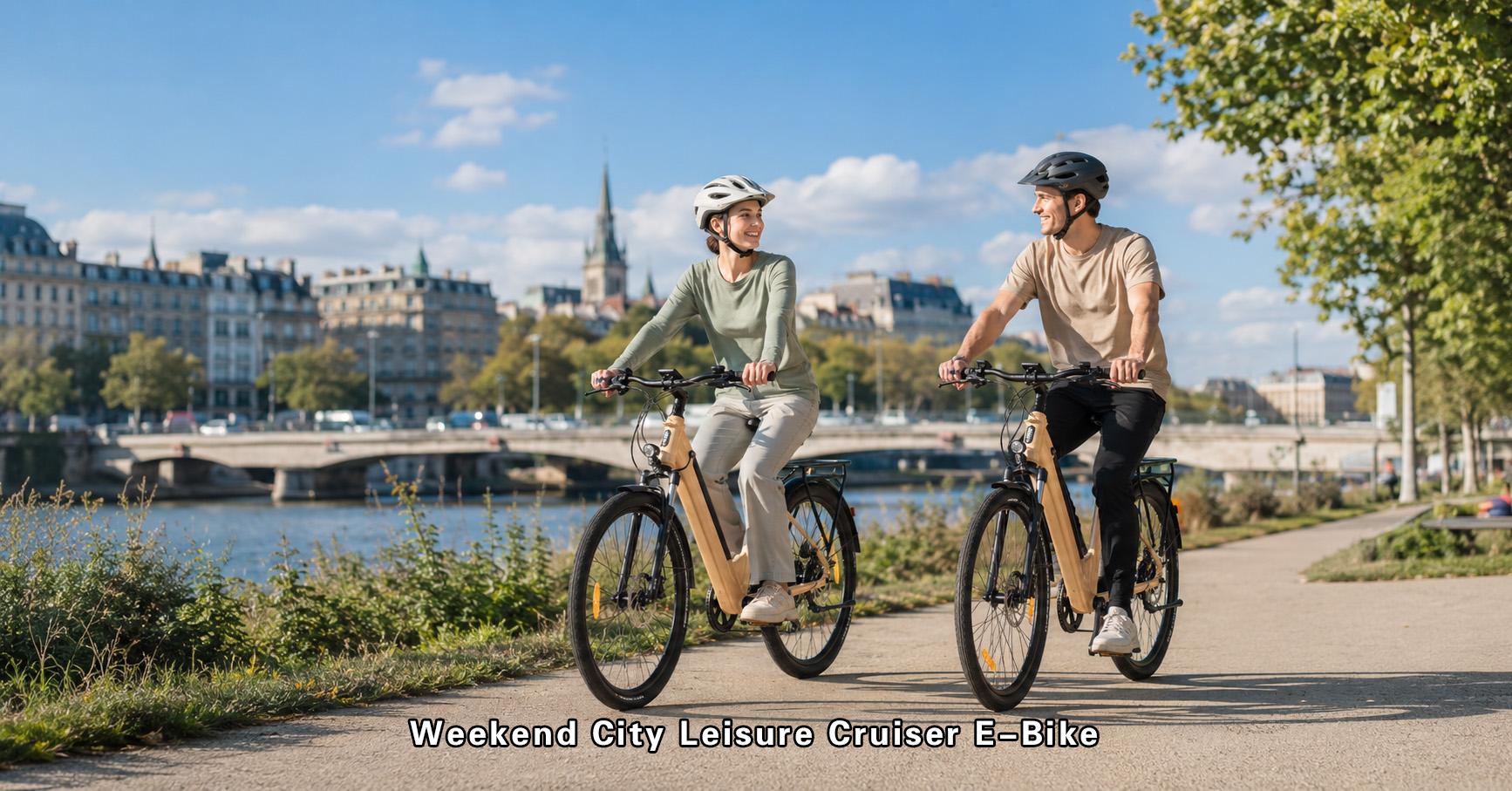
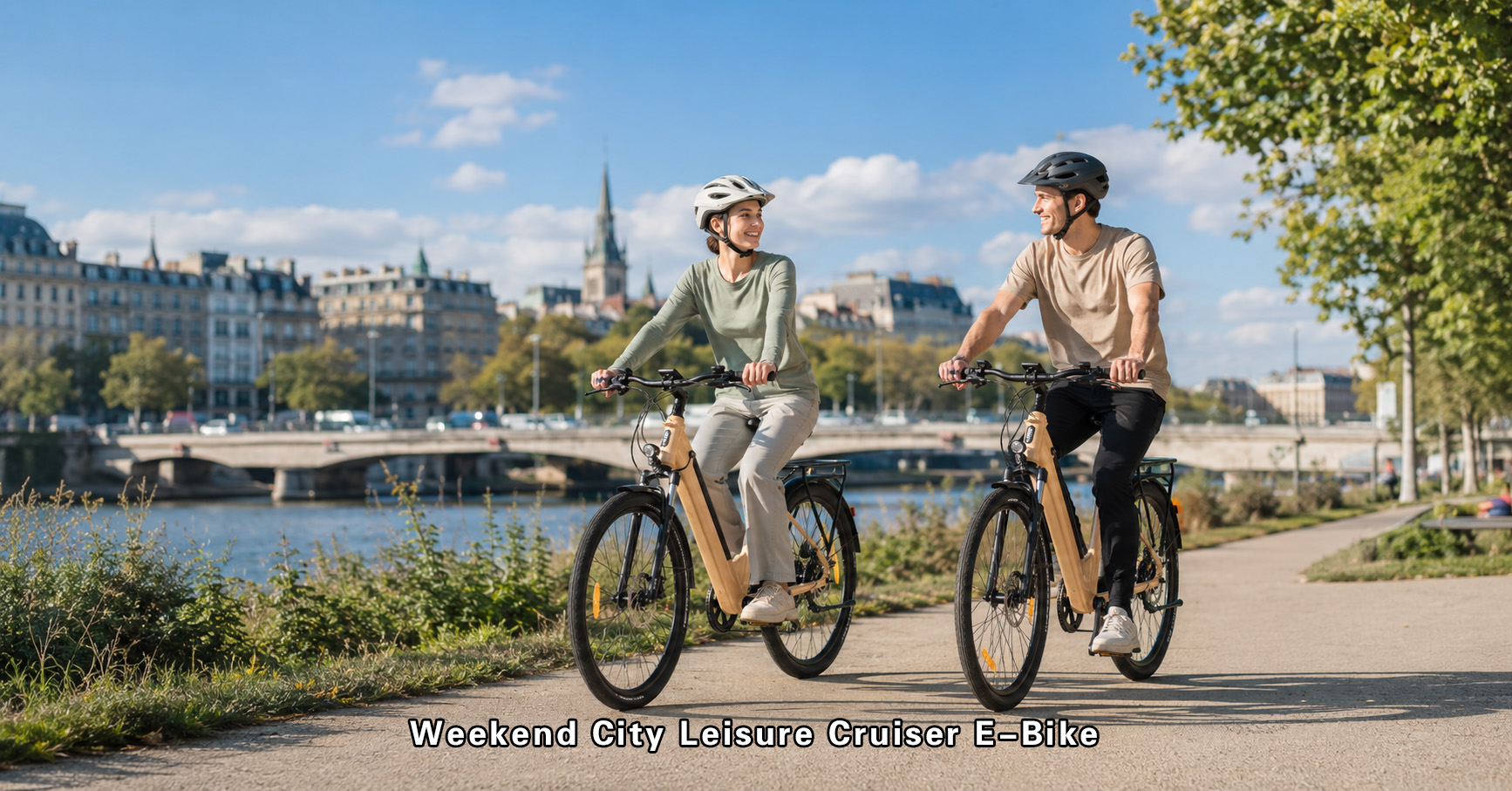
Weekend City Leisure Cruiser E-Bike
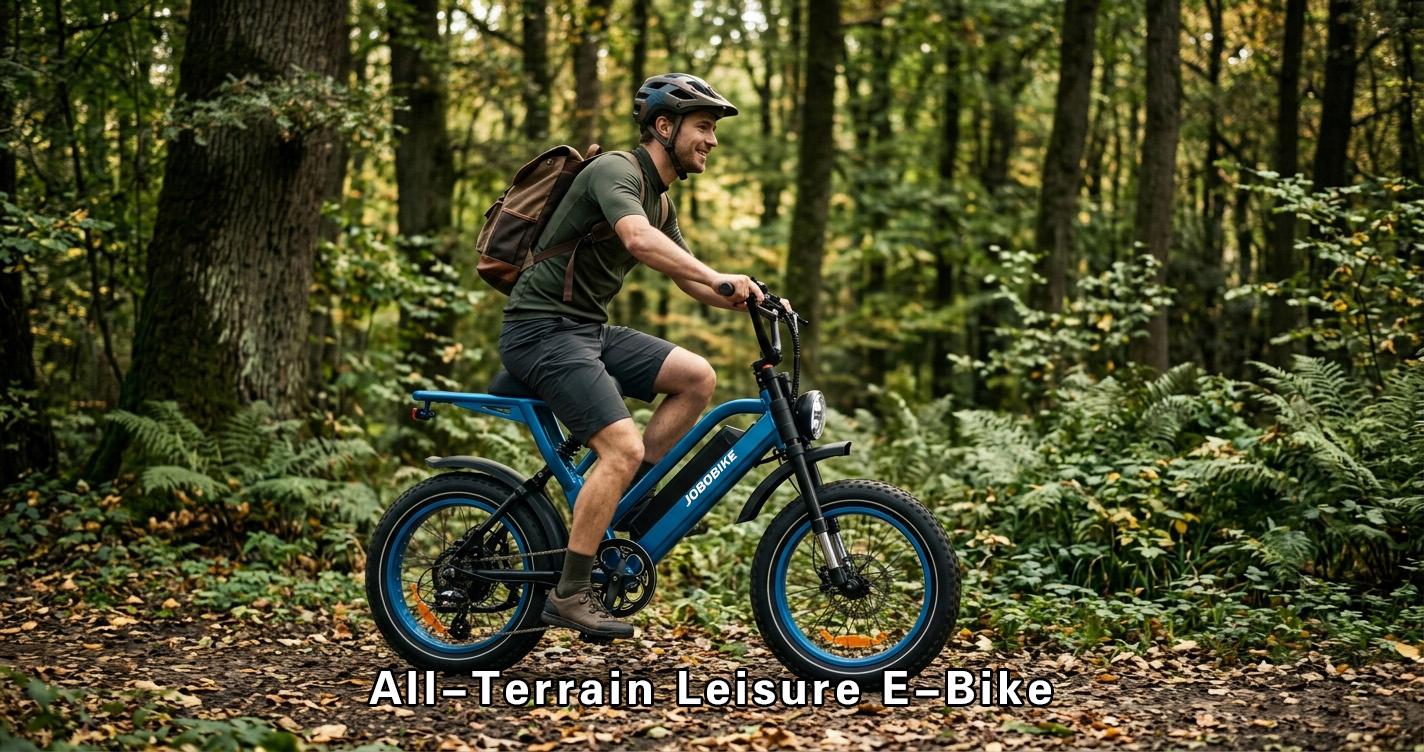
Weekend leisure city e-bike rides are becoming increasingly popular across Europe. Riders enjoy exploring parks, waterfronts, historic districts, and urban cycling routes with comfortable pedal assistance.
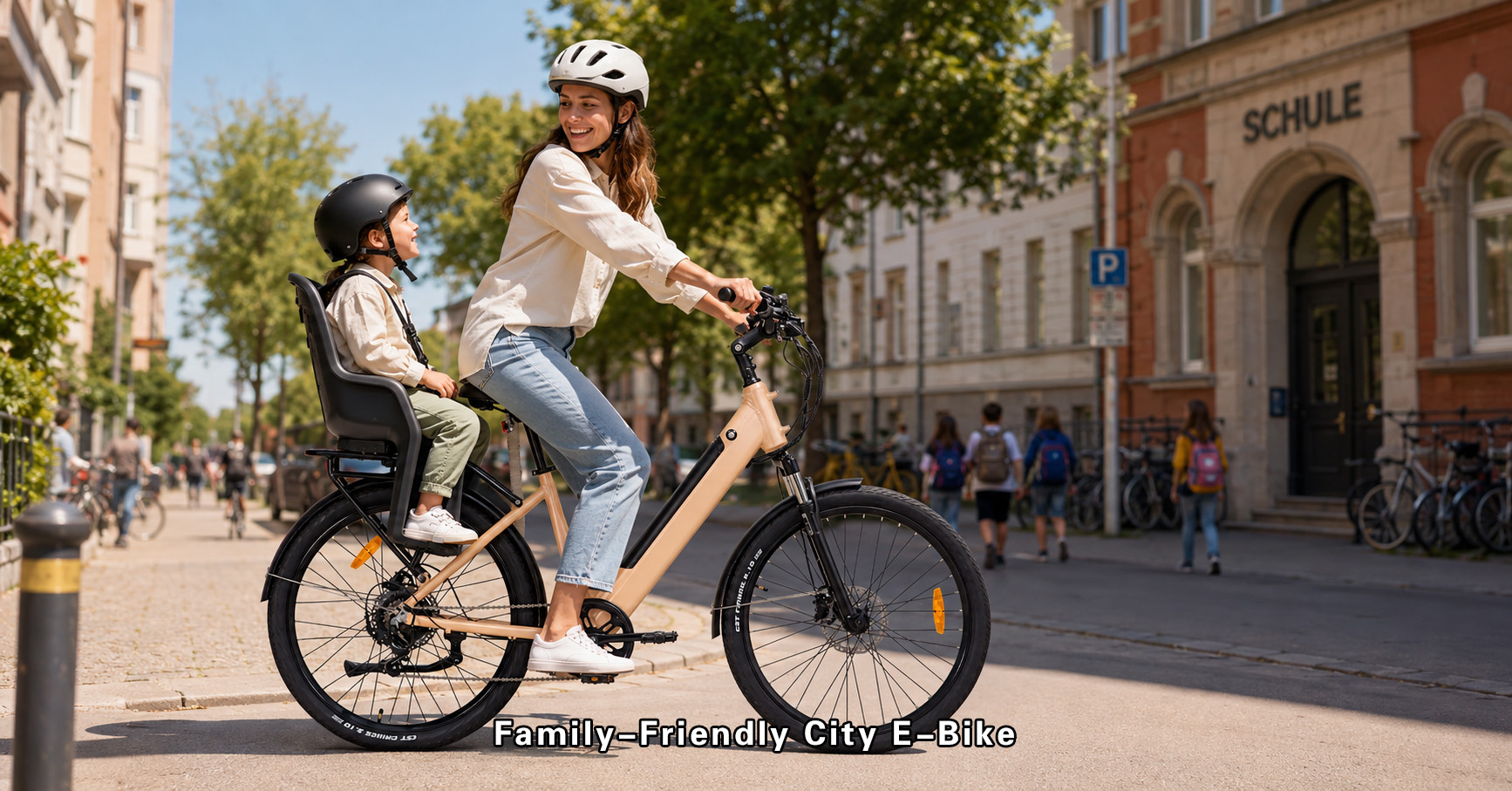
Family-Friendly City E-Bike
Family-friendly urban electric bikes help parents transport children, shopping bags, and daily essentials more conveniently around the city.
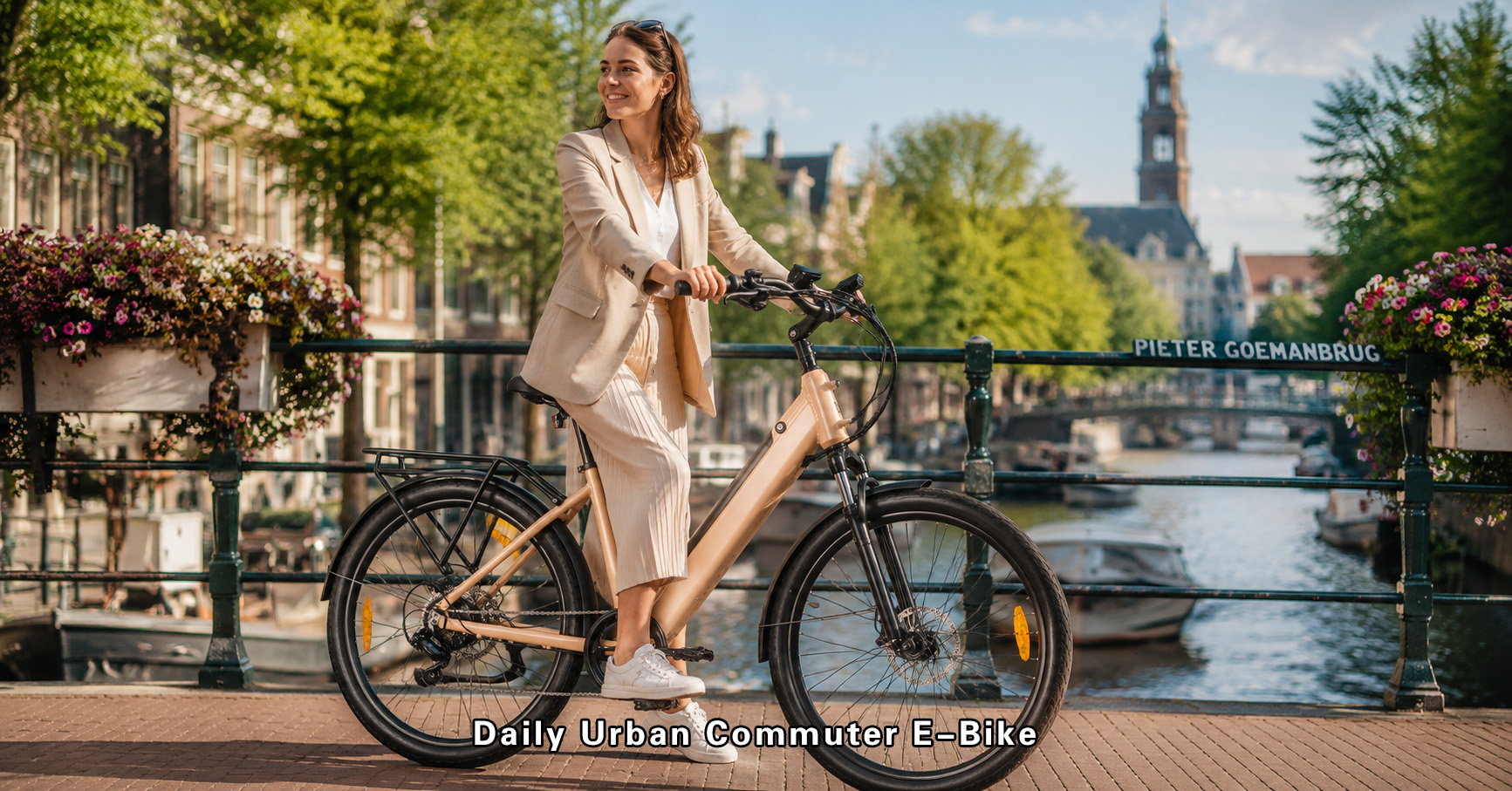
Daily Urban Commuter E-Bike
Daily commuter city e-bikes are one of the largest segments in the European market, especially for office workers looking to reduce commuting time and transportation costs.
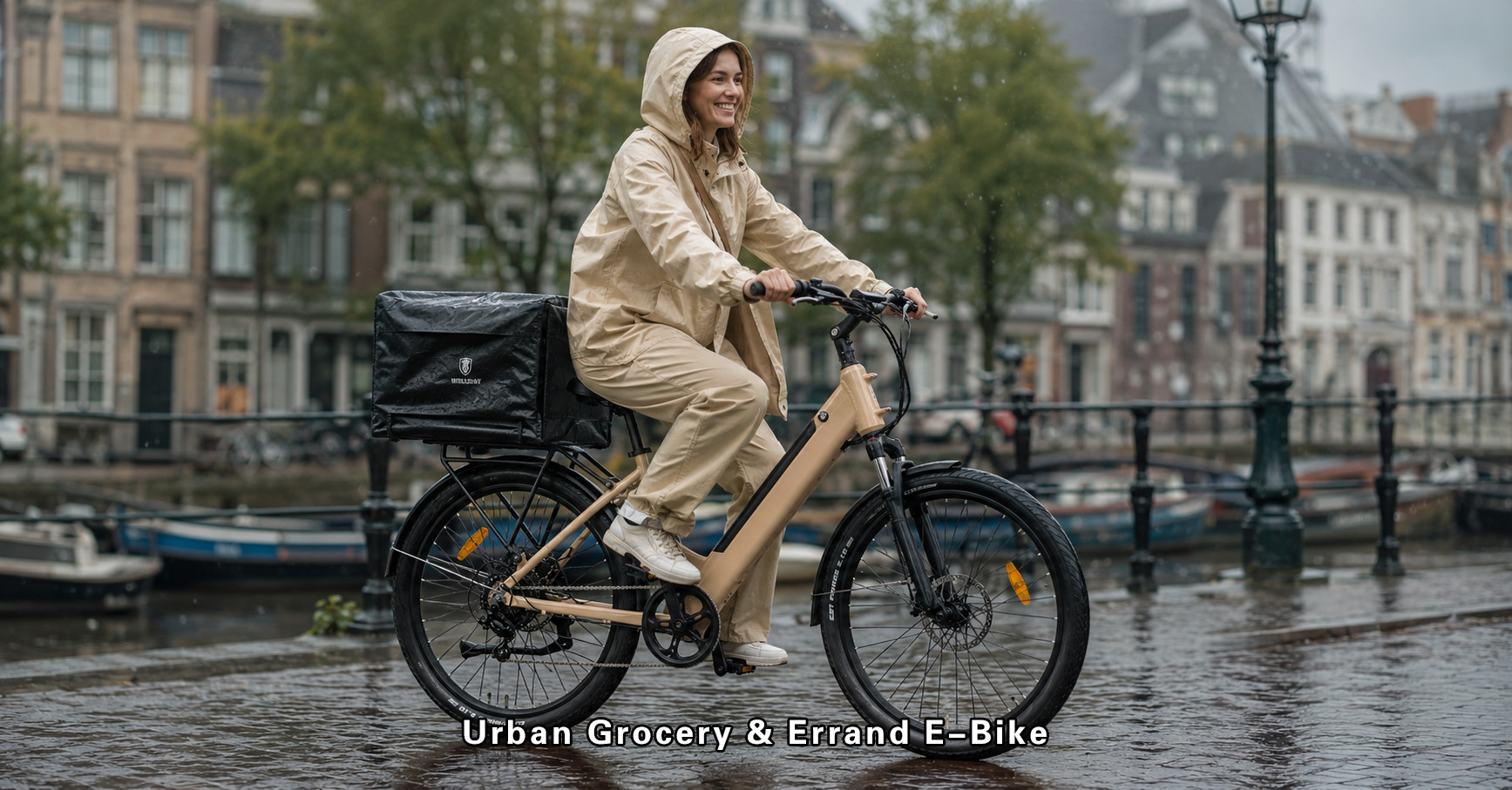
Urban Grocery & Errand E-Bike
Urban grocery errand e-bikes allow riders to complete short shopping trips efficiently without needing a car or public transportation.
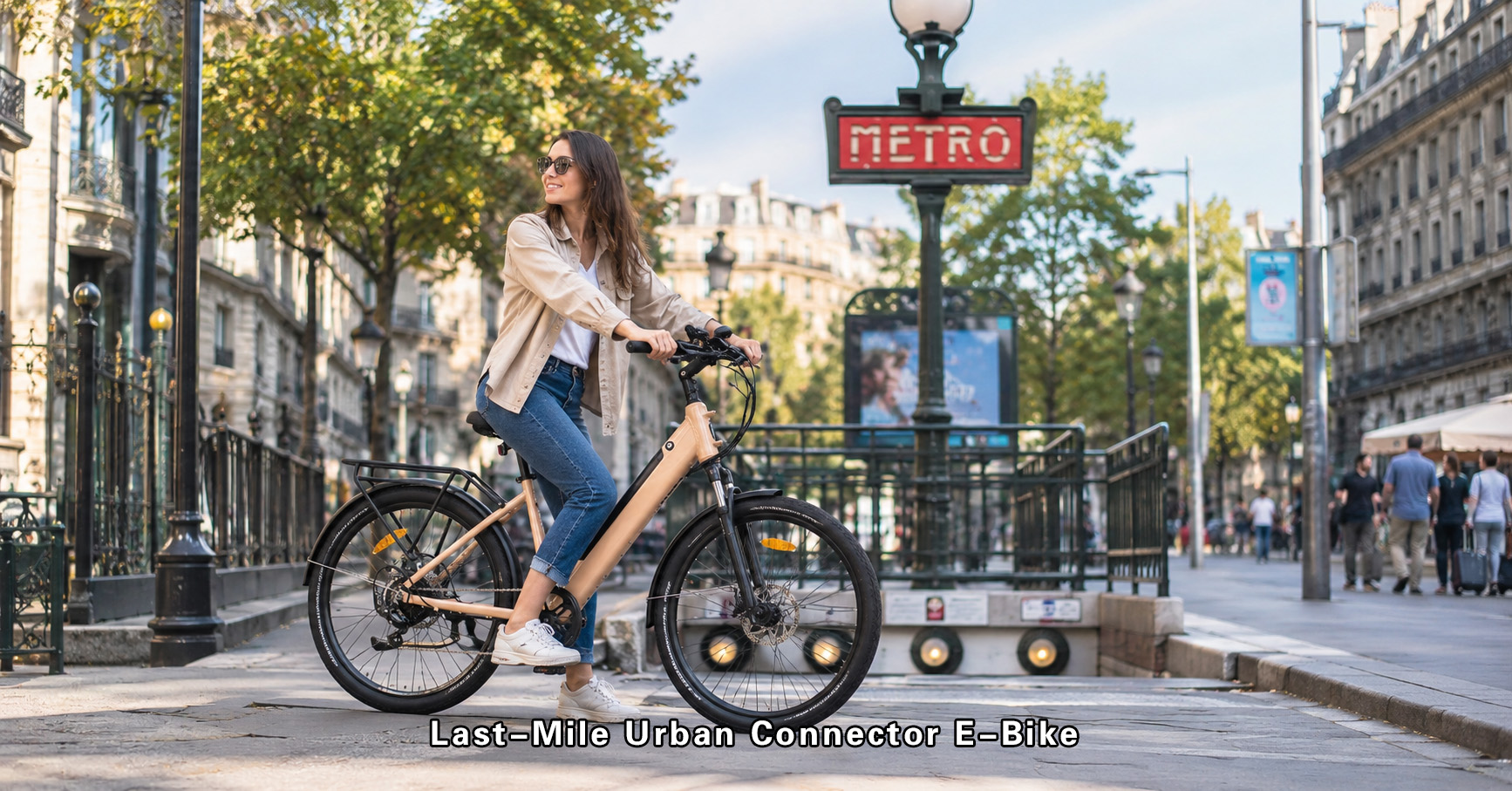
Last-Mile Urban Connector E-Bike
Last-mile urban mobility e-bikes are increasingly used to connect train stations, metro systems, and workplaces, helping commuters solve short-distance transportation challenges.
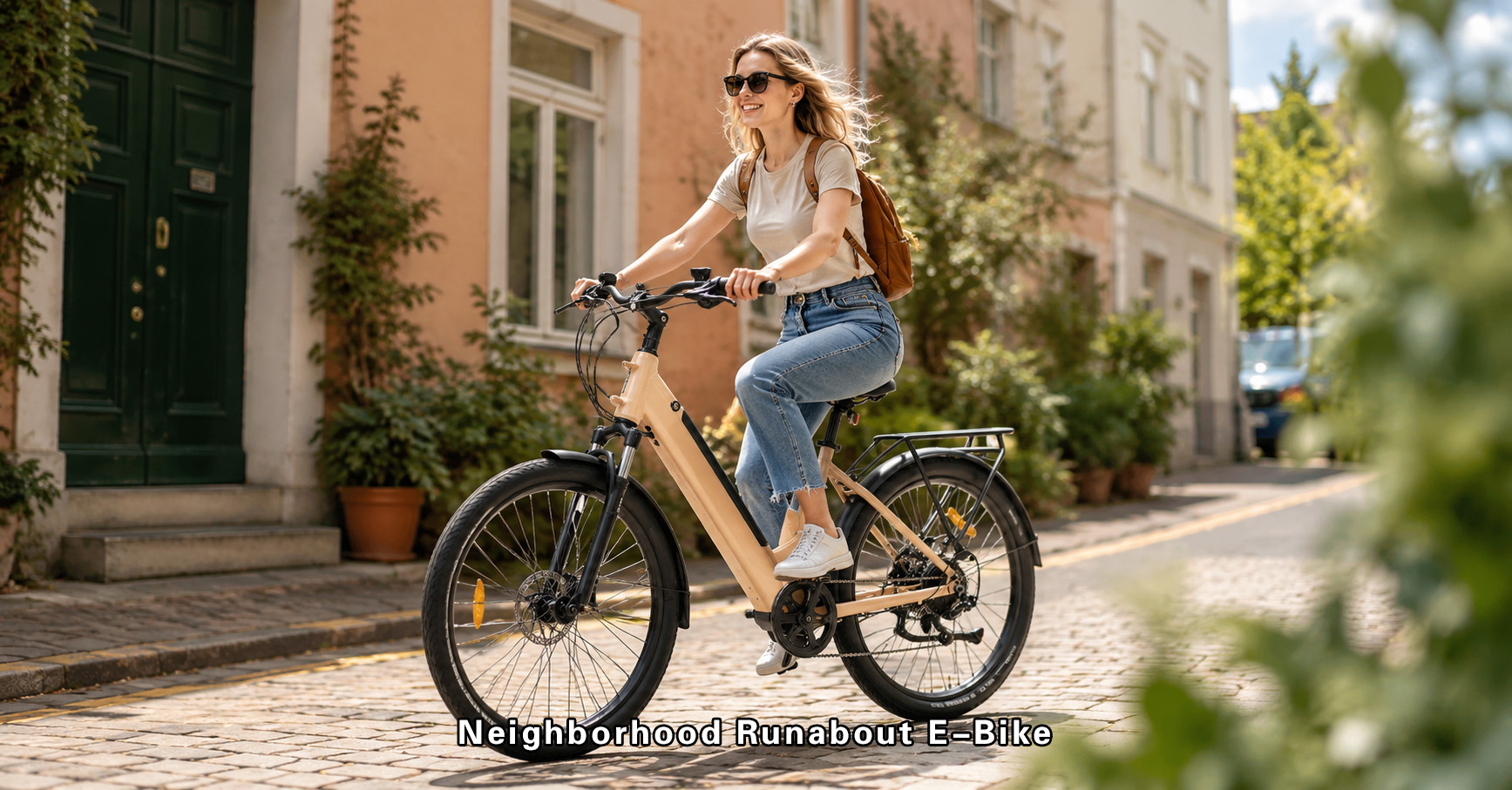
Neighborhood Runabout E-Bike
Neighborhood short-trip e-bikes are ideal for casual local travel, including coffee runs, visiting friends, or quick errands around residential areas.
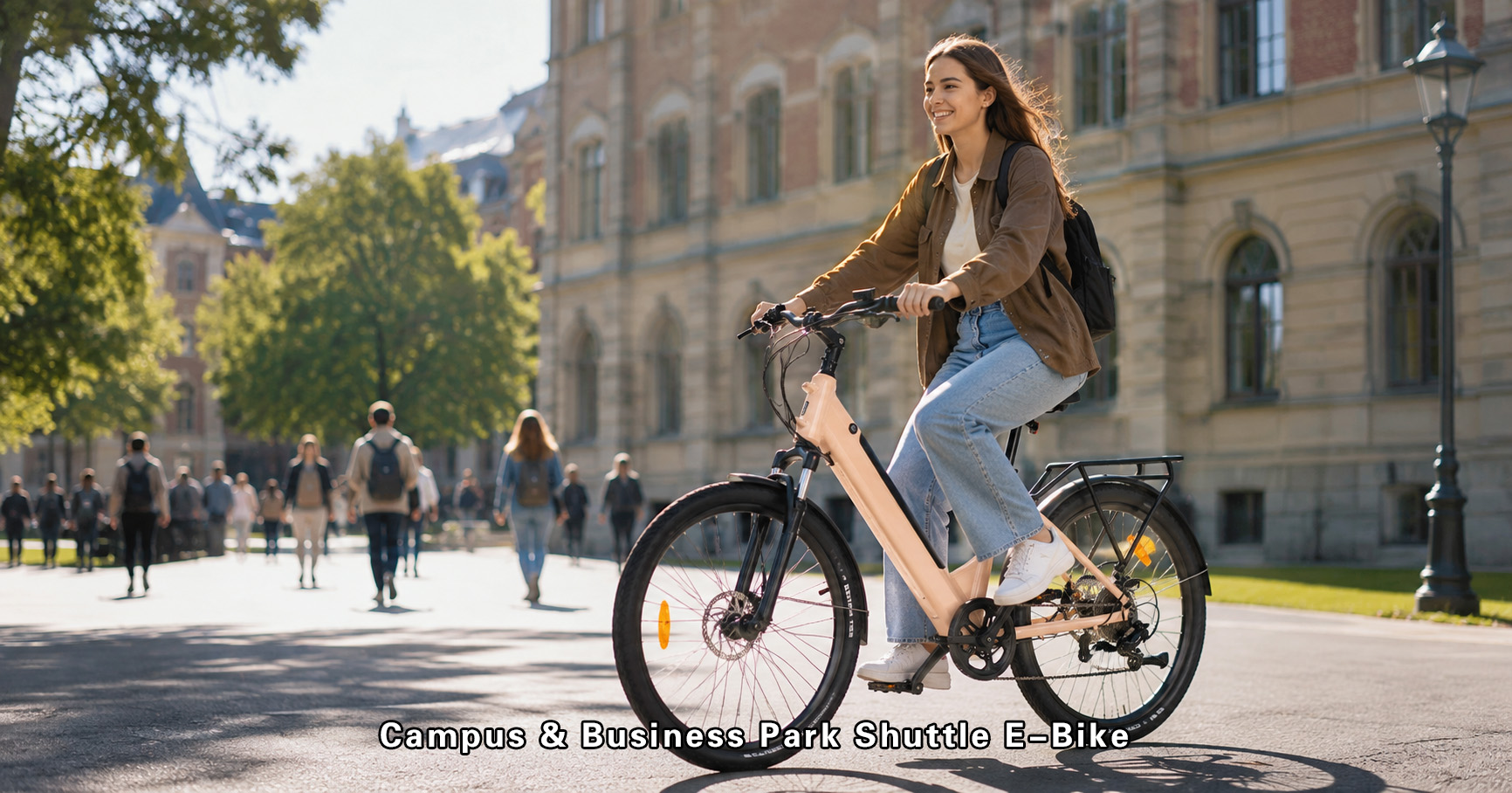
Campus & Business Park Shuttle E-Bike
Campus shuttle electric bikes are becoming more common in universities, industrial parks, and large business campuses where efficient internal transportation is needed.
What Features Do European Riders Look for in a City E-Bike?
European consumers typically prioritize:
Comfort
Step-through frames, ergonomic saddles, and upright riding positions are highly preferred.
Reliability
Durable components and low-maintenance systems are essential for daily commuting.
Battery Range
Longer battery life is important for extended city rides and daily commuting.
Safety
Integrated lighting systems, hydraulic brakes, and reflective tires are commonly expected.
Lightweight Design
Urban riders often need to carry or store bikes in apartments and offices.
Why European Brands Are Expanding Their City E-Bike Business
The European e-bike market continues to grow rapidly, creating strong demand for reliable manufacturing partners.
Many brands are now working with experienced OEM and ODM e-bike manufacturers to:
-
Develop customized urban e-bike models
-
Improve supply chain efficiency
-
Expand product lines
-
Meet EN15194 compliance standards
-
Reduce production costs
European assembly operations are also becoming increasingly important for localized delivery and market flexibility.
The Future of Urban Mobility in Europe
City e-bikes are no longer just a trend. They are becoming a core part of Europe’s urban transportation ecosystem.
As cities continue investing in cycling infrastructure and sustainable transportation, demand for urban electric bikes is expected to grow even further.
For manufacturers, distributors, and mobility operators, city e-bikes represent a major opportunity in the future of smart urban transportation.
Conclusion
The popularity of city e-bikes in Europe is driven by multiple factors, including cycling-friendly infrastructure, rising transportation costs, sustainability goals, and advances in e-bike technology.
From daily commuting to family transportation and weekend leisure riding, city e-bikes are reshaping urban mobility across Europe.
For consumers, they offer convenience and efficiency.
For businesses, they represent one of the fastest-growing segments in the global e-bike industry.

Contact & OEM Support
-
📞 Phone: +86 198 8486 5613
-
📧 Email: info@jobobikes.com / sale09@jobobikes.com
-
🌐 Website: https://www.joboev.com
FAQ
Are city e-bikes good for daily commuting?
Yes. City e-bikes are designed specifically for urban commuting and short-to-medium daily rides.
How fast can city e-bikes go in Europe?
Most EU-compliant city e-bikes provide pedal assistance up to 25 km/h.
Are city e-bikes popular in Germany and the Netherlands?
Yes. Germany and the Netherlands are among the largest e-bike markets in Europe.
What is the difference between a city e-bike and a mountain e-bike?
City e-bikes focus on urban comfort and commuting, while mountain e-bikes are designed for off-road riding.
Why are European consumers switching to e-bikes?
Consumers are increasingly choosing e-bikes for convenience, sustainability, lower transportation costs, and easier commuting.