The frame is the foundation of every electric bicycle. It determines the overall strength, riding comfort, weight distribution, battery integration, and long-term durability of the final product.
For e-bike brands, distributors, and OEM buyers, choosing the right electric bike frame manufacturer is an important sourcing decision because the frame affects almost every aspect of the riding experience.
A professional frame manufacturer does more than produce metal structures. It helps brands develop:
- Reliable frame designs
- Market-specific products
- Lightweight structures
- Strong cargo platforms
- Integrated battery solutions
- Consistent production quality
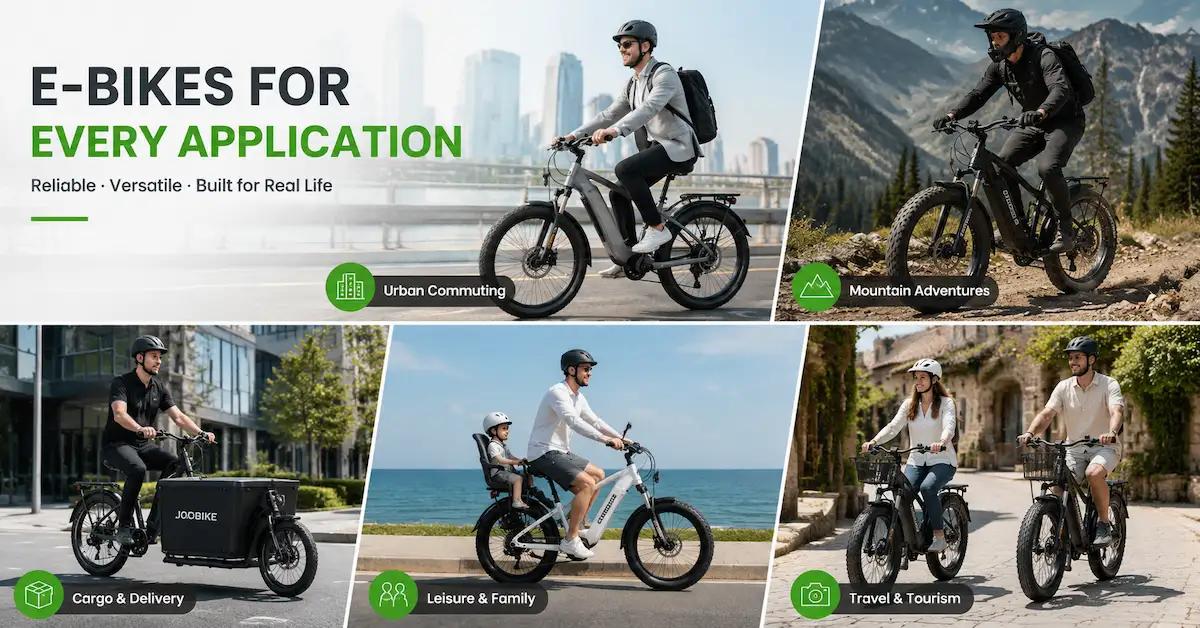
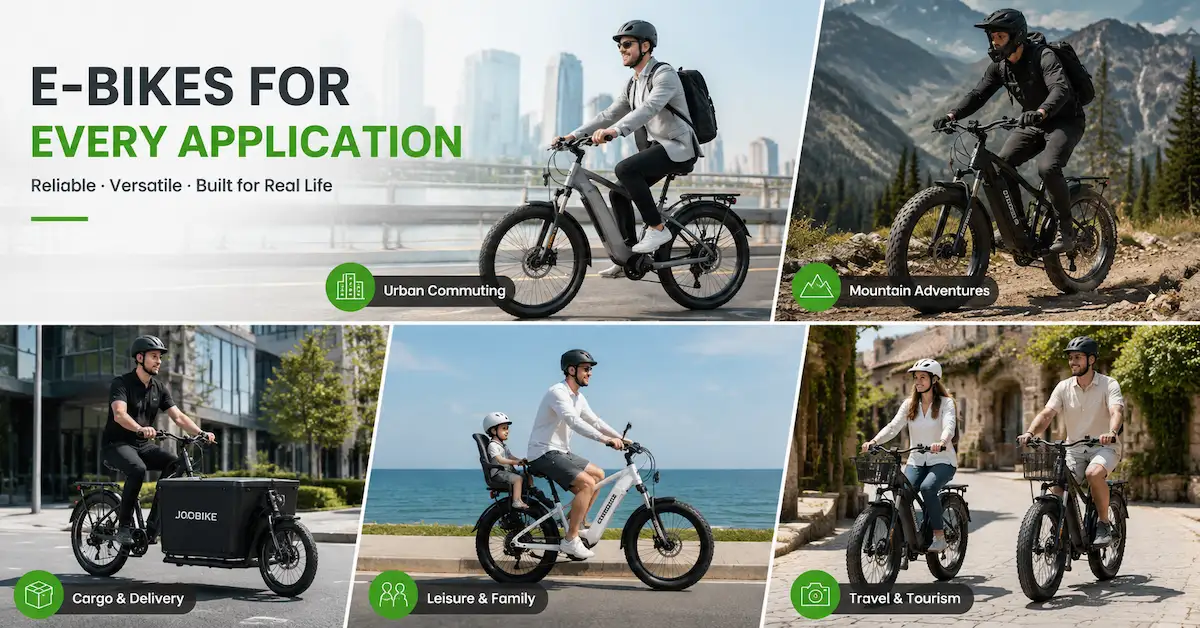
Whether the final product is a city commuter e-bike, mountain electric bike, cargo bike, folding e-bike, or commercial mobility solution, the frame determines the product’s foundation.
JOBOBIKE provides electric mobility solutions for global partners, including city e-bikes, cargo electric bikes, mountain e-bikes, folding models, and customized OEM electric bicycles.
Explore JOBOBIKE products:
https://www.joboev.com/products
What Does an Electric Bike Frame Manufacturer Do?
A professional electric bike frame manufacturer manages the complete development and production process of e-bike frames.
The process usually includes:
- Product design
- Material selection
- CAD development
- Prototype production
- Tube processing
- CNC machining
- Welding
- Heat treatment
- Surface finishing
- Quality inspection
A reliable frame factory works closely with e-bike brands to ensure that the frame matches:
- Motor system
- Battery location
- Wheel size
- Riding style
- Load requirements
- Target market
A well-designed frame allows manufacturers to create safer, lighter, and more competitive electric bicycles.
Frame Design and Engineering Development
Before production begins, engineers analyze:
- Rider position
- Weight distribution
- Battery placement
- Motor compatibility
- Component mounting
- Manufacturing feasibility
CAD Design and Prototype Development
Modern frame development usually starts with digital modeling.
Engineers use CAD systems to evaluate:
- Frame geometry
- Tube structure
- Component fit
- Stress points
- Battery integration
Prototype testing helps identify problems before mass production.
This reduces:
- Development risks
- Production delays
- Quality issues
Different Types of Electric Bike Frames
Different e-bike applications require different frame solutions.
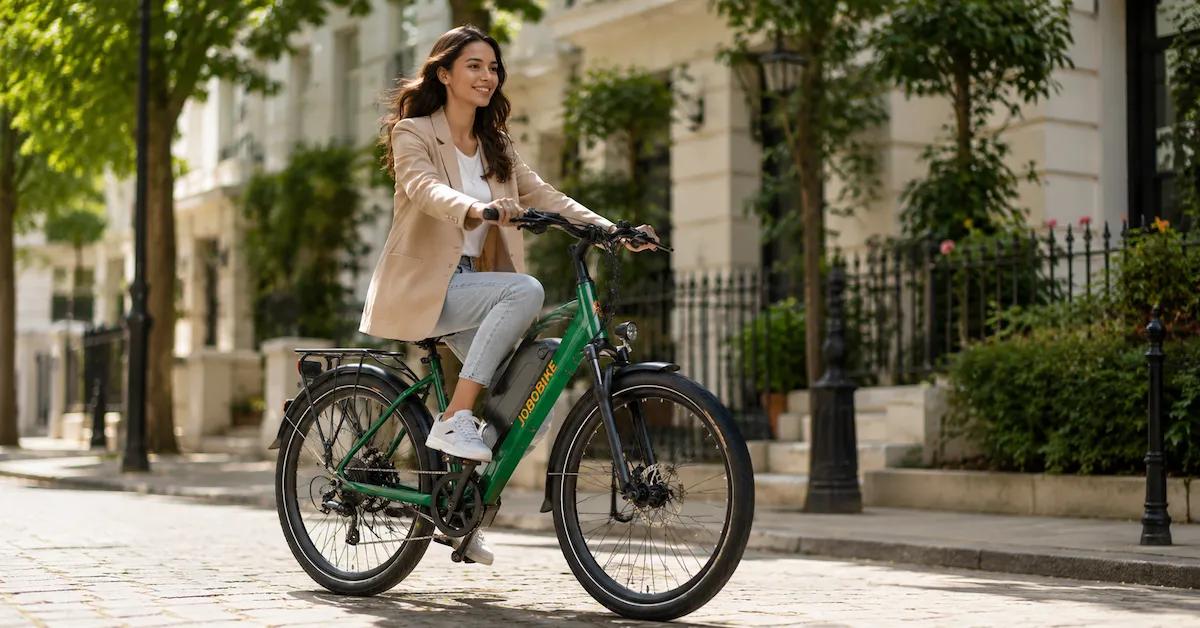
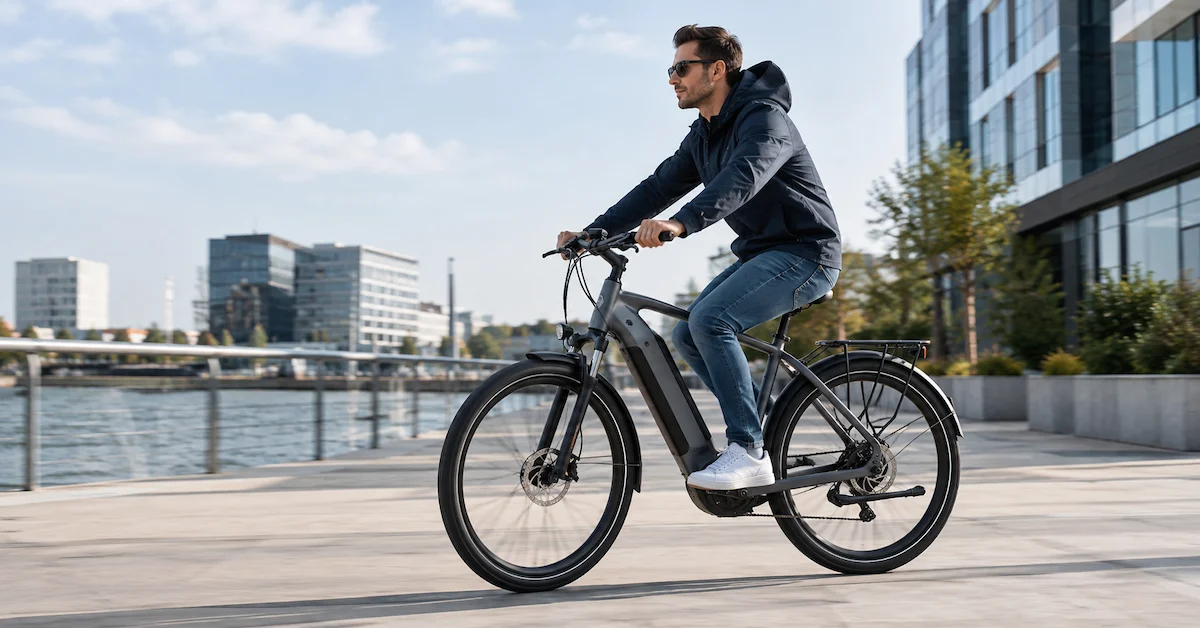
City Electric Bike Frames
Urban commuter frames focus on:
- Comfort
- Lightweight structure
- Easy riding
- Battery integration
Common features:
- Step-through design
- Rear rack mounting
- Fender compatibility
- Comfortable geometry
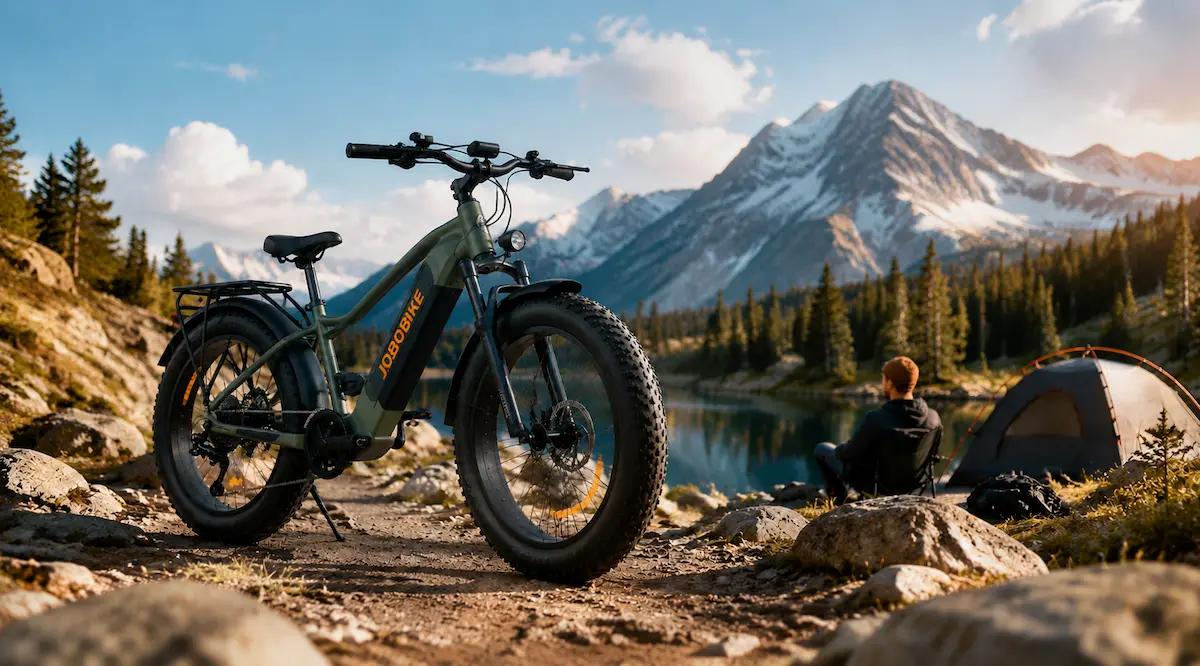
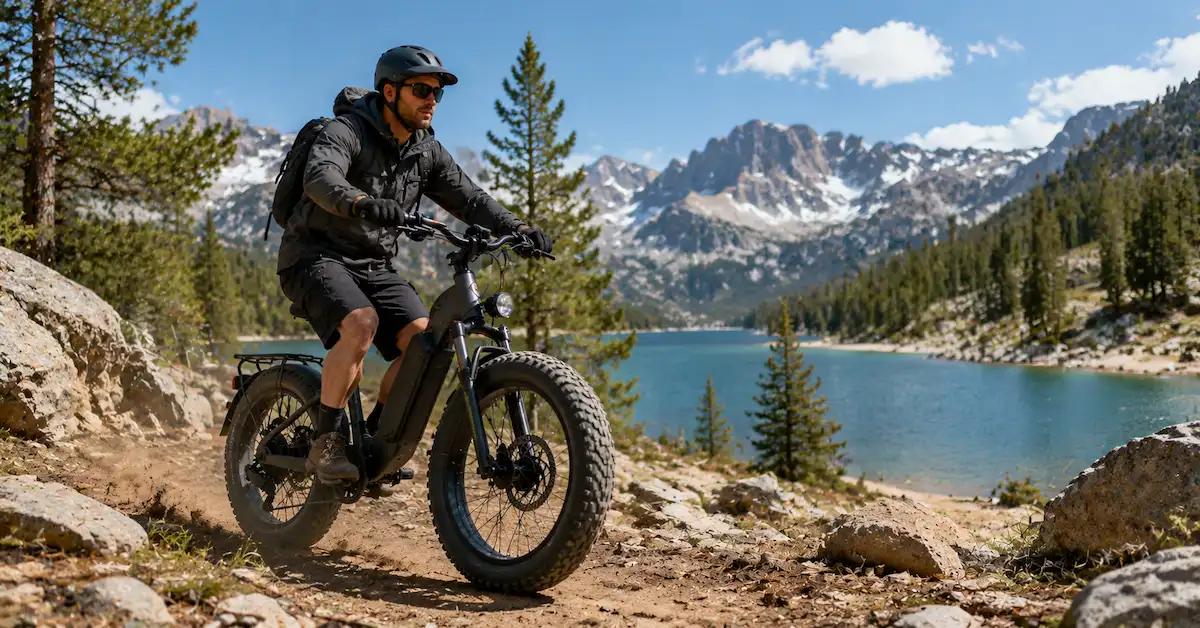
Mountain E-Bike Frames
Mountain electric bikes require stronger structures.
Important requirements include:
- Reinforced joints
- Suspension compatibility
- Impact resistance
- Off-road durability
These frames must handle:
- Rough trails
- Uneven terrain
- Higher riding forces
Cargo Electric Bike Frames
Cargo e-bike frames require additional strength because they support heavier loads.
Key design factors include:
- Reinforced tubing
- Strong welding points
- Cargo mounting systems
- Stable geometry
Applications include:
- Delivery
- Logistics
- Commercial transportation
- Utility services
Folding Electric Bike Frames
Folding e-bike frames require a balance between:
- Strength
- Weight
- Folding convenience
- Compact storage
The folding mechanism must maintain:
- Safety
- Stability
- Durability after repeated use
Materials Used by Electric Bike Frame Manufacturers
Material selection directly affects:
- Weight
- Strength
- Cost
- Riding performance
- Market positioning
Aluminum Alloy Frames
Aluminum is one of the most common materials for electric bikes.
Advantages:
- Lightweight
- Corrosion resistant
- Good strength-to-weight ratio
- Cost effective
It is widely used for:
- City e-bikes
- Mountain e-bikes
- Cargo bikes
- Folding models
Carbon Fiber Frames
Carbon fiber is used for premium products.
Advantages:
- Very lightweight
- High stiffness
- Premium appearance
Common applications:
- Performance e-bikes
- High-end brands
- Sports-focused models
Steel Frames
Steel frames are known for:
- High durability
- Strong load capacity
- Long service life
They are often used for:
- Heavy-duty applications
- Utility bicycles
- Commercial products
Electric Bike Frame Manufacturing Process
A professional production process ensures frame quality and consistency.
Step 1: Tube Cutting and Preparation
Raw materials are prepared according to engineering drawings.
Processes include:
- Tube cutting
- Drilling
- Bending
- CNC processing
Precision at this stage affects final frame alignment.
Step 2: Welding Process
Welding is one of the most important frame production steps.
Manufacturers must control:
- Welding strength
- Joint consistency
- Heat impact
- Frame alignment
Professional factories may use:
- Manual welding
- Robotic welding
- Welding fixtures
- Inspection systems
Step 3: Heat Treatment
Some aluminum frames require heat treatment to improve:
- Strength
- Structural stability
- Fatigue resistance
Proper heat treatment helps maintain performance during long-term use.
Step 4: Surface Finishing
Surface treatment improves:
- Appearance
- Corrosion resistance
- Brand presentation
Common processes include:
- Cleaning
- Powder coating
- Painting
- Curing
Step 5: Frame Inspection
Before assembly, frames should be checked for:
- Dimensions
- Alignment
- Welding quality
- Surface defects
- Structural consistency
How Frame Design Affects E-Bike Performance
The frame influences the entire riding experience.
Stability
A well-designed frame improves:
- Balance
- Steering control
- Riding confidence
This is especially important for:
- Cargo e-bikes
- Fat tire e-bikes
- Commercial models
Comfort
Frame geometry affects:
- Riding posture
- Handling
- Long-distance comfort
For commuter and lifestyle products, comfort is often a key purchase factor.
Battery Integration
Modern e-bike frames increasingly integrate batteries into the structure.
Benefits include:
- Better appearance
- Improved weight balance
- Protection
- Cleaner design
OEM and Custom Electric Bike Frame Solutions
Many brands choose OEM frame development because they need differentiated products.
A professional electric bike frame manufacturer can support:
Custom Frame Geometry
Including:
- Tube shape
- Frame size
- Riding position
- Wheel compatibility
- Battery location
Branding Customization
Including:
- Logo placement
- Color finishing
- Surface treatment
- Product identity
Application-Specific Development
Custom frames can be designed for:
- Cargo transportation
- Mountain riding
- Urban commuting
- Folding mobility
- Commercial fleets
Quality Control Standards for E-Bike Frames
Quality control is essential because frame problems can affect safety and product reputation.
A professional factory should inspect:
Material Inspection
Check:
- Material specifications
- Tube quality
- Surface condition
Welding Inspection
Evaluate:
- Weld appearance
- Joint strength
- Alignment
Structural Testing
Testing may include:
- Load testing
- Fatigue testing
- Stress evaluation
Final Frame Inspection
Confirm:
- Dimensions
- Paint quality
- Mounting accuracy
- Production consistency
How to Choose a Reliable Electric Bike Frame Factory
Before cooperation, buyers should evaluate several factors.
Manufacturing Capability
Questions:
- Does the company produce frames directly?
- What equipment is available?
- Can it support large orders?
Engineering Capability
Check:
- CAD design ability
- Prototype development
- Custom solutions
- Technical communication
Production Quality
Evaluate:
- Welding standards
- Inspection procedures
- Batch consistency
- Testing capability
OEM Experience
A reliable partner should support:
- Custom projects
- New frame development
- Branding requirements
- Long-term production
Common Mistakes When Buying E-Bike Frames
Choosing Only by Price
Low-cost frames may create problems with:
- Material quality
- Welding strength
- Surface finish
- Long-term durability
Ignoring Prototype Testing
Samples help verify:
- Design feasibility
- Component compatibility
- Riding performance
Not Considering Future Production
Brands should confirm:
- Repeat production capability
- Spare parts availability
- Long-term component support
Poor Communication of Specifications
Before production, buyers should confirm:
- Frame drawings
- Materials
- Dimensions
- Surface finishing
- Mounting points
Why Choose JOBOBIKE as Your Electric Bike Frame Manufacturer?
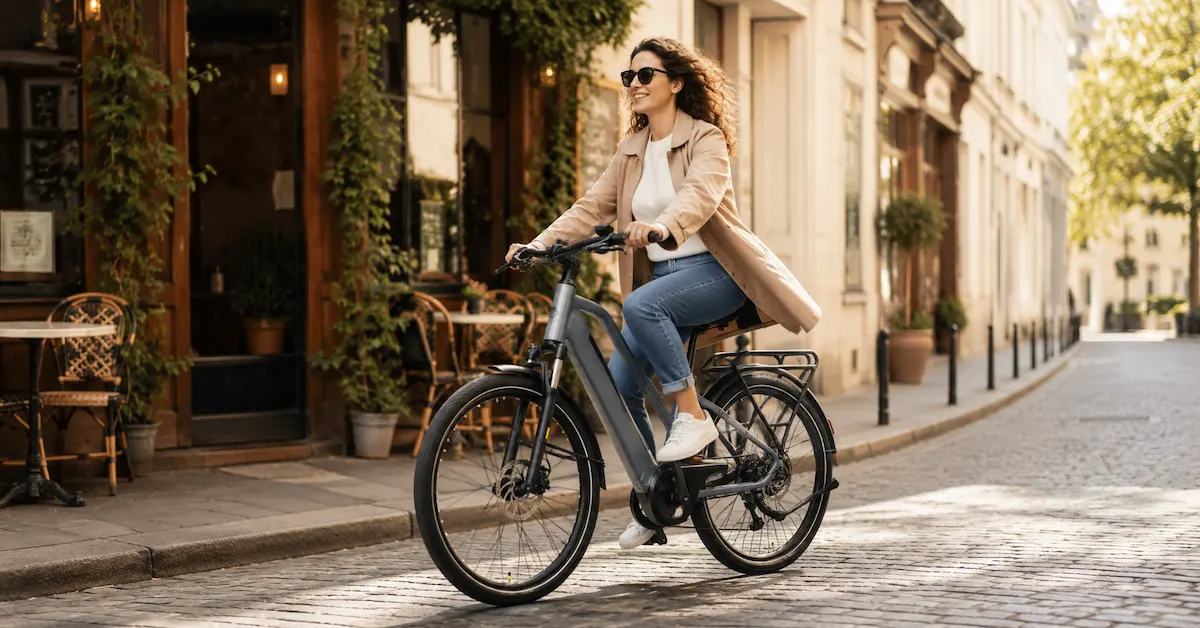
JOBOBIKE supports global brands and distributors with electric bicycle manufacturing solutions, including customized frame development and OEM production.
Capabilities include:
- Electric bike frame development
- OEM and ODM solutions
- Product customization
- Manufacturing support
- Quality control
- Global supply services
JOBOBIKE works with partners developing:
- City electric bikes
- Cargo e-bikes
- Mountain electric bikes
- Folding electric bikes
- Commercial mobility products
Learn more about JOBOBIKE:
https://www.joboev.com/about-us
Contact JOBOBIKE for OEM projects:
https://www.joboev.com/contact-us
FAQ
What does an electric bike frame manufacturer do?
An electric bike frame manufacturer designs and produces frames for different e-bike applications, including city, mountain, cargo, folding, and commercial models.
Why is frame quality important for electric bikes?
The frame affects safety, durability, riding comfort, weight distribution, and battery integration.
What materials are commonly used for e-bike frames?
Common materials include aluminum alloy, carbon fiber, and steel, depending on performance requirements and market positioning.
Can electric bike frames be customized?
Yes. Manufacturers can customize geometry, colors, battery integration, mounting points, and branding.
What is the difference between a standard bike frame and an e-bike frame?
E-bike frames must support additional weight from motors, batteries, and electrical components, requiring stronger structures.
How do manufacturers test e-bike frames?
Testing may include dimensional inspection, welding checks, load testing, fatigue testing, and structural evaluation.
Can JOBOBIKE develop custom e-bike frames?
Yes. JOBOBIKE supports OEM and ODM projects with customized electric mobility solutions.
How do I choose an electric bike frame supplier?
Evaluate manufacturing capability, engineering experience, production quality, customization ability, and long-term support.
What information is needed for a frame quotation?
Provide frame type, material requirements, design drawings, quantity, application, customization needs, and delivery expectations.
How can I start an OEM frame project?
Contact JOBOBIKE with your product requirements, target market, and development plans.
Conclusion
Choosing the right electric bike frame manufacturer is essential for developing reliable and competitive e-bike products.
A professional frame factory should provide:
- Strong engineering capability
- Reliable manufacturing processes
- Quality material control
- Custom development support
- Consistent production
The frame is not only the structure of an electric bike but also the foundation of product performance, safety, and brand value.
For brands, distributors, and OEM buyers, working with an experienced manufacturing partner helps create electric bicycles that meet market expectations and support long-term growth.
Start your electric bike frame project with JOBOBIKE: