Choosing the right electric bike OEM manufacturer is a critical step for companies that want to create their own e-bike brands, expand product lines, or develop customized electric mobility solutions.
For global buyers, OEM cooperation is more than adding a logo to an existing bicycle. A professional OEM manufacturer should support the entire process, including product selection, technical configuration, branding, sample development, testing, production, packaging, and long-term supply.
Many companies entering the electric bike market face the same challenges:
- How to find a factory that understands their market?
- How to customize an e-bike without increasing unnecessary costs?
- How to ensure quality remains consistent after bulk production?
- How to choose the right battery, motor, and frame configuration?
- How to build a product that can compete in their local market?
A reliable electric bike OEM manufacturer helps buyers transform ideas into commercially successful products.
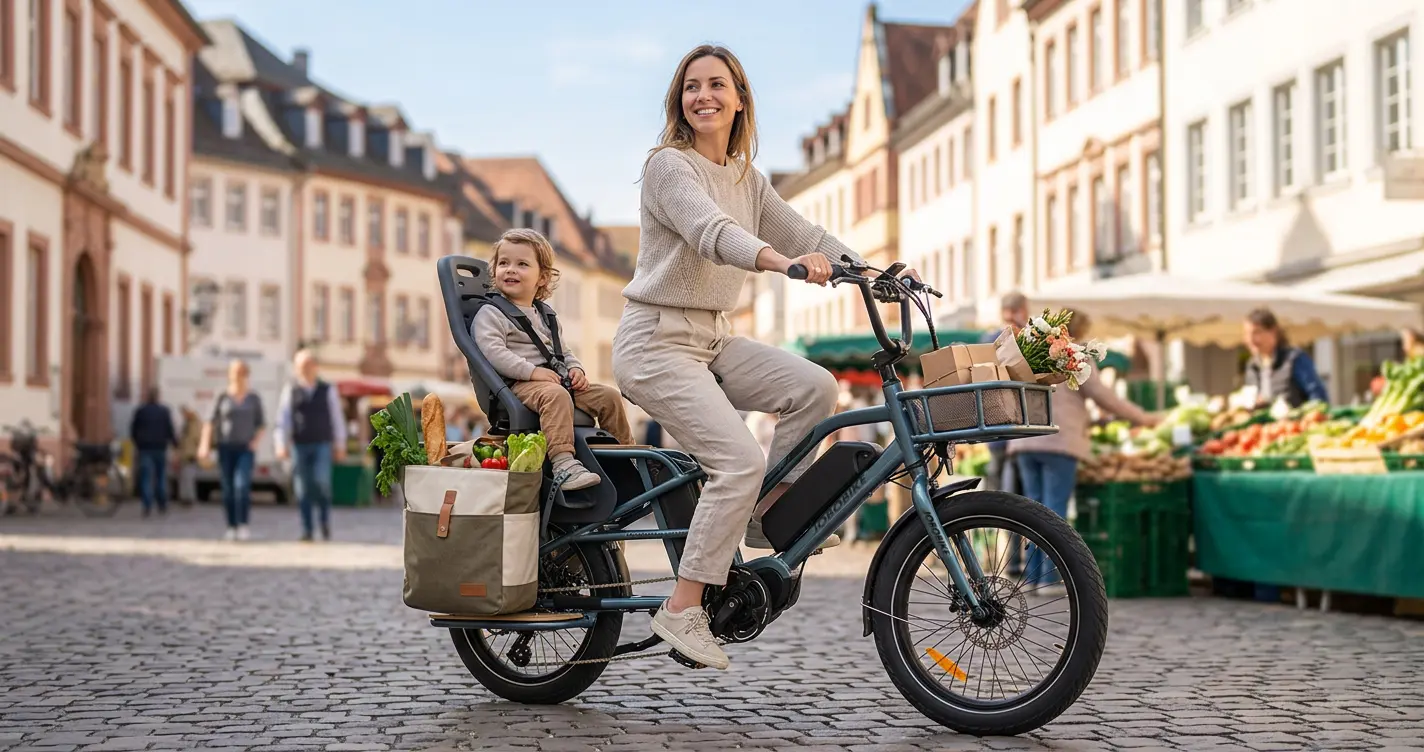
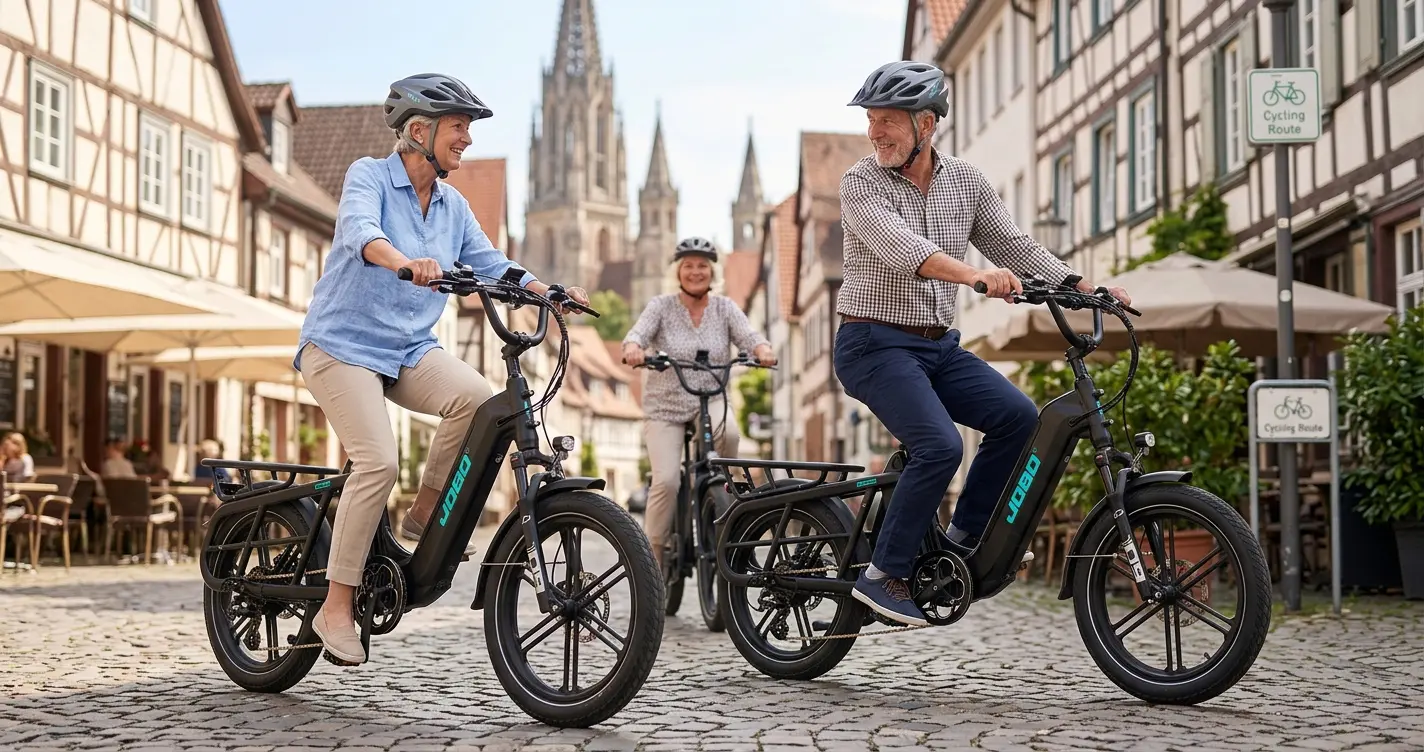
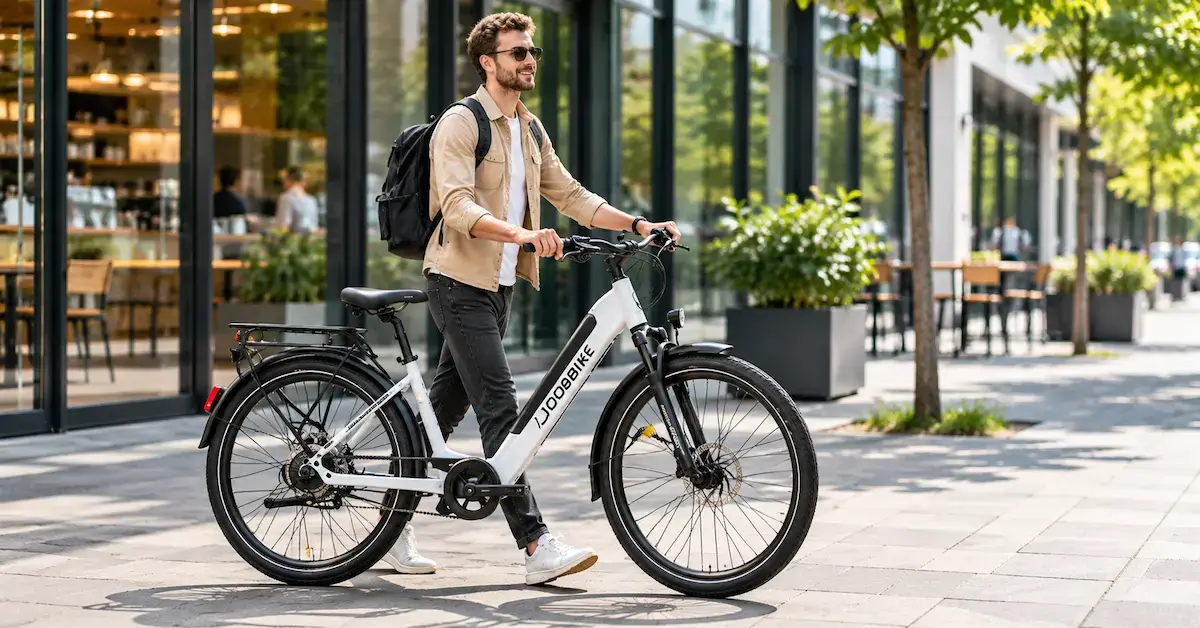
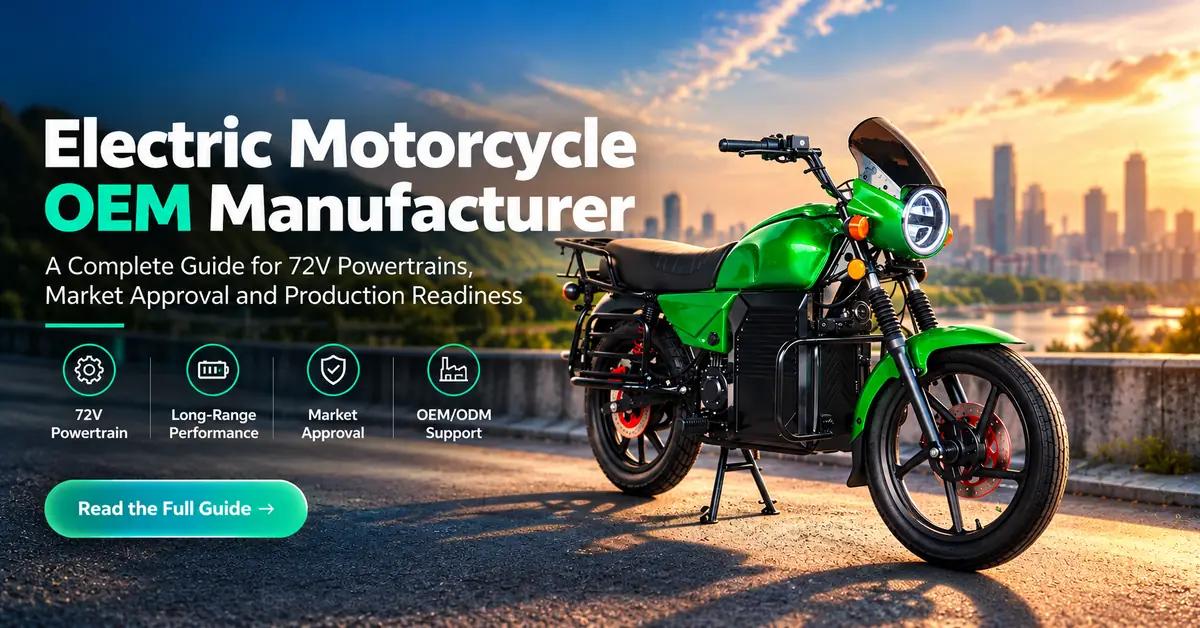
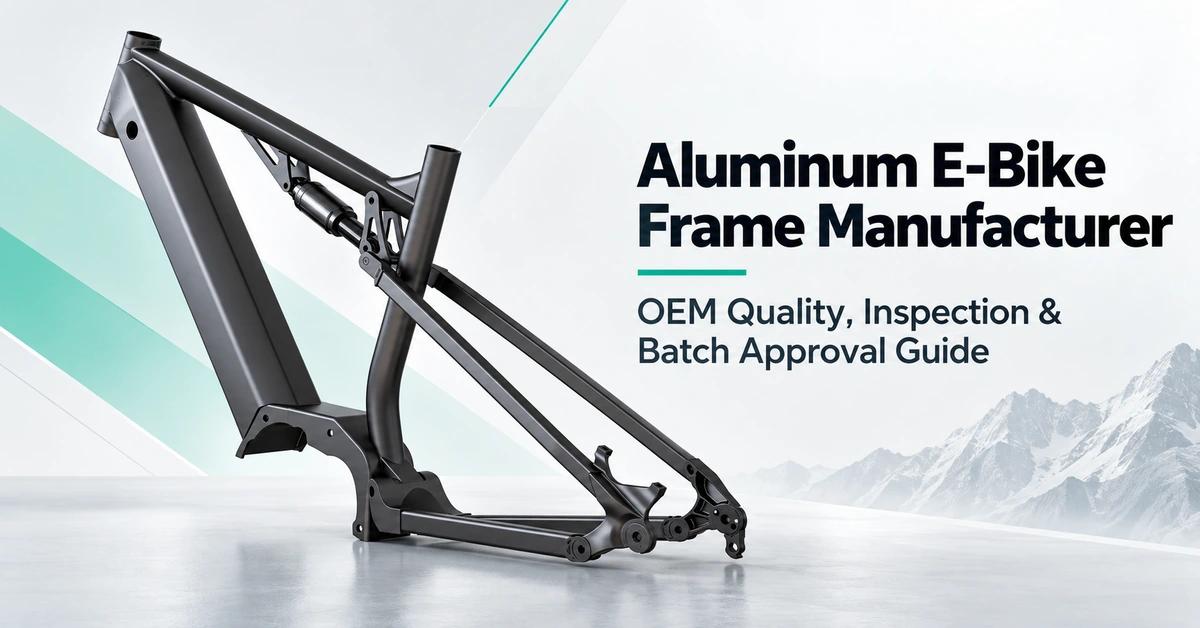
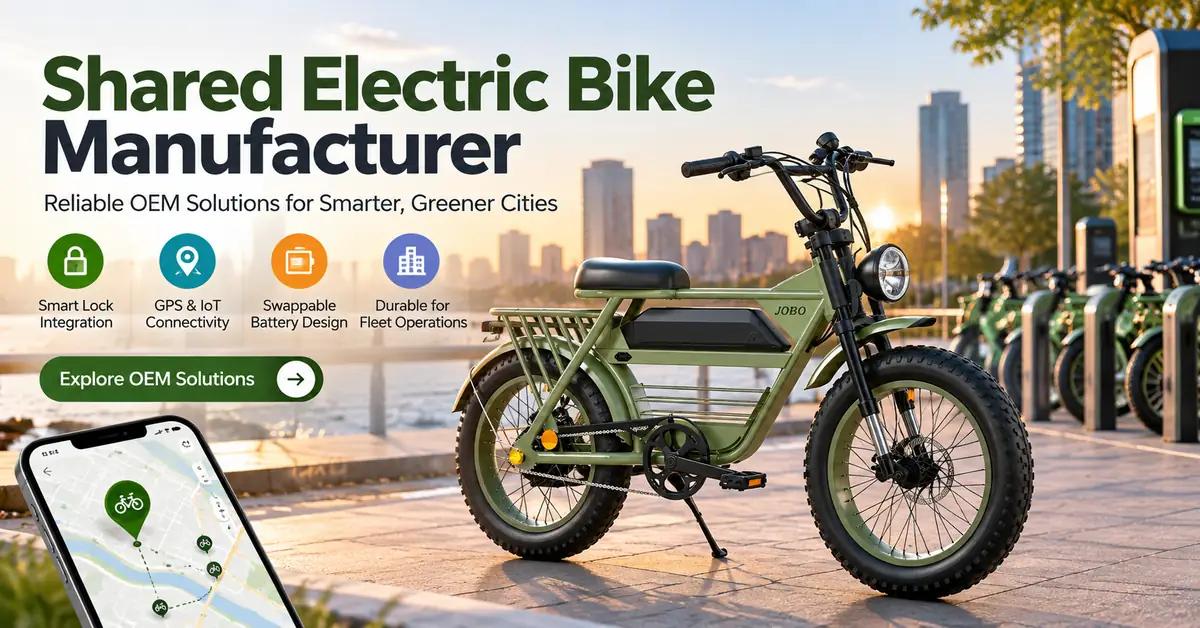
Joboev provides OEM and manufacturing solutions for global buyers, offering city electric bikes, folding electric bikes, cargo electric bikes, mountain electric bikes, off-road electric bikes, shared electric bikes, electric tricycles, electric motorcycles, kid electric bikes, and e-bike frames.
Explore Joboev products:
https://www.joboev.com/products
Quick Answer: What Is an Electric Bike OEM Manufacturer?
An electric bike OEM manufacturer is a factory that produces electric bicycles according to a buyer’s brand requirements, specifications, and market needs.
OEM services may include:
- Custom branding
- Frame customization
- Battery configuration
- Motor selection
- Color customization
- Packaging design
- Product testing
- Bulk production
- Spare parts support
For brand owners and distributors, working with an OEM manufacturer allows them to create unique products instead of selling identical models available from many suppliers.
1. Why Brands Choose Electric Bike OEM Manufacturing
The e-bike market has become increasingly competitive. Simply selling standard models is often not enough for companies that want long-term growth.
OEM manufacturing provides several advantages.
Build Your Own Brand Identity
OEM allows businesses to customize:
- Logo
- Frame design
- Colors
- Packaging
- User manuals
- Product labels
This helps companies create stronger brand recognition.
Create Market-Specific Products
Different markets have different requirements.
For example:
- Urban customers may prefer lightweight commuter bikes.
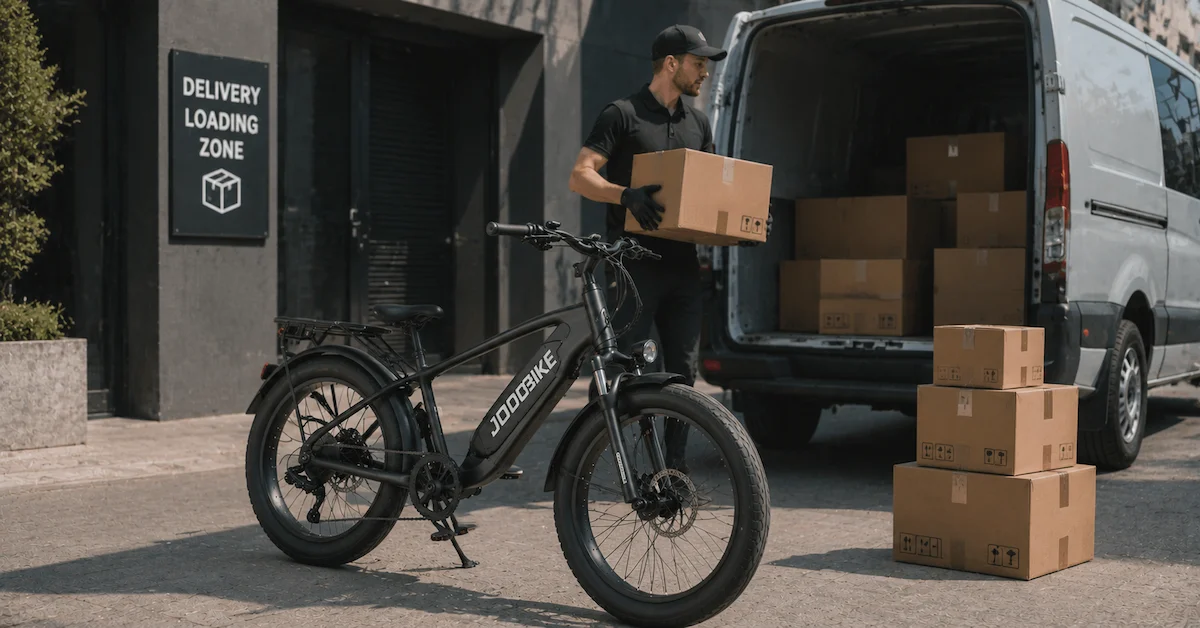
- Delivery companies need cargo solutions.
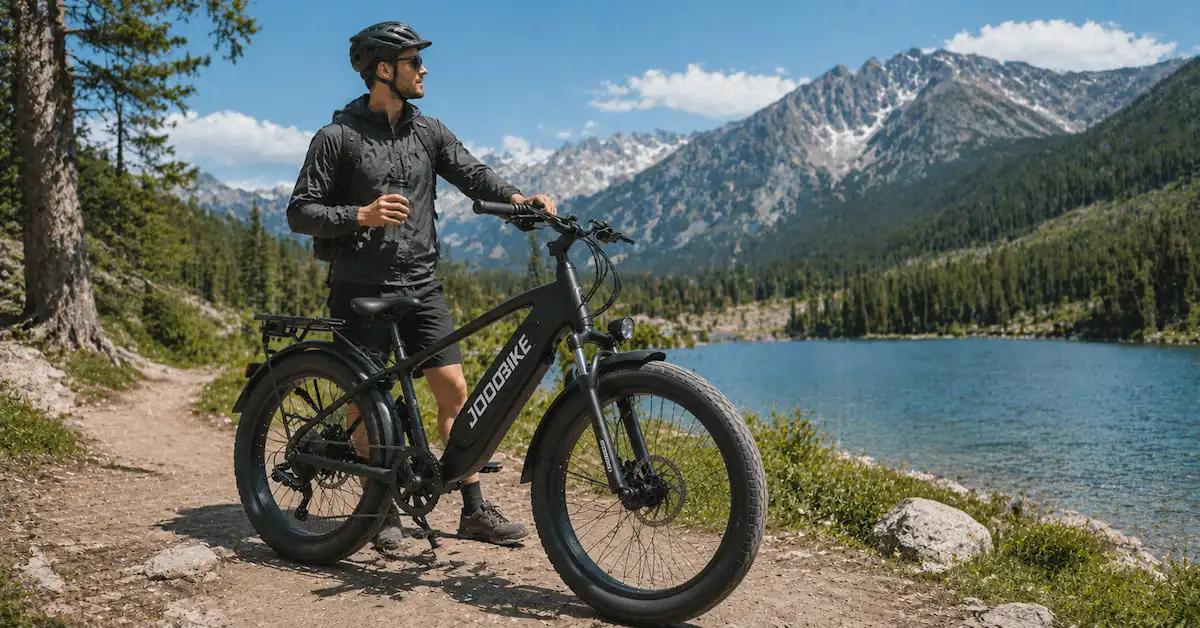
- Outdoor customers need mountain and off-road models.
- Rental businesses require durable fleet products.
An OEM manufacturer can help develop products based on these needs.
Improve Profit Potential
Private label products allow companies to avoid direct price competition with generic products.
Instead of selling the same bicycle as competitors, brands can offer unique products with their own positioning.
2. Who Needs an Electric Bike OEM Manufacturer?
OEM electric bike manufacturing is suitable for:
E-Bike Brand Owners
Brand owners need:
- Custom product lines
- Private label support
- Unique designs
- Stable production
Importers
Importers usually require:
- Factory pricing
- Export experience
- Reliable shipment schedules
- Product documentation
Distributors
Distributors need:
- Multiple product categories
- Repeat supply
- Dealer support
- Spare parts
Online Sellers
E-commerce sellers need:
- Attractive product appearance
- Reliable packaging
- Stable quality
- Low return rates
Mobility Companies
Fleet and transportation companies require:
- Durable structures
- Long service life
- Easy maintenance
3. Electric Bike OEM Manufacturing Process
A professional OEM process should be clear and structured.
Step 1: Market Requirement Analysis
The buyer provides:
- Target market
- Customer group
- Expected price range
- Product positioning
- Order quantity
The factory evaluates suitable solutions.
Step 2: Product Selection
The manufacturer recommends suitable models:
- City e-bike
- Folding e-bike
- Cargo e-bike
- Mountain e-bike
- Off-road e-bike
Step 3: Technical Configuration
Both sides confirm:
- Motor power
- Battery capacity
- Frame structure
- Brake system
- Tires
- Display
- Accessories
Step 4: Branding Customization
The factory supports:
- Logo placement
- Color design
- Packaging
- Manuals
- Labels
Step 5: Prototype Development
A sample is produced for testing.
Buyers check:
- Appearance
- Riding experience
- Components
- Branding details
Step 6: Bulk Production
After approval, the factory begins mass production.
Step 7: Quality Inspection
Final checks include:
- Electrical testing
- Brake testing
- Assembly inspection
- Road testing
- Packaging inspection
4. OEM Electric Bike Customization Options
A professional electric bike OEM manufacturer should provide flexible customization.
Branding Options
- Frame logo
- Battery logo
- Display branding
- Model name
- Packaging design
- Warranty card
Technical Options
- Motor power
- Battery capacity
- Tire size
- Brake system
- Suspension
- Display system
Appearance Options
- Frame color
- Saddle design
- Handlebar style
- Rear rack
- Basket
- Accessories
Customization level depends on:
- Order quantity
- Target market
- Budget
- Product strategy
5. Key Components to Evaluate Before Choosing an OEM Factory
Not all electric bikes have the same performance. Buyers should evaluate important components carefully.
| Component | Importance |
|---|---|
| Motor | Determines power and riding performance |
| Battery | Affects range, safety, and lifespan |
| Frame | Influences durability and comfort |
| Controller | Controls electrical system stability |
| Brake System | Ensures riding safety |
| Tires | Affects terrain performance |
| Display | Improves user experience |
A reliable OEM manufacturer should explain why different configurations are suitable for different markets.
6. Electric Bike OEM Manufacturer Quality Control
Quality control is one of the most important factors in OEM cooperation.
A professional factory should inspect:
Frame Quality
- Welding strength
- Paint finish
- Structural stability
Electrical System
- Battery charging
- Motor operation
- Controller function
- Wiring connection
Assembly Quality
- Brake adjustment
- Wheel alignment
- Gear system
- Component installation
Final Testing
- Riding test
- Safety inspection
- Packaging inspection
For brand owners, quality problems directly affect customer reviews and brand reputation.
7. Production Capacity and Lead Time
Before cooperation, buyers should understand factory capability.
Important questions:
- How many units can the factory produce monthly?
- Can they support repeat orders?
- How long does sample production take?
- How quickly can customization be completed?
Typical OEM timeline:
| Stage | Time |
|---|---|
| Requirement discussion | 1-3 days |
| Product confirmation | 3-7 days |
| Sample production | 7-20 days |
| Sample approval | 3-10 days |
| Bulk production | 25-45 days |
Actual time depends on customization level and order quantity.
8. Packaging and Export Support
International shipping requires reliable packaging.
A professional OEM manufacturer should provide:
- Strong cartons
- Foam protection
- Battery protection
- Accessory packaging
- Product labels
- Manuals
Good packaging reduces:
- Shipping damage
- Customer complaints
- Replacement costs
9. Common Mistakes When Choosing an OEM Electric Bike Manufacturer
Choosing Only the Lowest Price
Low pricing may create:
- Poor components
- Weak quality control
- Higher warranty costs
Skipping Sample Approval
Samples help verify:
- Design
- Performance
- Quality
- Branding
Ignoring Spare Parts
Long-term customers require replacement components.
Over-Customizing Too Early
New brands should usually start with proven platforms before developing completely new designs.
Not Understanding Target Customers
The product should match:
- Customer needs
- Local regulations
- Riding environment
- Price expectations
10. How to Evaluate an Electric Bike OEM Manufacturer
Before placing an order, check:
| Evaluation Point | Questions |
|---|---|
| Manufacturing Ability | Does the factory control production? |
| OEM Experience | Have they completed similar projects? |
| Product Range | Can they support multiple models? |
| Quality System | Are inspections documented? |
| Communication | Are responses professional? |
| After-Sales | Are spare parts available? |
11. Why Choose Joboev as Your Electric Bike OEM Manufacturer?
Joboev provides OEM electric bike solutions for global brands, distributors, and importers.
Product categories include:
- City Electric Bike
- Folding Electric Bike
- Cargo Electric Bike
- Electric Mountain Bike
- Off-Road Electric Bike
- Shared Electric Bike
- Electric Tricycle
- Electric Motorcycle
- Kid Electric Bike
- E-Bike Frame
Joboev supports:
- OEM development
- Private label projects
- Bulk production
- Product customization
- Market-specific solutions
For companies looking to develop their own electric bike products, Joboev can support the journey from model selection to bulk production.
Learn more:
https://www.joboev.com/about-us
Request cooperation:
https://www.joboev.com/contact-us
FAQ
1. What is an electric bike OEM manufacturer?
An electric bike OEM manufacturer produces customized electric bicycles according to a buyer’s brand requirements, specifications, and market needs.
2. Can OEM manufacturers create private label electric bikes?
Yes. OEM factories can customize logos, colors, packaging, manuals, labels, and selected technical specifications.
3. What products can an electric bike OEM manufacturer develop?
OEM factories can develop city e-bikes, folding e-bikes, cargo e-bikes, mountain e-bikes, and other electric mobility products.
4. How long does OEM electric bike production take?
Production time depends on product complexity, customization level, order quantity, and component availability.
5. What should I check before choosing an OEM factory?
Check manufacturing ability, customization options, quality control, production capacity, lead time, and after-sales support.
6. Is OEM electric bike production more expensive?
Initial development may cost more than standard products, but OEM allows better brand differentiation and long-term business value.
7. Can OEM factories customize battery and motor systems?
Yes. Many OEM projects include battery capacity, motor power, controller, display, and accessory customization.
8. Do OEM electric bike manufacturers support distributors?
Yes. Professional factories support distributors with bulk orders, spare parts, product information, and repeat production.
9. Why is quality control important in OEM projects?
Quality control ensures consistent products and protects the brand reputation of buyers.
10. How can I start an OEM electric bike project with Joboev?
Send your target market, preferred models, quantity, customization requirements, and project details through Joboev’s contact page.
https://www.joboev.com/contact-us
Conclusion
Choosing the right electric bike OEM manufacturer is the foundation of building a successful e-bike brand. A reliable OEM partner should provide customization flexibility, stable manufacturing, strict quality control, and long-term support.
For global brands, importers, and distributors, OEM manufacturing creates opportunities to develop unique products, improve competitiveness, and build stronger customer relationships.
Joboev provides OEM and private label electric bike solutions for international buyers.
Explore products:
https://www.joboev.com/products
Start your OEM project:
https://www.joboev.com/contact-us