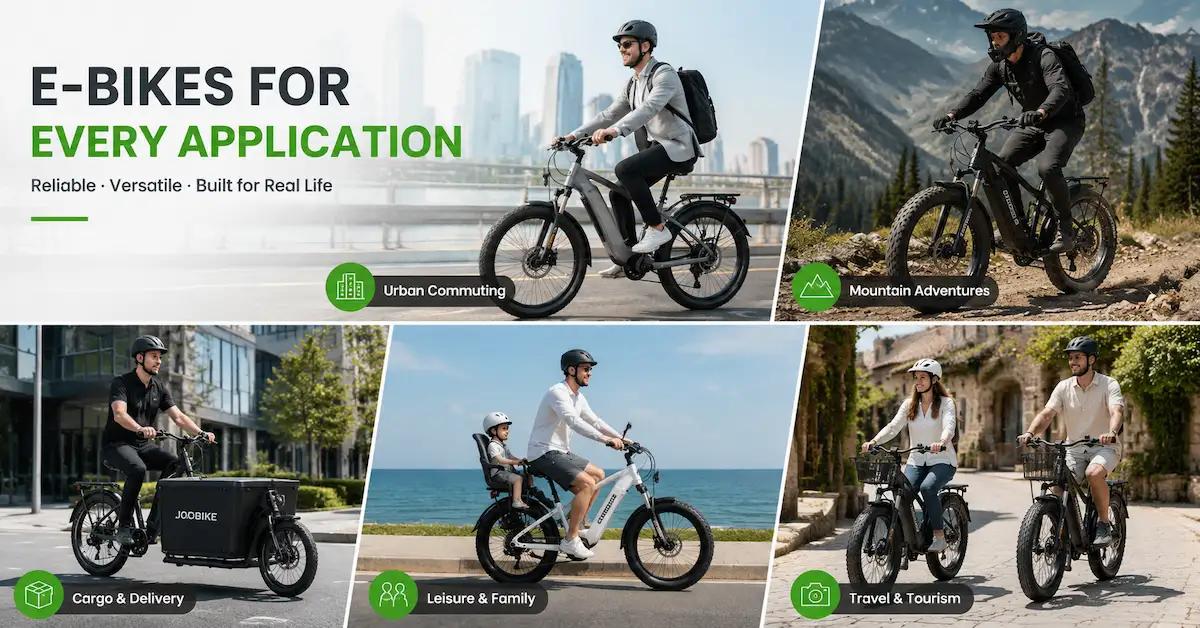
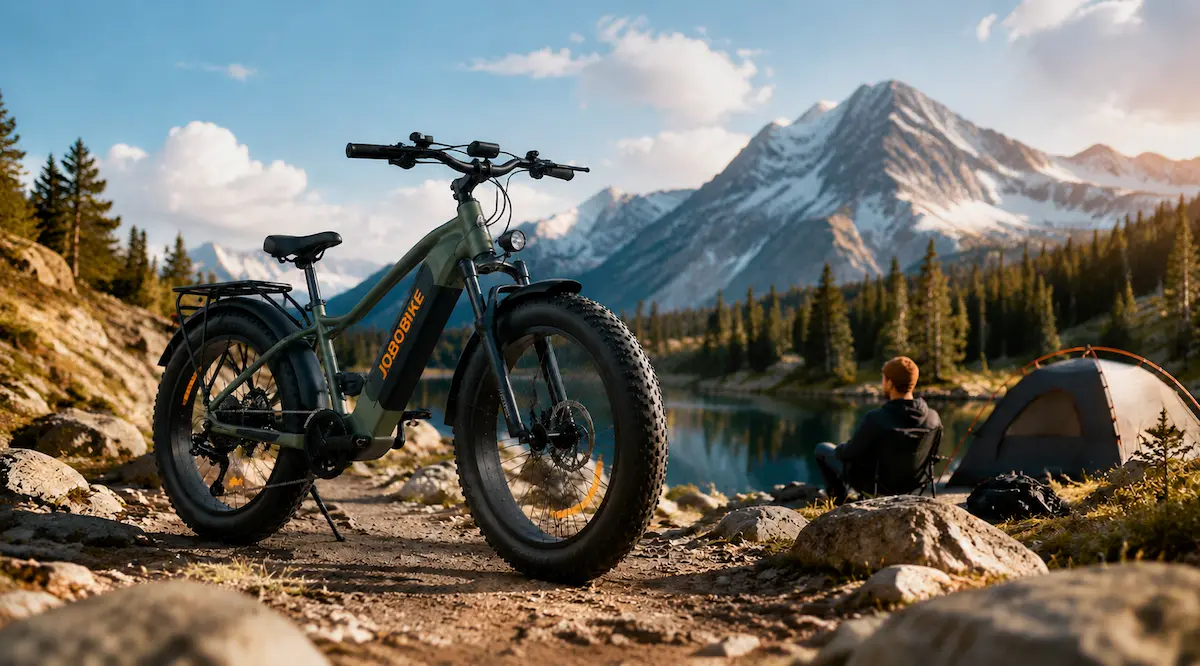
The demand for fat tire electric bikes continues to grow as more consumers and businesses look for versatile electric mobility solutions that can handle different riding environments. From outdoor adventures and tourism projects to urban commuting and rental fleets, fat tire e-bikes provide improved stability, comfort, and traction compared with traditional electric bicycles.
For distributors, importers, outdoor brands, and private-label companies, choosing the right fat tire e-bike manufacturer is a critical decision. A reliable factory does not only provide finished bicycles but also supports product development, component selection, customization, quality control, and long-term supply.
A professional manufacturer should understand how every part of a fat tire electric bike works together:
- Frame structure
- Wide tire design
- Motor performance
- Battery capacity
- Brake system
- Suspension configuration
- Electrical integration
- Manufacturing consistency
Working with the right factory helps brands reduce sourcing risks, improve product quality, and build competitive electric bike products for global markets.
JOBOBIKE provides electric bicycle solutions for international distributors, retailers, and brands, including fat tire e-bikes, city electric bikes, cargo e-bikes, mountain electric bikes, folding models, and customized OEM solutions.
Explore JOBOBIKE electric bike products:
https://www.joboev.com/products
What Is a Fat Tire E-Bike?
A fat tire e-bike is an electric bicycle equipped with wider tires designed to improve riding stability and adaptability across different surfaces.
Compared with standard electric bikes, fat tire models usually provide:
- Better traction
- Higher riding comfort
- Improved balance
- Stronger off-road capability
- More confidence on uneven terrain
Typical applications include:
- Mountain trails
- Beaches
- Forest roads
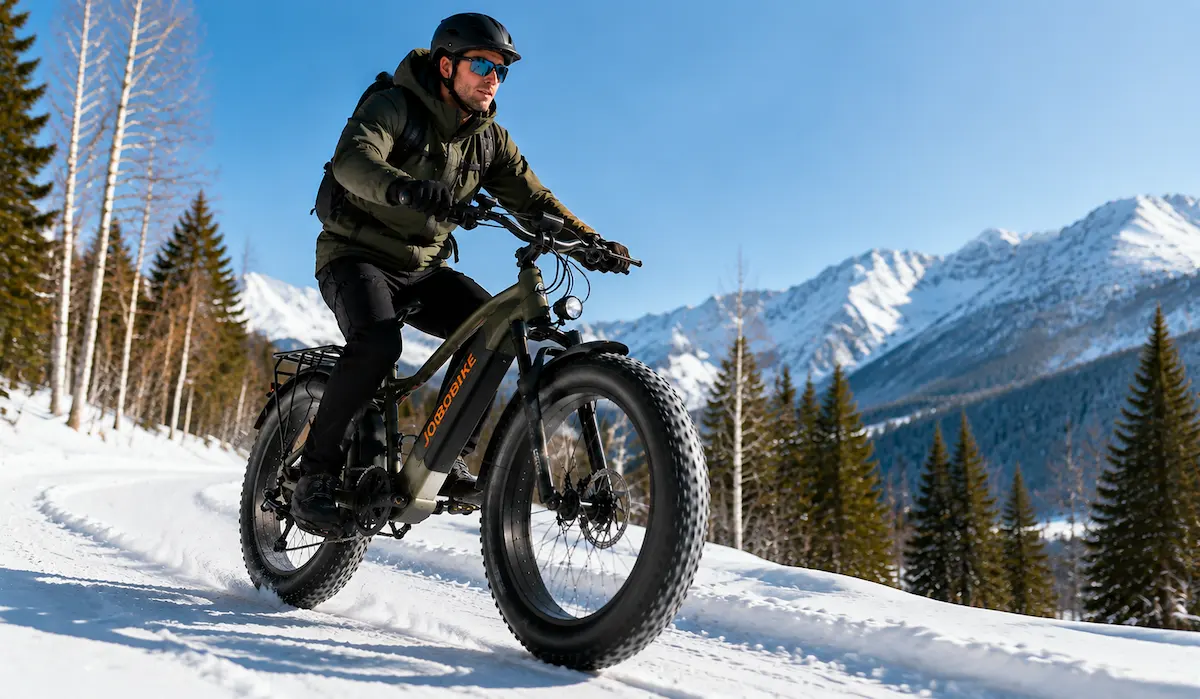
- Snow areas
- Gravel paths
- Outdoor tourism
- Urban leisure riding
- Rental businesses
The wider tire contact area allows riders to maintain better control on surfaces where normal bicycle tires may struggle.
For businesses, fat tire electric bikes also create strong market appeal because they combine performance, lifestyle design, and outdoor adventure positioning.
Why Choose a Professional Fat Tire E-Bike Manufacturer?
Not every electric bike factory has the engineering ability to produce reliable fat tire models.
A professional fat tire e-bike manufacturer should understand the unique requirements of this category.
Strong Frame Engineering
Fat tire e-bikes usually carry:
- Larger wheels
- Wider tires
- Heavier batteries
- More powerful motors
This creates additional requirements for the frame.
A reliable manufacturer should control:
- Frame geometry
- Tire clearance
- Welding quality
- Reinforcement structure
- Battery integration
- Weight distribution
A poorly designed frame may affect:
- Riding stability
- Handling performance
- Durability
- Rider safety
Motor and Power System Matching
Fat tire electric bikes are often heavier than standard models.
The motor must provide enough torque for:
- Hills
- Loose surfaces
- Outdoor trails
- Heavy riders
- Long-distance riding
Manufacturers should evaluate:
- Motor power
- Torque output
- Controller settings
- Battery capacity
- Riding environment
The goal is not simply choosing the most powerful motor but selecting the correct system for the target market.
Battery Performance
Battery performance directly affects customer experience.
A professional manufacturer should consider:
- Battery capacity
- Cell quality
- Charging system
- Battery protection
- Thermal management
- Replacement availability
For outdoor and adventure markets, buyers often expect:
- Long riding range
- Reliable performance
- Easy charging
- Safe operation
Main Applications of Fat Tire Electric Bikes
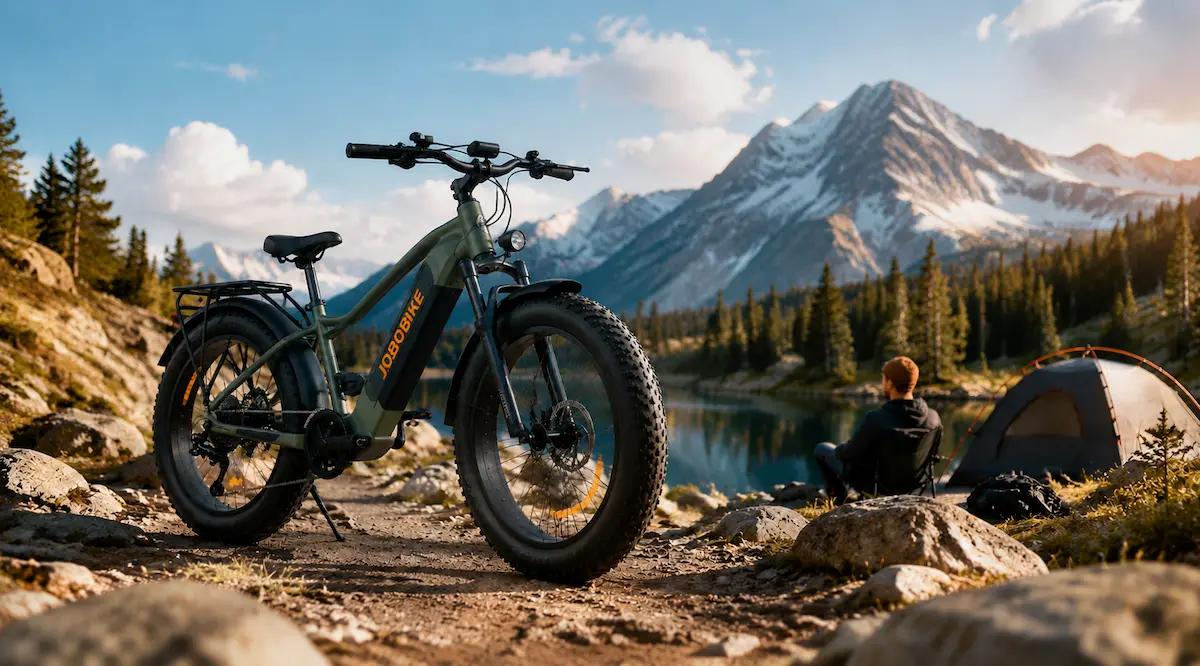
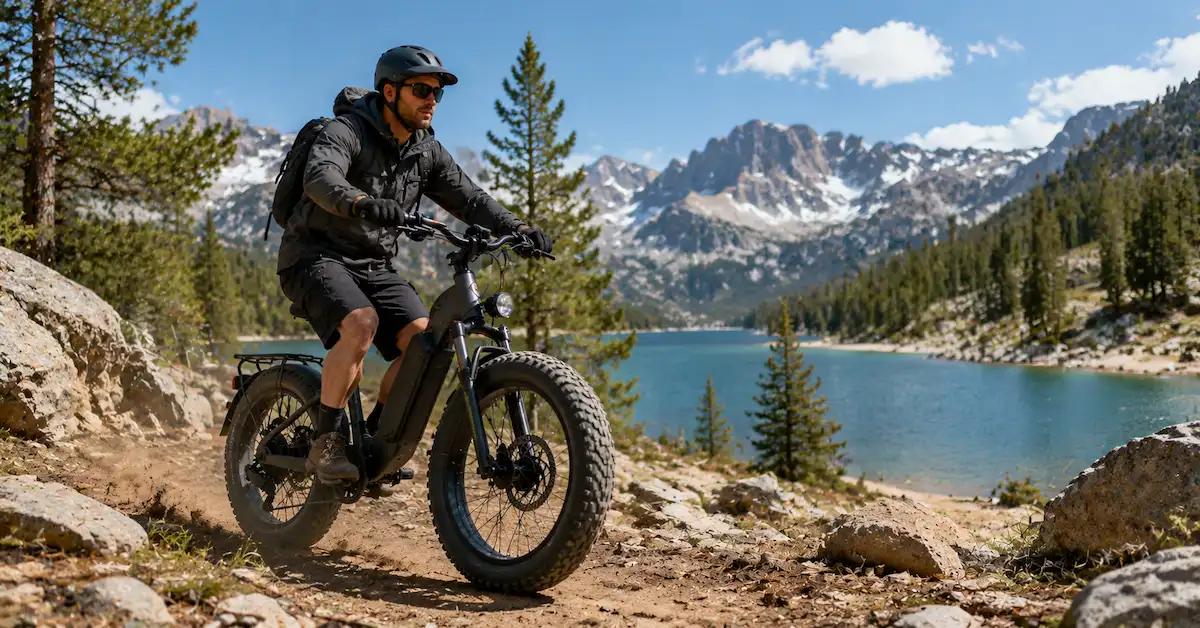
Outdoor Adventure Market
Outdoor riding is one of the strongest applications for fat tire e-bikes.
Common users include:
- Adventure riders
- Camping enthusiasts
- Trail explorers
- Outdoor tourism operators
Important product features include:
- High-torque motors
- Suspension forks
- Durable frames
- Wide tires
- Large batteries
Beach and Coastal Riding
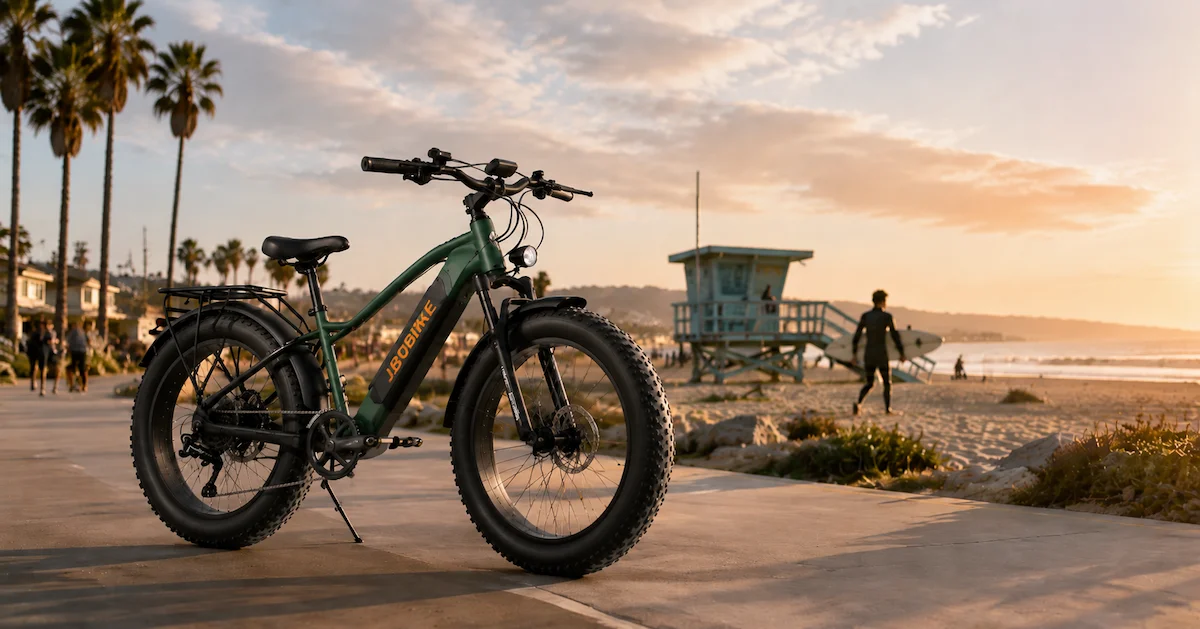
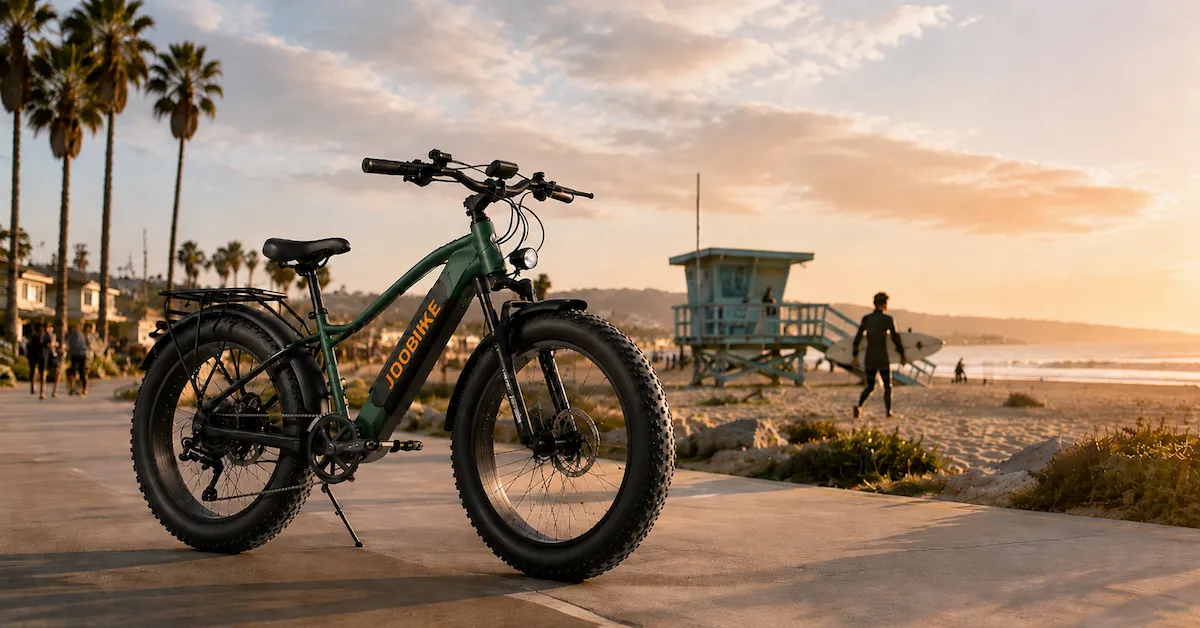
Fat tires perform well on coastal paths and sandy environments.
Manufacturers should consider:
- Corrosion-resistant components
- Tire durability
- Frame protection
- Easy maintenance
Beach rental companies often choose fat tire models because they are visually attractive and suitable for different rider skill levels.
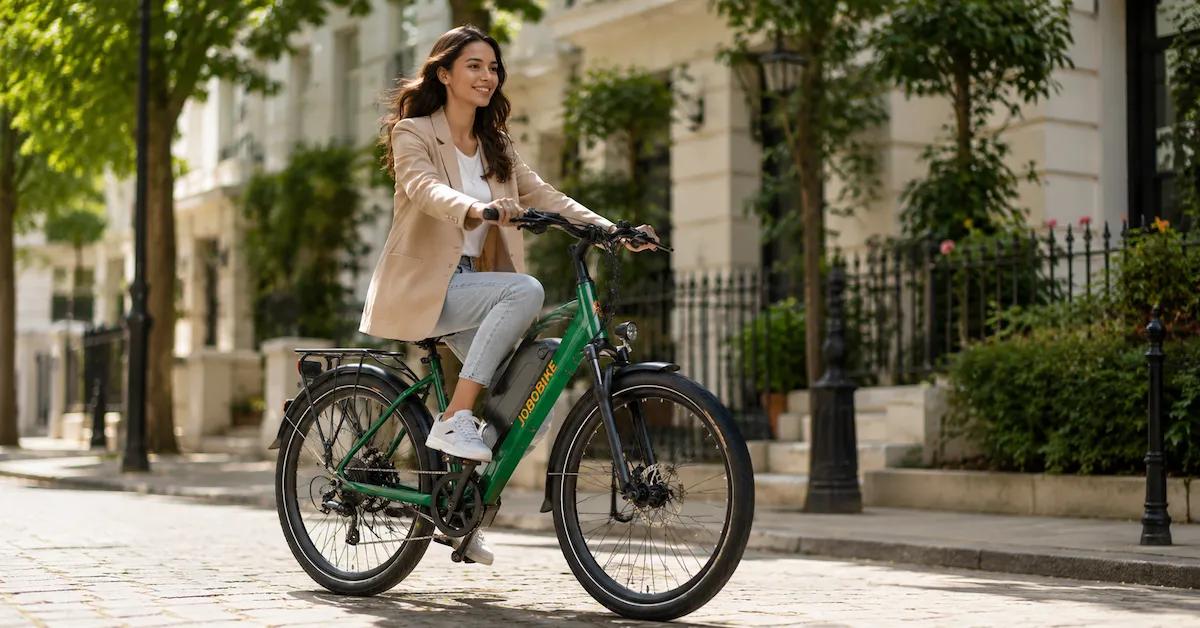
Urban Lifestyle Market
Many customers choose fat tire e-bikes because of their appearance and comfortable riding experience.
Urban applications include:
- Daily commuting
- Weekend transportation
- City exploration
- Recreational riding
Brands targeting urban customers often focus on:
- Stylish frame design
- Comfortable riding position
- Practical accessories
- Battery range
Rental and Tourism Businesses
Rental operators require products that can withstand repeated use.
A rental-focused fat tire e-bike manufacturer should provide:
- Durable components
- Simple maintenance
- Stable quality
- Spare parts support
- Fleet customization
Tourism businesses may also require:
- Custom colors
- Branding
- Tracking systems
- Accessories
How Fat Tire E-Bikes Are Manufactured
A reliable manufacturing process ensures product consistency from prototype to mass production.
Step 1: Product Planning
The manufacturer first defines:
- Target customers
- Market positioning
- Riding environment
- Product specifications
- Price level
Different markets require different solutions.
For example:
Outdoor brands may focus on performance.
Rental companies may focus on durability.
Retail brands may focus on appearance and comfort.
Step 2: Engineering Development
The engineering team develops:
- Frame structure
- Electrical system
- Component configuration
- Battery placement
- Accessory compatibility
This stage determines whether the final product can be manufactured efficiently.
Step 3: Prototype Production
Before bulk production, a prototype should be tested.
Important testing areas include:
- Riding comfort
- Motor response
- Battery range
- Brake performance
- Frame strength
- Tire handling
Step 4: Component Assembly
A complete fat tire e-bike includes:
| System | Main Components |
|---|---|
| Frame | Aluminum frame, fork, mounting points |
| Electrical | Motor, battery, controller, display |
| Drivetrain | Chain, gears, crank system |
| Braking | Disc brakes, brake levers |
| Wheels | Fat tires, rims, hubs |
| Accessories | Lights, racks, fenders |
Each system must work together to create reliable performance.
Step 5: Quality Inspection
Professional manufacturers perform multiple inspections.
Frame Inspection
Includes:
- Welding quality
- Alignment
- Surface finish
- Structural checks
Electrical Testing
Includes:
- Battery charging
- Motor operation
- Controller function
- Display testing
Final Assembly Inspection
Checks:
- Brake adjustment
- Tire installation
- Gear shifting
- Cable routing
- Riding performance
OEM and Private Label Fat Tire E-Bike Manufacturing
Many international brands choose OEM production because they need differentiated products.
A professional factory can support:
Brand Customization
Including:
- Frame logo
- Battery branding
- Packaging design
- User manuals
- Product labels
Product Customization
Including:
- Motor configuration
- Battery capacity
- Tire selection
- Suspension system
- Brake system
- Accessories
Market-Specific Development
Different regions may require different configurations.
Examples:
European markets may focus on:
- Regulations
- Comfort
- Daily commuting
North American markets may prioritize:
- Higher performance
- Larger tires
- Outdoor capability
How to Choose the Right Fat Tire E-Bike Manufacturer
Before selecting a supplier, buyers should evaluate several factors.
Manufacturing Experience
Questions to ask:
- Does the company manufacture directly?
- How many years of experience does it have?
- Can it support repeat orders?
Engineering Capability
Check whether the manufacturer can provide:
- Product development
- Prototype testing
- Technical recommendations
- Custom solutions
Production Capacity
Important factors include:
- Factory size
- Assembly capability
- Quality systems
- Supply chain management
OEM Support
A strong partner should support:
- Branding
- Product customization
- Packaging
- Documentation
- After-sales service
Common Mistakes When Buying Fat Tire E-Bikes
Choosing Only the Lowest Price
Low-cost products may create problems with:
- Battery quality
- Component reliability
- Warranty costs
- Customer complaints
Ignoring Real Applications
A mountain trail bike, rental bike, and commuter fat tire bike require different configurations.
Buyers should clearly define:
- Riding environment
- Customer type
- Expected usage
Skipping Sample Testing
Samples help identify:
- Comfort issues
- Component problems
- Design improvements
Testing before mass production reduces future risks.
Ignoring Spare Parts Support
Long-term business requires:
- Battery availability
- Charger support
- Controller replacement
- Brake components
- Technical assistance
Why Choose JOBOBIKE as Your Fat Tire E-Bike Manufacturer?
JOBOBIKE supports global brands, distributors, and business buyers with electric bicycle manufacturing solutions.
The company provides:
- OEM and ODM development
- Product customization
- Electric bike manufacturing
- Quality inspection
- Global supply support
JOBOBIKE develops electric mobility products for different applications, including:
- Outdoor riding
- Urban transportation
- Commercial mobility
- Rental fleets
- Private-label brands
Learn more about JOBOBIKE:
https://www.joboev.com/about-us
For OEM cooperation and product inquiries:
https://www.joboev.com/contact-us
FAQ
What is a fat tire e-bike manufacturer?
A fat tire e-bike manufacturer designs and produces electric bicycles with wide tires for outdoor, commuting, recreational, and commercial applications.
Why are fat tire electric bikes popular?
They provide better stability, comfort, and traction across different environments including trails, beaches, gravel roads, and urban areas.
Can fat tire e-bikes be customized?
Yes. Manufacturers can customize colors, logos, batteries, motors, components, packaging, and accessories.
What motor is best for a fat tire e-bike?
The ideal motor depends on terrain, rider weight, battery size, and application requirements. Torque performance is especially important for outdoor use.
Are fat tire e-bikes suitable for business applications?
Yes. They are commonly used for tourism, rentals, outdoor services, and lifestyle transportation businesses.
How do I choose a reliable fat tire e-bike factory?
Evaluate factory experience, engineering capability, quality control, OEM support, and export experience.
What should buyers check before bulk purchasing?
Buyers should review:
- Product specifications
- Prototype performance
- Manufacturing capability
- Inspection procedures
- Spare parts support
Can JOBOBIKE produce private-label fat tire e-bikes?
Yes. JOBOBIKE supports OEM and ODM cooperation including branding, customization, and production solutions.
How long does fat tire e-bike production take?
Production time depends on customization requirements, order quantity, component availability, and production planning.
How can I request a quotation?
Provide your target market, product requirements, quantity, customization needs, and delivery expectations through the JOBOBIKE contact page.
Conclusion
Choosing the right fat tire e-bike manufacturer is essential for brands and distributors that want reliable products and long-term business growth.
A professional manufacturer should provide:
- Strong engineering capability
- Reliable components
- Stable production
- OEM customization
- Strict quality control
- After-sales support
As demand for outdoor and versatile electric mobility continues growing in 2026, fat tire e-bikes represent an important opportunity for global businesses.
JOBOBIKE helps partners develop competitive fat tire electric bikes through professional manufacturing, customization, and supply solutions.
Start your OEM project with JOBOBIKE: