Choosing the right electric bike production factory is essential for brands, distributors, importers, and mobility companies that need reliable products and stable supply. A professional production factory does more than assemble bicycles. It manages the entire manufacturing process, including component sourcing, frame production, electrical system integration, quality inspection, customization, packaging, and shipment preparation.
For global buyers, understanding how an electric bike is produced helps them evaluate suppliers more effectively. A factory with strong production capability can provide better consistency, shorter communication cycles, improved customization support, and stronger long-term cooperation.
Many electric bikes may look similar from the outside, but manufacturing quality depends on details such as:
- Frame welding accuracy
- Paint quality
- Battery installation
- Motor integration
- Controller matching
- Wiring management
- Assembly standards
- Final testing procedures
A reliable electric bike production factory helps buyers create products that meet market expectations and build customer trust.
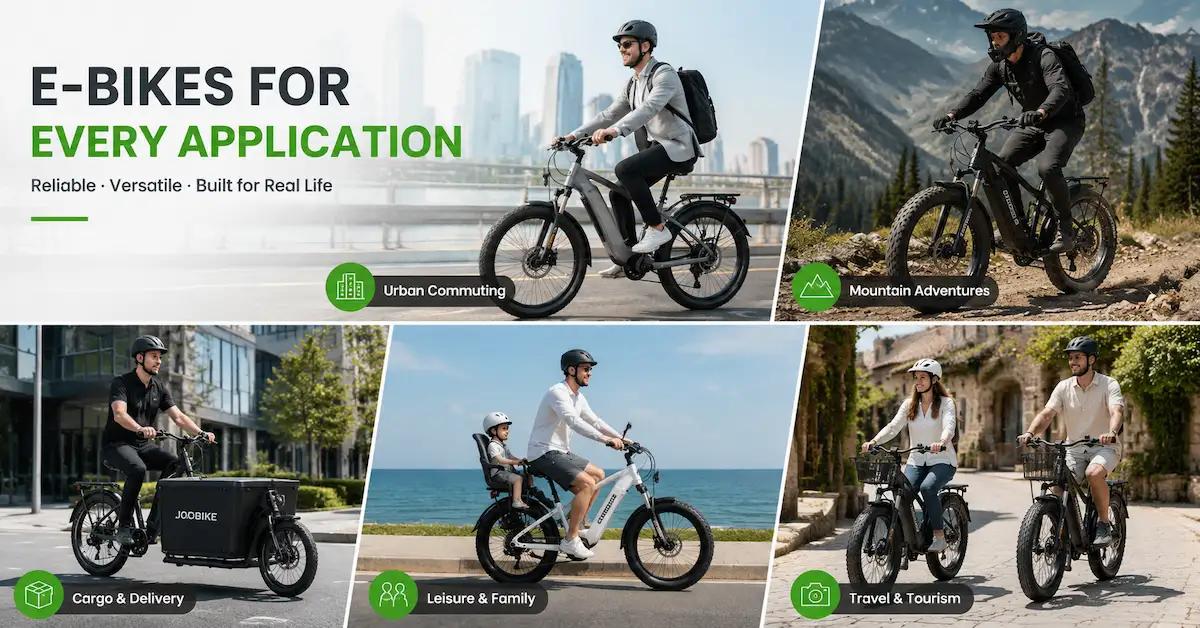
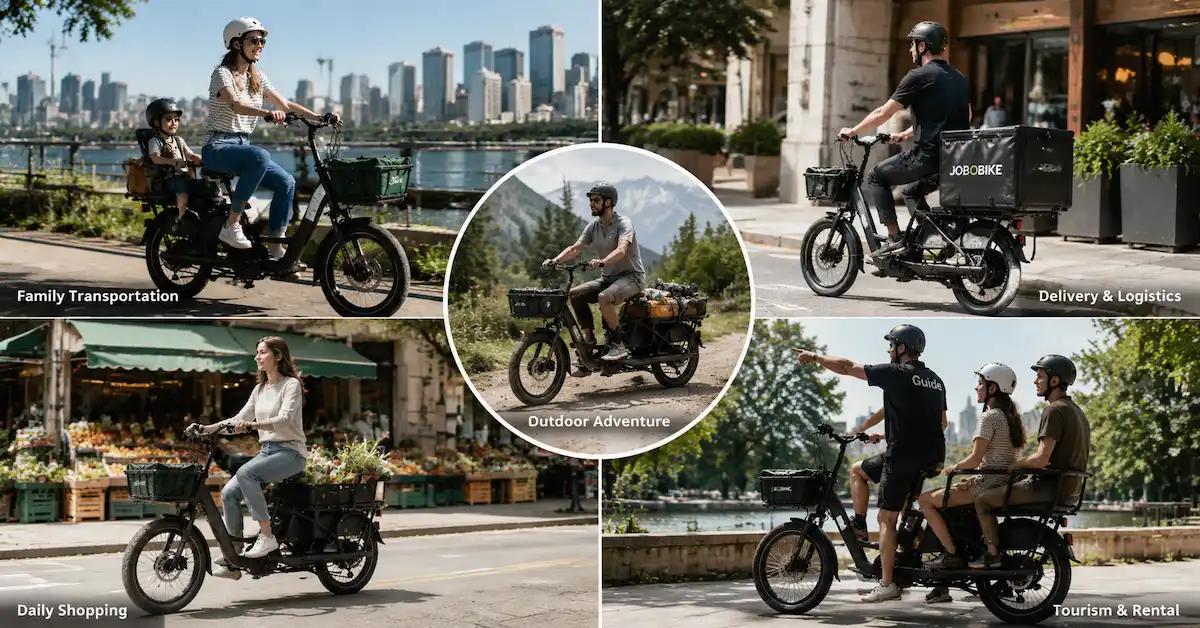
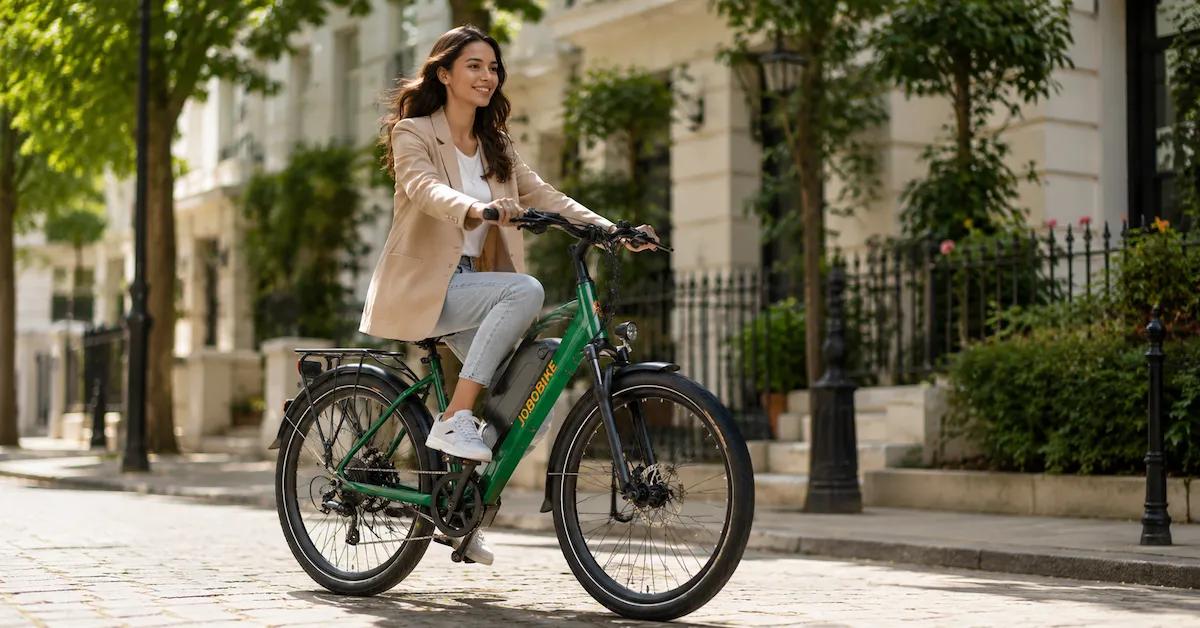
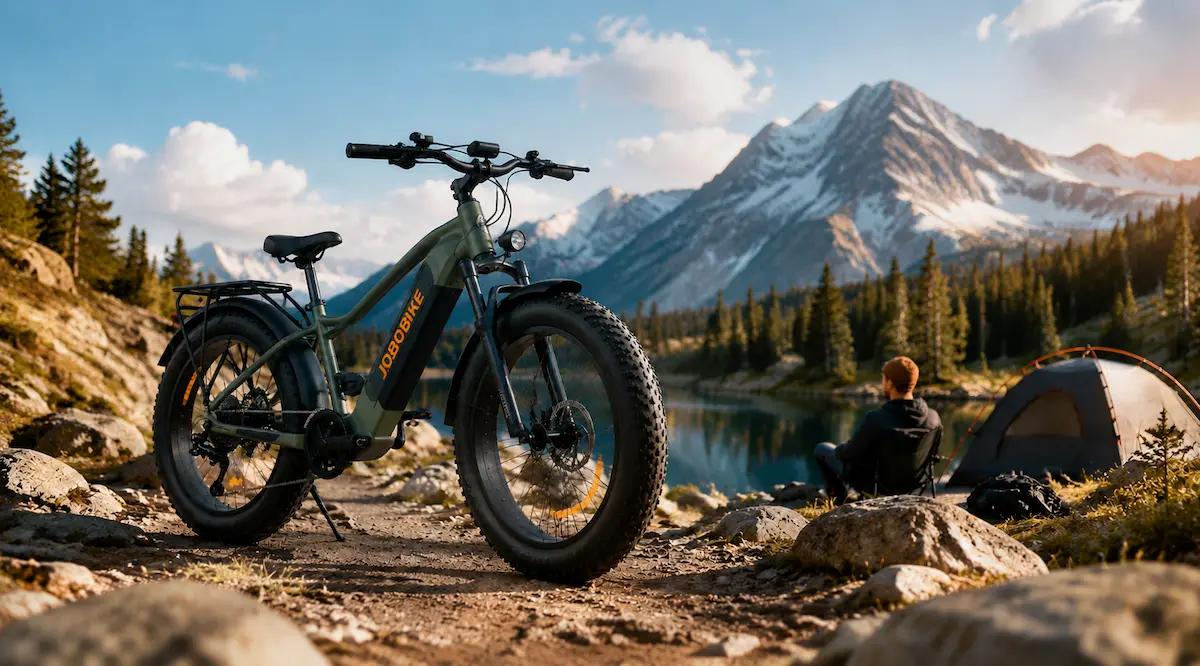
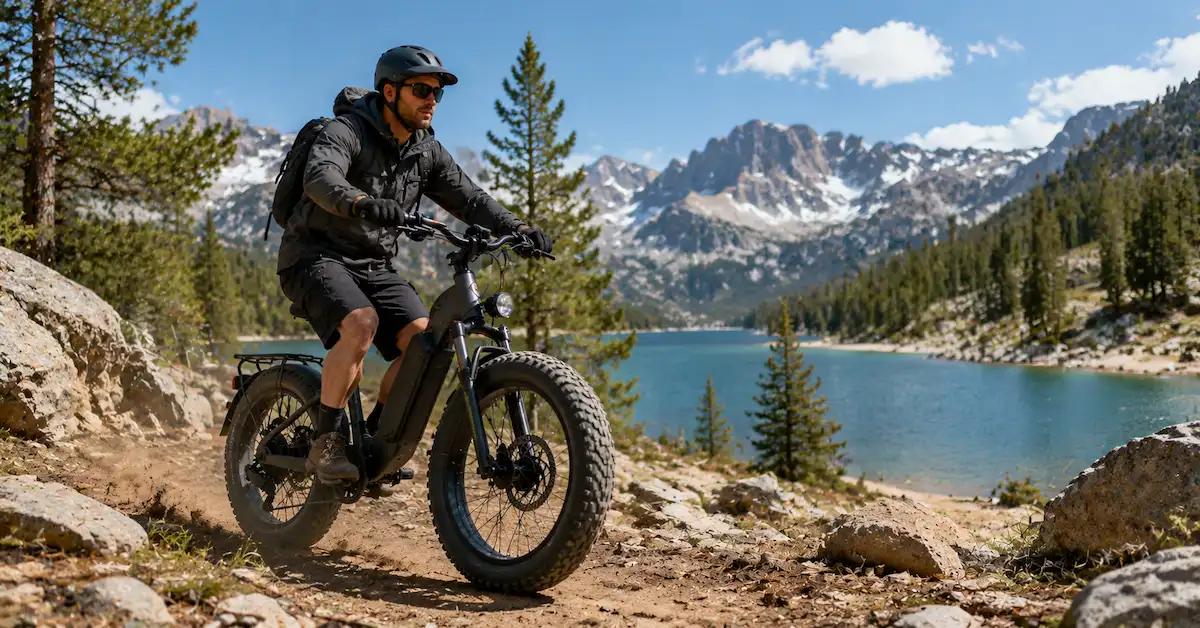
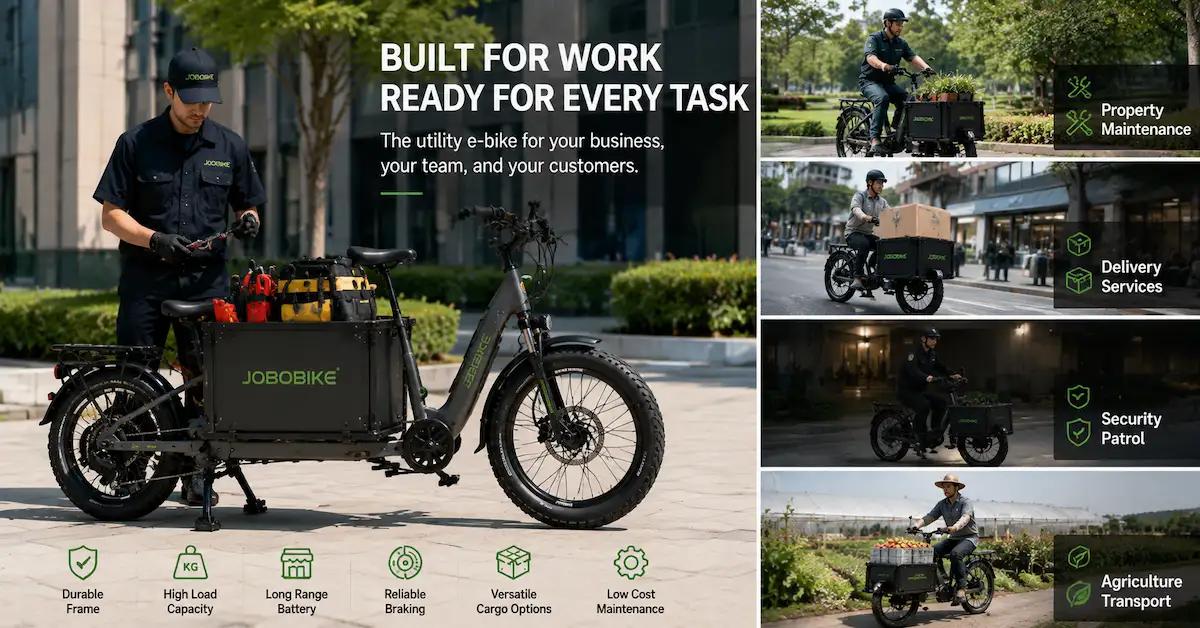
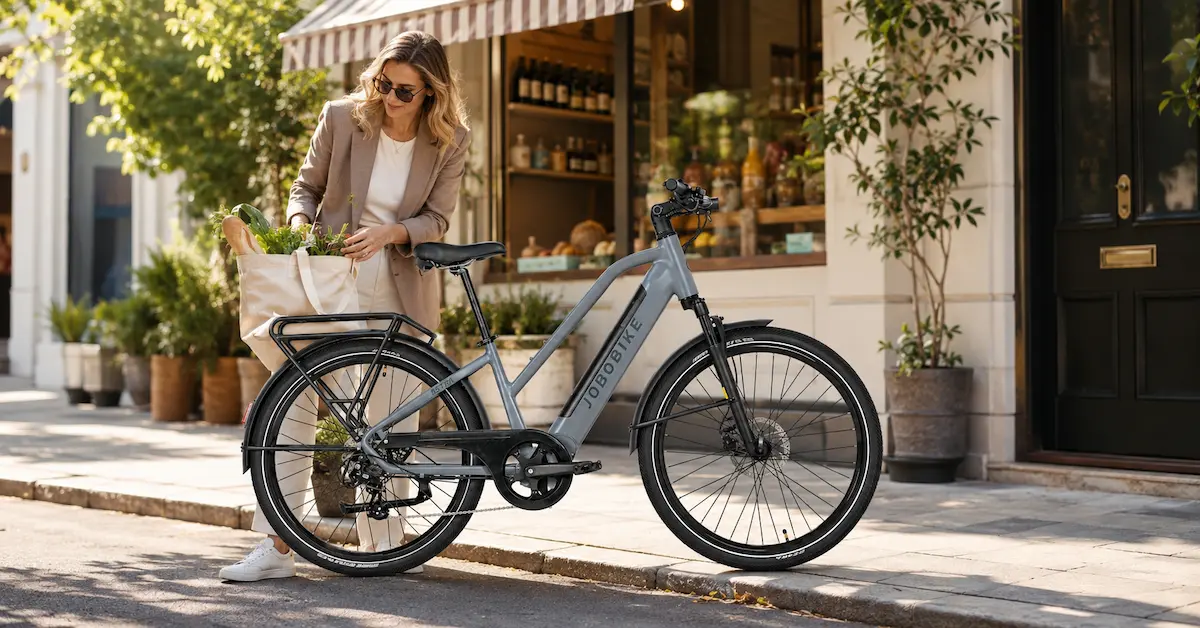
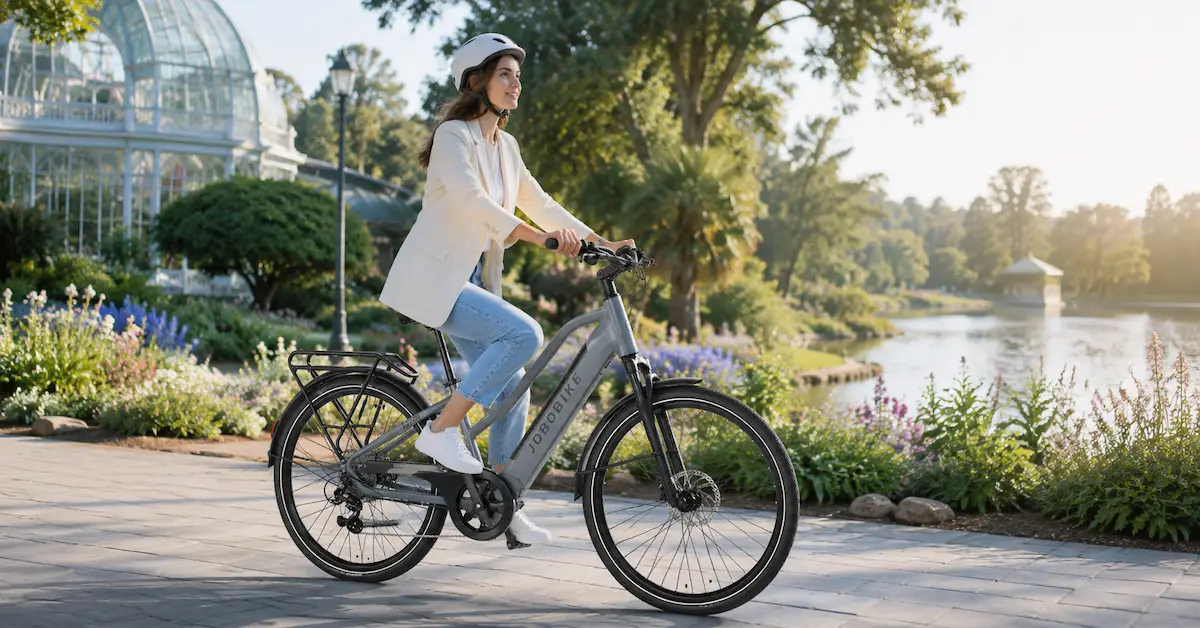
Joboev provides electric mobility solutions for global B2B buyers, including city electric bikes, folding electric bikes, cargo electric bikes, electric mountain bikes, off-road electric bikes, shared electric bikes, electric tricycles, electric motorcycles, kid electric bikes, and e-bike frames.
Explore Joboev products:
https://www.joboev.com/products
Quick Answer: What Does an Electric Bike Production Factory Do?
An electric bike production factory is responsible for manufacturing complete electric bicycles through a series of controlled production processes.
Main factory functions include:
- Product development
- Component sourcing
- Frame manufacturing
- Painting and finishing
- Electrical system installation
- Bike assembly
- Quality testing
- Packaging
- Export preparation
For B2B buyers, choosing a factory with complete production capability helps ensure stable quality and reliable delivery.
1. Why Electric Bike Production Capability Matters
The electric bicycle market is growing globally, increasing demand for professional manufacturing partners. However, not every supplier has the same production ability.
A professional production factory provides several advantages:
Better Product Consistency
For distributors and brand owners, consistency is critical. Every batch should maintain the same:
- Design
- Performance
- Component quality
- Appearance standards
Faster Problem Solving
When production is controlled internally, technical issues can be identified and solved faster.
Better Customization Support
A factory with production experience can support:
- Custom frame colors
- Logo placement
- Battery configuration
- Accessories
- Packaging requirements
Stable Supply Capacity
A professional factory can support:
- Trial orders
- Bulk orders
- Repeat production
- Product upgrades
2. Electric Bike Production Factory vs Trading Supplier
Before choosing a partner, buyers should understand the difference between a factory and a trading supplier.
| Comparison | Production Factory | Trading Supplier |
|---|---|---|
| Manufacturing Control | Direct production management | Depends on suppliers |
| Customization | More flexible | Usually limited |
| Technical Support | Direct engineering communication | Indirect support |
| Quality Control | Factory-controlled | Depends on partners |
| Product Development | Stronger capability | Limited |
For companies planning long-term e-bike business development, working with a production factory usually provides better control.
3. Main Production Stages in an Electric Bike Factory
A professional electric bike production factory follows a structured manufacturing process.
Step 1: Product Planning and Engineering
Before production begins, engineers confirm:
- Product design
- Frame structure
- Component selection
- Technical specifications
- Market requirements
This stage ensures the product matches the buyer’s target customers.
Step 2: Frame Manufacturing
The frame is one of the most important parts of an electric bicycle.
Production includes:
- Tube cutting
- Frame welding
- Surface grinding
- Structural inspection
- Paint preparation
Frame quality affects:
- Riding comfort
- Durability
- Safety
- Product lifespan
Step 3: Frame Painting and Surface Treatment
A professional factory uses controlled painting processes to improve appearance and durability.
Common steps include:
- Surface cleaning
- Primer application
- Color coating
- Protective finishing
- Appearance inspection
For OEM projects, factories also manage:
- Custom colors
- Brand logos
- Special finishes
Step 4: Electrical System Installation
Electric bikes require precise electrical integration.
Main components include:
- Battery
- Motor
- Controller
- Display
- Wiring system
- Charger
The factory must ensure:
- Correct connections
- Stable performance
- Safe installation
- Reliable operation
Step 5: Complete Bike Assembly
During assembly, technicians install:
- Wheels
- Brakes
- Drivetrain
- Handlebar
- Saddle
- Lighting system
- Accessories
Assembly accuracy directly affects the riding experience.
Step 6: Testing and Quality Inspection
Before shipment, finished products should pass multiple inspections.
Testing may include:
Electrical Testing
- Battery function
- Motor operation
- Controller response
- Display performance
Mechanical Testing
- Brake performance
- Wheel alignment
- Gear operation
- Frame inspection
Riding Testing
- Riding stability
- Noise inspection
- Overall performance
4. OEM Electric Bike Production Services
A professional electric bike production factory should support OEM projects.
Common OEM services include:
Branding Customization
- Frame logo
- Battery branding
- Product labels
- Packaging design
- User manuals
Product Configuration
- Motor power
- Battery capacity
- Tire selection
- Brake system
- Accessories
Market-Specific Solutions
Factories can help develop products for:
- Urban commuting
- Delivery services
- Outdoor riding
- Rental fleets
- Commercial transportation
OEM production allows businesses to create products that match their customers instead of selling generic models.
5. Key Components Managed by an Electric Bike Factory
A professional factory should have experience managing major components.
| Component | Manufacturing Importance |
|---|---|
| Frame | Determines strength and durability |
| Battery | Determines range and safety |
| Motor | Determines riding performance |
| Controller | Controls electrical system |
| Brake System | Ensures rider safety |
| Tires | Influences riding conditions |
| Display | Improves user experience |
Component selection directly affects:
- Product price
- Performance
- Customer satisfaction
- Market positioning
6. Quality Control in Electric Bike Production
Quality control is one of the biggest differences between professional factories and basic suppliers.
A reliable factory should inspect:
Incoming Components
Check:
- Battery quality
- Motor condition
- Frame materials
- Electrical parts
Production Process
Monitor:
- Welding quality
- Assembly accuracy
- Wiring management
- Painting consistency
Finished Products
Test:
- Electrical functions
- Riding performance
- Safety features
- Packaging quality
Strong QC reduces:
- Returns
- Warranty costs
- Customer complaints
7. Production Capacity and Bulk Order Support
For distributors and importers, production capacity is an important evaluation factor.
Buyers should ask:
- Monthly production capacity
- Available production lines
- Number of workers
- Quality inspection capability
- Repeat order ability
A capable factory should support:
- Small trial orders
- Medium wholesale orders
- Large-scale production
8. Lead Time of Electric Bike Production
Production time depends on:
- Product complexity
- Customization requirements
- Order quantity
- Component availability
Typical timeline:
| Stage | Estimated Time |
|---|---|
| Product discussion | 1-3 days |
| Specification confirmation | 3-7 days |
| Sample production | 7-20 days |
| Testing and approval | 3-10 days |
| Bulk production | 25-45 days |
| Packaging and shipment | 3-7 days |
Early planning helps buyers avoid seasonal supply pressure.
9. Packaging and Export Preparation
A professional electric bike production factory should understand international shipping requirements.
Packaging includes:
- Strong cartons
- Protective foam
- Battery protection
- Accessory packaging
- Product manuals
- Labels
Good packaging reduces:
- Transportation damage
- Customer complaints
- Replacement costs
10. Common Mistakes When Choosing an Electric Bike Production Factory
Choosing Only Based on Price
Low prices may mean:
- Lower-quality components
- Weak QC systems
- Limited support
Ignoring Factory Capability
A supplier should be evaluated by:
- Production process
- Equipment
- Engineering ability
- QC system
Skipping Sample Approval
Samples confirm:
- Design
- Performance
- Quality
Not Planning Spare Parts
Long-term customers need replacement support.
Over-Customizing Too Early
New brands should balance customization with production efficiency.
11. How to Evaluate an Electric Bike Production Factory
Before cooperation, buyers should check:
| Evaluation Point | Questions |
|---|---|
| Production Capability | Does the factory control manufacturing? |
| OEM Experience | Can they support customization? |
| Quality System | Are inspection procedures available? |
| Product Range | Can they support future expansion? |
| Delivery Ability | Can they meet deadlines? |
| Support Service | Are spare parts available? |
12. Why Choose Joboev as Your Electric Bike Production Factory?
Joboev supports global buyers with professional electric mobility manufacturing solutions.
Product categories include:
- City Electric Bike
- Folding Electric Bike
- Cargo Electric Bike
- Electric Mountain Bike
- Off-Road Electric Bike
- Shared Electric Bike
- Electric Tricycle
- Electric Motorcycle
- Kid Electric Bike
- E-Bike Frame
Joboev supports:
- OEM production
- Private label projects
- Bulk orders
- Product customization
- Market-specific solutions
For brands, distributors, and importers, Joboev provides flexible manufacturing support from product selection to production delivery.
Learn more:
https://www.joboev.com/about-us
Contact Joboev:
https://www.joboev.com/contact-us
FAQ
1. What is an electric bike production factory?
An electric bike production factory manufactures complete e-bikes through processes including frame production, component assembly, electrical installation, testing, and packaging.
2. What is the difference between an electric bike factory and supplier?
A factory directly controls production, while a supplier may source products from different manufacturers.
3. Can an electric bike production factory provide OEM services?
Yes. Many factories support logo customization, product configuration, packaging, and private label production.
4. What does an electric bike factory produce?
Factories produce different types of e-bikes, including city bikes, folding bikes, cargo bikes, mountain bikes, and custom models.
5. How long does electric bike production take?
Production time depends on order quantity, customization level, and product complexity.
6. What quality checks are performed during production?
Factories usually inspect frames, electrical systems, assembly quality, braking systems, and riding performance.
7. Can factories support bulk orders?
Yes. Professional factories can support wholesale, distributor, and brand orders.
8. Why is factory experience important?
Experienced factories understand production challenges, quality control, and international buyer requirements.
9. Can electric bike factories customize products?
Yes. Customization may include colors, logos, batteries, motors, accessories, and packaging.
10. How can I cooperate with Joboev?
Buyers can provide their target market, product requirements, order quantity, and customization needs through Joboev contact channels.
Conclusion
Choosing the right electric bike production factory helps businesses create reliable products, improve market competitiveness, and build long-term supply relationships.
A professional factory should provide complete manufacturing capability, strict quality control, OEM customization, stable production capacity, and responsive support.
For global brands, distributors, and importers, the right production partner is not only a manufacturer but also a foundation for business growth.
Explore Joboev electric bike solutions:
https://www.joboev.com/products
Start your project:
https://www.joboev.com/contact-us