Choosing the right electric bike supplier is one of the most important decisions for businesses entering the electric mobility market. For importers, distributors, retailers, online sellers, and private label brands, the supplier you choose directly affects product quality, customer satisfaction, profit margins, and long-term business growth.
Many suppliers can provide electric bicycles, but not every supplier can support stable production, consistent quality, customized branding, and repeat orders. A reliable supplier should understand not only how to produce e-bikes but also how to support global buyers with product selection, technical guidance, packaging, logistics, and after-sales requirements.
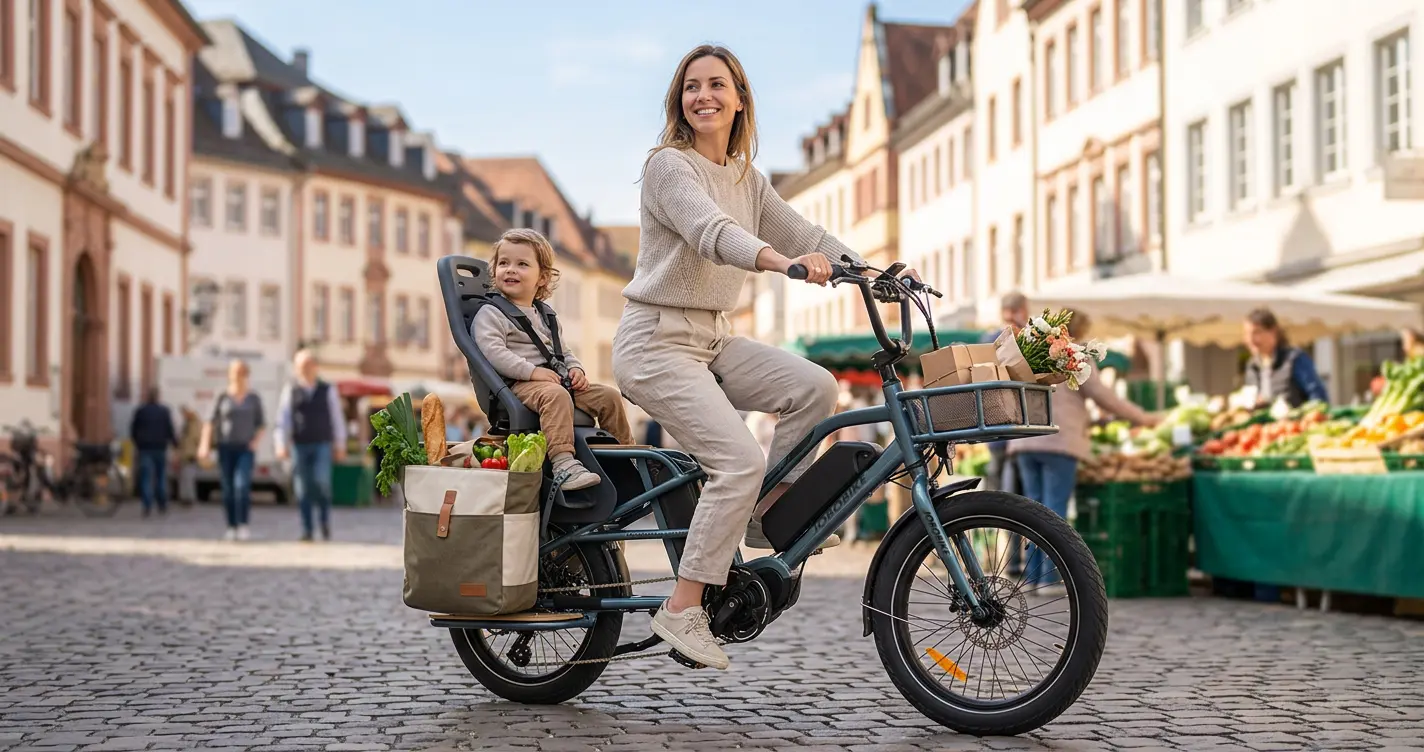
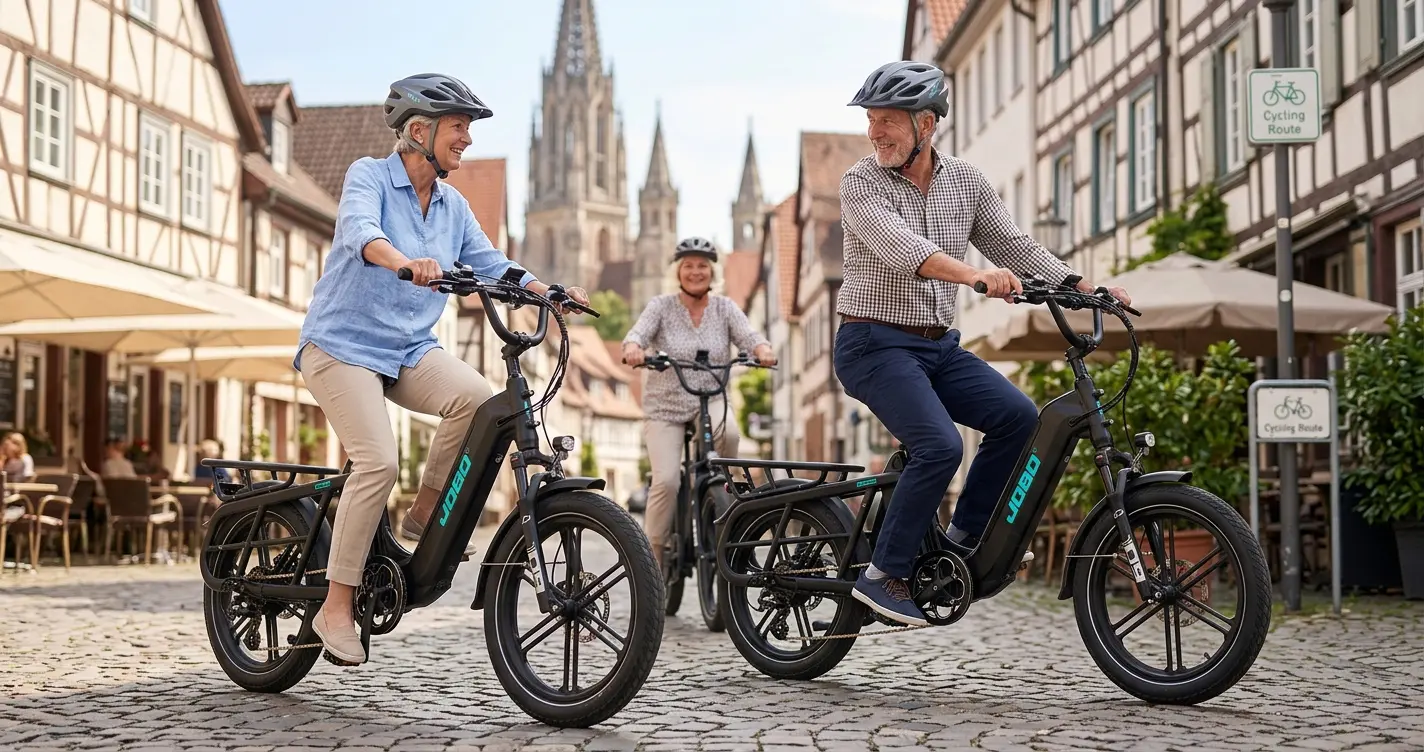
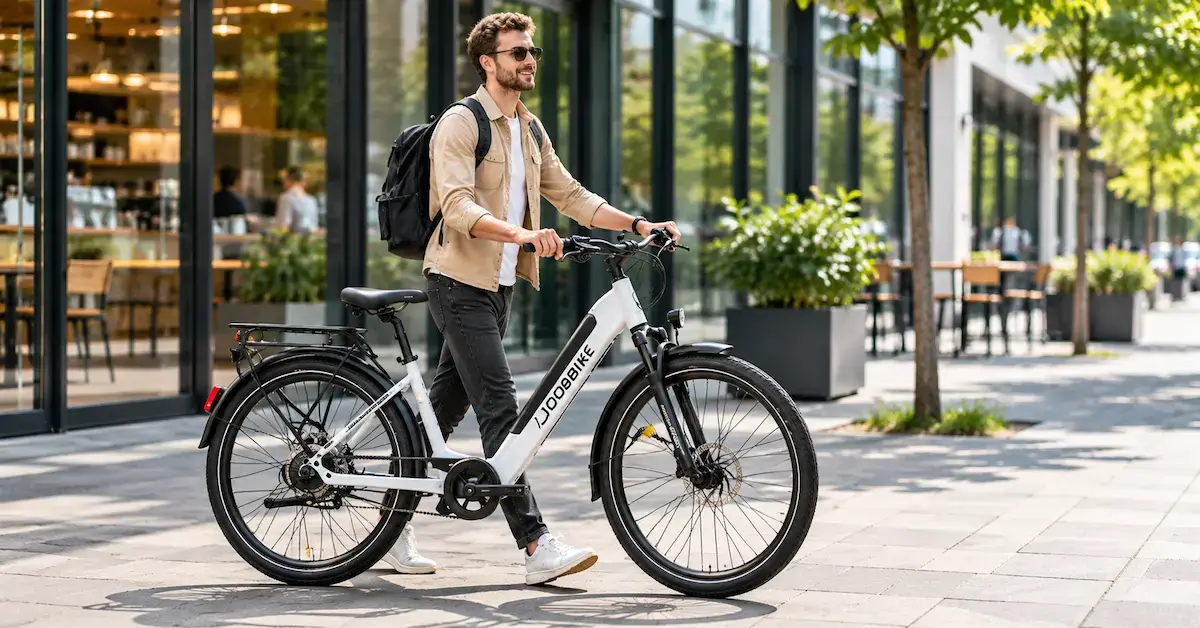
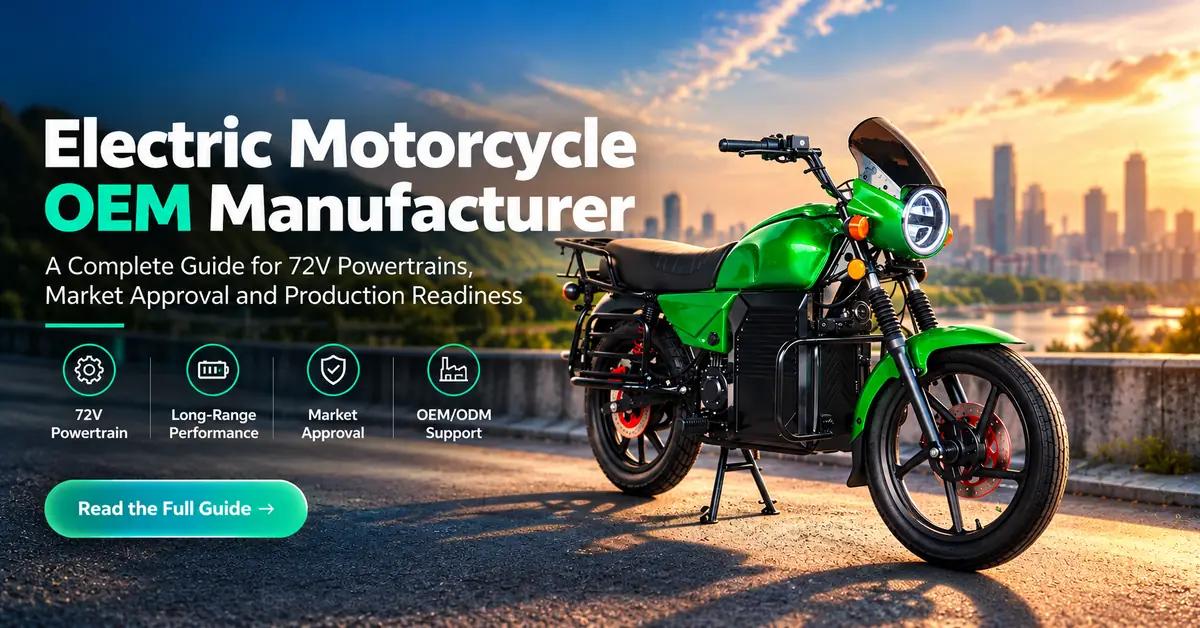
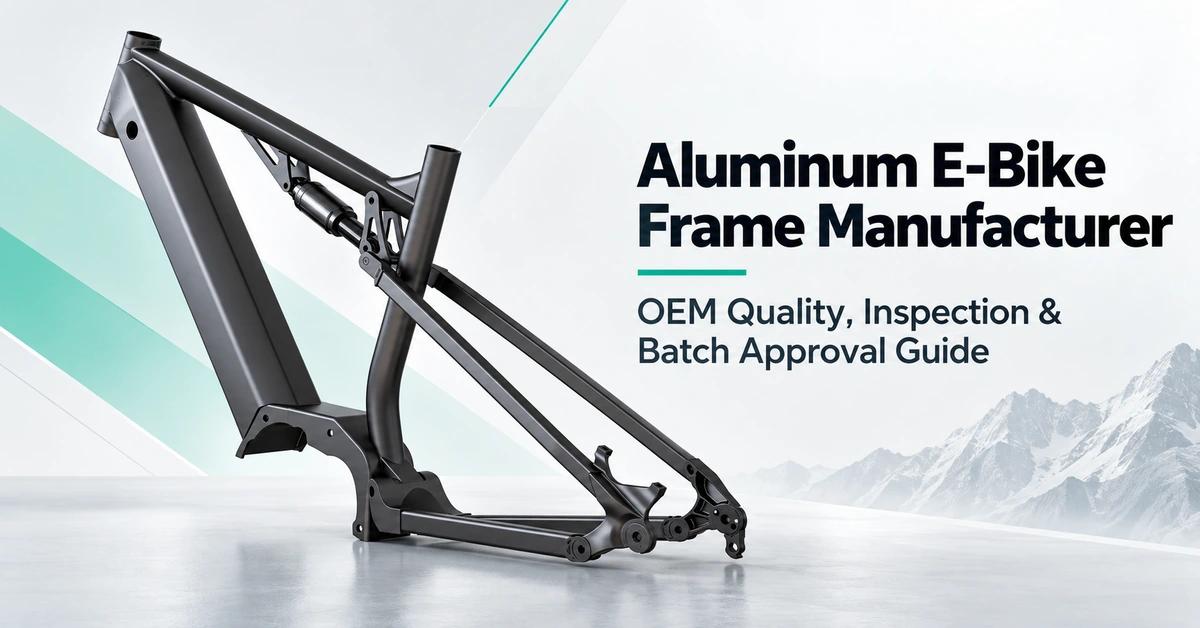
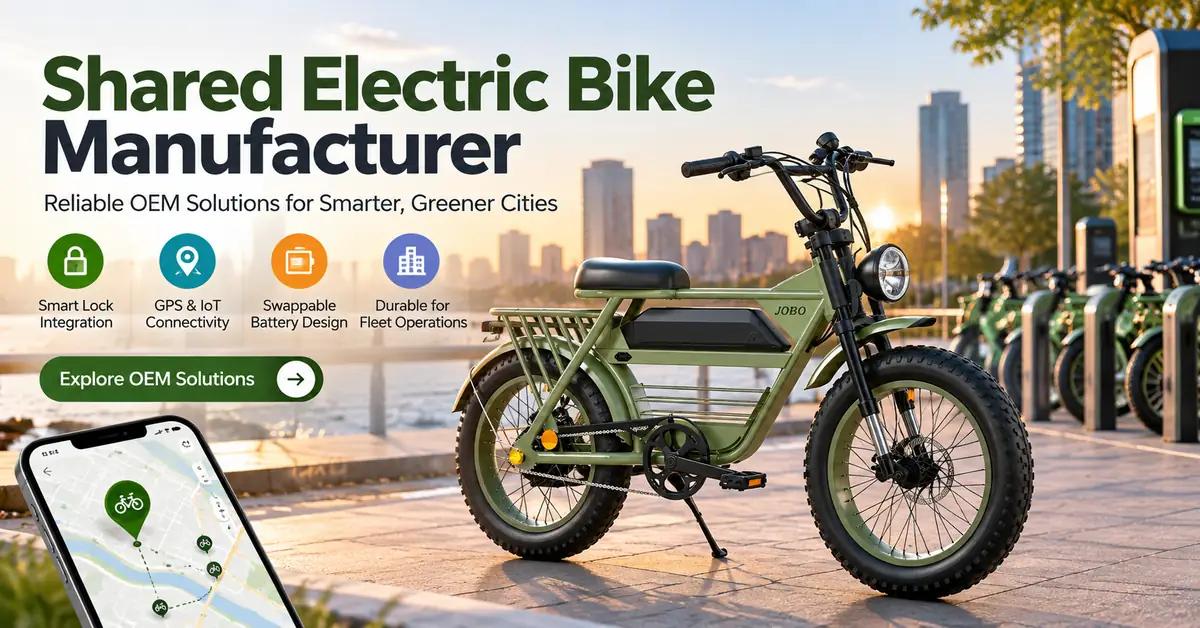
Joboev provides electric mobility solutions for global B2B customers, including city electric bikes, folding electric bikes, cargo electric bikes, electric mountain bikes, off-road electric bikes, shared electric bikes, electric tricycles, electric motorcycles, kid electric bikes, and e-bike frames.
Explore Joboev product categories:
https://www.joboev.com/products
This guide explains how global buyers can evaluate an electric bike supplier before placing wholesale, OEM, or private label orders.
Quick Answer: What Makes a Reliable Electric Bike Supplier?
A reliable electric bike supplier should provide:
- Stable product quality
- Complete product categories
- OEM and private label support
- Clear technical specifications
- Factory-level quality control
- Competitive wholesale pricing
- Reliable production lead time
- Export packaging
- Spare parts support
- Professional communication
For B2B buyers, the best supplier is not always the one offering the lowest price. A good supplier should help you reduce sourcing risks and build a sustainable product business.
1. Why Choosing the Right Electric Bike Supplier Matters
The electric bicycle market is becoming increasingly competitive. Buyers today have many choices, but product quality and supplier reliability create the biggest differences.
A professional electric bike supplier helps customers solve common business challenges:
Stable Product Quality
Distributors and retailers need products that perform consistently. A supplier should maintain the same standards between samples and bulk production.
Reliable Supply Chain
Electric bikes include multiple components:
- Battery
- Motor
- Controller
- Frame
- Brake system
- Display
- Charger
- Tires
A supplier with stable component sourcing can reduce production delays and quality issues.
Customization Capability
Brand owners often need:
- Logo customization
- Frame colors
- Packaging design
- Product labels
- User manuals
- Custom configurations
A flexible supplier can support different market requirements.
After-Sales Support
For distributors and retailers, spare parts availability is critical. A supplier should provide support for:
- Batteries
- Chargers
- Controllers
- Displays
- Brake parts
- Tires
- Accessories
2. Who Should Work With an Electric Bike Supplier?
An electric bike supplier is suitable for different B2B buyers.
Importers
Importers usually focus on:
- Competitive pricing
- Export experience
- Shipment management
- Product documentation
- Stable production
Distributors
Distributors need:
- Multiple e-bike models
- Reliable inventory supply
- Dealer support
- Spare parts availability
Brand Owners
Brand owners need:
- Private label production
- Custom branding
- Unique product positioning
- Long-term cooperation
Online Retailers
E-commerce sellers need:
- Attractive designs
- Strong packaging
- Reliable quality
- Lower return rates
Commercial Mobility Companies
Businesses operating delivery fleets, rentals, or transportation projects need:
- Durable products
- Long service life
- Easy maintenance
- Stable supply
3. Product Categories a Professional Electric Bike Supplier Should Offer
A strong supplier should provide multiple product categories to support different customer markets.
| Product Category | Features | Application |
|---|---|---|
| City Electric Bike | Comfortable and practical design | Urban commuting |
| Folding Electric Bike | Compact and portable | City travel |
| Cargo Electric Bike | Strong load capacity | Delivery and logistics |
| Electric Mountain Bike | Performance-focused design | Outdoor riding |
| Off-Road Electric Bike | Rugged structure | Trails and adventure |
| Shared Electric Bike | Durable and easy maintenance | Rental projects |
| Electric Tricycle | Stable transportation | Commercial use |
| E-Bike Frame | Custom development | OEM projects |
For new distributors, starting with several high-demand categories is usually better than launching too many models.
4. Electric Bike Supplier vs Manufacturer: What Buyers Should Know
Many buyers compare suppliers based only on price, but the business model behind the supplier matters.
| Factor | Professional Supplier | Basic Supplier |
|---|---|---|
| Product Knowledge | Provides recommendations | Only provides quotations |
| Customization | Supports OEM/ODM | Limited options |
| Quality Control | Has inspection process | Depends on external suppliers |
| Communication | Understands buyer needs | Focuses mainly on price |
| Long-Term Support | Supports repeat orders | Mainly one-time sales |
A good electric bike supplier should act as a business partner rather than only a product seller.
5. OEM and Private Label Support
Many global buyers want to build their own electric bike brands. Therefore, OEM capability is an important factor.
Common customization options include:
Branding
- Frame logo
- Battery logo
- Product name
- Packaging
- Manual
- Warranty card
Product Configuration
- Motor power
- Battery capacity
- Tire type
- Brake system
- Display
- Accessories
Appearance
- Frame color
- Saddle style
- Handlebar design
- Rear rack
- Basket
Private label support helps buyers create stronger brand recognition and avoid direct price competition.
6. Technical Specifications Buyers Should Evaluate
Before ordering, buyers should compare technical specifications carefully.
| Component | Importance |
|---|---|
| Motor | Determines power and riding experience |
| Battery | Determines range and safety |
| Frame | Determines durability |
| Controller | Controls electrical performance |
| Brake System | Influences rider safety |
| Tires | Influences terrain performance |
| Display | Improves user experience |
A reliable electric bike supplier should explain how different configurations affect:
- Performance
- Cost
- Target customers
- Maintenance requirements
7. Quality Control Process of a Reliable Supplier
Quality control is one of the most important supplier evaluation factors.
A professional supplier should check:
Frame Inspection
- Welding quality
- Paint finish
- Structural strength
Electrical Testing
- Battery charging
- Motor operation
- Controller function
- Wiring connection
Assembly Inspection
- Brake adjustment
- Wheel alignment
- Gear system
- Lighting system
Final Testing
- Riding test
- Safety inspection
- Packaging inspection
For distributors and brand owners, quality problems can directly damage market reputation.
8. Packaging and Shipping Support
Electric bicycles require strong export packaging because they are large products with sensitive electrical components.
Professional packaging usually includes:
- Strong cartons
- Protective foam
- Battery protection
- Wheel protection
- Accessory packaging
- User manuals
- Product labels
Good packaging helps reduce:
- Shipping damage
- Customer complaints
- Return costs
9. Lead Time and Bulk Order Planning
A reliable supplier should provide clear production schedules.
Typical process:
| Stage | Time |
|---|---|
| Product discussion | 1-3 days |
| Specification confirmation | 3-7 days |
| Sample production | 7-20 days |
| Sample approval | 3-10 days |
| Bulk production | 25-45 days |
Actual lead time depends on:
- Order quantity
- Customization level
- Component availability
- Production schedule
10. Common Mistakes When Choosing an Electric Bike Supplier
Choosing Only Based on Price
Low prices may mean:
- Lower battery quality
- Poor components
- Limited support
Ignoring Product Testing
Samples help verify:
- Appearance
- Performance
- Comfort
- Quality
Not Checking Spare Parts
Without spare parts, distributors may struggle with after-sales service.
Ordering Too Many Models
A focused product strategy reduces inventory risk.
Ignoring Market Requirements
Different markets require different:
- Regulations
- Riding habits
- Price ranges
- Product preferences
11. How to Evaluate an Electric Bike Supplier Before Cooperation
Before placing an order, buyers should check:
| Evaluation Item | Questions |
|---|---|
| Product Range | Does the supplier offer suitable models? |
| OEM Ability | Can products be customized? |
| Quality Control | Are inspection procedures available? |
| Production Capacity | Can future orders be supported? |
| Lead Time | Is delivery predictable? |
| Spare Parts | Are replacement parts available? |
| Communication | Are responses professional? |
12. Why Choose Joboev as Your Electric Bike Supplier?
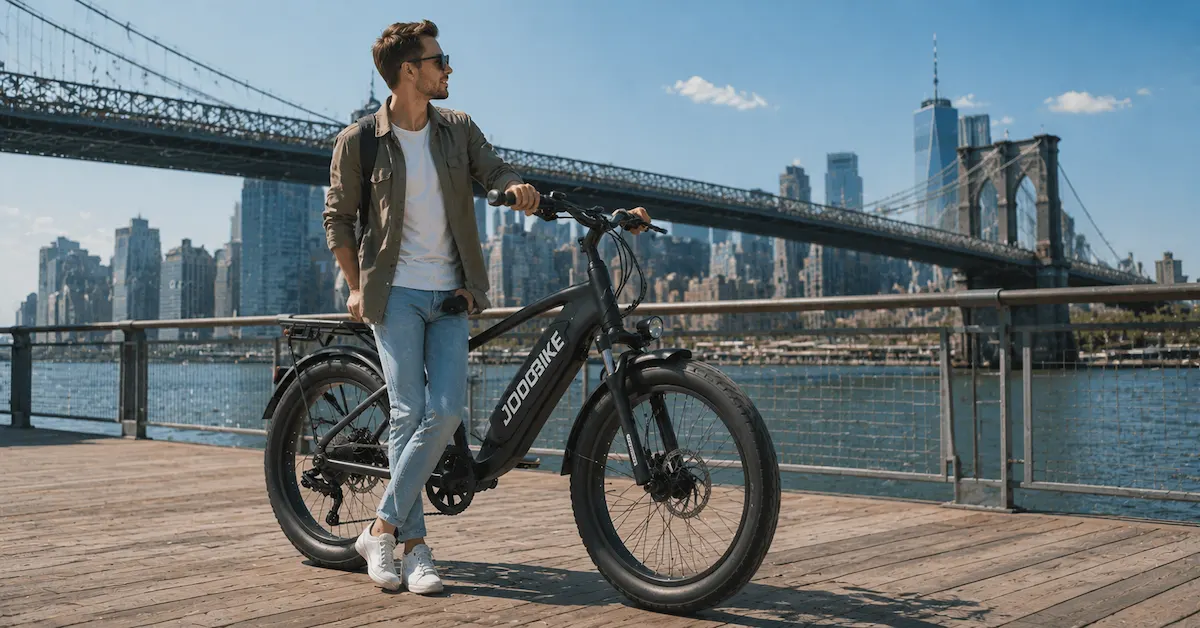
Joboev provides electric mobility products for global B2B buyers, including:
- City Electric Bike
- Folding Electric Bike
- Cargo Electric Bike
- Electric Mountain Bike
- Off-Road Electric Bike
- Shared Electric Bike
- Electric Tricycle
- Electric Motorcycle
- Kid Electric Bike
- E-Bike Frame
Joboev supports:
- OEM projects
- Private label production
- Bulk orders
- Product selection
- Market-specific solutions
For importers, distributors, and brand owners, Joboev helps build reliable electric bike product lines with professional manufacturing support.
Learn more:
https://www.joboev.com/about-us
Request a quotation:
https://www.joboev.com/contact-us
FAQ
1. What is an electric bike supplier?
An electric bike supplier provides e-bike products for wholesalers, distributors, retailers, brands, and commercial buyers. A professional supplier can also provide customization and production support.
2. How do I choose a reliable electric bike supplier?
Check product range, OEM capability, quality control, production capacity, pricing, lead time, packaging, and after-sales support.
3. Can an electric bike supplier customize products?
Yes. Many suppliers support logo, color, packaging, battery, motor, accessories, and other customization requirements.
4. What is the difference between an electric bike supplier and manufacturer?
A manufacturer produces products directly, while a supplier may provide sourcing services. Buyers should confirm whether the supplier controls production quality.
5. What electric bikes are suitable for distributors?
City e-bikes, folding e-bikes, cargo e-bikes, and mountain e-bikes are common choices for distributors.
6. Can suppliers support private label electric bikes?
Yes. Private label projects usually include branding, packaging, manuals, labels, and product customization.
7. What MOQ do electric bike suppliers require?
MOQ depends on product type, customization level, and supplier policy. Standard models usually have lower requirements than customized products.
8. How long does bulk electric bike production take?
Production usually requires several weeks depending on order quantity, customization, and component availability.
9. Why are spare parts important for buyers?
Spare parts help distributors and retailers handle repairs, warranty service, and long-term customer support.
10. How can I start cooperation with Joboev?
Send your target market, preferred models, order quantity, customization requirements, and project details through Joboev’s contact page.
https://www.joboev.com/contact-us
Conclusion
Choosing the right electric bike supplier is essential for building a successful e-bike business. A reliable supplier should provide quality products, customization support, stable production, strong communication, and long-term cooperation.
For importers, distributors, and brand owners, the goal is not only purchasing electric bicycles. The goal is building a dependable supply chain that supports continuous growth.
Joboev provides OEM, wholesale, and private label electric bike solutions for global buyers.
Explore products:
https://www.joboev.com/products
Start your project:
https://www.joboev.com/contact-us