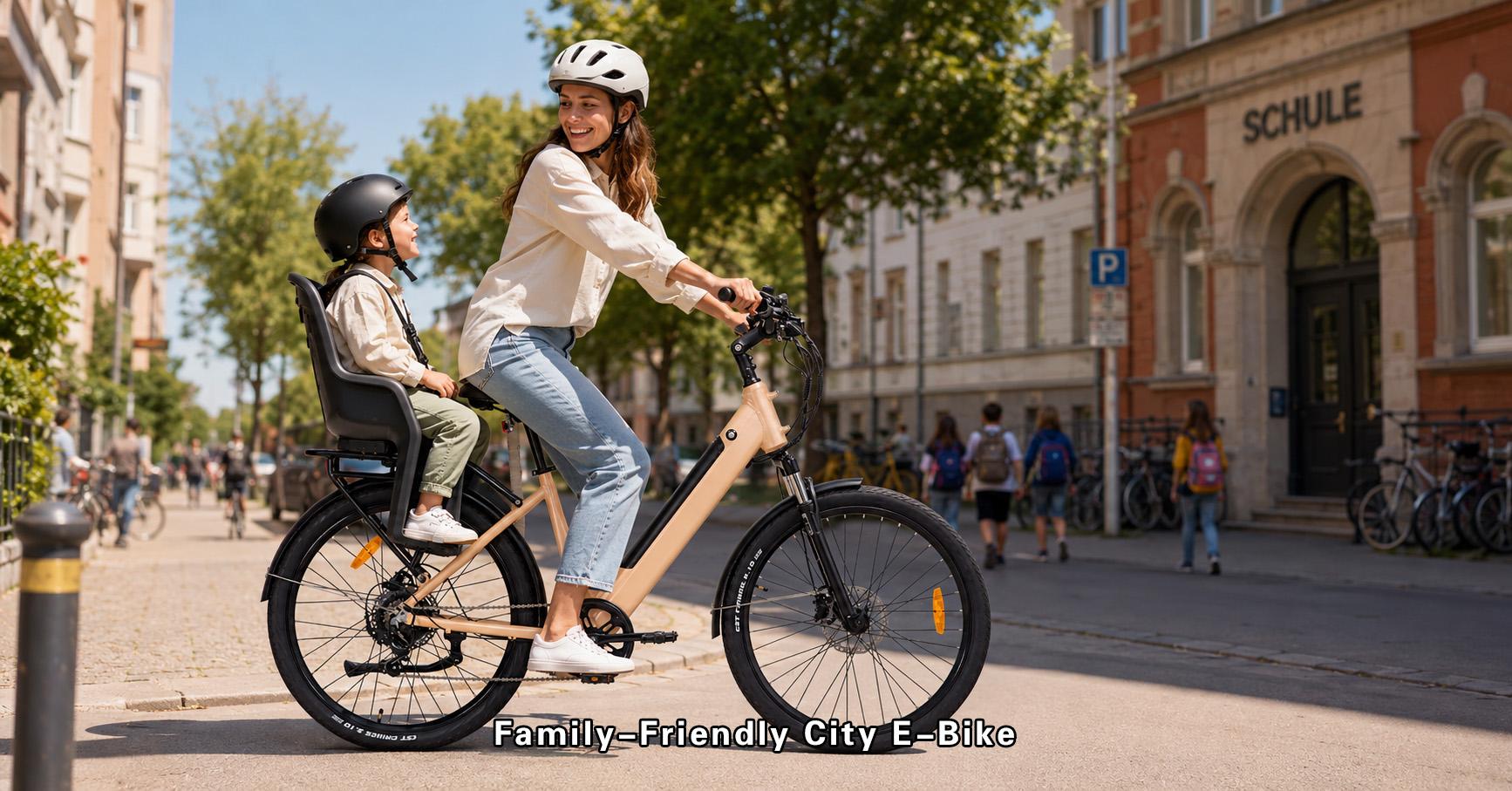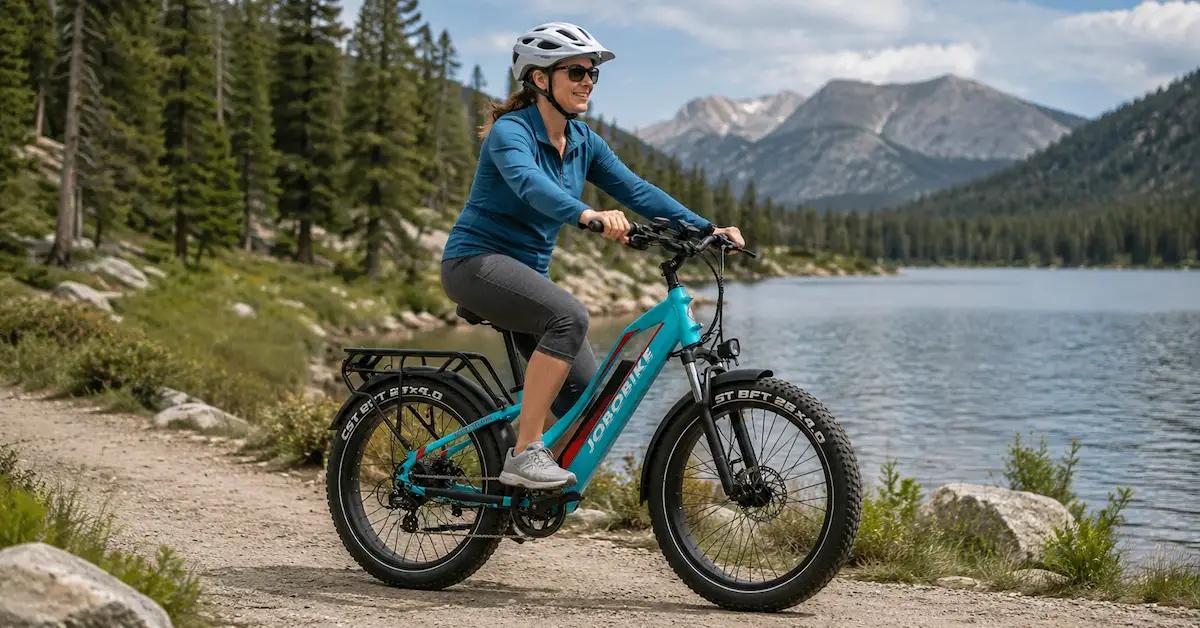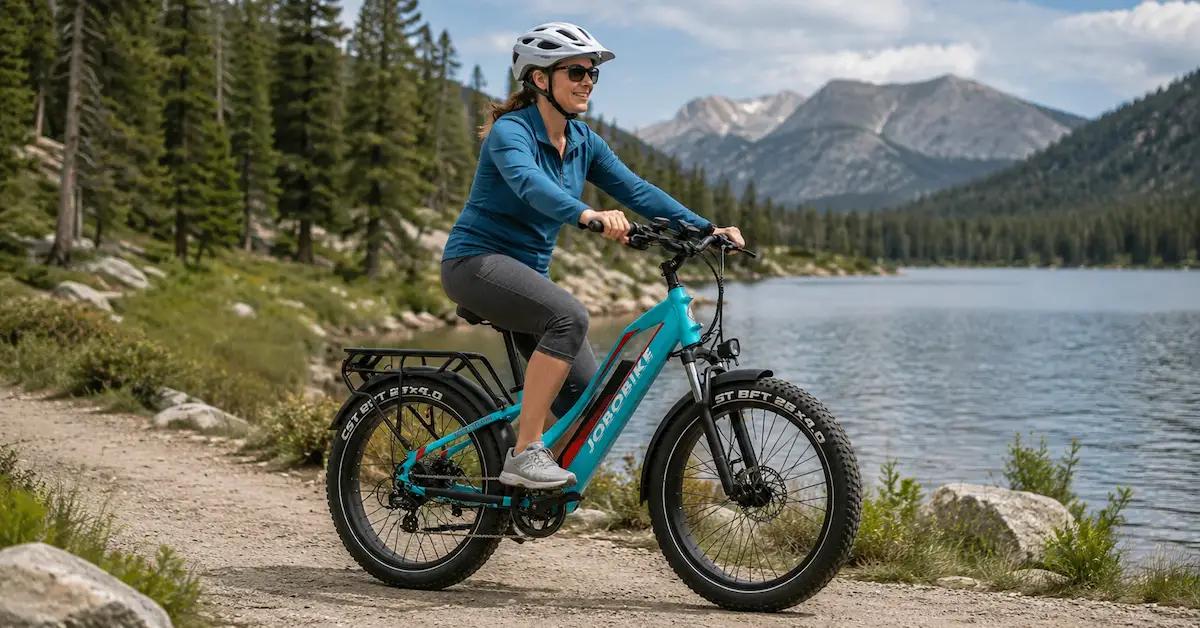
What Should Buyers Expect From an Off Road Fat Tire E-Bike Factory?
A capable off road fat tire e-bike factory should do more than assemble a wide-tire bicycle around a high-output motor. For an OEM buyer, the real question is whether the supplier can translate a defined riding environment into a controlled product specification, verify the frame and electrical system, reproduce an approved sample in production, and support the model with documentation and replacement parts after launch.
That means sourcing should begin with the intended use rather than a catalog photograph. Before requesting a quotation, define the expected terrain, rider profile, total load, climbing conditions, operating temperature, daily distance and target market. JOBO's off-road electric bike range can provide starting platforms for different rugged-use projects, while the final OEM configuration should be confirmed against the buyer's actual application rather than assumed from the words “fat tire” or “off road.”
Who Is This Type of OEM Project Suitable For?
An off-road fat-tire platform can be relevant to electric bike brands developing a recreational range, importers expanding into outdoor products, specialist bicycle dealers, resort or rental operators, and private-label companies looking for a visually differentiated product. Some commercial projects may also consider wider-tire bicycles for estate roads, outdoor leisure areas or mixed-surface routes where traction, comfort and stability need to be assessed.
However, the same product should not automatically be described as suitable for downhill racing, extreme jumps, deep snow, loose sand, mud, public-road operation or motorcycle-style use. Each of those conditions creates a different engineering or regulatory requirement. A responsible supplier should define what the proposed bicycle is designed to do—and just as importantly, what it has not been validated to do.
For buyers comparing broader outdoor platforms, JOBO's electric mountain bike category can also help separate conventional e-MTB requirements from wider-tire off-road configurations.
Turn the Riding Environment Into an OEM Specification
Many sourcing problems begin because the RFQ contains only a few headline requirements such as “750W motor, fat tires, long range.” That is not enough information to approve a production bicycle.
A useful RFQ converts the riding environment into measurable product decisions.
| Specification Area | What the OEM Buyer Should Define | What the Factory Should Confirm |
|---|---|---|
| Intended terrain | Gravel, forest tracks, rocky paths, estate roads or mixed surfaces | Intended-use limits and recommended platform |
| Rider profile | Rider size, expected equipment and experience | Frame size, geometry and fit options |
| Total loading | Rider,luggage and accessories | Permitted total and carrier loads |
| Motor system | Assistance objective, climbing demand and market requirement | Exact motor and controller configuration |
| Battery system | Required energy, charging method and removable/fixed preference | Voltage, capacity, pack model and charger |
| Tires and wheels | Wheel diameter, tire width and expected surface | Exact tire, rim and replacement specification |
| Suspension | Required comfort and terrain severity | Fork, rear shock where applicable and service needs |
| Brakes | Expected speed,load and route profile | Exact calipers, rotors and pad specification |
| Frame | Material, geometry and mounting interfaces | Drawing revision and production method |
| Service | Dealer or fleet maintenance capability | Spare parts, diagrams and replacement procedures |
This table should be used as an OEM discussion framework rather than interpreted as a list of standard JOBO specifications. The actual configuration has to be confirmed for the selected model.
Do Not Choose an Off-Road E-Bike by Motor Power Alone
Motor wattage is easy to compare, which is precisely why buyers often give it too much weight. Two bicycles with similar advertised power can behave very differently because of motor position, controller tuning, gearing, wheel diameter, total weight and rider input.
An off road fat tire e-bike factory should therefore provide the exact drive-system specification rather than a generic power number. Buyers should ask which motor is installed, whether the configuration uses a hub or mid-drive system, what controller is paired with it, and how the assistance behaves at low speed and on climbs.
The correct evaluation is practical: can the approved configuration start smoothly under the expected load, maintain controllable assistance on the planned climb, and remain predictable when the rider changes cadence or assistance level?
Higher advertised power is not automatically the better OEM choice. It may affect vehicle classification, cost, battery consumption and target-market positioning. The correct configuration depends on the intended product.
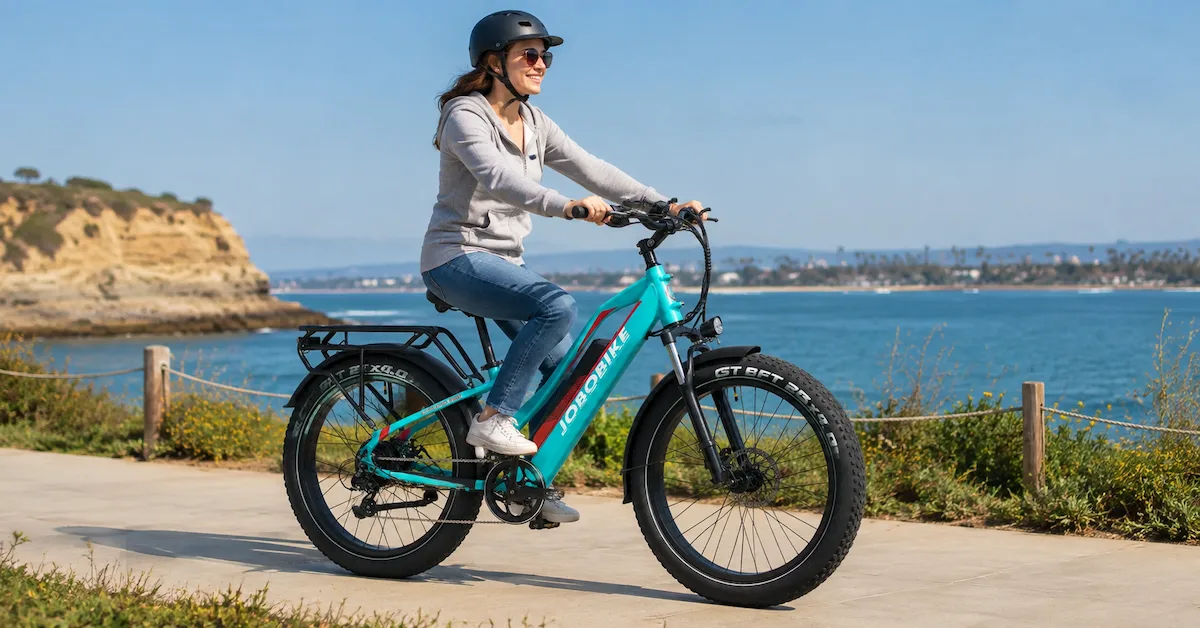
Fat Tires Need More Evaluation Than a 4.0-Inch Label
Wide tires are one of the most visible features of rugged electric bicycles, but the width printed on a catalog page does not tell a buyer everything about handling or durability.
The factory should confirm the actual tire model, rim compatibility, tire clearance, replacement availability and approved inflation range. Buyers should also consider whether the tire can be sourced easily in the destination market.
A 20-inch fat-tire folding bicycle, a 26-inch recreational model and a wide-tire cargo platform solve different problems even if each uses a tire described as “fat.” Wheel size affects frame geometry, packaging, handling and spare-parts planning.
For OEM programs, it is usually more useful to ask:
- Which tire is used on the approved sample?
- Can the same model be supplied for repeat orders?
- Which alternative requires buyer approval?
- Are replacement tires available through normal dealer channels?
- Does a tire change require clearance or handling verification?
This keeps the tire decision connected to the complete bicycle.
Battery Capacity Should Be Evaluated as Energy, Not Marketing Range
Battery specifications should identify voltage and ampere-hours so buyers can calculate nominal energy.
For example:
48 V × 15 Ah = 720 Wh
A larger Wh figure can indicate greater nominal stored energy, but it does not guarantee a specific riding distance. Terrain, total mass, tire pressure, temperature, assistance level, climbing and rider contribution all influence actual consumption.
For an OEM project, establish a representative test route and record the conditions. A useful sample evaluation may include route distance, elevation, rider weight, assistance setting, ambient temperature and remaining battery charge.
The supplier should also identify the charger, battery mounting system and replacement battery specification. For distributors, this information matters several years after the first shipment, when a dealer needs to identify the correct replacement pack.
Frame Manufacturing Matters More as Riding Loads Increase
The frame is the structural foundation of the bicycle, and rugged-use projects place more attention on frame design, motor interfaces, battery installation, wheel clearance and suspension mounting.
JOBO operates its own e-bike frame manufacturing facility, covering processes such as tube preparation, bending, machining, welding, heat-treatment stages, alignment, surface finishing and inspection. For OEM buyers, the important advantage of in-house frame capability is not simply that equipment exists; it is that structural customization can be discussed closer to the manufacturing process.
When evaluating a custom project, buyers should request clear answers to several questions. Which drawing revision is being produced? Which dimensions are inspected? How is the battery interface controlled? Are motor mounting points checked with dedicated fixtures? Which structural changes require another engineering review?
A good-looking frame sample does not replace engineering validation. Appearance inspection and structural evaluation serve different purposes.
Full Suspension and Front Suspension Serve Different Product Strategies
A rugged electric bicycle does not automatically need full suspension. Suspension should be selected according to the intended route, rider expectation, price position and maintenance capability.
A front-suspension fat-tire bicycle may fit a different retail segment from a full-suspension platform intended for more uneven terrain. Full suspension introduces additional components, pivot points, setup requirements and service considerations. That may provide value for one target customer while adding unnecessary complexity for another.
A buyer should therefore compare suspension platforms using a consistent framework.
| Platform Type | Main Buyer Question | Advantages to Evaluate | OEM Issues to Confirm |
|---|---|---|---|
| Front suspension fat tire | Is additional rear suspension necessary for the target route? | Simpler structure and service | Fork specification, geometry and tire clearance |
| Full suspension fat tire | Does the riding environment justify rear suspension? | Additional compliance on uneven surfaces | Shock,travel, pivots and service parts |
| Folding fat tire | Is compact storage part of the selling proposition? | Storage flexibility | Hinge, folded size and handling weight |
| Cargo fat tire | Is carrying ability the primary requirement? | Utility-oriented product positioning | Load limits, rack structure and loaded handling |
This comparison is intended to help buyers structure an OEM decision. The actual advantages and limits of an individual model must be verified from its specification and intended-use documentation.
Brakes Need to Be Matched to Speed, Load and Terrain
Off-road sourcing discussions often focus on motor and battery specifications while leaving brakes as a short line in the BOM. That is risky.
The buyer should define the exact brake system, rotor size, pad type and lever arrangement included in the approved sample. If the product is expected to operate on repeated descents or at higher total loading, the brake system needs to be evaluated under representative conditions.
Changing the brakes after sample approval should not be treated as a simple purchasing substitution. Rotor dimensions, caliper compatibility, lever feel and mounting interfaces may all affect the finished bicycle.
The production specification should name the accepted components and establish how alternatives are approved.
How Should an Off Road Fat Tire E-Bike Factory Control OEM Changes?
One of the most important differences between a catalog supplier and an OEM manufacturing program is change control.
A buyer may approve a sample with one motor, brake system, fork, display and battery. Six months later, one component may become unavailable. If the factory replaces it without a defined approval procedure, the production batch may no longer match the bicycle tested by the buyer.
The solution is a controlled specification.
After sample approval, retain:
- a signed BOM;
- frame and geometry revision;
- approved component list;
- paint or finish reference;
- electrical configuration;
- packaging specification;
- label and manual version;
- reference sample;
- approved alternatives where applicable.
The supplier should notify the buyer when a controlled component changes and explain whether additional testing or documentation is needed.
For private-label brands, this process often matters more than cosmetic customization.
Evaluate the Factory Behind the Product
A sourcing visit or remote audit should answer more than “How large is the factory?”
JOBO's China factory covers electric bicycle development, assembly and OEM/ODM manufacturing. The company publishes a facility area of approximately 50,000 square meters, three assembly lines and annual production capacity of approximately 300,000 bicycles.
Those numbers describe manufacturing capacity, but they do not reserve capacity for an individual OEM project. Buyers still need a project-specific production plan.
During factory evaluation, look at how the supplier manages:
Incoming materials: Are motors, batteries, frames, brakes and other controlled parts identified before assembly?
Assembly: Are work instructions and torque requirements available for important operations?
Inspection: Can the factory link inspection results to the production batch?
Traceability: Can a finished bicycle be connected to its configuration and production records?
Nonconforming products: Is there a process for isolating and correcting defective units?
This moves the conversation from factory scale to manufacturing control.
Use Quality Control to Verify the Agreed Product
JOBO's QC laboratory and quality-control resources give OEM buyers another area to investigate.Instead of asking only “Do you test the bikes?”, ask what is tested, when it is tested, and which acceptance criteria apply to your model.
A project-specific QC plan may address frame or assembly inspections, wheel and brake checks, electrical operation, battery installation, fasteners, control functions and packaging.
The precise test procedures and limits should come from the approved model specification and applicable project requirements. A list of laboratory equipment does not mean every test applies identically to every bicycle.
That distinction is important for credible B2B content and for real purchasing decisions.
Certification Must Follow the Actual Configuration
The presence of certificates on a manufacturer's website should begin a documentation review rather than end it.
JOBO provides a dedicated certifications and patents section. OEM buyers should ask which document corresponds to the proposed model, market and configuration.
Changes to motors, controllers, batteries, speed settings or other relevant systems may affect what documentation is applicable.Higher-power or motorcycle-style products may also fall under different market classifications from conventional pedal-assist bicycles.
Therefore, avoid asking simply:
“Does your factory have CE?”
A better procurement question is:
“Which documents apply to this exact configuration in our destination market, and what product changes would require another review?”
That question produces far more useful information.
Sample Testing Should Simulate the Customer's Real Use
A supplier sample is not useful simply because it arrives without visible defects. Before testing begins, write an acceptance plan.
For an off-road fat-tire project, the evaluation can cover rider fit, steering response, assistance behavior, climbing, braking, shifting, suspension operation, battery retention, cable clearance and routine service access.
The route should represent the intended product rather than deliberately exceed its documented limits.
Record the component configuration before riding. If the sample is changed after testing, document the revision and determine whether another evaluation is required.
The goal is to create an approved production reference, not just decide whether the bike feels impressive during a short ride.
Plan Spare Parts Before the First Container Leaves
Rugged-use bicycles may experience more tire, drivetrain, brake and suspension maintenance than lightly used showroom bikes. That makes spare-parts planning part of sourcing rather than an after-sales detail.
Ask the factory to prepare a model-specific replacement-parts list covering items such as brake pads, drivetrain components, derailleur hangers, tires, tubes, chargers, battery mounts and selected electrical components. Full-suspension or folding models may require additional proprietary parts.
The list should include identifiers, compatibility information, prices and supply terms.
For European customers, JOBO also operates a European factory and service presence. Buyers should confirm which specific models, components and services are actually supported locally for their program instead of assuming every part is permanently stocked in Europe.
Separate Factory Capacity From Your Actual Lead Time
Manufacturing capacity and order lead time are related, but they are not the same number.
A new OEM project normally passes through specification confirmation, component sourcing, sample production, buyer approval, production scheduling, assembly, inspection, packaging and shipment.
Custom frame development introduces additional engineering stages.
Ask the supplier to provide dates for these milestones rather than one general statement such as “30-day delivery.”
A practical timeline should answer:
- When is the specification frozen?
- Which components have long procurement cycles?
- When will the sample be available?
- How long does buyer approval have?
- When is the production slot scheduled?
- When does final inspection take place?
- When can the shipment leave?
This makes delays easier to identify and manage.
Understand the Real OEM Cost Before Comparing Factories
The cheapest quoted bicycle may not be the lowest-cost OEM program.
Compare proposals using the same specification and include the expenses that make the product ready for sale: development, sample costs, tooling where required, packaging, freight, receiving inspection, local assembly requirements and initial spare parts.
Component quality also needs to be aligned.A quotation using a different motor, battery, brake system or fork is not a meaningful price comparison even if the bikes look similar in photographs.
For new frame development, clarify who pays for tooling and who owns it after payment. For branded projects, confirm packaging, labels, manuals and artwork approval before production.
A transparent commercial comparison reduces surprises after the purchase order is placed.
OEM and ODM: Decide How Much Development You Actually Need
Not every private-label project needs a completely new bicycle.
Using an existing platform with selected components, branding and packaging changes can be appropriate when the goal is faster product-line development. A more differentiated brand may need geometry, frame interfaces or integrated systems that require deeper ODM work.
JOBO's OEM and manufacturing capabilities allow buyers to discuss both approaches.
The key is to define the project before requesting a quotation:
Existing-platform OEM: branding, colors, selected components and packaging.
Configuration development: changes to motor, battery, suspension, brakes or accessories.
Structural ODM: new frame geometry, interfaces or substantially different product architecture.
These projects involve different engineering effort, validation requirements, cost and timelines.
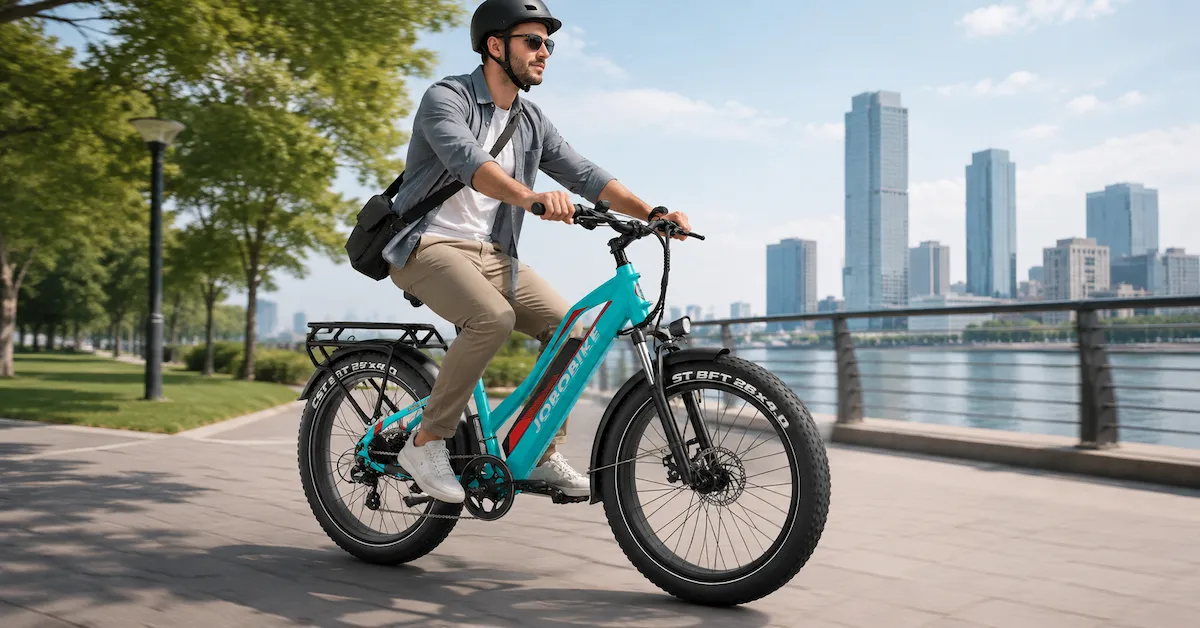
OEM Sourcing Checklist for Rugged Electric Bikes
Before selecting an off road fat tire e-bike factory,buyers should be able to answer the following questions:
| Procurement Question | Why It Matters |
|---|---|
| What exact terrain is the bike designed for? | Prevents vague “all-terrain” assumptions |
| What complete configuration is being quoted? | Makes supplier comparisons meaningful |
| Which frame revision is approved? | Controls structural consistency |
| Which components may be substituted? | Prevents unnoticed production changes |
| How will the sample be evaluated? | Creates objective approval criteria |
| Which QC records will be provided? | Links production to the approved specification |
| Which documents apply to the target market? | Reduces compliance uncertainty |
| Which replacement parts will remain available? | Supports distributors after launch |
| What is the real project timeline? | Separates development from mass production |
| What information is needed for repeat orders? | Improves long-term product consistency |
A supplier that can answer these questions clearly is easier to evaluate than one relying mainly on specifications and promotional language.
Frequently Asked Questions
What Should I Send an Off Road Fat Tire E-Bike Factory for an OEM Quote?
Provide your destination market, intended terrain, target rider, required loading, preferred wheel and tire format, motor and battery expectations, quantity, branding requirements and target launch date. If you already have a benchmark bicycle or specification, identify which features are mandatory and which remain open to engineering recommendations.
Is a 26 × 4.0 Tire Always Better for Off-Road Riding?
No single tire size is automatically best. Wheel diameter, tire construction, frame geometry, suspension and rider use all affect the finished product. Define the route and product positioning first, then evaluate the proposed wheel-and-tire package.
Should I Choose a Hub Motor or Mid-Drive for a Rugged E-Bike?
Both architectures can serve different product strategies. Compare climbing behavior, drivetrain interaction, maintenance, component cost and target-market requirements using complete bicycle configurations. Motor position alone does not determine whether a bicycle is suitable for a given route.
How Should I Test Battery Range on an Off-Road E-Bike?
Use a representative route and record rider load, elevation, terrain, assistance level and environmental conditions. Compare configurations under similar conditions. Treat published maximum range as a reference unless its test method matches your intended use.
Can JOBO Develop a Custom Fat-Tire E-Bike Frame?
JOBO operates frame manufacturing and OEM/ODM capabilities. A custom project should begin with geometry, motor and battery interfaces, wheel requirements, suspension concept and intended-use information. Engineering feasibility, tooling, validation and project timing should then be confirmed before sample production.
How Do I Prevent Component Changes After Sample Approval?
Use a controlled BOM and approved component list. State which components require written buyer approval before substitution and retain a reference sample. When a change occurs, determine whether compatibility checks or further testing are necessary.
Does an Off-Road Product Name Mean the Bike Can Be Used Anywhere?
No. Product names such as off road, all terrain or fat tire do not define every permitted environment. Confirm intended-use limits and local access requirements for the actual riding area.
What Spare Parts Should I Order With the First Batch?
Base the package on the exact model and local repair capability. Typical discussions include brake pads, drivetrain parts, tires, tubes, derailleur hangers, chargers, battery-related parts and model-specific electrical items. Suspension or folding platforms may require additional service parts.
How Long Does a Custom OEM Project Take?
The timeline depends on whether the project uses an existing platform or requires new structural development. Ask for separate stages covering engineering, samples, testing, approval, material preparation, production and shipment rather than relying on a single generic lead-time figure.
How Can I Start an OEM Project With JOBO?
Prepare a project brief covering your market, riding environment, target configuration, annual or initial quantity, branding needs and launch plan. Then contact JOBO to discuss suitable platforms, development requirements, sample arrangements and an itemized quotation.
Conclusion
Choosing an off road fat tire e-bike factory is ultimately about controlling the complete product from the first requirement sheet to repeat production.Motor power and tire width matter, but so do frame design, suspension, braking, battery integration, change control, testing, spare parts and market-specific documentation. For OEM buyers, the strongest sourcing process is to define the real riding environment, approve a documented sample and ensure that the factory can reproduce that specification at scale. JOBO combines off-road electric bike platforms, in-house frame manufacturing, quality-control resources and OEM/ODM support for brands, distributors and commercial projects. Buyers planning a rugged electric bike program can contact JOBO with their target market, terrain, configuration requirements and expected order volume to begin model selection and OEM evaluation.