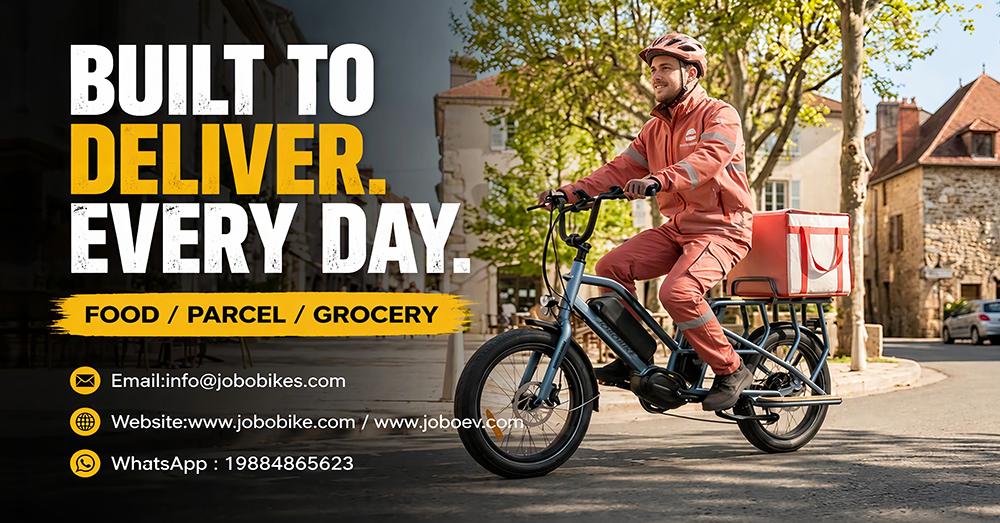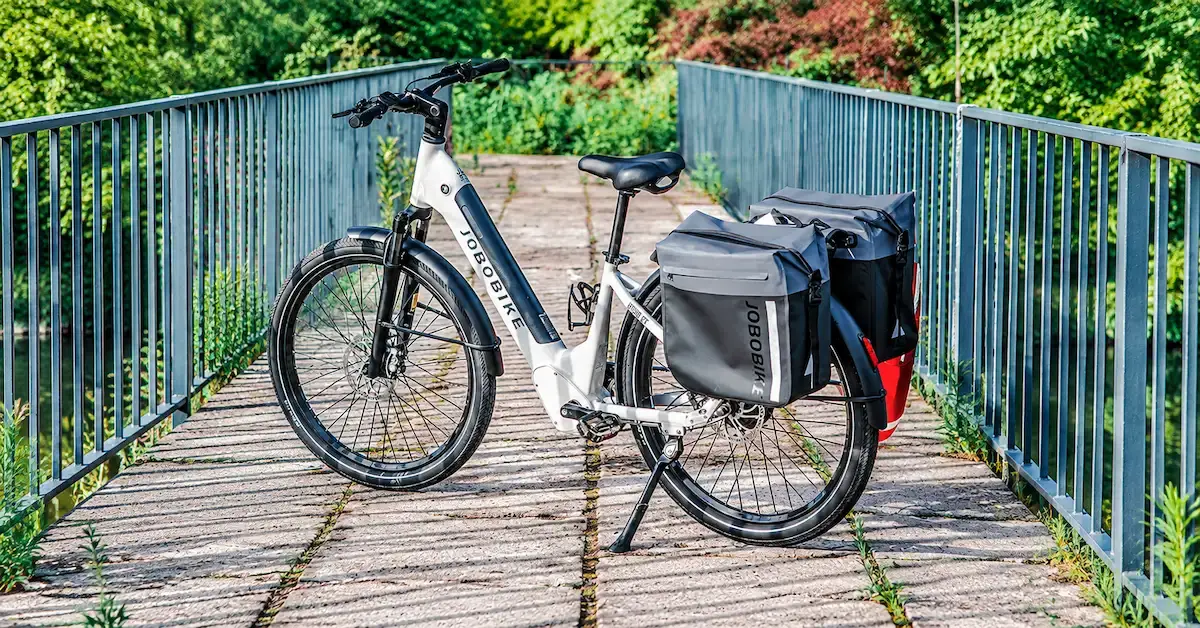
A cargo e-bike OEM program is not one frame sold to many brands under different decals. It is a set of cargo e-bike platforms, each locked to one job, all drawing on the same frame shop, the same 48V architecture and the same test laboratory. JOBO runs seven: a commercial fleet build, a last-mile delivery build, a family carrier, a front-loader, a long-tail, a utility platform and a fat-tire model. Each owns one mission and one set of destination markets — and every one is welded, wired, tested and boxed in the same 50,000 m² plant in Jinhua, with EU assembly available in Poland.
That structure is the point. A brand does not come to a cargo e-bike OEM partner asking for "a cargo bike." It arrives with a route, a freight profile and a buyer, and those three decide which platform the program starts from.
Why One Cargo Series Splits Into Seven Missions
Cargo duty is the least forgiving category in the industry, because the variable that matters most — the load — differs for every customer. A courier carrying parcels across a dense city, a municipality on a fixed collection loop and a resort renting to families on sand are not three buyers of one product. They are three engineering problems.
Make one model serve all three and it fails on all three: the deck is too short for the parcel operator, the tires too narrow for the resort, the frame over-built for the municipality. Splitting a cargo e-bike OEM series into seven missions fixes that. Each platform is optimised for its own duty cycle, and because all seven share a frame factory, a 48V architecture and a common parts channel, a brand can add a second mission later without re-qualifying a supplier.
The rule that keeps the seven from cannibalising each other: one platform, one mission, one vocabulary. The front-loader does not call itself a delivery bike; the delivery cargo e-bike does not claim a front box; the long-tail owns "extended deck" and nobody else uses it.
The Seven-Mission Map
|
Mission |
Platform |
Layout |
Core build |
Built for |
|
Commercial fleet |
JB-TDN64Z-F |
Rear deck, fleet-ready |
48V 500W brushless, 48V 15Ah LG, E3520 TEKTRO hydraulic disc, speed sensor, Shimano 7-speed, 20×3.0 |
Fleet procurement buying on TCO, service intervals and parts continuity |
|
Last-mile delivery |
JB-TDN50L |
Rack and box, courier-ready |
Configured per program against your route profile |
Courier, parcel and postal operators on dense urban routes |
|
Family cargo |
JB-TDN57Z-F |
Step-through, integrated racks |
Configured per program against your rider profile |
Household and leisure buyers; retail channels |
|
Front-load |
JB-TDN47Z |
Front box in the sightline, 20″ front / 26″ rear |
48V 500W brushless, 48V 15Ah Samsung/LG cells, hydraulic disc, speed sensor, 7-speed; carton 250×71×82cm |
Urban delivery and tradesman use: Netherlands, Germany, Denmark, UK, North America |
|
Long-tail |
JB-TDN79Z |
Extended rear deck, twin battery |
48V 500W brushless, 2 × 48V 15Ah, GEMMA hydraulic disc, torque sensor, Shimano 7-speed, 20×3.0; carton 168×33×85cm |
Shift-length routes: North American suburbs, Australia/New Zealand, France/Belgium, the Nordics |
|
Utility |
JB-TDN50Z |
Rear rack with passenger footboard |
48V 500W brushless (XOFO), 48V 15Ah LG single or twin, E3520 TEKTRO hydraulic disc, torque sensor, Shimano 7-speed, 20×3.0 |
Southern Europe (Italy, Spain, Portugal), Central/Eastern Europe (Poland, Czechia), East Asia (Japan, South Korea) |
|
Fat-tire |
JB-TDN54Z |
Extended deck on 20×4.0 tires |
48V 350W brushless, 48V 15Ah LG, TEKTRO mechanical disc, speed sensor, Shimano 7-speed, 20×4.0 |
Routes that leave the pavement: US/Canada snow belt, the Gulf, Latin American rural roads, Southeast Asia |
Specifications follow the JOBO Quotation (260920), the single source of truth for JOBO product parameters.
The Seven Platforms, Mission by Mission
1. Commercial Fleet — JB-TDN64Z-F
Built for buyers who write a total-cost-of-ownership spreadsheet before a purchase order: service intervals, parts continuity across model years, how fast a replacement controller ships. The JB-TDN64Z-F answers with a conventional, serviceable cargo e-bike OEM build — 48V 500W brushless motor, single 48V 15Ah LG pack, E3520 TEKTRO hydraulic brakes, speed sensor, Shimano 7-speed, 6061 frame. Nothing in the BOM needs a specialist tool.
2. Last-Mile Delivery — JB-TDN50L
Courier work is a duty-cycle problem: dozens of stops, constant re-starts, a fixed shift. The JB-TDN50L is configured around your route profile, which is why this cargo e-bike OEM platform owns the delivery vocabulary — last mile, courier, parcel — and no other platform in the series uses it.
3. Family Cargo — JB-TDN57Z-F
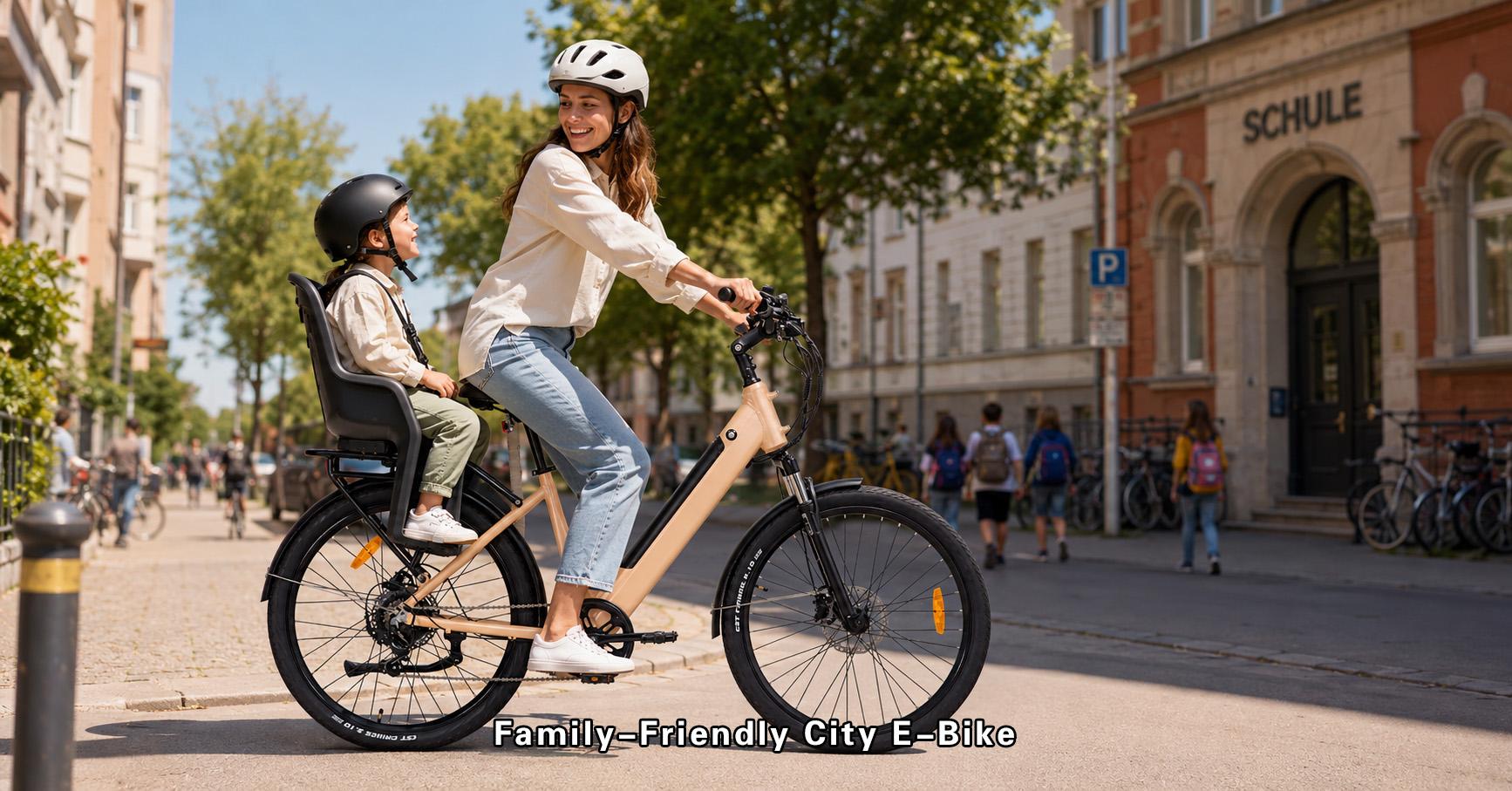
Household buyers judge a cargo e-bike OEM model on access, not payload charts: can they step through, lift a child in, load without the bike falling over. The JB-TDN57Z-F is a step-through frame with integrated racks, and it owns the family vocabulary for the series.
4. Front-Load — JB-TDN47Z
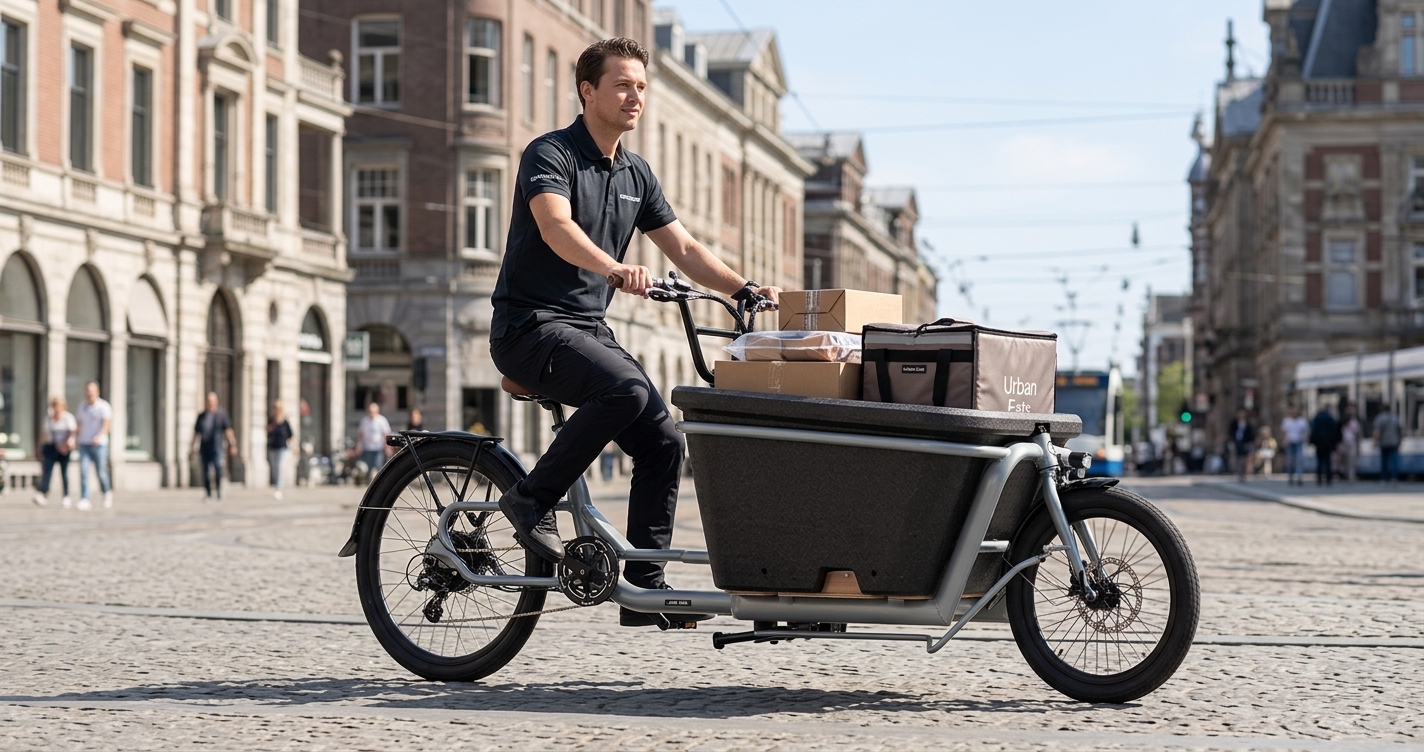
The JB-TDN47Z puts the load ahead of the rider and low, inside the sightline — the layout that dominates urban delivery and tradesman work, because a rider who can see the cargo can secure it without dismounting. A 20″ front and 26″ rear wheel drop the centre of gravity. A cargo e-bike OEM build on this platform runs a 48V 500W brushless motor, a 48V 15Ah pack on Samsung or LG cells, hydraulic discs and a speed sensor; the carton measures 250×71×82cm, which matters when planning a container.
5. Long-Tail — JB-TDN79Z
The JB-TDN79Z is the cargo e-bike that carries behind the rider on an extended deck, and its headline figure is operational: two 48V 15Ah packs in twin bays, enough for a full shift with no mid-route charge. A torque sensor scales assistance to pedal force, so a loaded outbound leg and an empty return leg feel like the same bike. GEMMA hydraulic discs and Shimano 7-speed complete it; the carton is 168×33×85cm.
6. Utility — JB-TDN50Z
The JB-TDN50Z exists for brands that want one certified frame to carry three listings: a carrier, a passenger bike, an everyday city model. The rear structure takes a rack and wood deck for crates, or a footboard and seat position for a second rider. A 48V 500W brushless motor with torque sensor, E3520 TEKTRO hydraulic brakes, Shimano 7-speed and 20×3.0 tires come in single- or twin-pack layouts — one frame, two price points.
7. Fat-Tire — JB-TDN54Z
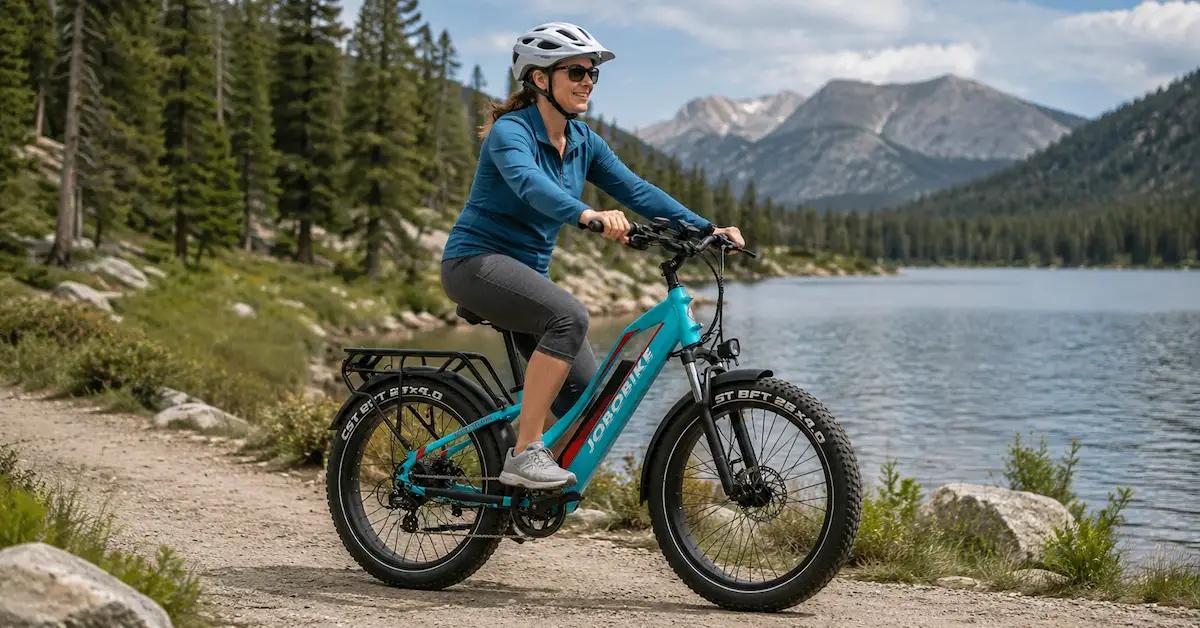
This cargo e-bike is for operators whose routes leave the pavement. The JB-TDN54Z spreads the same load across a wider contact patch on a 20×4.0 tire, A 20×4.0 tire spreads the same load across a wider contact patch, which keeps a loaded deck upright on gravel shoulders, packed sand and slush. The cargo e-bike pairs a 48V 350W brushless motor with a 48V 15Ah LG pack, TEKTRO mechanical discs, a speed sensor and Shimano 7-speed.
What a Factory Standardizes Before It Can Customize
A cargo e-bike OEM partner can only offer real customization if something underneath is fixed. Customization on top of chaos is just variation, and variation is what breaks fleets. JOBO standardizes four layers, then customizes above them:
- The frame system. 6061 aluminum across the series, cut, welded and heat-treated in JOBO's own frame factory. Because tube supply, fixtures and heat treatment are in-house, deck length, rack bosses, footboard brackets and rear-stay reinforcement become drawing decisions, not sourcing problems.
- The electrical architecture. A 48V system across the range — motor, controller, battery and charger matched as one package per build. That is what lets one chassis ship as a single-battery and a twin-battery cargo e-bike OEM specification: the line difference is a second bay, a different loom and a controller configuration.
- The test protocol. Every cargo e-bike is verified the way it will be worked — loaded. Brake performance with rated load aboard, assist behaviour under weight, and wiring and charging-path checks across both bays on twin-battery builds. Frames and finished bikes are cycled in the in-house laboratory against EN15194-aligned procedures.
- The compliance trail. Speed ceiling, assist levels and display language are set to the destination market and locked per programme, so every unit in a container leaves consistent.
Standardize those four and the surface layer becomes genuinely flexible.
What You Can Customize
|
Item |
What is fixed |
What you set |
|
Frame |
6061 alloy, welded in-house |
Geometry, stand-over, deck length, rack and footboard bosses |
|
Motor |
48V brushless architecture |
Output and brand tier by market; cable routing |
|
Battery |
48V 15Ah LG pack |
Single or twin layout; LG or Samsung cells; capacity to your range target |
|
Sensor |
Speed or torque sensing |
Which one, per market expectation and price point |
|
Brakes |
Hydraulic or mechanical disc |
Rotor size and brand tier; hydraulic upgrade where your market expects it |
|
Drivetrain |
7-speed |
Gear count and brand; chain or belt where your service network requires it |
|
Tires |
20×3.0 or 20×4.0 by platform |
Tread, casing, reflective-strip spec, brand to your BOM |
|
Cargo hardware |
Interfaces engineered with the frame |
Rack, basket, flatbed, box, child seat, footboard, deck hand |
|
Branding |
White-label finish |
Logo, head badge, decals, colorways, export carton print — applied in-house |
|
Assist & display |
LCD display |
UI language, assist mapping, speed ceiling locked to your market |
From Spec Sheet to Container
Every cargo e-bike OEM programme runs eight steps: market brief → BOM review → engineering and industrial design → in-house frame and painting → prototype and laboratory testing → sample approval and production lock → ISO 9001 mass production under 6S management → final inspection and delivery. Assembly runs at the Jinhua base, with European assembly in Poland available, shortening EU lead times and reducing exposure to EU anti-dumping duties.
Two points matter to a brand buyer. Sample approval is a lock, not a suggestion — your approved sample becomes the written production standard, covering BOM, color, graphics and packaging. And laboratory testing happens before that lock, not after, so the bike you approve is the bike that fills the container.
FAQ
What does a cargo e-bike OEM program include?
A defined platform, a BOM built to your market, in-house frame and paint, prototype and laboratory testing, a locked production standard, ISO 9001 mass production, and export packing with your branding. With JOBO it also includes EU final assembly in Poland where your programme sells inside the European Union.
Why seven platforms instead of one adjustable frame?
Because cargo duty is set by the load, and the load differs for every buyer. One frame serving courier, family and off-pavement duty ends up compromised on all three — wrong deck, wrong tires, wrong price. Seven platforms let each cargo e-bike OEM model be optimised while a shared frame factory and 48V architecture keep parts and compliance common.
Which platform suits a courier or parcel operator?
The JB-TDN50L, configured against your route profile. If routes run long with fewer stops, the JB-TDN79Z twin 48V 15Ah packs cover a full shift; if riders load constantly and need cargo in sight, the JB-TDN47Z front-loader fits better.
Can one frame be sold under two positionings?
Yes — that is the purpose of the JB-TDN50Z. The rear structure takes either a rack and wood deck or a footboard and passenger seat, so a brand can list one certified cargo e-bike as both a carrier and a passenger bike, and split a container across them.
How much of the bike can we change?
Ten areas, listed above: frame geometry, motor output and brand, battery layout and cells, sensor type, brake specification, drivetrain, tires, cargo hardware, branding and packaging, and assist mapping. What stays fixed is the platform beneath — 6061 frame production and the 48V architecture — because that is what keeps your second and third seasons serviceable.
Where are JOBO cargo e-bikes built?
In the 50,000 m² Jinhua plant, with a 10,000 m² assembly site in Poland for European programmes. Annual capacity across the JOBO range is 300,000 units, with exports to 80+ countries since 2014.
Match Your Mission to a Platform
Bring the route, the freight and the buyer, and the cargo e-bike OEM platform choice follows. Tell the JOBO team your destination market and duty cycle and we will return the mission mapping, the BOM and a quotation — or start from the cargo architecture guide if you are still deciding which load structure fits, and the production-line walkthrough if you want to see how each platform is built station by station.