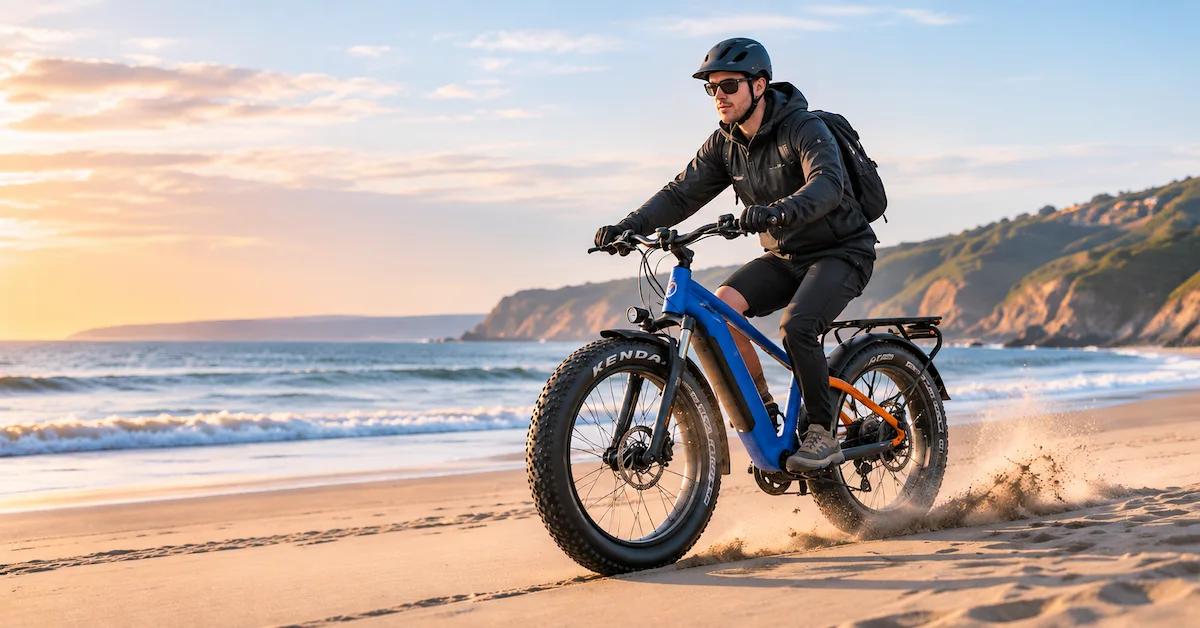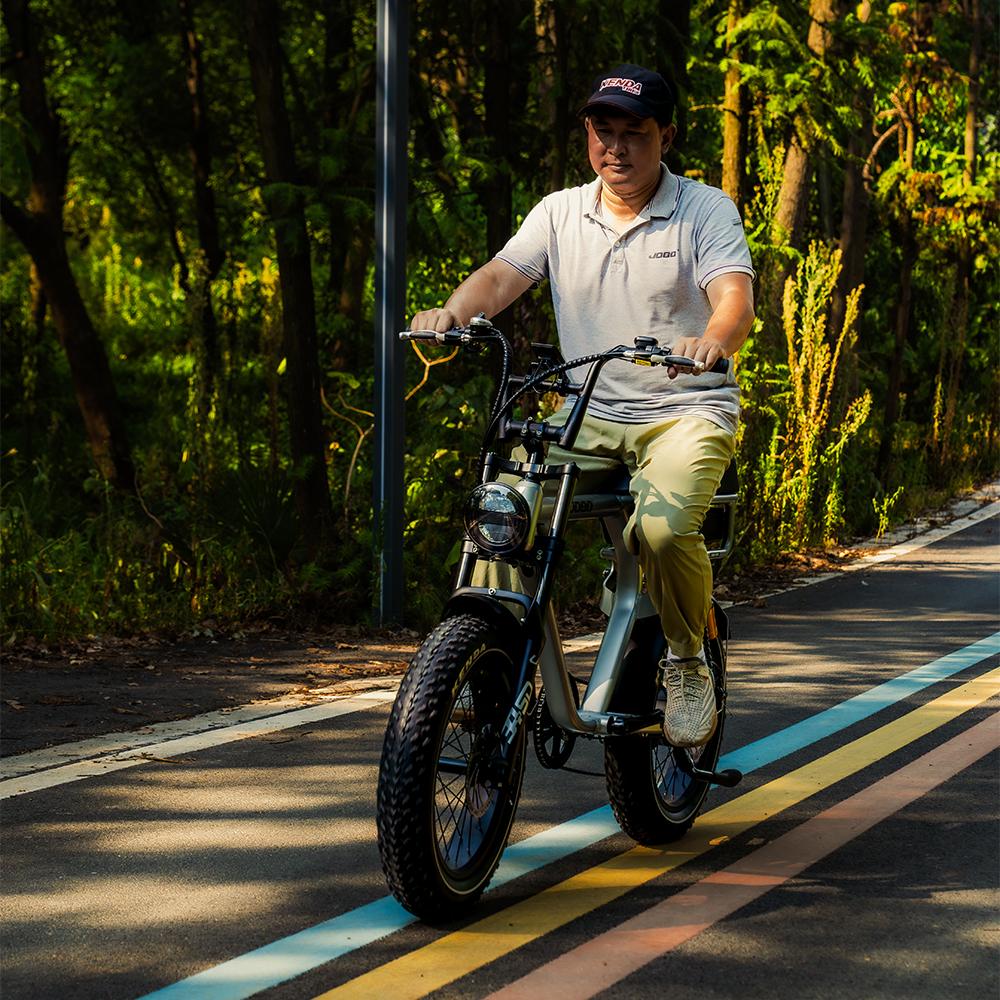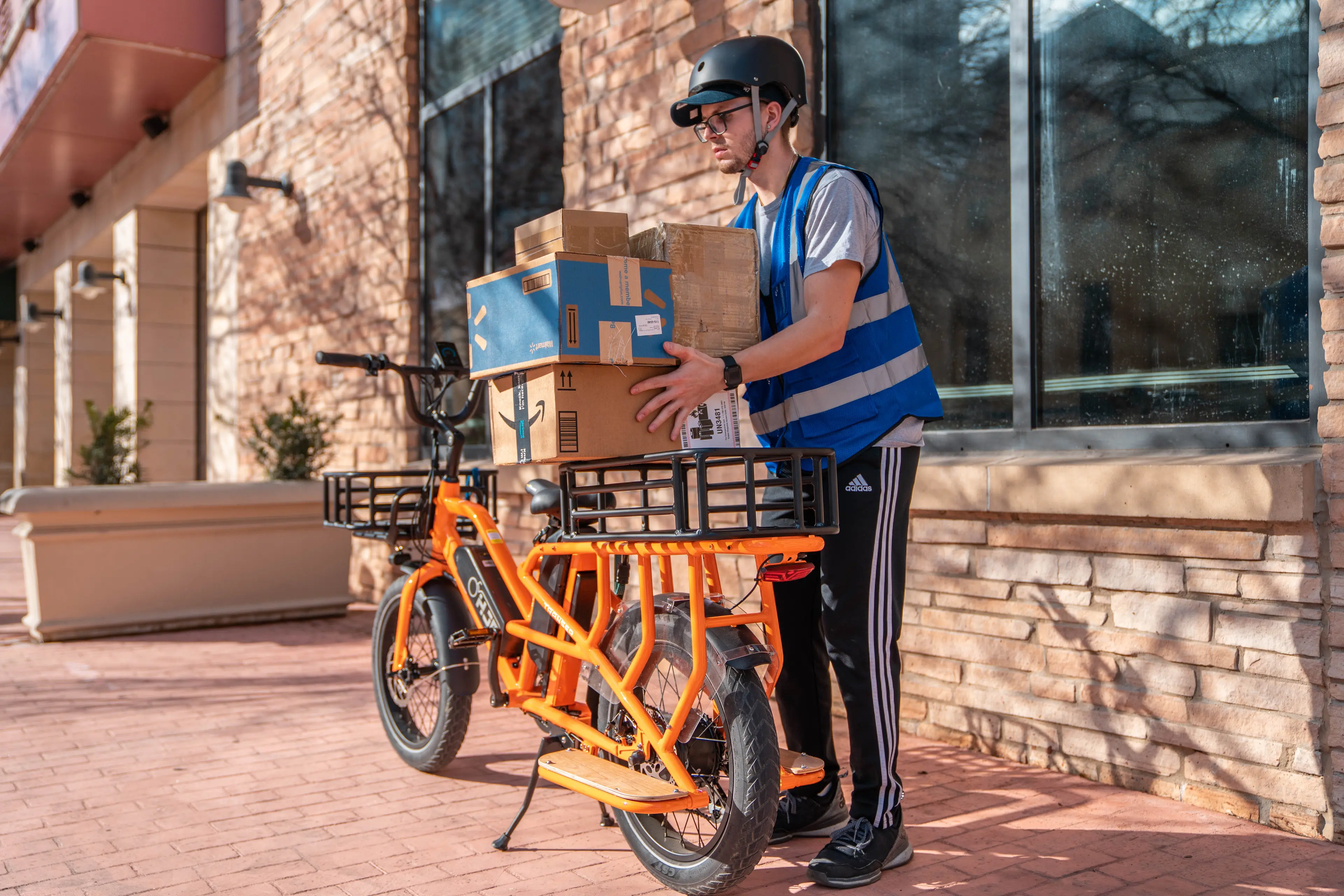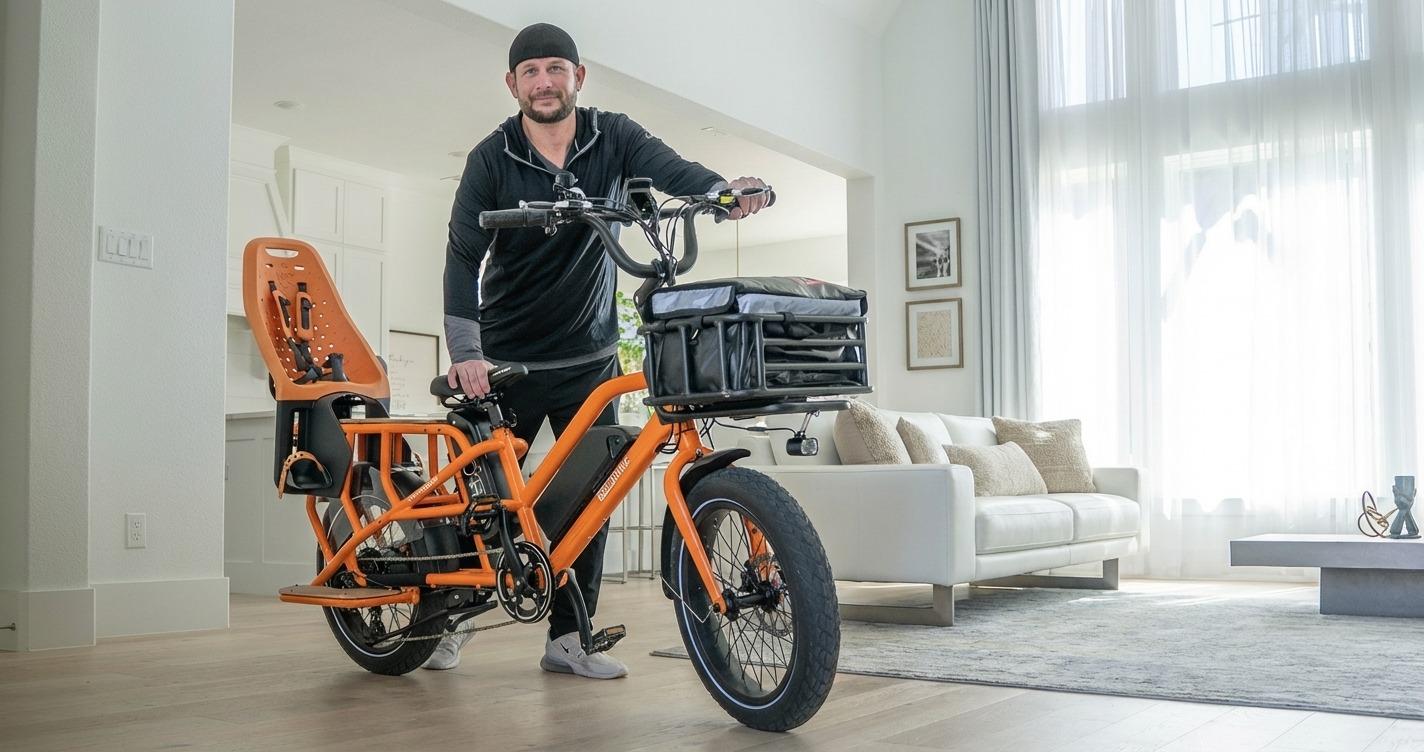
An adult fat tire electric bike can offer a distinctive product opportunity for bicycle distributors, outdoor recreation retailers, and private-label mobility brands serving customers who ride beyond smooth urban roads.
However, wide tires and high motor power alone do not determine whether an electric bicycle is suitable for demanding outdoor conditions.
Professional buyers must consider climbing performance, motor temperature, battery consumption, braking capability, rider fit, transportation costs, and replacement-parts availability.
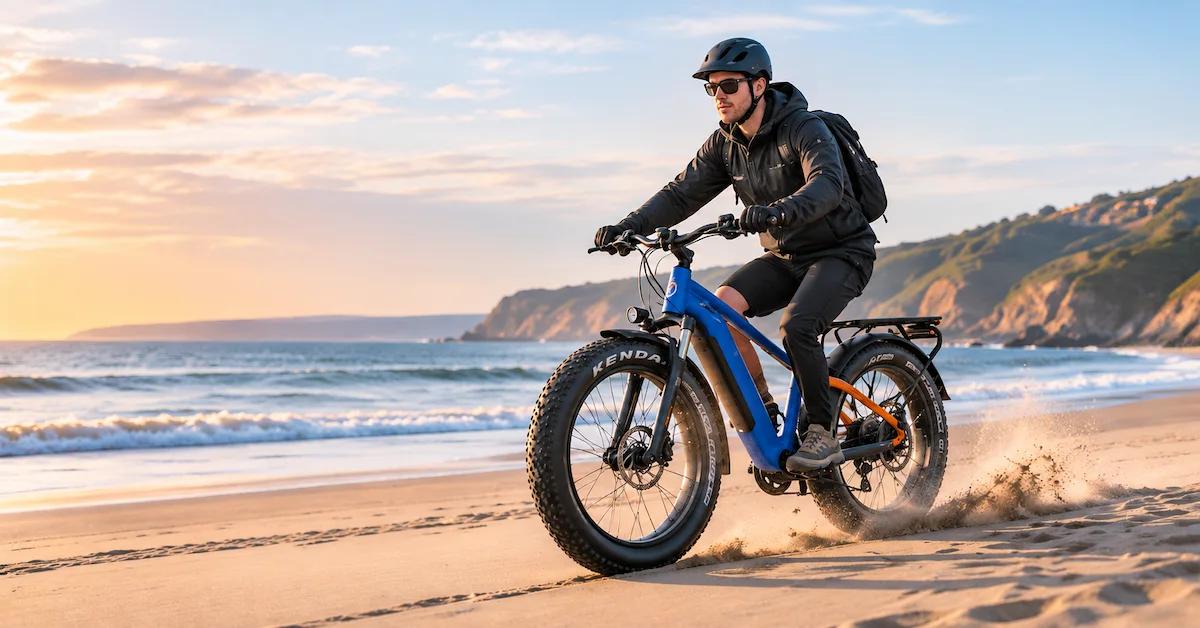
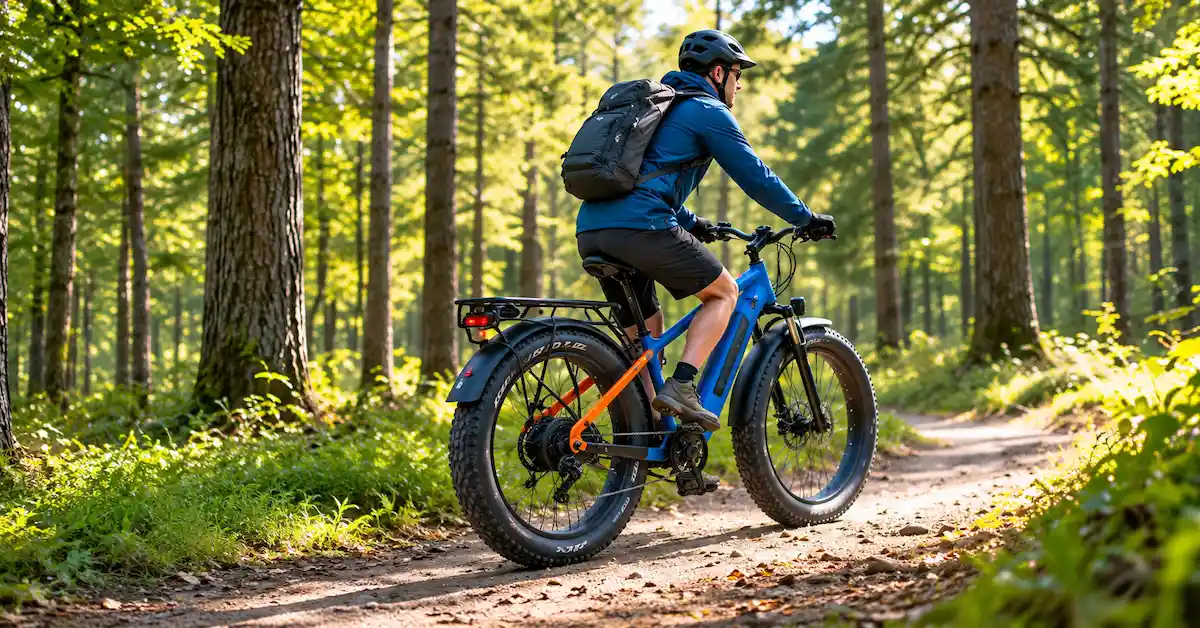
The JOBO JB-TDE04Z-F provides a practical reference for this category. Its published configuration combines a 48V 750W motor, advertised 80 N·m torque, 48V 14Ah LG battery, 6061 aluminum alloy frame, RST suspension fork, and KENDA 26×4.0-inch tires.
For importers and distributors, these specifications create a starting point for developing a recreational fat-tire e-bike product range.
This guide explains how to evaluate the JB-TDE04Z-F for different riding environments, verify its climbing and battery performance, and prepare a controlled OEM purchasing program.
Quick Answer: What Should Buyers Look for in an Adult Fat Tire Electric Bike?
When sourcing an adult fat tire electric bike wholesale, buyers should evaluate motor torque, sustained climbing performance, battery capacity, tire construction, frame strength, braking capability, and after-sales service.
For the JOBO JB-TDE04Z-F, the 750W motor, advertised 80 N·m torque, 26×4.0-inch tires, and RST suspension fork make it a relevant platform for outdoor recreational product lines.
Before ordering, confirm the actual motor rating, range-testing conditions, rider weight limits, permitted terrain, and destination-market requirements.
A representative sample and approved bill of materials should establish the production specification before bulk manufacturing.
1. Who Should Buy the JB-TDE04Z-F for Wholesale Distribution?
The JB-TDE04Z-F is positioned for adult riders interested in outdoor exploration, recreational cycling, gravel roads, and mixed-surface mobility.
Compared with conventional commuter e-bikes, its 26-inch wheel format and wide tires create a different retail proposition.
Potential B2B customers and applications
| Buyer type | Intended application | Purchasing priority |
|---|---|---|
| Electric bike distributors | Adult recreational product ranges | Product differentiation and serviceability |
| Outdoor equipment retailers | Weekend exploration and outdoor riding | Tire suitability and rider comfort |
| Mountain bike retailers | Recreational fat-tire cycling | Frame geometry and climbing performance |
| Adventure tourism operators | Approved recreational routes | Battery endurance and maintenance |
| Private-label brands | Customized outdoor e-bike collections | OEM specifications and branding |
| Regional rental businesses | Controlled mixed-surface riding | Component consistency and inspection |
Who may need a different platform?
The JB-TDE04Z-F may not be the most appropriate choice for customers prioritizing lightweight transportation, compact folding storage, competitive mountain biking, or specialized downhill riding.
Its published net weight of 36 kg should also be considered by retailers whose customers frequently transport bicycles using stairs or vehicle-mounted racks.
The strongest product positioning is an adult recreational fat-tire electric bicycle with verified capabilities, rather than an unrestricted all-terrain vehicle.
2. JOBO JB-TDE04Z-F Technical Specifications
The following specifications are based on JOBO's supplied JB-TDE04Z-F product information.
| Component | Published standard build |
|---|---|
| Product model | JB-TDE04Z-F |
| Frame | 6061 aluminum alloy |
| Wheel size | 26 inches |
| Motor | 48V 750W |
| Advertised motor torque | 80 N·m |
| Battery | 48V 14Ah LG battery |
| Nominal battery energy | 672Wh |
| Display | LCD |
| Maximum speed | 32 km/h |
| Advertised riding distance | 40 km |
| Charging time | 8 hours |
| Charger input | 100–240V AC |
| Front fork | RST suspension fork |
| Brakes | Front and rear TEKTRO mechanical disc brakes |
| Tires | KENDA 26×4.0-inch, puncture-protection specification with reflective stripe |
| Transmission | Shimano 7-speed |
| Handlebar and stem | Aluminum |
| Lighting | Headlight and taillight |
| Published net weight | 36 kg |
| Carton dimensions | 162 × 32 × 85 cm |
These figures describe the published reference build. Actual production specifications, available customization options, maximum permissible loads, and compliance documentation must be confirmed in the quotation.
The advertised 40 km distance and 80 N·m torque should also be evaluated under defined testing conditions rather than treated as guaranteed results for every application.
3. Is a 750W Motor with 80 N·m Torque Suitable for Hill Climbing?
Motor performance is an important consideration when selecting an adult fat tire electric bike for outdoor recreational markets.
The JB-TDE04Z-F has a published 48V 750W motor specification and an advertised torque figure of 80 N·m.
However, motor power and torque describe different aspects of performance.
Torque represents rotational force, while power describes the rate at which work is performed.
A high advertised torque figure may indicate useful starting and climbing potential, but it does not establish how long the motor can maintain that performance.
What affects climbing performance?
| Performance factor | Effect on climbing |
|---|---|
| Motor characteristics | Influence available torque and efficiency |
| Controller configuration | Determines how electrical power is managed |
| Battery condition | Affects available electrical energy and output |
| Rider and bicycle mass | Increases the energy required for climbing |
| Gradient | Determines climbing resistance |
| Tire pressure and tread | Influence traction and rolling resistance |
| Motor temperature | May affect sustained performance |
| Rider input | Contributes additional propulsion |
Peak torque versus sustained performance
A bicycle that performs well during a short uphill demonstration may behave differently during a prolonged climb.
Motor temperature, electrical current limits, battery voltage, and controller protections can influence sustained operation.
Distributors should therefore request the conditions under which the 80 N·m figure was obtained.
A useful motor evaluation should include the exact motor model, rated-power definition, torque measurement method, thermal protection behavior, and operating limits.
Recommended climbing test
Before bulk production, evaluate a representative sample on an approved test route.
Record the rider mass, route gradient, climbing distance, assistance setting, battery condition, motor temperature where measurable, and any unexpected reduction in assistance.
The test should remain within the manufacturer's approved operating conditions.
For wholesale buyers, repeatable climbing performance is more valuable than an isolated maximum torque claim.
4. How Do 26×4.0-Inch Fat Tires Affect Product Positioning?
The JB-TDE04Z-F uses KENDA 26×4.0-inch tires in its published standard configuration.
Wide tires can offer a larger footprint and may support traction on certain uneven or loose surfaces when appropriately selected and inflated.
However, tire width also influences bicycle weight, handling, rolling resistance, and storage requirements.
26-inch versus 20-inch fat tire electric bikes
| Evaluation factor | 26×4.0-inch platform | 20×4.0-inch platform |
|---|---|---|
| Typical product positioning | Outdoor recreation and larger-wheel riding | Compact recreational and urban mobility |
| Obstacle rollover | Larger nominal wheel diameter may assist rollover | Smaller nominal wheel format |
| Storage | May require more space | May offer more compact dimensions |
| Rider fit | Depends on complete frame geometry | Depends on complete frame geometry |
| Tire replacement | Requires compatible 26-inch fat tires | Requires compatible 20-inch fat tires |
| Best selection method | Route and rider-fit testing | Route and rider-fit testing |
Wheel diameter alone does not determine which bicycle is more comfortable, lighter, or easier to control.
Buyers should compare complete bicycle geometry, fitted tire dimensions, wheelbase, rider reach, and actual vehicle weight.
Match tires to the intended environment
For firm gravel and rural recreational roads, assess tread behavior, braking performance, and rolling resistance.
For sand, mud, or winter surfaces, request specific terrain validation rather than assuming the standard tire provides suitable performance under all conditions.
KENDA tires are identified in the published reference build, but their puncture-protection characteristics should not be marketed as puncture-proof.
5. Evaluate the 6061 Aluminum Frame and RST Suspension Fork
The JB-TDE04Z-F combines a 6061 aluminum alloy frame with an RST front suspension fork.
This configuration creates a different mechanical architecture from compact steel-frame dual-suspension electric bicycles.
6061 aluminum alloy frame
The material designation provides useful information about the frame's construction.
However, structural performance depends on the complete frame design, tube dimensions, weld quality, manufacturing controls, and applicable testing.
Buyers should request the approved frame drawing, material specification, dimensional tolerances, maximum permissible total mass, and relevant fatigue-test documentation.
RST front suspension fork
A suspension fork can help manage forces transmitted through the front wheel when riding over uneven surfaces.
Actual performance depends on the fork model, travel, spring and damping characteristics, rider mass, and operating conditions.
The RST brand name alone does not establish the suspension travel or suitability for technical mountain bike trails.
Distributors should obtain the exact fork model and its service requirements.
Frame and suspension procurement checklist
| Inspection area | Required verification |
|---|---|
| Frame welding | Consistent construction and approved inspection |
| Frame geometry | Rider fit and component compatibility |
| Fork model | Travel, intended use, and service parts |
| Front wheel clearance | Compatibility with the 26×4.0-inch tire |
| Steering assembly | Correct installation and adjustment |
| Brake mounting | Compatibility with approved components |
| Surface finishing | Coating quality and appearance |
A controlled frame and suspension specification is essential for reliable production and future replacement-parts planning.
6. Can a 48V 14Ah Battery Deliver Enough Range for Outdoor Riding?
The standard JB-TDE04Z-F battery is listed as a 48V 14Ah LG configuration.
Its nominal energy is:
48V × 14Ah = 672Wh
The published riding distance is 40 km, with a charging time of approximately eight hours.
Neither figure should be considered a guaranteed result under all riding conditions.
Illustrative battery range comparison
| Assumed energy consumption | Theoretical distance using 672Wh |
|---|---|
| 15Wh/km | 44.8 km |
| 20Wh/km | 33.6 km |
| 25Wh/km | 26.9 km |
| 30Wh/km | 22.4 km |
These are mathematical examples using nominal battery energy. They exclude operational reserve and usable-capacity limitations and are not measured JB-TDE04Z-F test results.
The comparison shows why energy consumption is an important purchasing variable.
Repeated climbing, high assistance settings, increased rider weight, and rolling resistance can reduce practical distance.
Should distributors request a larger battery?
JOBO describes single- and dual-battery customization options.
A higher-capacity configuration may be worth evaluating for customers planning longer recreational journeys.
However, additional batteries can affect weight, mounting, electrical compatibility, shipping requirements, and purchase cost.
The buyer should establish the expected riding distance before selecting a battery upgrade.
Electrical safety documentation
The U.S. Consumer Product Safety Commission's guidance on micromobility electrical safety standards identifies ANSI/CAN/UL 2849 as an important reference for reducing electrical-system fire hazards in e-bikes.
For importers, this supports requesting documentation covering the complete battery, charger, controller, and electrical system rather than evaluating the battery brand alone.
The LG battery description does not independently establish complete-bike electrical certification.
Buyers should request applicable documents for the exact production configuration.
7. Why Braking Performance Matters on Mixed-Surface Routes
The JB-TDE04Z-F standard build lists front and rear TEKTRO mechanical disc brakes.
For recreational fat-tire bicycles, brake evaluation should account for complete bicycle mass, rider weight, gradients, tire behavior, and repeated braking.
A system that performs adequately during flat-road riding may experience different demands on extended descents.
Mechanical versus hydraulic disc brakes
| Evaluation factor | Mechanical disc brakes | Hydraulic disc brakes |
|---|---|---|
| Actuation | Cable-operated | Hydraulic system |
| Typical service | Cable adjustment and component inspection | Hydraulic maintenance procedures |
| Spare parts | Compatible cables, pads, and rotors | Compatible pads, fluid, and hydraulic components |
| Procurement priority | Service accessibility | Appropriate components and service capability |
| Performance validation | Complete-bike testing required | Complete-bike testing required |
JOBO describes alternative brake-system options as part of its customization services.
A hydraulic upgrade should not be selected solely because it appears more premium.
The final choice should match the bicycle's intended use, applicable requirements, and the service resources available to the distributor.
8. Where Can Distributors Market an Adult Fat Tire Electric Bike?
Potential riding applications include approved recreational routes, firm gravel roads, rural access roads, and suitable mixed-surface environments.
Nevertheless, mechanical capability and legal riding access are separate matters.
United States recreational access
The U.S. Forest Service's electric bicycle use guidance explains that recognized e-bike classes may use designated motorized roads and trails within national forests and grasslands. Additional access to nonmotorized routes depends on local designation decisions.
For outdoor retailers, this means product descriptions should not imply unrestricted access to every forest trail or recreational area.
The specific bicycle must qualify for the relevant vehicle category, and riders must follow local route restrictions.
European market classification
Article 2(2)(h) of Regulation (EU) No 168/2013 defines an exclusion from its vehicle type-approval scope for certain pedal-assisted bicycles with a maximum continuous motor rating of 250W and assistance that ceases before 25 km/h, among other conditions.
The JB-TDE04Z-F's published 750W motor and 32 km/h maximum speed do not automatically establish eligibility under this exclusion.
European importers should confirm the intended legal vehicle classification and whether JOBO can supply an appropriately configured version.
A motor or speed adjustment must be supported by appropriate technical documentation.
9. What Can JOBO Customize for Private-Label Fat Tire E-Bikes?
For brands sourcing an adult fat tire electric bike, customization can help distinguish a product range from competing retail offerings.
JOBO's supplied product information identifies customization opportunities across the frame, motor, battery, suspension, brakes, tires, display, and drivetrain.
OEM configuration options
| Component | Standard reference | Customization direction |
|---|---|---|
| Frame | 6061 aluminum alloy | Geometry, size, and approved structural changes |
| Motor | 48V 750W | Market-specific motor configuration |
| Battery | 48V 14Ah | Approved single- or dual-battery options |
| Fork | RST suspension | Application-specific fork selection |
| Brakes | TEKTRO mechanical discs | Alternative approved braking systems |
| Tires | KENDA 26×4.0 inches | Tread and puncture-protection options |
| Display | LCD | Display options and potential connectivity |
| Branding | Reference product finish | Private-label colors and graphics |
| Packaging | Published carton format | Branded packaging and documentation |
Customization involving frame structures, powertrain systems, or load-bearing components requires more engineering review than a simple graphics change.
The final production configuration should be established through a signed bill of materials, representative sample, and relevant validation.
Explore JOBO OEM and ODM Electric Bike Manufacturing.
10. How Does JOBO Control OEM Manufacturing Quality?
JOBO describes an integrated eight-stage manufacturing process, covering market requirements, configuration review, engineering, in-house frame fabrication and painting, prototype testing, sample approval, production, and final inspection.
For the JB-TDE04Z-F, buyers should pay particular attention to the manufacturing and inspection requirements associated with its motor output, large tire format, front suspension, and complete bicycle weight.
Recommended production acceptance criteria
| Inspection stage | Buyer requirement |
|---|---|
| Incoming components | Match the approved BOM |
| Frame production | Confirm geometry, welds, and finish |
| Wheel assembly | Verify rim, tire, and hub compatibility |
| Motor installation | Correct mounting and wiring |
| Battery installation | Approved pack, retention, and connectors |
| Brake assembly | Correct components and adjustment |
| Fork installation | Approved suspension configuration |
| Functional testing | Motor assistance, display, gearing, lights |
| Final inspection | Match the approved production sample |
| Packaging | Correct protection, accessories, and instructions |
JOBO also publishes information about its laboratory capabilities, including frame fatigue testing, complete-bike evaluation, motor dynamometer testing, and battery testing.
Review JOBO's E-Bike Quality-Control Laboratory.
Buyers should request the reports relevant to their specific production model.
General manufacturing quality systems or laboratory capabilities do not establish that every customized bicycle has obtained every international certification.
11. Calculate Wholesale Costs Using Weight, Carton Size and Service Requirements
The JB-TDE04Z-F has a published net weight of 36 kg and carton dimensions of 162 × 32 × 85 cm.
Based on those dimensions, the nominal carton volume is approximately 0.441 m³ per unit.
This is useful for preliminary freight planning, although actual shipping calculations must account for confirmed gross weight, packing configuration, handling requirements, and transport restrictions.
Wholesale purchasing cost factors
| Cost category | What buyers should evaluate |
|---|---|
| Bicycle price | Approved component configuration |
| Freight | Carton volume, gross weight, and shipping terms |
| Battery transport | Required documentation and handling |
| Retail preparation | Assembly, adjustment, and inspection |
| Replacement tires | Availability of compatible 26×4.0-inch tires |
| Suspension servicing | RST fork service parts and procedures |
| Brake maintenance | Pads, rotors, cables, and adjustment |
| Warranty | Coverage and claim arrangements |
| OEM branding | Graphics, packaging, and development costs |
| Replenishment | MOQ, production schedule, and parts consistency |
A 36 kg recreational bicycle may also require different showroom handling and delivery arrangements from a lightweight commuter model.
Retailers should include these requirements when calculating their actual selling margin.
12. JB-TDE04Z-F Wholesale RFQ Checklist
A detailed request for quotation helps JOBO assess the proposed configuration.
| RFQ field | Required information |
|---|---|
| Destination market | Country and vehicle classification |
| Buyer type | Distributor, retailer, outdoor brand, rental operator |
| Model | JB-TDE04Z-F |
| Intended application | Recreation, gravel, or approved outdoor routes |
| Rider requirements | Fit, expected rider mass, and geometry |
| Motor | Required rated output and torque characteristics |
| Battery | 48V 14Ah reference or approved alternative |
| Tires | 26×4.0-inch reference and intended terrain |
| Suspension | Exact fork specification |
| Brakes | Mechanical or validated alternative |
| Performance | Climbing and range-testing requirements |
| Branding | Colors, logos, and packaging |
| Quantity | Samples, first order, and forecast |
| Documentation | Applicable tests, manuals, and market records |
| Commercial terms | MOQ, pricing, production schedule, Incoterms |
| After-sales | Warranty and replacement-parts availability |
Buyers should request the final specification and sample approval procedure before confirming a production order.
Request JB-TDE04Z-F OEM Specifications and Wholesale Pricing.
13. Frequently Asked Questions
1. What is an adult fat tire electric bike?
An adult fat tire electric bike combines electric assistance with relatively wide tires and a frame designed for adult riders. Its actual terrain suitability depends on the complete bicycle configuration.
2. What motor does the JOBO JB-TDE04Z-F use?
The published reference configuration lists a 48V 750W motor with an advertised torque of 80 N·m. Buyers should confirm the measurement method and continuous rated output.
3. Is the JB-TDE04Z-F suitable for steep hills?
It is marketed for outdoor recreational riding and climbing applications. Actual climbing capability must be evaluated using the intended rider mass, gradient, route length, and motor operating limits.
4. What battery does the JB-TDE04Z-F include?
The standard specification lists a 48V 14Ah LG battery, representing approximately 672Wh of nominal energy.
5. Can the JB-TDE04Z-F travel 40 km on one charge?
JOBO publishes a 40 km riding-distance figure. Actual range depends on assistance settings, terrain, rider weight, battery condition, and environmental factors.
6. What tires are used on the JB-TDE04Z-F?
The published standard build specifies KENDA 26×4.0-inch tires with puncture-protection features and reflective stripes.
7. Does the JB-TDE04Z-F have hydraulic brakes?
The supplied standard configuration lists front and rear TEKTRO mechanical disc brakes. Alternative brake options should be confirmed during OEM development.
8. How much does the JB-TDE04Z-F weigh?
The published net weight is 36 kg. Buyers should confirm the complete fitted weight and whether the stated figure includes all standard equipment.
9. Can JOBO customize fat tire electric bikes?
JOBO describes OEM/ODM services covering frame design, components, battery systems, branding, sample testing, and production. Specific modifications depend on engineering feasibility and commercial requirements.
10. How can distributors purchase the JB-TDE04Z-F wholesale?
Contact JOBO with your target market, intended riding application, required specifications, branding preferences, sample needs, and expected order quantity to request a tailored quotation.
Conclusion
Selecting an adult fat tire electric bike for wholesale distribution requires a purchasing strategy based on verified performance, rider requirements, manufacturing consistency, and long-term commercial value.
The JOBO JB-TDE04Z-F combines a published 750W motor, advertised 80 N·m torque, 48V 14Ah LG battery, 6061 aluminum alloy frame, RST suspension fork, and KENDA 26×4.0-inch tires.
These features make it a relevant platform for distributors and private-label brands developing an outdoor recreational electric bicycle range.
Before purchasing, buyers should confirm sustained climbing performance, battery range, approved riding conditions, frame and fork specifications, braking performance, and destination-market requirements.
A dependable OEM program should also establish an approved sample, controlled bill of materials, production inspection procedures, and replacement-parts arrangements.
Looking for an adult fat tire electric bike manufacturer for your next wholesale or private-label project?
Contact JOBO for JB-TDE04Z-F OEM Customization, Samples and Wholesale Pricing.
Share your destination market, expected riding conditions, preferred motor and battery configuration, branding requirements, and estimated purchasing quantity to begin developing a suitable product program.